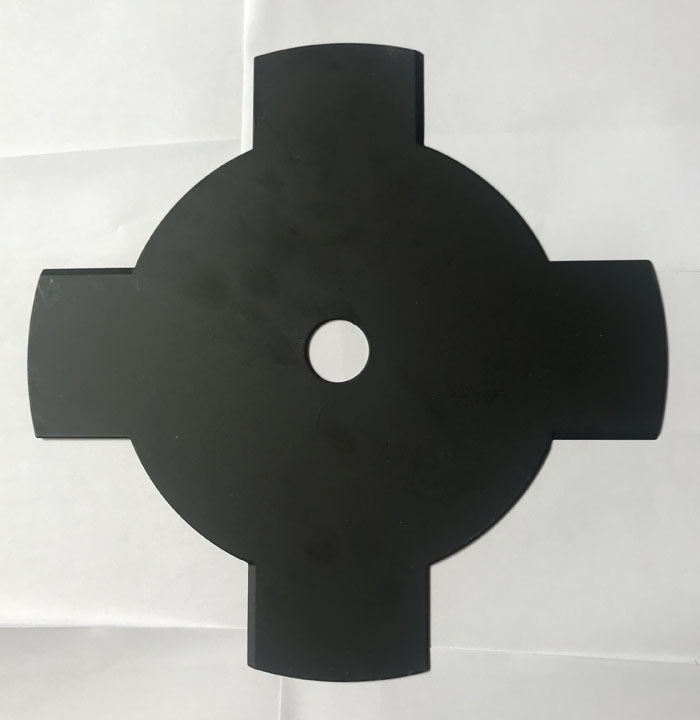
Mower Parts & Accessories
Source premium Mower Parts & Accessories from vetted suppliers and manufacturers. Built for wholesale distributors, equipment importers, and brands requiring reliable OEM production, our network delivers precision-engineered replacement parts and upgrades designed to withstand rigorous commercial and residential landscaping demands.
Sourcing replacement parts and aftermarket accessories for lawnmowers requires balancing aggressive cost targets with uncompromising durability. Whether you are stocking distributor shelves with universal blades or engineering proprietary spindle assemblies for a commercial zero-turn mower brand, dimensional accuracy and material integrity dictate field performance. A sub-par belt or an unbalanced blade does not just cause rapid wear; it damages the machine, increases operator fatigue through vibration, and ultimately ruins brand reputation.
Securing a reliable supply chain means looking beyond the unit price and scrutinizing the factory's metallurgy, machining tolerances, and internal testing protocols.
Critical Specifications and Material Selection
The mower parts category spans high-wear consumables and precision mechanical assemblies. Specifying the correct materials upfront is the single most important step in preventing premature failure in the field.
| Component Type | Standard Residential Spec | Commercial / Heavy-Duty Spec |
|---|---|---|
| Mower Blades | Carbon Steel (1045) | Boron Steel (10B38) or 5140 Alloy |
| Drive Belts | Polyester Cord V-Belts | Aramid (Kevlar) Cord Wrap |
| Spindle Assemblies | Standard Aluminum Die-Cast | Ductile Iron or Forged Aluminum |
| Bearings | Standard 6204 (Z Shield) | Double-Sealed (2RS) High-Speed |
For cutting blades, hardness and impact resistance must be carefully balanced. Blades that are too hard will shatter upon striking a rock, creating a severe safety hazard. Blades that are too soft will lose their edge rapidly. Specify a Rockwell Hardness (HRC) of 45 to 52, achieved through controlled austempering or standard quench-and-temper processes.
Need help verifying factory material certifications and production capabilities? Let's discuss your sourcing requirements.
Talk to our teamManufacturing Processes and Quality Control
Consistent quality in mower parts relies heavily on the manufacturer's process controls. For high-speed rotating parts, dynamic balancing is non-negotiable. An unbalanced blade or spindle pulley introduces harmonic vibrations that can destroy bearings and deck housings.
Stamping & Laser Cutting
Blades are stamped from steel coil or laser-cut for lower-volume custom profiles. Edge beveling is performed via automated CNC grinding.
Heat Treatment
Parts enter a continuous furnace to achieve the required structural hardness without inducing brittleness.
Dynamic Balancing
Blades and pulleys are spun on balancing machines. Material is removed or weights added until the imbalance is under 2 grams.
Surface Finishing
Epoxy powder coating or zinc plating is applied to prevent rust during storage and early field use.
When auditing a new factory, pay close attention to their testing laboratory. Do they have a salt spray chamber for coating durability? Do they use a digital hardness tester on every batch? Relying on a robust Quality Control & Inspection protocol ensures that out-of-spec parts are caught before they are loaded into a shipping container.
Pre-Shipment Inspection Focus Areas
- Verify blade lift dimensions and mounting hole center-to-center distances.
- Check belt pitch length and top width using calibrated V-belt gauges.
- Confirm spindle bearing grease fill and seal integrity.
- Test powder coat adhesion using a standard cross-hatch cutter.
Buying Mechanics: MOQs, Tooling, and Lead Times
Procuring mower parts in bulk involves navigating varying Minimum Order Quantities (MOQs) based on the production method and whether the part is an off-the-shelf aftermarket replacement or a custom OEM design.
If you are developing proprietary parts for a new mower line, partnering with a supplier that offers dedicated OEM/ODM Services is essential. They will help co-develop the tooling and protect your intellectual property. However, before investing in tooling, it is highly recommended to conduct thorough Factory Audits to ensure the manufacturer has the financial stability and technical capability to scale with your brand.
Streamline your procurement process and secure reliable production for your custom or aftermarket parts.
Get a free consultationFrequently Asked Questions
Sourcing durable, high-performance mower parts at scale requires technical vigilance and a deep understanding of manufacturing tolerances. By partnering with vetted factories and maintaining strict quality oversight, you can build a reliable supply chain that protects your margins and your customers' equipment.
Get Sourcing Help for Mower Parts & Accessories
Tell us your requirements and our experts will connect you with verified manufacturers.