Mounts
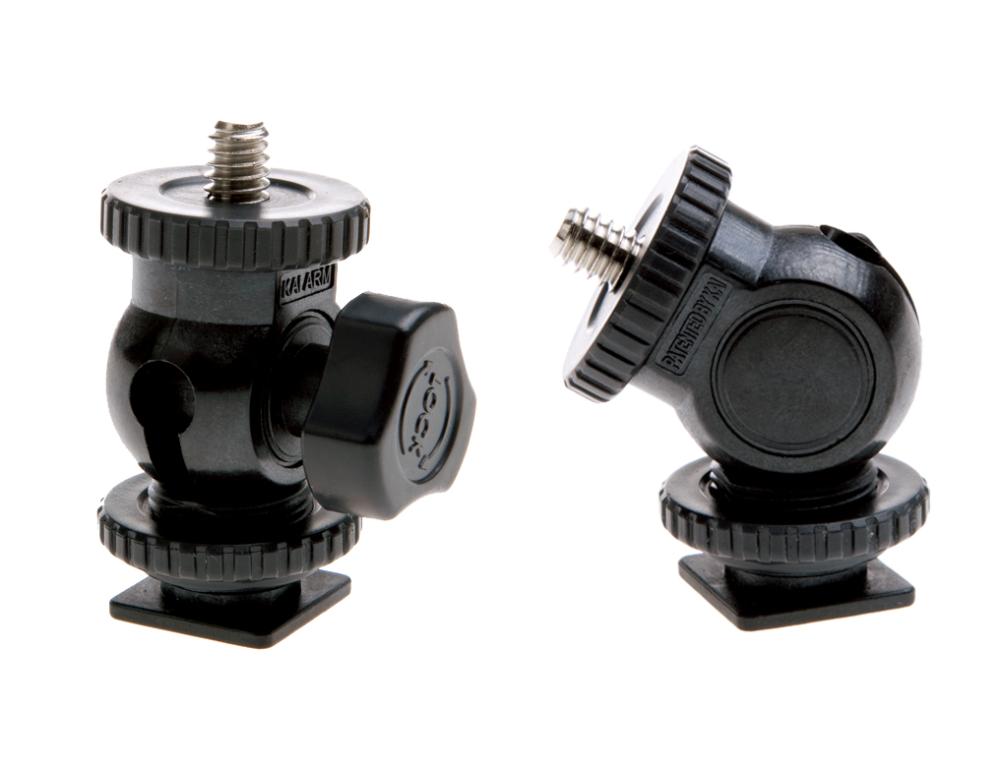
Source high-quality camera mounts from vetted manufacturers and suppliers. Designed for importers, wholesalers, distributors, and brands seeking reliable OEM/ODM production, this selection covers bulk orders for consumer, action, and professional photography applications.
Sourcing camera mounts at scale requires balancing material cost with structural integrity. Whether you are developing rugged action camera accessories, automotive dashcam fixtures, or precision studio mounts, the primary challenge is ensuring tight tolerances and vibration resistance while maintaining competitive unit costs. A poorly manufactured mount risks catastrophic failure for expensive camera equipment, making supplier selection and rigorous quality oversight critical.
Material Selection and Manufacturing Tolerances
The durability of a camera mount is dictated by its core materials and the precision of the manufacturing process. Buyers must specify exact material grades rather than accepting generic terms like "plastic" or "metal" from a factory.
| Component | Standard / Budget | Professional / Heavy-Duty |
|---|---|---|
| Main Body | Injection-molded ABS or Polycarbonate (PC) | CNC-machined 6061 or 7075 Aluminum Alloy |
| Hardware (Screws/Bolts) | Zinc-plated steel (prone to rust over time) | 304 or 316 Stainless Steel |
| Suction/Grip Elements | Standard PVC or cheap rubber | Medical-grade Silicone or TPU |
| Thread Inserts | Molded directly into plastic | Brass or stainless steel threaded inserts |
For plastic mounts, injection molding parameters must be tightly controlled to prevent sink marks and warping, which compromise the fit of articulating joints. For metal mounts, CNC machining offers superior tolerance control compared to die-casting, ensuring that standard 1/4-inch-20 or 3/8-inch-16 UNC threads are cut flawlessly.
Struggling with inconsistent tolerances or poor material quality from your current supplier? Let us help you identify capable manufacturers.
Talk to our teamQuality Control and Critical Testing
Defects in camera mounts often appear only under stress or environmental exposure. Relying solely on visual checks is insufficient. Implementing a structured Quality Control & Inspection protocol at the factory level prevents defective batches from shipping.
Critical QC Checks for Camera Mounts
- Load-bearing capacity test: Sustained static weight testing exceeding the rated capacity by 50 percent.
- Vibration testing: Simulating automotive or action-sports frequencies to ensure locking mechanisms do not loosen.
- Salt spray testing (ASTM B117): Verifying the corrosion resistance of metal hardware, critical for outdoor and marine mounts.
- UV aging test: Ensuring plastics and silicone suction cups do not become brittle or discolored after prolonged sun exposure.
- Thread gauge inspection: Verifying standard tripod thread pitch and depth to prevent cross-threading.
Sourcing Mechanics: MOQs, Tooling, and Pricing
The camera accessories market in Asia, particularly in hubs like Shenzhen and Dongguan, is highly fragmented. Navigating this landscape requires distinguishing between final assembly factories, pure trading companies, and specialized injection molding or CNC facilities.
When developing proprietary designs, OEM/ODM Services require upfront investment in custom tooling. Plastic injection molds for standard mounts typically take 25 to 40 days to cut and test. If you are modifying an existing off-the-shelf design (private labeling), lead times and costs drop significantly, but you must ensure the factory actually owns the mold to avoid IP disputes.
Before wiring deposits for custom tooling or large bulk orders, conducting thorough Factory Audits is essential to verify the supplier's in-house capabilities, financial stability, and historical defect rates.
Planning a custom mount design or a large-volume production run? We can manage factory vetting, tooling, and negotiations.
Get a free consultationFrequently Asked Questions
Successfully sourcing camera mounts means looking past the surface finish and verifying the structural integrity of the materials and hardware. By setting rigid specifications early and enforcing them through strict in-line inspections, you can secure reliable, high-margin products that protect the end-user's valuable equipment.
Get Sourcing Help for Mounts
Tell us your requirements and our experts will connect you with verified manufacturers.