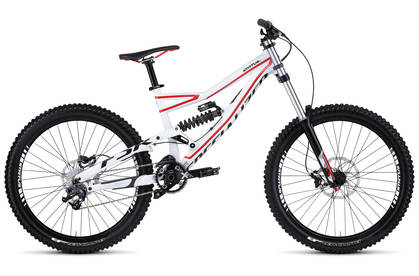
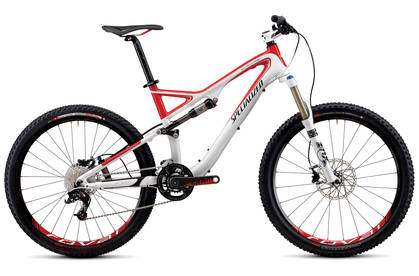
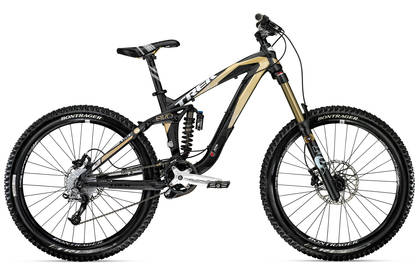
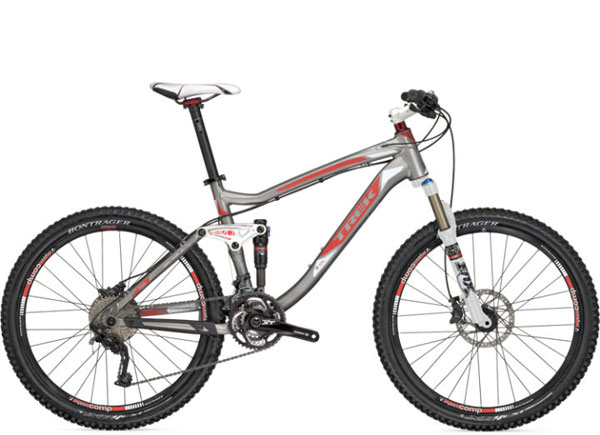
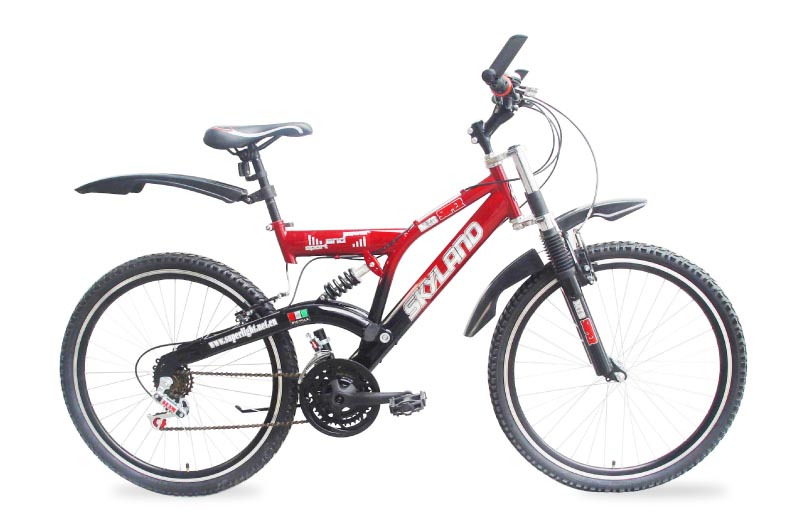
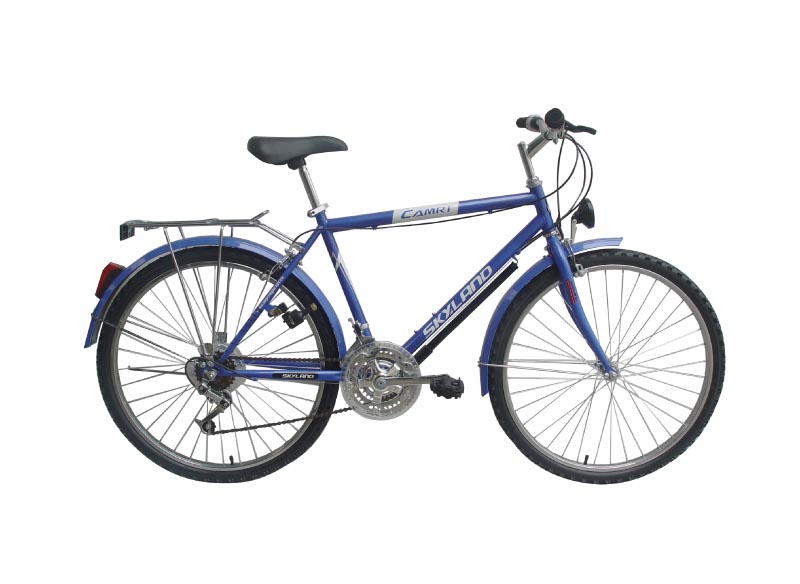
Mountain Bikes
Source premium mountain bikes directly from vetted manufacturers and wholesale suppliers. Built for importers, distributors, and cycling brands seeking reliable OEM and private-label production, our network delivers scalable manufacturing, strict quality control, and streamlined component sourcing.
Sourcing mountain bikes at volume requires orchestrating a complex, multi-tiered supply chain. You are not just buying a frame; you are procuring a highly integrated system of suspension kinematics, drivetrain components, and braking systems. For wholesale buyers and brands, success depends on aligning frame manufacturing capabilities with global component lead times, all while maintaining strict adherence to international safety standards.
Frame Materials and Manufacturing Tolerances
The core of any mountain bike program is the frame. Factories typically specialize in either alloy or carbon fiber production, and their capabilities dictate your product's market positioning.
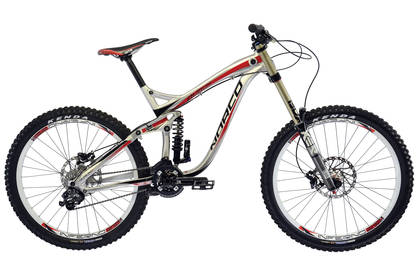
For alloy frames (typically 6061 or 7005 aluminum), the critical manufacturing steps are hydroforming, TIG welding, and T6 heat treatment. Smooth welding (double-pass welding) is standard for mid-to-high-end models, requiring skilled manual labor or advanced robotic setups.
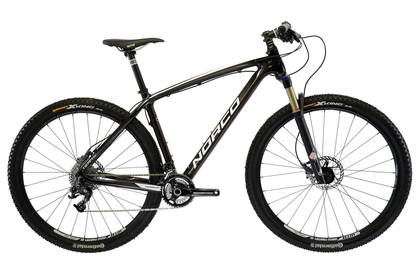
Carbon fiber frames demand entirely different factory infrastructure. Look for suppliers utilizing EPS (Expanded Polystyrene) molding techniques rather than older bladder methods. EPS molding ensures smoother internal walls, eliminating resin pooling and stress risers that lead to catastrophic failure under load.
| Specification | Aluminum Alloy (6061/7005) | Carbon Fiber (T700/T800) |
|---|---|---|
| Manufacturing Method | Hydroforming, TIG welding, T6 heat treatment | EPS molding, hand layup, autoclave curing |
| Tooling Costs | Low to Moderate | High (Custom molds required) |
| Weight vs. Stiffness | Heavier, durable, predictable yield | High stiffness-to-weight ratio, tunable compliance |
| Market Position | Entry-level to mid-tier trail/enduro | Premium XC, Enduro, and Downhill |
Need help validating a factory's carbon layup process or welding standards?
Talk to our teamComponent Integration and Assembly
A mountain bike factory is primarily an assembly plant. While they manufacture or source the frame, they rely on third-party suppliers for the fork, rear shock, drivetrain (Shimano, SRAM, MicroSHIFT), and brakes.
The primary sourcing challenge is component synchronization. A delay in groupset delivery can stall an entire production run. When utilizing OEM/ODM Services for a private-label build, specifying alternative component tiers is a necessary risk-management strategy.
Furthermore, assembly precision is paramount. Bottom bracket facing, headset reaming, and derailleur hanger alignment must be executed perfectly before the bike is boxed.
Quality Control and Safety Testing
Mountain bikes endure extreme dynamic loads. Regulatory compliance is non-negotiable; frames and complete bicycles must pass ISO 4210 standards (or EN 14766 for older European directives). Relying solely on a factory's internal test lab is risky. Independent validation and robust Quality Control & Inspection protocols are essential before containers are loaded.
Critical Factory-Level QC Checks
- Pedaling fatigue test (100,000+ cycles at specified loads)
- Horizontal and vertical impact testing on the front fork/frame assembly
- Bottom bracket concentricity and thread tolerances
- Frame alignment verification (dropout symmetry and headtube angle)
- Torque verification on critical fasteners during final assembly
If you are importing into highly regulated markets like the EU or North America, partnering with specialists for Compliance & Testing ensures your technical files and certifications are legitimate and up to date.
MOQs, Lead Times, and Pricing Reality
Mountain bike production operates on long timelines, heavily dictated by the global cycling supply chain.
Pricing is driven more by the Bill of Materials (BOM) than the frame itself. Upgrading from a coil-spring fork to an air-sprung fork, or moving from a 10-speed to a 12-speed drivetrain, drastically alters the unit cost. Factories will often quote an attractive base price using unbranded or lower-tier components; always demand an itemized BOM with specific brand and model numbers for every part down to the hubs and spokes.
Struggling to manage groupset lead times and assembly schedules?
Get a free consultationFrequently Asked Questions
Successful mountain bike sourcing is an exercise in meticulous project management. The most profitable importers don't just find a supplier; they build a resilient supply chain that anticipates component delays, enforces strict engineering tolerances, and guarantees safety compliance off the assembly line.
Get Sourcing Help for Mountain Bikes
Tell us your requirements and our experts will connect you with verified manufacturers.