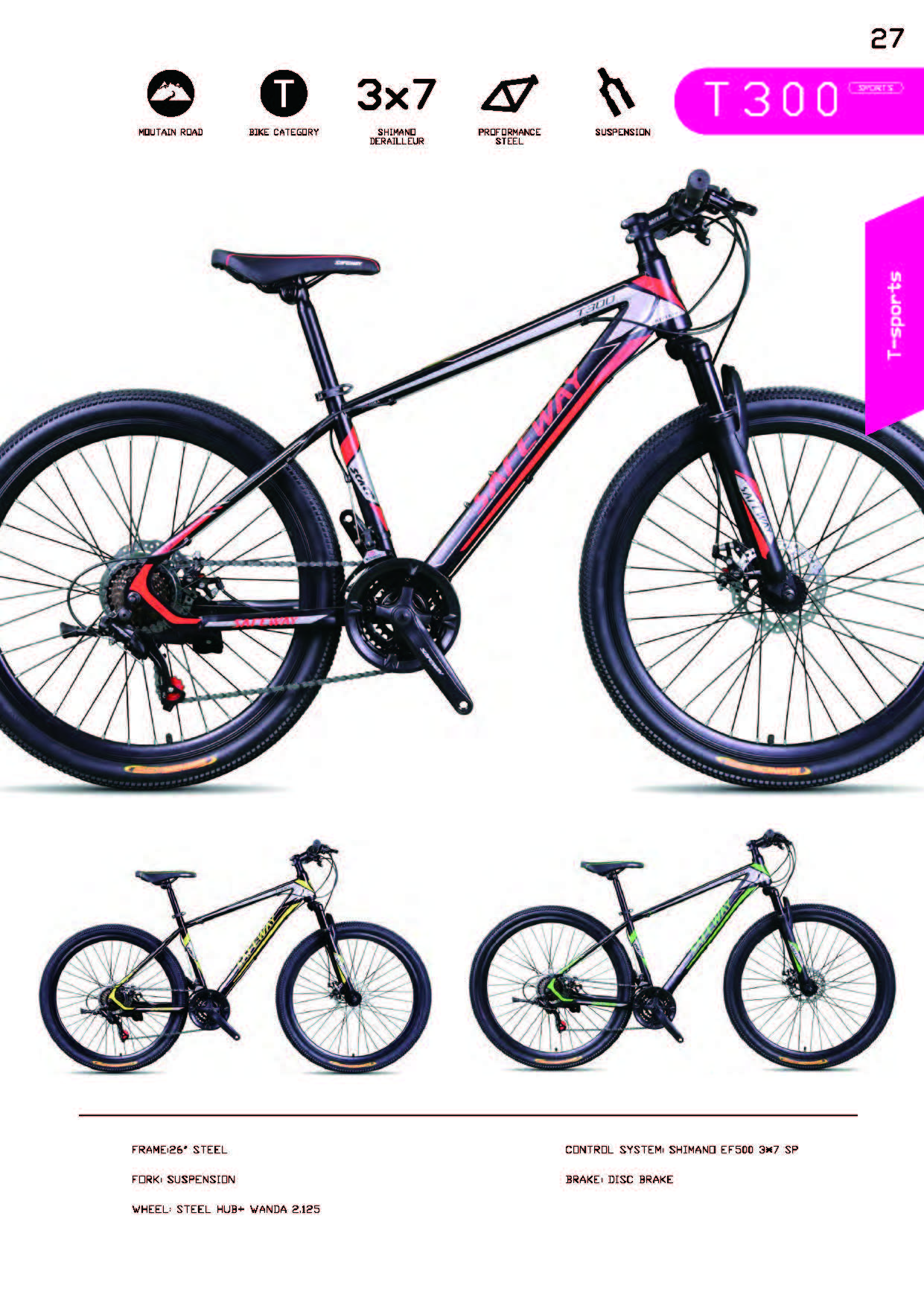
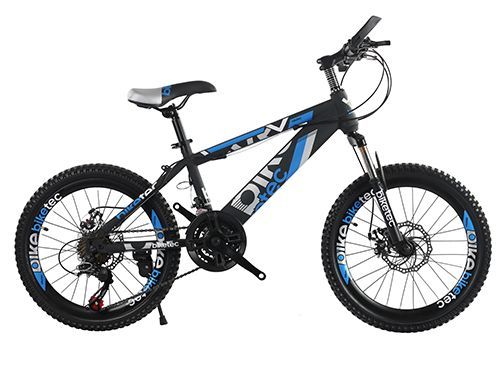
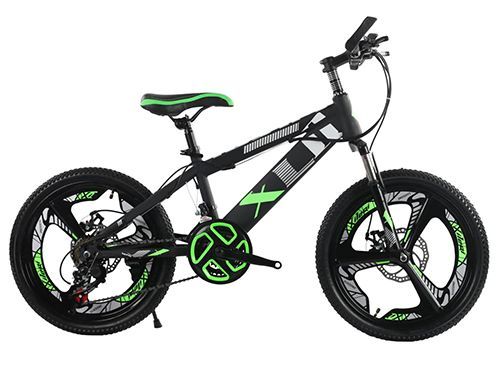
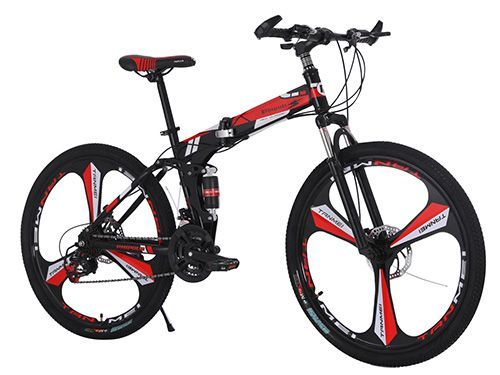
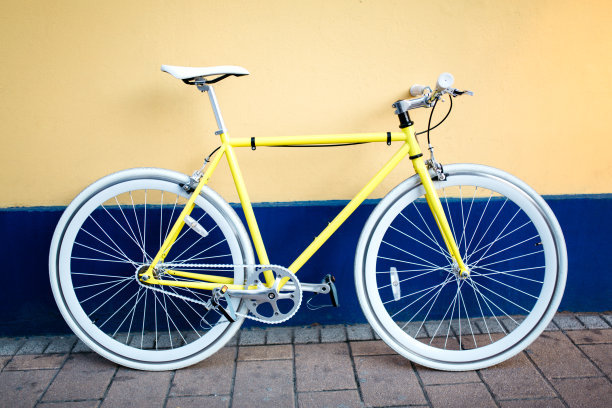
Mountain Bicycle
Source premium and entry-level mountain bicycles in bulk from vetted manufacturers and suppliers. Designed for importers, regional distributors, and brands seeking reliable OEM or private-label production, this catalog connects you with factory-direct partners capable of scaling to your volume requirements.
Sourcing mountain bicycles at scale requires more than just selecting a frame design. The core challenge lies in managing the complex supply chain of components—drivetrains, suspension forks, and hydraulic brakes—while ensuring the frame geometry and welding tolerances meet rigorous international safety standards. A single weak point in component integration or factory assembly can lead to costly product recalls and brand damage.
Specifying Mountain Bicycles for Bulk Production
When negotiating with frame builders and assembly factories, your bill of materials (BOM) dictates both performance and margin. Factories typically specialize in specific frame materials and price tiers, meaning a supplier excellent at high-volume alloy frames may not have the clean-room facilities required for premium carbon layups.
| Material | Primary Use Case | Manufacturing Focus | Cost Profile |
|---|---|---|---|
| Aluminum Alloy (6061/7005) | Entry to Mid-Tier | TIG welding, hydroforming, heat treatment (T6) | Moderate |
| Carbon Fiber (T700/T800) | Premium / Race | EPS molding, resin application, layup precision | High |
| High-Tensile Steel | Budget / Mass Market | Standard machine welding, heavier tubing | Low |
For alloy frames, pay close attention to the welding finish. Standard TIG welding is cost-effective, but smooth welding (often double-pass) offers a premium aesthetic and better stress distribution. Ensure the factory performs proper T6 heat treatment post-welding to restore the alloy's structural integrity.
Struggling to find a factory with the right technical capabilities for your specifications? Let us match you with pre-vetted frame builders and assembly partners.
Talk to our teamComponent Sourcing and Assembly Tolerances
A mountain bike is only as reliable as its assembly. Factories rarely manufacture their own drivetrains or suspension systems; they rely on third-party brands like Shimano, SRAM, or budget alternatives like Microshift and L-Twoo. Managing the lead times of these third-party components is often the most complex part of the production cycle.
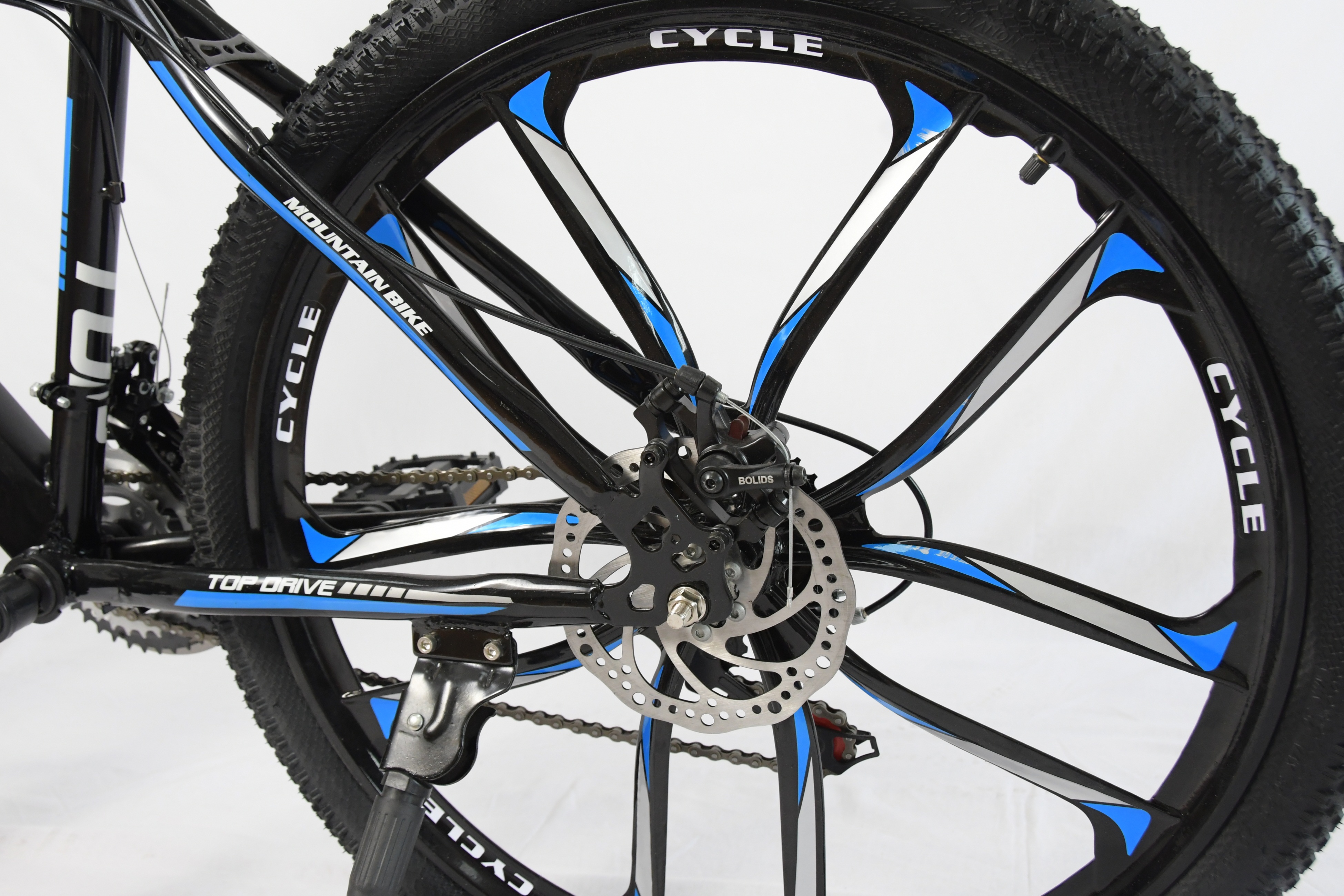
If you are developing a custom frame or a private-label line, utilizing OEM/ODM Services allows you to tailor the geometry, paint schemes, and decal application to your market. However, custom geometry requires strict attention to bottom bracket threading, head tube facing, and disc brake mount alignment during assembly.
Critical Quality Control Checkpoints
In-line and pre-shipment Quality Control & Inspection are non-negotiable for mountain bicycles. Focus your inspection protocols on these specific areas:
Factory Inspection Priorities
- Frame Alignment: Ensure rear dropouts and head tubes are perfectly aligned to prevent tracking issues.
- Weld Penetration: Inspect alloy frames for porosity or incomplete welds at high-stress junctions (bottom bracket, head tube).
- Torque Specifications: Verify that critical bolts (stem, rotors, suspension pivots) are tightened to the exact Nm rating.
- Wheel Truing: Spoke tension must be uniform, with lateral and radial runout kept under 1.5mm.
- Brake Bleeding: Hydraulic systems must be tested for spongy levers, indicating trapped air in the lines.
Managing Lead Times, MOQs, and Pricing Realities
The mountain bike supply chain is notoriously sensitive to component availability. While a factory might be able to weld 1,000 frames in 30 days, waiting for a specific Shimano derailleur can push your overall lead time to several months.
Pricing is driven almost entirely by the component spec sheet. Upgrading from a coil-sprung fork to an air fork, or from mechanical disc brakes to hydraulic, will drastically alter your unit cost. It is vital to lock in component pricing early and confirm that the factory has secured allocations from the component manufacturers.
Need help negotiating pricing and securing component allocations for your next production run? We can streamline your procurement.
Get a free consultationCompliance and Market Readiness
Importing mountain bikes into North America, Europe, or Oceania requires strict adherence to safety standards. The benchmark is ISO 4210, which involves rigorous fatigue and impact testing on the frame, fork, handlebars, and seat post.
Do not take a factory's word that their frames are compliant. Require independent Compliance & Testing reports for the exact frame geometry and material you are purchasing. A certificate for a similar frame does not cover your custom ODM design.
Successfully sourcing mountain bicycles requires balancing technical specifications with supply chain realities. By tightly controlling your BOM, managing component lead times, and enforcing strict assembly tolerances, you can deliver a reliable, high-performance product to your market. If you need experienced oversight on the factory floor, our team is ready to manage the details.
Get Sourcing Help for Mountain Bicycle
Tell us your requirements and our experts will connect you with verified manufacturers.