Motorcycle Transmission Systems
Source high-performance motorcycle transmission systems directly from vetted manufacturers and wholesale suppliers. Built for importers, distributors, and OEM brands requiring bulk volumes and strict quality tolerances. Partner with trusted factories to secure reliable gearboxes, clutches, and drive components at scale.
Sourcing motorcycle transmission systems requires navigating tight engineering tolerances and strict metallurgical requirements. A transmission failure is catastrophic for both the rider and your brand reputation. Securing reliable gear assemblies, clutch packs, and primary drives in bulk means looking past surface-level specifications and verifying a factory's core machining and heat-treatment capabilities.
Metallurgy and Machining Tolerances
The durability of a motorcycle transmission system relies entirely on material selection and the precision of the gear profiles. When evaluating suppliers, the focus must be on their raw material supply chain and their in-house heat treatment processes.
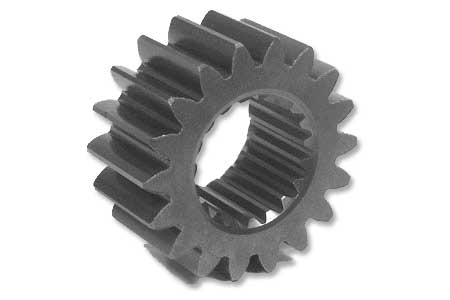
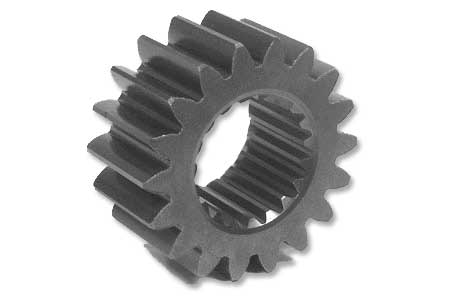
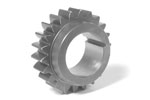
For transmission gears and shafts, 20CrMnTi alloy steel is the industry standard among top-tier Asian manufacturers. This material requires precise carburizing and quenching to achieve a high surface hardness (typically HRC 58-62) for wear resistance, while maintaining a tough, ductile core to absorb shock loads during aggressive shifting.
| Component Type | Standard Material | Critical Manufacturing Process |
|---|---|---|
| Gears & Mainshafts | 20CrMnTi Alloy Steel | Carburizing, Quenching, Gear Grinding |
| Transmission Housings | ADC12 Aluminum Alloy | High-Pressure Die Casting (HPDC) |
| Shift Forks | Forged Steel or Cast Iron | Precision CNC Milling & Hard Chrome Plating |
If the heat treatment process is inconsistent, gears will either wear prematurely or shatter under load. Verifying these capabilities requires more than a standard factory visit; it demands rigorous factory audits focusing on the supplier's metallurgical lab equipment and furnace temperature controls.
Need to verify a supplier's machining and heat-treatment capabilities? Merhein's engineers can audit factories on your behalf to ensure they meet strict automotive standards.
Talk to our teamWhere Quality is Won or Lost on the Factory Floor
Producing a quiet, smooth-shifting transmission system is a matter of micron-level precision. The difference between a premium OEM-grade transmission and a noisy aftermarket replacement usually comes down to the gear finishing process.
- Gear Hobbing vs. Grinding: Basic factories rely solely on gear hobbing and shaving. High-end suppliers utilize post-heat-treatment CNC gear grinding to correct any thermal distortion, ensuring perfect tooth profile and lead accuracy.
- Backlash and Assembly: Improper clearance (backlash) between mating gears causes excessive whine and accelerated wear. Suppliers must have strict assembly jigs and coordinate measuring machines (CMM) to verify center distances.
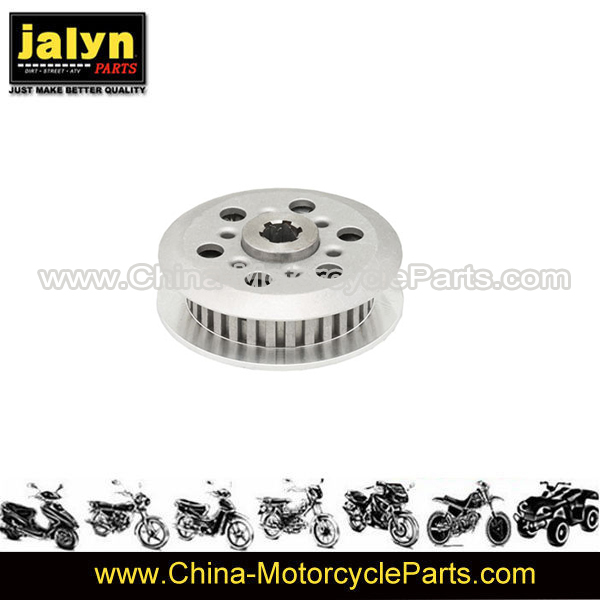
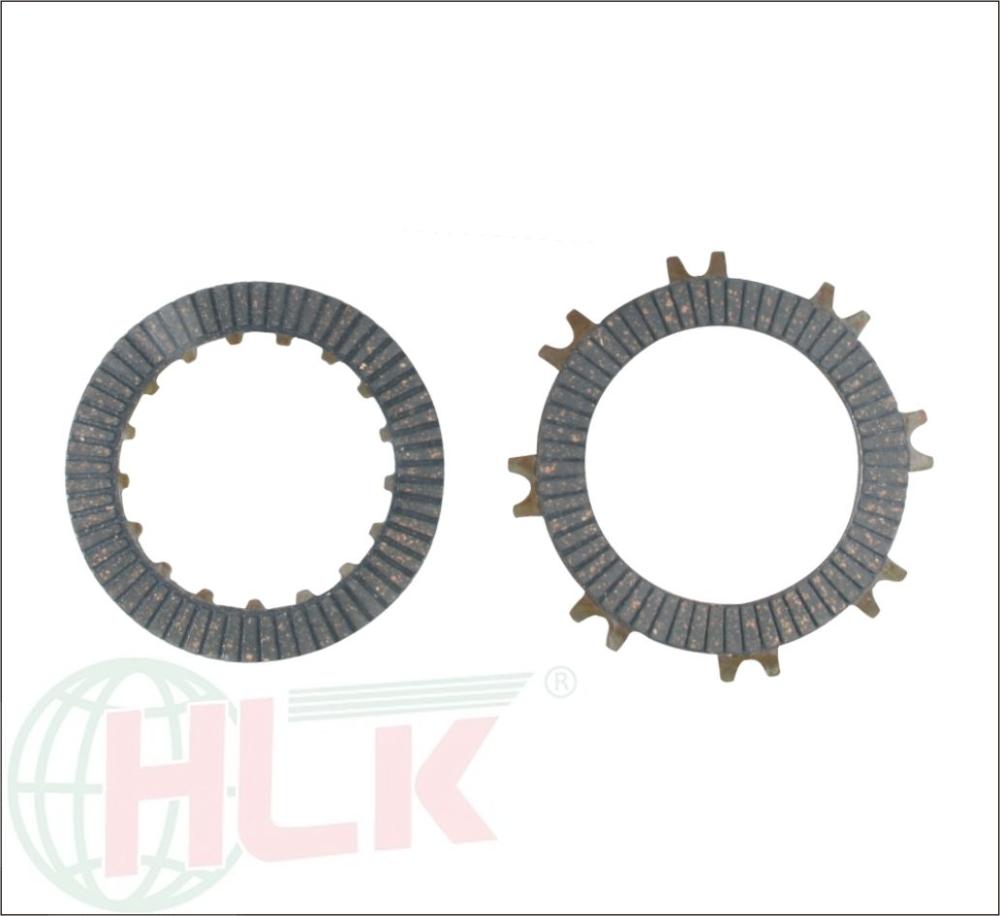
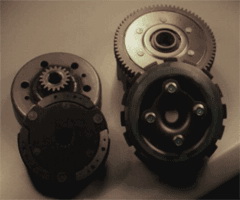
- Spline Fitment: The fit between the clutch basket, primary drive, and transmission input shaft must be exact. Loose splines cause driveline lash, while overly tight splines complicate assembly.
To prevent defective batches from leaving the factory, comprehensive quality control protocols must be implemented, including gear roll testing and magnetic particle inspection (MPI) to detect micro-cracks before assembly.
Buying Mechanics: MOQs, Tooling, and Lead Times
Procurement realities in the motorcycle transmission sector depend heavily on whether you are sourcing standard aftermarket replacement parts or developing proprietary gear ratios for a new vehicle platform.
For standard replacement assemblies (e.g., standard 5-speed or 6-speed cassettes for popular engine clones), factories often utilize existing tooling, which keeps Minimum Order Quantities (MOQs) manageable. If you are utilizing OEM/ODM services to develop custom gear ratios, spline counts, or reinforced clutch baskets, you will need to account for tooling costs and longer lead times for die-casting molds and gear hobs.
Pricing is highly sensitive to the cost of raw steel and aluminum, as well as the required gear quality grade (e.g., DIN or ISO standards). Specifying a higher gear grade drastically increases the CNC grinding time, which directly impacts the unit cost.
Balancing gear quality grades with target pricing requires deep technical negotiation. Let Merhein manage the sourcing and pricing strategy for your next production run.
Get a free consultationBuyer FAQ
Sourcing motorcycle transmission systems is an exercise in risk management. Success requires looking past the unit price to validate the factory's raw materials, machining tolerances, and quality control infrastructure. Having experienced engineers on the ground to audit these capabilities is the most reliable way to secure your supply chain.
Get Sourcing Help for Motorcycle Transmission Systems
Tell us your requirements and our experts will connect you with verified manufacturers.