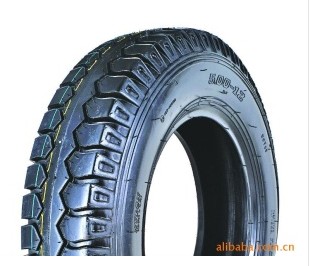
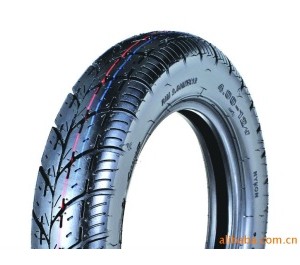
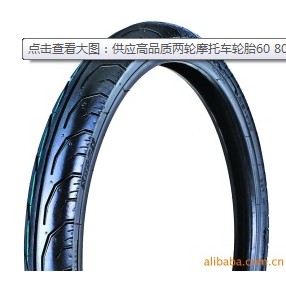
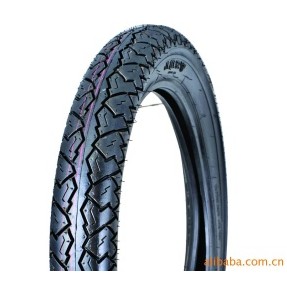
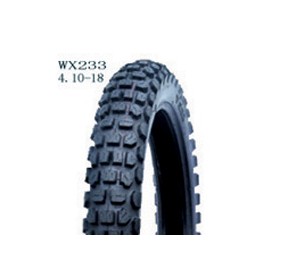
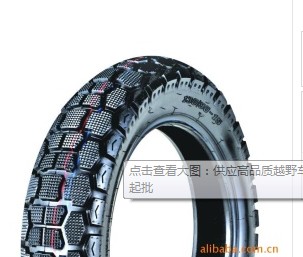
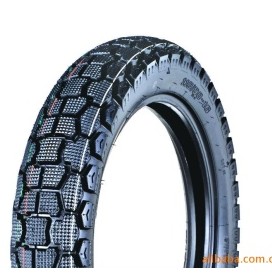
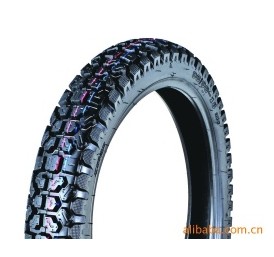
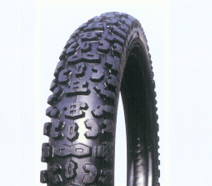
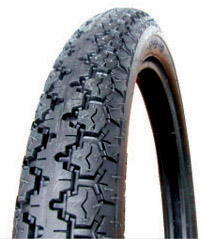
Motorcycle Tires
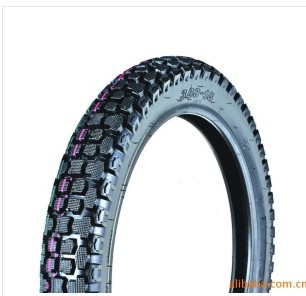
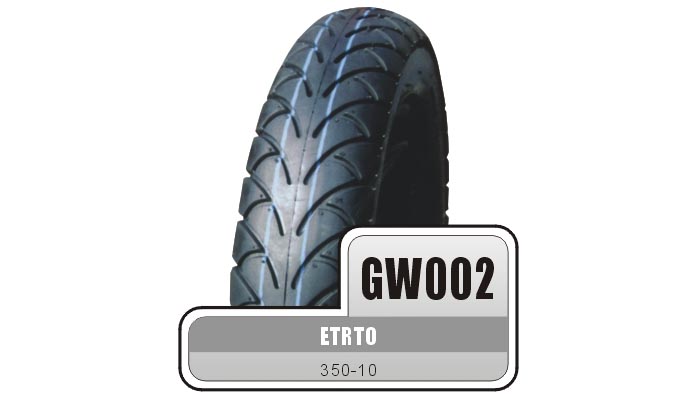
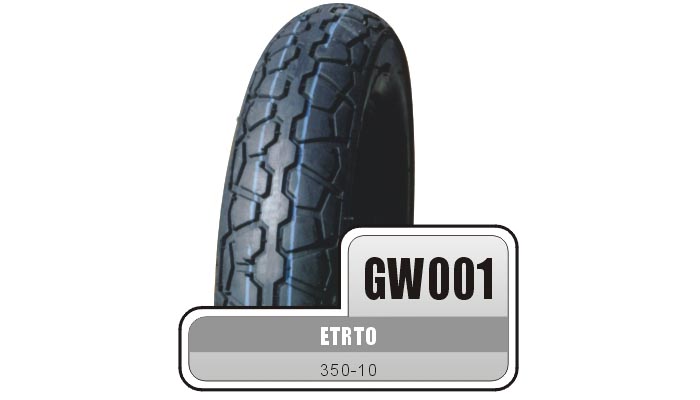
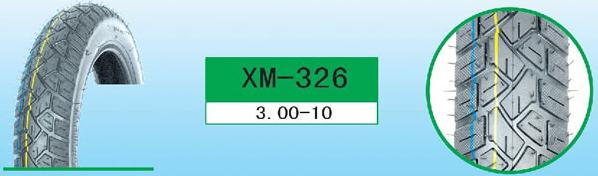
Source wholesale Motorcycle Tires directly from vetted suppliers and manufacturers across Asia. Built for importers, distributors, and brands seeking reliable OEM or private-label production, our network delivers consistent performance across diverse tread patterns and compounds. Secure competitive bulk pricing and strict quality assurance.
Sourcing motorcycle tires at scale requires balancing compound chemistry, casing construction, and stringent safety certifications. For bulk buyers, the challenge lies in identifying factories capable of consistent vulcanization and precise ply alignment, rather than those relying on outdated mixing processes. A slight variance in curing temperature or a misaligned breaker belt can lead to catastrophic failure at highway speeds, making supplier vetting the most critical step in your procurement strategy.
Engineering Specifications and Construction Types
When negotiating with tire manufacturers, clarity on technical specifications dictates both price and performance. Factories typically specialize in either bias-ply or radial construction, and their machinery dictates their capabilities.
Bias-ply tires utilize layers of fabric (nylon or polyester) laid diagonally across the tire from bead to bead. This creates a robust, stiff sidewall ideal for heavy cruisers and off-road applications. Radial tires, conversely, feature plies running at 90 degrees to the direction of travel, reinforced by steel or aramid belts. Radials offer superior heat dissipation and high-speed stability, dominating the sport and touring segments.
| Construction Type | Target Application | Manufacturing Complexity | Sidewall Characteristic |
|---|---|---|---|
| Bias-Ply | Cruisers, Off-road, Scooters | Standard (Fabric plies) | Stiff, high load capacity |
| Radial | Sport, Touring, High-speed | High (Steel/Aramid belts) | Flexible, superior heat dissipation |
Beyond construction, the tread compound is the primary performance driver. Factories formulate compounds using varying ratios of natural rubber, synthetic rubber (SBR), carbon black, and silica. Silica-rich compounds require specialized mixing equipment but are non-negotiable for modern wet-weather grip and lower rolling resistance.
Need to identify factories with verified advanced rubber mixing and radial construction capabilities?
Talk to our teamThe Manufacturing Floor: Where Quality is Determined
A supplier's true capability is visible on the factory floor. The tire-building process is highly sequential, and defects introduced early cannot be corrected later. When conducting factory audits, evaluate these critical stages:
- Mixing and Calendering: Raw materials are blended in Banbury mixers. The resulting rubber must be milled and calendered onto fabric or steel cords with exact thickness tolerances to prevent internal voids.
- Extrusion: The tread and sidewall profiles are extruded. Inconsistent extrusion leads to heavy spots and severe balancing issues in the final product.
- Tire Building: The "green" (uncured) tire is assembled on a building drum. Precision here ensures the bead, plies, and tread are perfectly concentric.
- Vulcanization (Curing): The green tire is placed in a heated mold under pressure. The time and temperature must be exact. Under-curing leads to tread separation; over-curing causes brittle rubber.
Quality Control and Safety Certifications
Motorcycle tires are highly regulated safety components. Your supplier must be capable of producing tires that meet the regulatory requirements of your target market, such as DOT (United States), E-Mark (Europe), JIS (Japan), or CCC (China). Navigating these requirements often requires rigorous compliance and testing protocols before mass production begins.
Relying solely on visual checks is insufficient for pneumatic tires. Robust quality control and inspection must include dynamic testing.
Critical Factory-Level Inspections
- Dynamic unbalance testing to ensure weight distribution falls within acceptable thresholds.
- Radial and lateral runout measurement to verify concentricity.
- X-ray inspection to detect internal voids, wire breaks, or belt misalignments.
- Shearography to identify microscopic casing separations.
- Shore A hardness testing to verify post-cure compound consistency.
Pricing, MOQs, and Private Labeling (OEM)
Factory pricing for motorcycle tires is heavily influenced by raw material indices (natural rubber and petroleum) and mold amortization.
For buyers utilizing a factory's existing "open molds," Minimum Order Quantities (MOQs) typically range from 500 to 1,000 pieces per size. If you are developing a proprietary tread pattern or custom compound through OEM/ODM services, you will need to invest in custom tooling. Mold fees can range from a few thousand dollars for simple scooter tires to significantly higher for complex, multi-compound radial molds.
Looking to develop a custom tire line or negotiate better terms with existing suppliers?
Get a free consultationFrequently Asked Questions
Successfully importing motorcycle tires requires looking past the tread design to the actual chemistry and machinery producing it. Partnering with the right factory ensures your inventory performs safely under extreme conditions, protecting both your end-users and your brand's reputation.
Get Sourcing Help for Motorcycle Tires
Tell us your requirements and our experts will connect you with verified manufacturers.