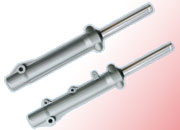
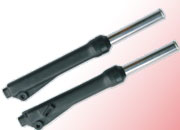
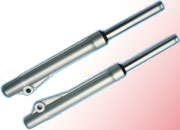
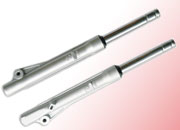
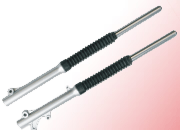
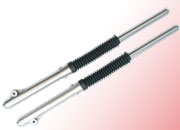
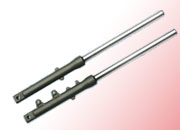
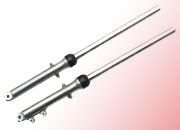
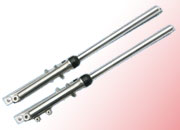
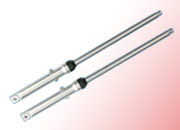
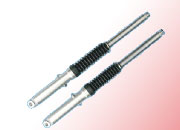
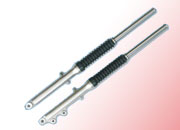
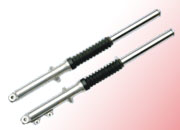
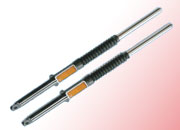
Motorcycle Shock Absorbers
Source premium Motorcycle Shock Absorbers from vetted suppliers and manufacturers across Asia. Designed for importers, distributors, and brands seeking reliable OEM and aftermarket suspension components in bulk. Secure competitive wholesale pricing and consistent production quality for your supply chain.
Sourcing motorcycle shock absorbers at volume requires balancing stringent dynamic performance requirements with cost-effective manufacturing. A failing seal, inconsistent damping curve, or poor surface finish doesn't just result in a warranty return; it compromises rider safety and vehicle handling. Successfully managing this supply chain means identifying manufacturers with true precision machining capabilities and rigorous in-house testing protocols, rather than those relying entirely on outsourced component assembly.
Engineering Specifications and Sourcing Variables
When negotiating with manufacturers or developing custom suspension components, the bill of materials (BOM) and machining tolerances dictate both the price and the lifespan of the shock absorber.
Critical Components and Failure Points
- Piston Rods and Surface Finish: The longevity of the main oil seal depends entirely on the piston shaft. Look for hard chrome plating with a minimum thickness of 15 to 20 microns and a surface roughness (Ra) under 0.15. Micro-cracking in the chrome can tear seals rapidly.
- Sealing Systems: Standard nitrile (NBR) seals are common in budget units, but performance or heavy-duty applications demand fluorocarbon (FKM/Viton) or specialized polyurethane blends to withstand high heat and friction.
- Hydraulic Fluid: The factory's choice of suspension fluid impacts fade resistance. Specify high viscosity index (VI) fluids with anti-foaming agents, especially for emulsion-style shocks where oil and gas mix.
| Architecture | Characteristics | Typical Application |
|---|---|---|
| Emulsion Shocks | Nitrogen and oil mixed; prone to cavitation under heavy use. | Budget aftermarket, lightweight commuters. |
| Internal Floating Piston (IFP) | Physical barrier separates gas and oil; consistent damping. | Mid-range OEM, standard street motorcycles. |
| Piggyback / Remote Reservoir | Increased fluid capacity and cooling; adjustable valving. | Premium OEM, off-road, track applications. |
Need help identifying factories capable of tight-tolerance suspension manufacturing? Let our sourcing engineers evaluate your specifications.
Talk to our teamFactory Capabilities and Quality Control
Not all suspension factories are created equal. Many operate merely as assembly houses, purchasing pre-machined tubes, shafts, and cast eyelets from sub-tier suppliers. While this can reduce costs, it heavily fragments quality oversight.
When conducting factory audits, prioritize manufacturers that maintain in-house CNC machining for critical internal components (valves, pistons, and seal heads). Assembly should occur in a clean, climate-controlled environment to prevent dust from contaminating the hydraulic fluid during the filling and bleeding process.
Critical Factory Testing Capabilities
- Suspension Dynamometer (Dyno): Essential for verifying damping force curves and consistency across production batches.
- Fatigue Testing Rigs: Continuous cycle testing (often 1 million+ cycles) to validate seal life and structural integrity.
- Salt Spray Chambers: Minimum 72-hour testing to ensure anodizing and chrome plating resist environmental corrosion.
- Spring Rate Testers: Verifying that coil springs fall within the specified tolerance (typically plus or minus 3%).
Implementing rigorous quality control before shipment is non-negotiable. Pre-shipment inspections must include dyno sampling from the actual production run, not just visual checks for cosmetic defects.
MOQs, Lead Times, and OEM Development
The manufacturing landscape for motorcycle shock absorbers is highly structured around production volumes and tooling requirements. If you are leveraging OEM/ODM services to develop proprietary valving or custom billet components, expect higher upfront costs and longer timelines.
Pricing is heavily influenced by the raw materials (e.g., steel vs. aircraft-grade aluminum bodies) and the complexity of the valving (fixed vs. multi-way adjustable). High-volume orders of standard commuter bike shocks can benefit significantly from economies of scale, whereas low-volume, high-performance units require specialized assembly lines.
Ready to optimize your suspension supply chain? We negotiate MOQs, manage tooling, and oversee quality on the ground.
Get a free consultationFrequently Asked Questions
Sourcing reliable motorcycle shock absorbers demands a deep understanding of hydraulic systems, material science, and factory-level quality assurance. Partnering with a team that speaks the technical language of suspension engineering ensures your bulk orders meet the safety and performance standards your market demands.
Get Sourcing Help for Motorcycle Shock Absorbers
Tell us your requirements and our experts will connect you with verified manufacturers.