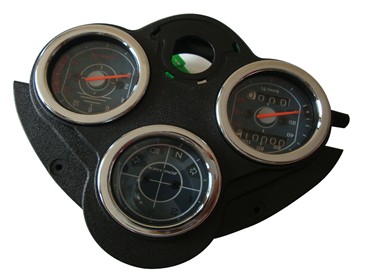
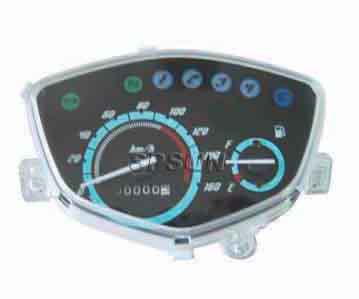
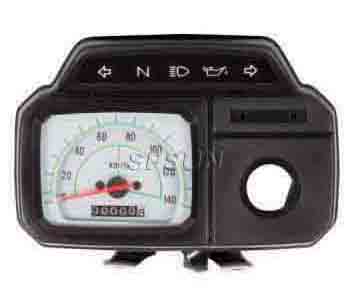
Motorcycle Metering Instruments
Source high-quality motorcycle metering instruments from vetted manufacturers and suppliers in China and Asia. Designed for importers, distributors, and brands seeking reliable OEM and aftermarket instrument clusters, our network delivers precision speedometers, tachometers, and digital displays at scale.
Procuring motorcycle metering instruments requires balancing complex electronic integration with extreme environmental durability. The industry has shifted rapidly from mechanical stepper-motor dials to fully integrated TFT and LCD digital clusters. This transition means buyers are no longer just sourcing mechanical parts; they are sourcing complex PCB assemblies that must withstand severe vibration, UV exposure, and moisture ingress while communicating flawlessly with the motorcycle's ECU.
Specifying the Right Display Technology
The core of your sourcing strategy depends on the display architecture. Your choice dictates the required manufacturing capabilities, the bill of materials (BOM) cost, and the specific testing protocols the factory must follow.
| Technology | Typical Application | Integration | Unit Cost Driver |
|---|---|---|---|
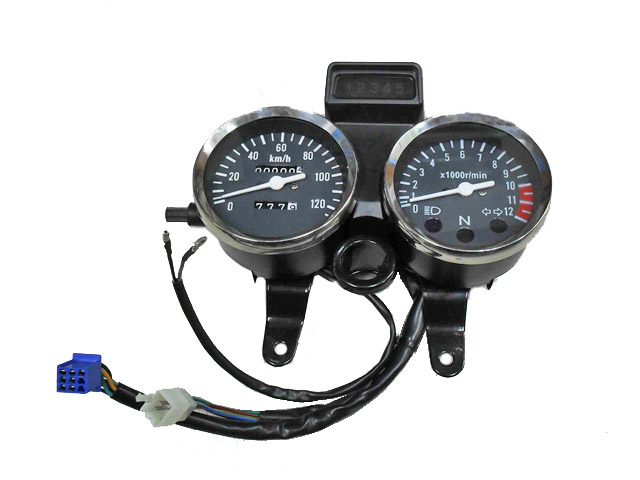
| Mechanical/Stepper | Retro/Classic aftermarket | Analog signal, simple pulse | Precision motors, gearing |
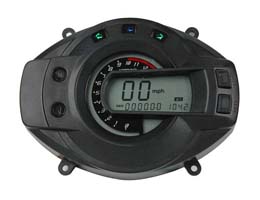
| Segmented LCD | Entry-level commuters, scooters | Basic digital I/O | Custom glass tooling |
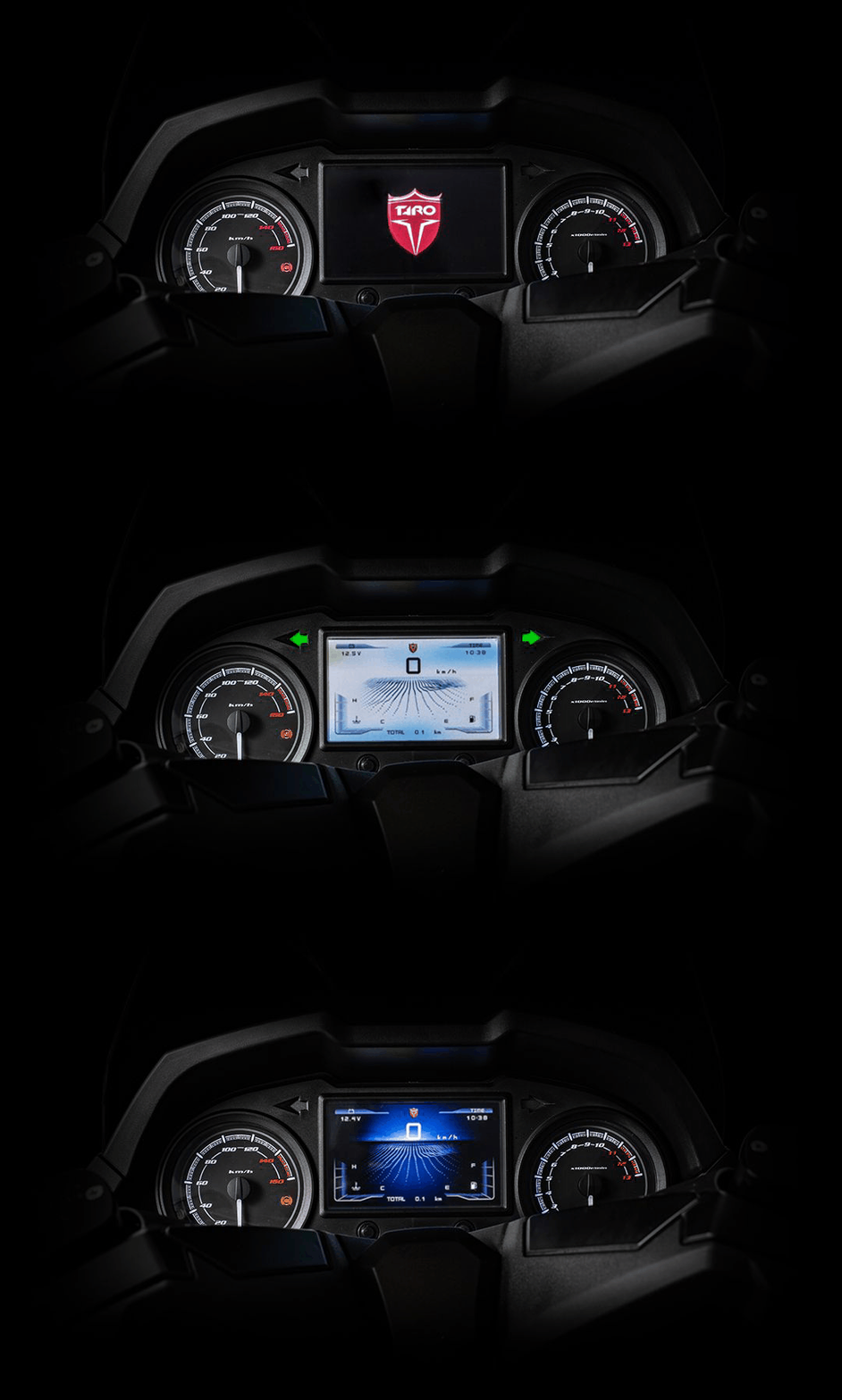
| Full-Color TFT | Premium motorcycles, EVs | CAN bus / K-Line | Display panel, processing chip |
When developing custom digital displays, aligning with a factory that has proven OEM/ODM Services capability is critical. Designing custom boot screens, integrating specific UI/UX, and ensuring the firmware communicates correctly with proprietary ECU protocols require robust in-house software engineering, not just hardware assembly.
Critical Environmental and Electrical Standards
Motorcycle meters operate in environments far harsher than automotive interiors. A supplier's inability to master environmental sealing or electrical filtering will result in rapid field failures.
Struggling with high defect rates or fogging issues from your current supplier? Let us help you find a manufacturer with proven environmental testing capabilities.
Talk to our teamManufacturing Vulnerabilities and Quality Control
Quality is won or lost in the final assembly and sealing phases. Even if the SMT (Surface Mount Technology) lines are flawless, improper casing assembly will doom the product.
When evaluating a factory or deploying Quality Control & Inspection, pay close attention to the following areas:
Factory Floor Inspection Priorities
- Sealing Methods: Verify if the factory uses ultrasonic welding, potting, or simple silicone gaskets for the outer casing.
- Thermal Shock Testing: Ensure the factory tests for rapid temperature changes (e.g., negative 20 to plus 85 degrees Celsius) to check for condensation.
- Vibration Tables: Confirm the presence and use of multi-axis vibration testing equipment on the assembly line.
- UV Degradation: Check for accelerated weathering testers to ensure display lenses do not yellow or craze under sunlight.
- Firmware Flashing & Calibration: Observe the end-of-line testing to ensure speed and RPM calibration are verified against a master signal.
If you are sourcing from a new supplier, relying on their internal QC reports is risky. Conducting independent Factory Audits before placing a volume order ensures the supplier actually possesses the testing equipment they claim to have.
Sourcing Mechanics: MOQs, Lead Times, and Pricing
The supply chain for motorcycle metering instruments is heavily dependent on the global semiconductor market and specialized LCD/TFT panel manufacturers.
- Minimum Order Quantities (MOQs): For standard aftermarket LCD or mechanical meters, expect MOQs around 500 to 1,000 units. For custom TFT displays requiring new firmware and tooling, MOQs typically start at 2,000 units, alongside a significant NRE (Non-Recurring Engineering) fee for software development and UI design.
- Lead Times: Standard catalog items generally require 30 to 45 days. Custom OEM projects, factoring in PCB design, firmware testing, and tooling, can take 90 to 120 days before mass production begins.
- Pricing Drivers: The cost of a TFT cluster is dominated by the display panel resolution, the processing chip (often NXP or STMicroelectronics), and the complexity of the CAN bus integration. Mechanical meters are driven by the quality of the stepper motors and the casing materials (e.g., CNC machined aluminum versus injection-molded ABS).
Need to negotiate better terms or manage complex OEM development timelines? We can manage the factory relationship from concept to delivery.
Get a free consultationFrequently Asked Questions
Sourcing motorcycle metering instruments is an exercise in risk management as much as it is in procurement. A failure in the instrument cluster grounds the entire vehicle. Success requires moving beyond unit price negotiations and digging deeply into a factory's electronic engineering capabilities, environmental testing rigor, and supply chain stability.
Get Sourcing Help for Motorcycle Metering Instruments
Tell us your requirements and our experts will connect you with verified manufacturers.