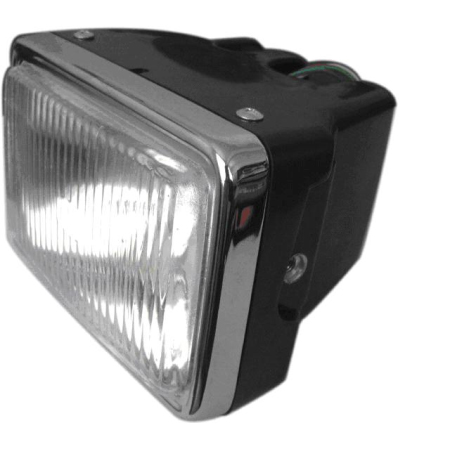
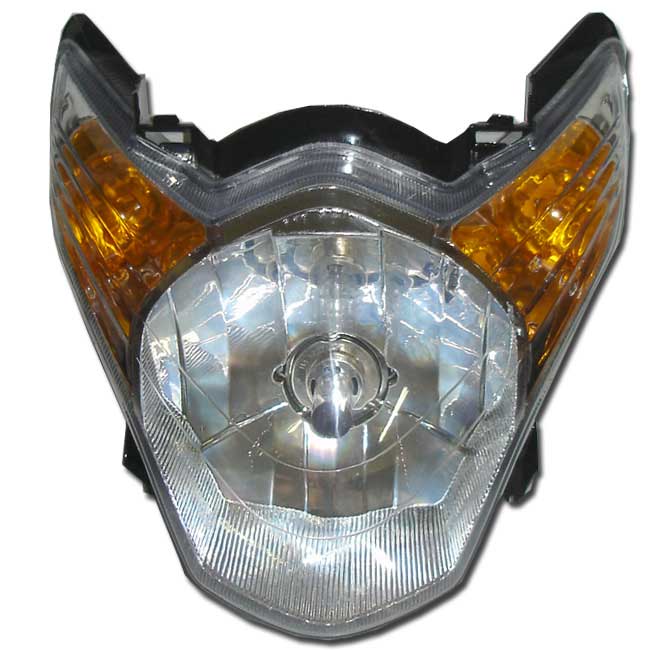
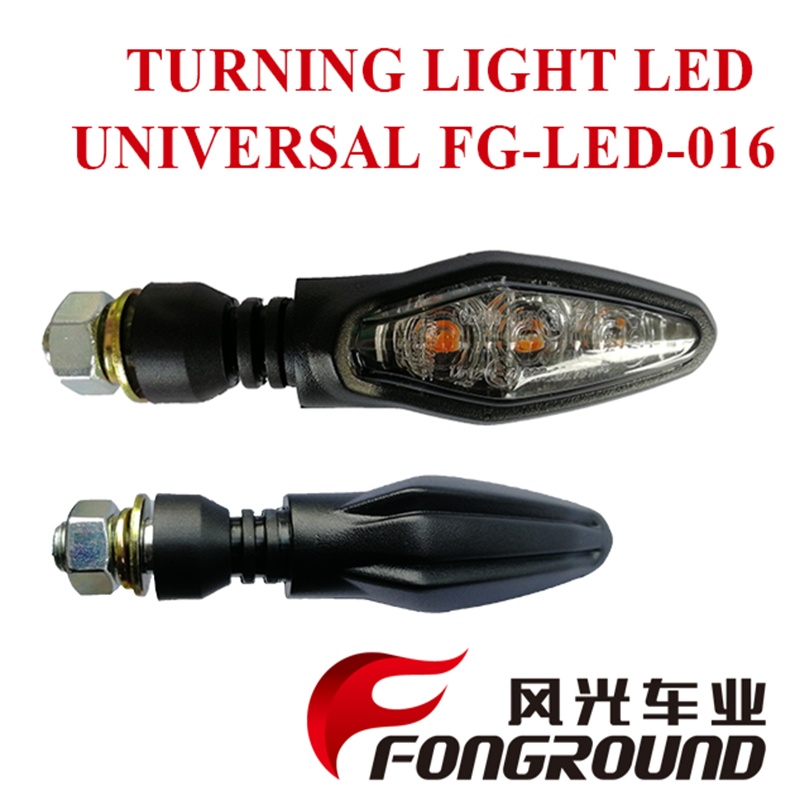
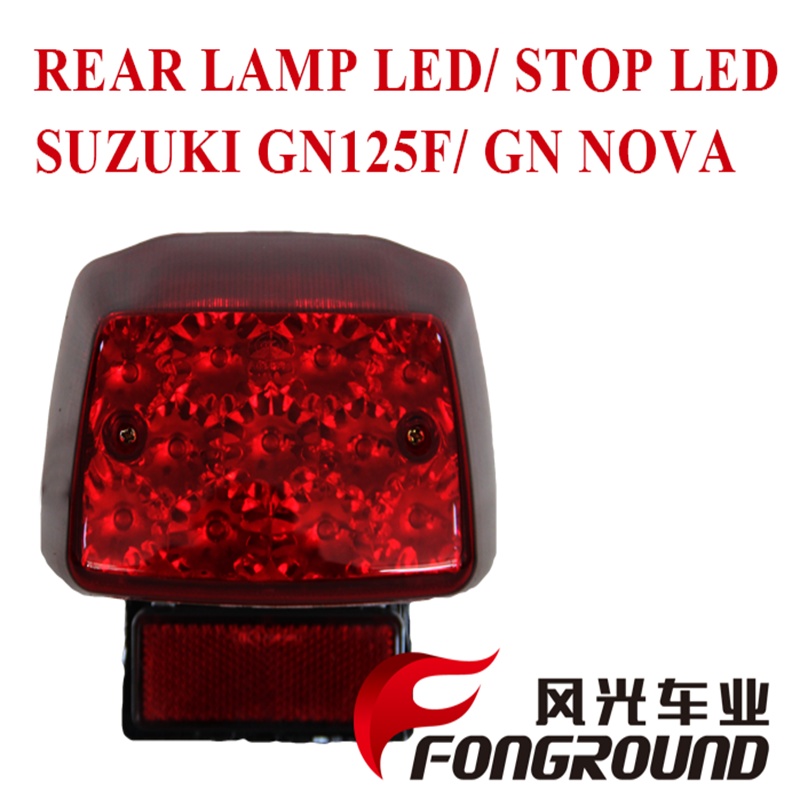
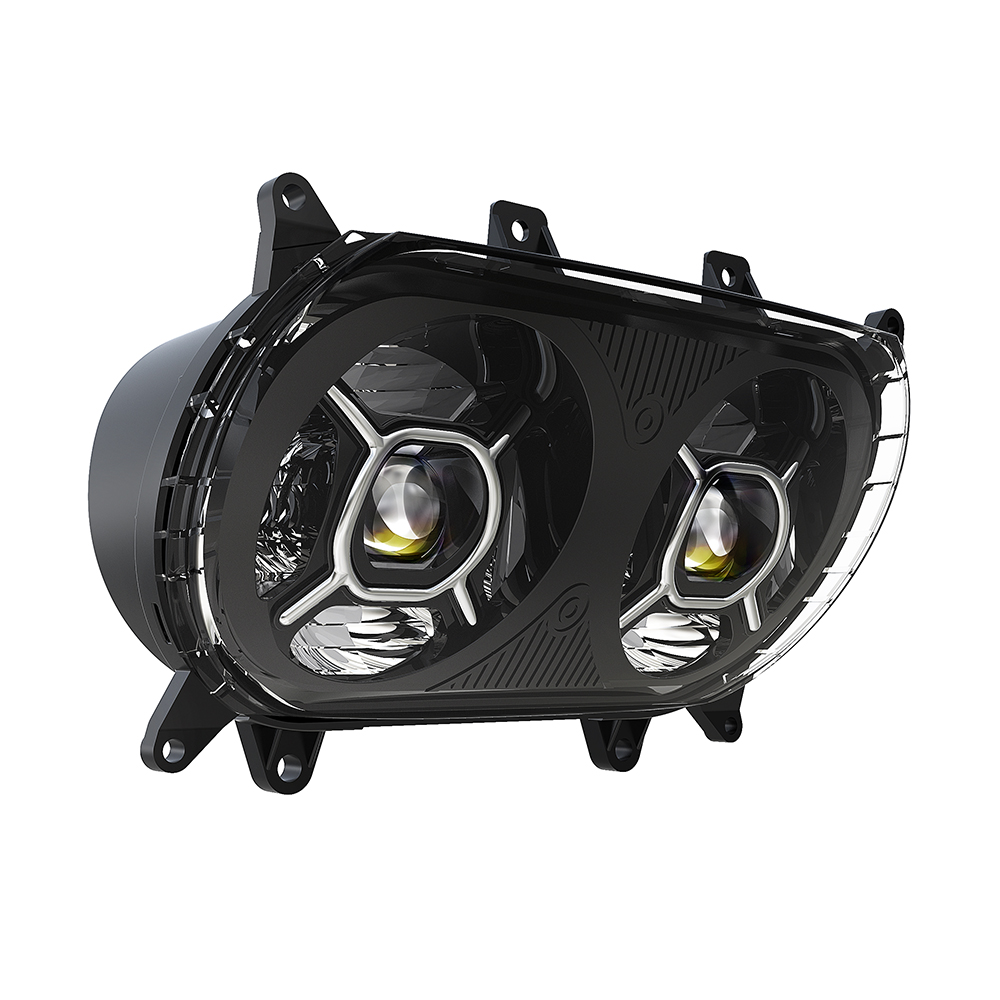
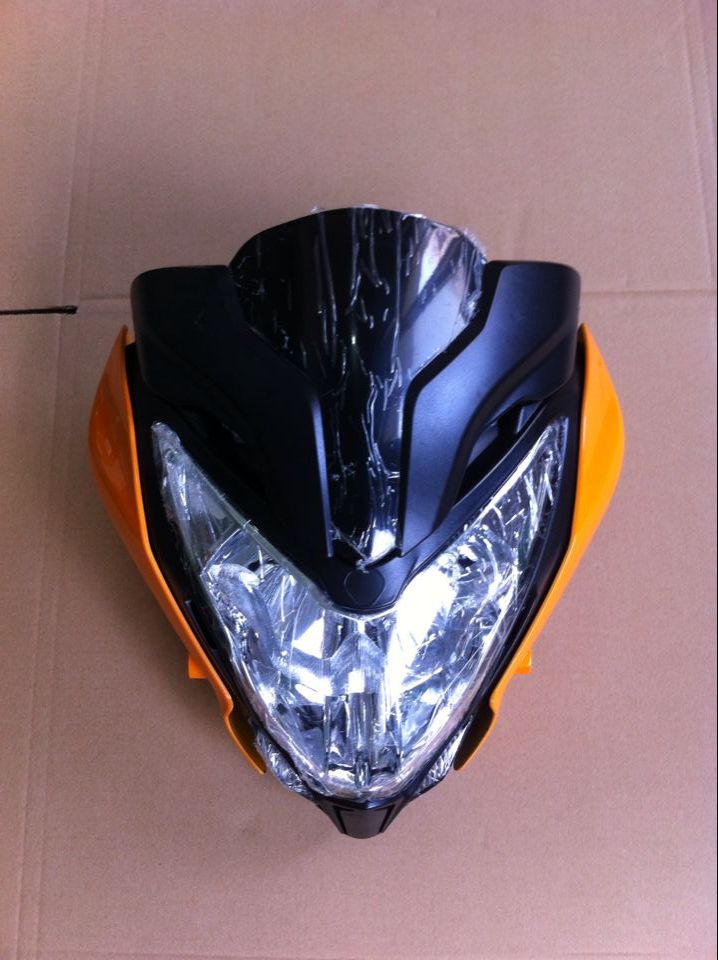
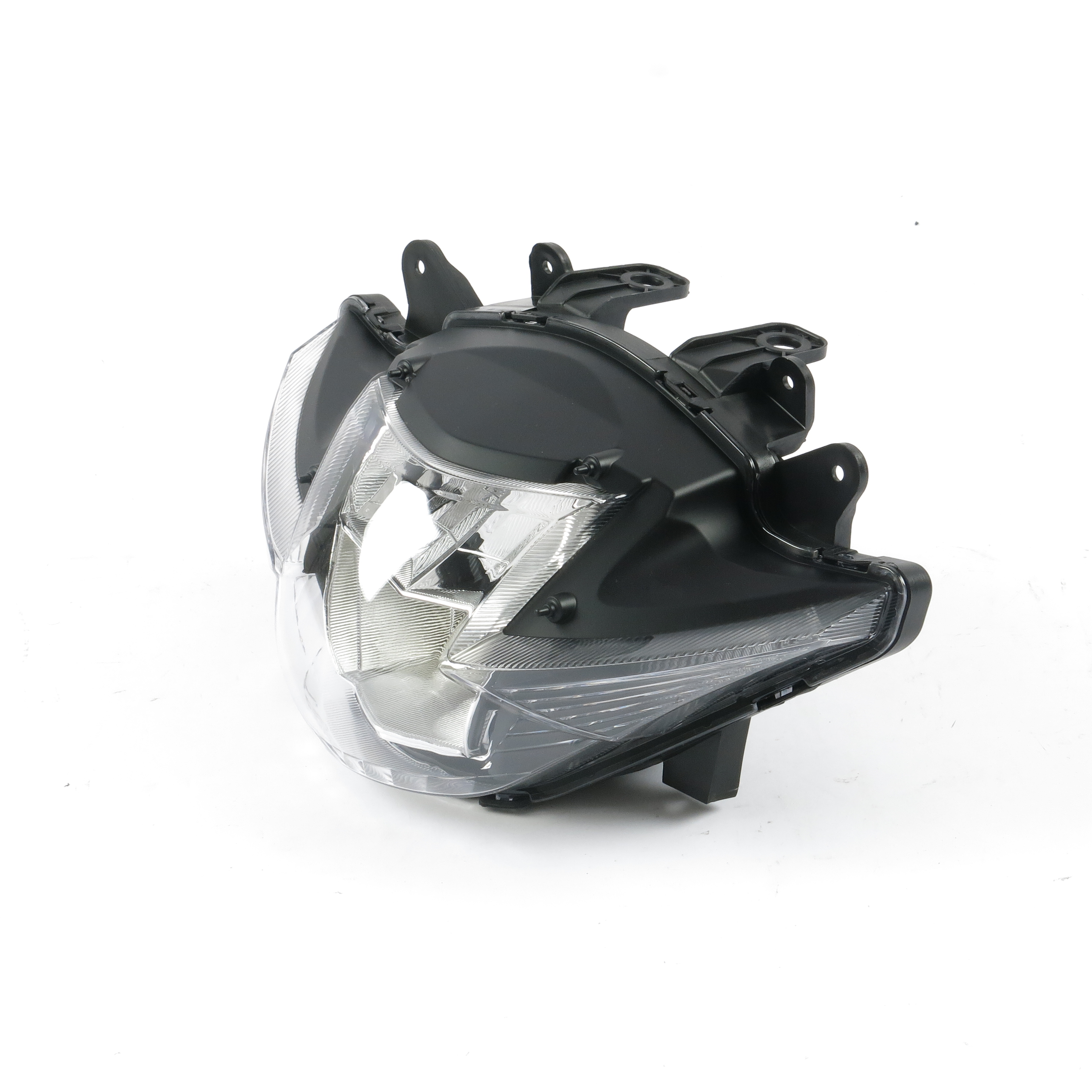
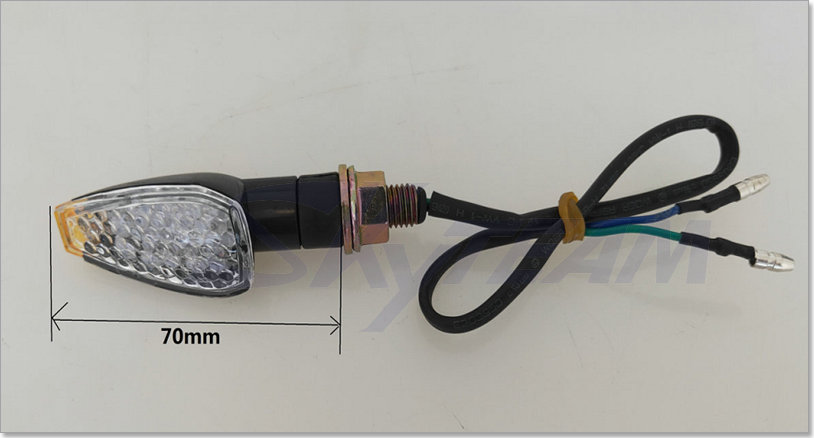
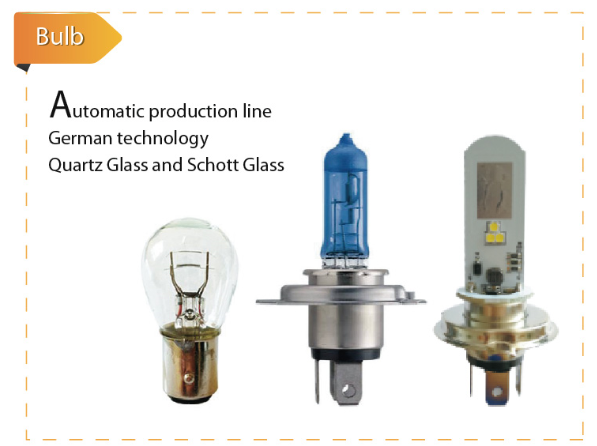
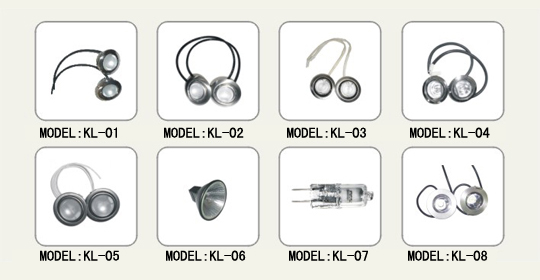
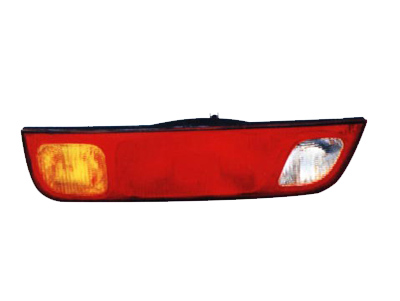
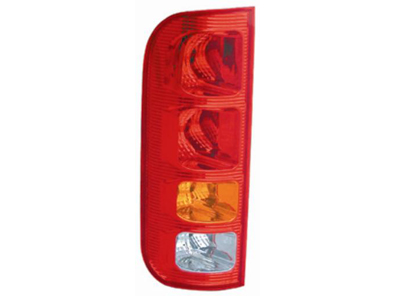
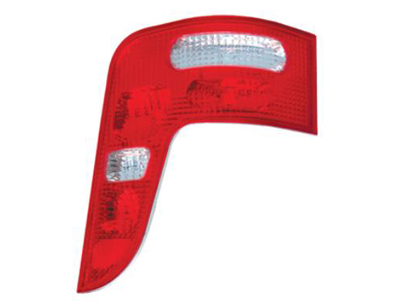
Motorcycle Lighting Systems
Source reliable Motorcycle Lighting Systems from vetted suppliers and manufacturers. Designed for importers, wholesale distributors, and brands looking for high-volume wholesale or OEM/private-label production. Ensure strict DOT/E-Mark compliance, durable thermal management, and consistent optical performance for your bulk orders.
Sourcing motorcycle lighting systems at scale requires balancing optical performance, thermal stability, and strict regulatory compliance. The industry's shift toward high-power LEDs and complex matrix arrays has raised the bar for manufacturing. A poorly designed heat sink, inadequate PCB potting, or substandard lens sealing will inevitably lead to rapid lumen depreciation, moisture ingress, or catastrophic failure in the field.
When evaluating manufacturers, true capability is proven in their testing labs and assembly protocols, not just their spec sheets.
Critical Technical Specifications
To avoid high defect rates, buyers must specify exact tolerances and components rather than accepting off-the-shelf defaults.
- Thermal Management: Motorcycle housings are compact, offering limited surface area for heat dissipation. Specify die-cast aluminum (ADC12) housings and ensure the PCB utilizes a high thermal conductivity substrate (copper or high-grade aluminum). Junction temperatures must remain under 85°C during continuous operation to prevent premature diode failure.
- Optical Precision: Raw lumen output is a marketing metric; effective lumens and beam pattern dictate actual visibility and compliance. Lenses should be optical-grade polycarbonate (PC) with UV-resistant coatings to prevent yellowing.
- Ingress Protection: Motorcycles are exposed to high-pressure washing and heavy rain. IP67 is the baseline, but IP68 or IP69K is necessary for premium or off-road applications.
| Feature | Standard Aftermarket | Premium / OEM-Grade |
|---|---|---|
| Lens Material | Standard PMMA or basic PC | Optical-grade PC with UV hard-coating |
| Thermal Design | Stamped aluminum or plastic fins | Die-cast ADC12 aluminum housing |
| Sealing Method | Basic silicone glue | Ultrasonic welding or structural adhesive + Gore-Tex breather valve |
| Driver Circuit | Linear constant current | Switching driver with thermal foldback |
Need to source lighting systems that meet strict performance and durability standards? We match you with factories capable of high-end optical and thermal engineering.
Talk to our teamManufacturing & Quality Control Realities
The best lighting manufacturers control their Surface Mount Technology (SMT) lines in-house. Outsourcing PCB assembly introduces unacceptable risks to solder joint integrity, especially for components subjected to high-frequency motorcycle vibrations.
When evaluating a supplier's production line, pay close attention to their end-of-line testing. Implementing rigorous quality control protocols at the factory is non-negotiable for this category.
Essential Factory-Floor Validations
- In-house SMT capabilities in a dust-free environment.
- Integrating sphere testing for accurate chromaticity and effective lumen measurement.
- 100% aging tests (minimum 24 hours) at elevated temperatures to catch early diode mortality.
- Automated glue dispensing machines for consistent lens sealing.
- Air-leak testing on 100% of finished units before packaging.
Regulatory Compliance and Testing
Navigating global lighting regulations is one of the most complex aspects of sourcing these systems. A light designed for the US market (DOT FMVSS 108) will often fail European standards (ECE / E-Mark) due to differing beam pattern requirements, particularly regarding sharp cut-offs and glare reduction.
Do not rely on a supplier's verbal assurances of compliance. Request the actual test reports from accredited third-party labs. If you are developing a new design, integrating compliance testing early in the prototyping phase prevents costly tooling modifications later.
Pricing, Tooling, and MOQs
Pricing for motorcycle lighting is highly dependent on the quality of the LED chips (e.g., Osram, Cree, or generic alternatives), the weight of the aluminum housing, and the certification status.
- Standard Wholesale: For existing, off-the-shelf designs, MOQs typically range from 100 to 500 sets. Lead times are generally 20 to 30 days.
- OEM/Custom Designs: If you are utilizing OEM/ODM services to create a proprietary housing or custom beam pattern, expect tooling costs to range from $3,000 to $10,000 depending on complexity. MOQs for custom runs usually start at 1,000 sets to absorb setup costs, with initial lead times extending to 45-60 days for tooling and sample approval.
Planning a custom lighting project? Let us handle the factory vetting, tooling negotiations, and compliance verification to ensure your product launches on time.
Get a free consultationBuyer FAQ
Successfully sourcing motorcycle lighting systems means looking past the outer housing and focusing on thermal dynamics, optical engineering, and strict assembly controls. Partnering with the right manufacturer ensures your products deliver the safety, compliance, and longevity that end-users demand.
Get Sourcing Help for Motorcycle Lighting Systems
Tell us your requirements and our experts will connect you with verified manufacturers.