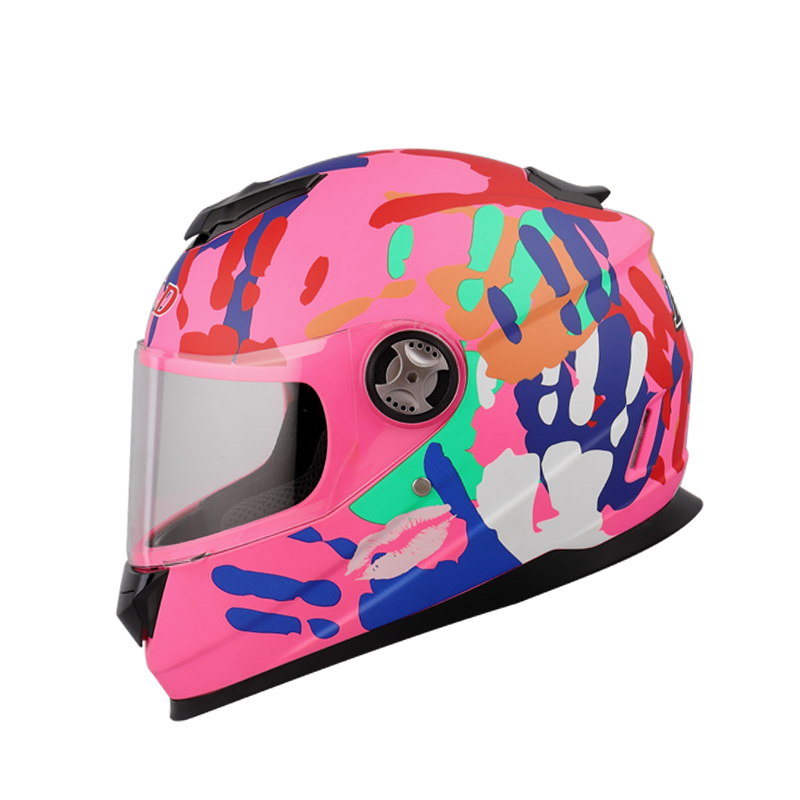
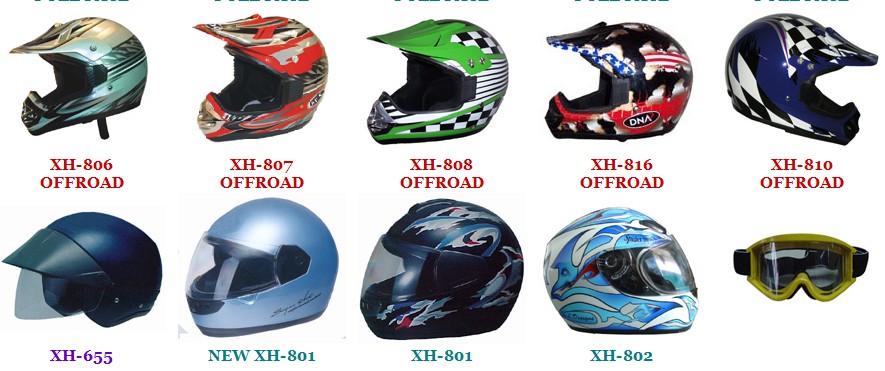
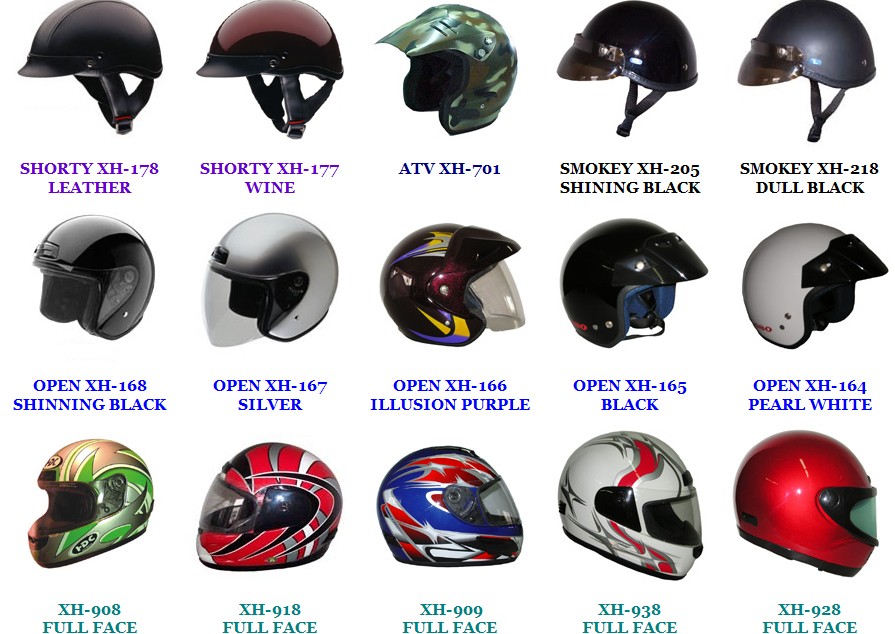
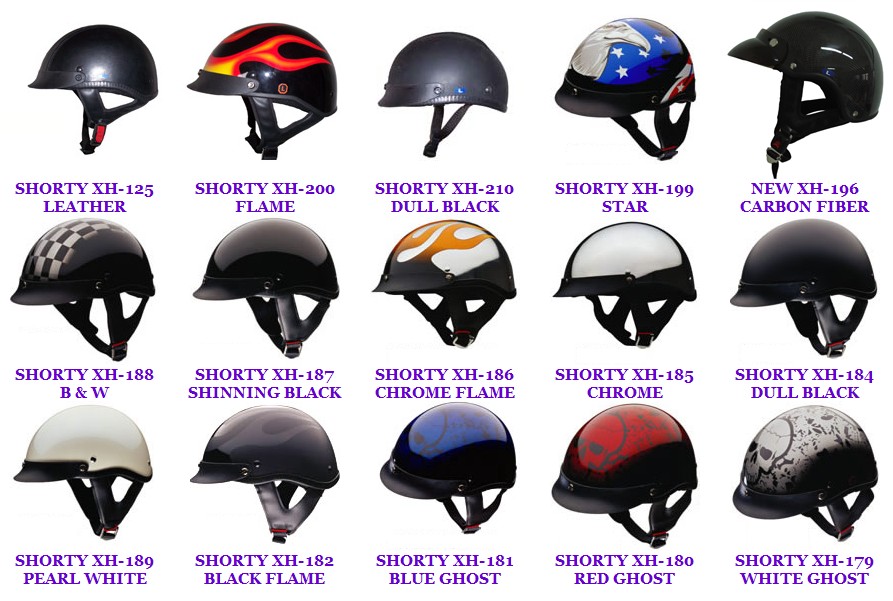
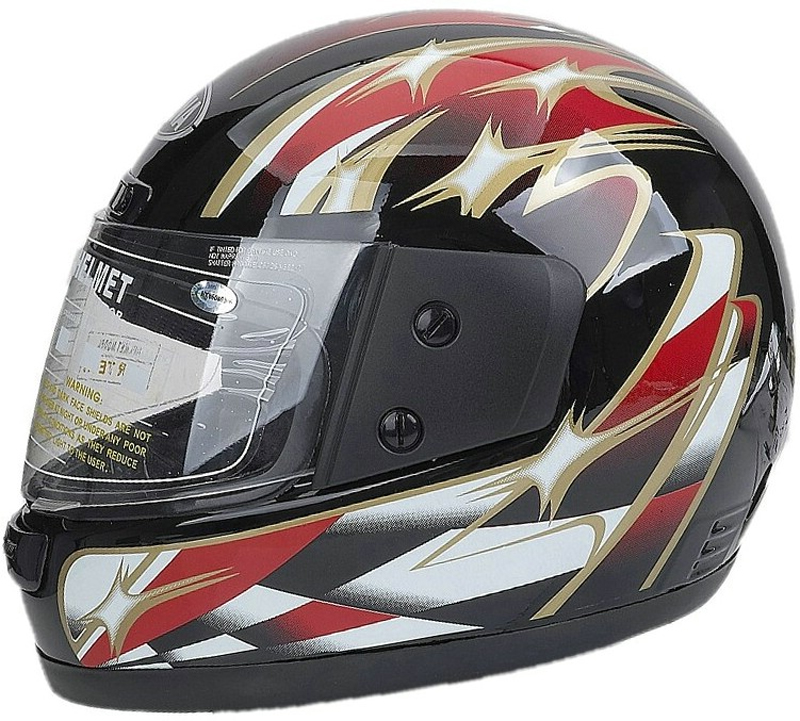
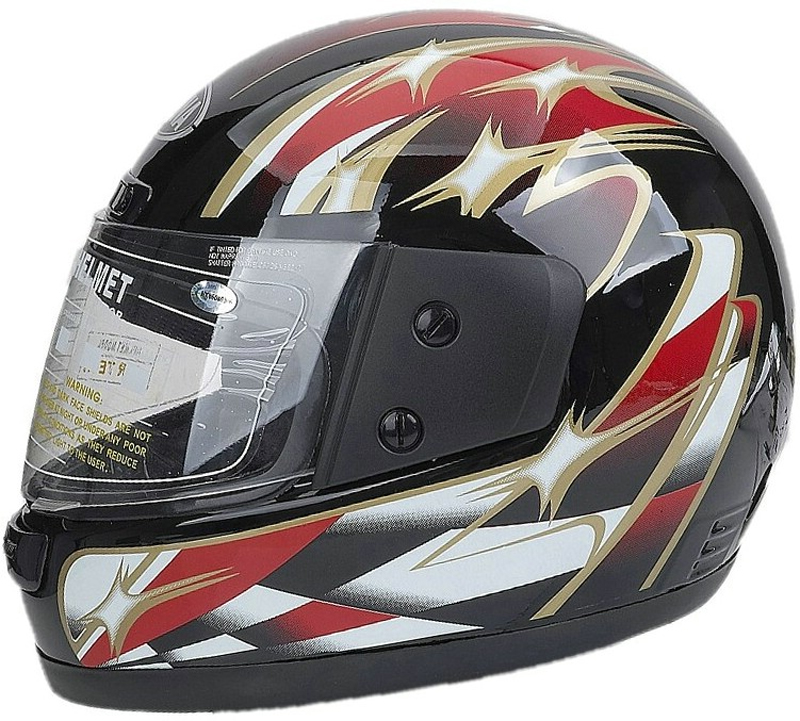
Motorcycle Helmets
Source premium motorcycle helmets from vetted manufacturers and wholesale suppliers across Asia. Built for importers, distributors, and safety gear brands seeking reliable OEM and private-label production, our network delivers DOT and ECE-compliant protective gear engineered for safety, comfort, and performance at scale.
Sourcing motorcycle helmets requires balancing rigorous global safety standards with unit economics and aesthetic appeal. Because a helmet is a critical piece of life-saving equipment, the margin for manufacturing error is zero. Buyers must navigate complex homologation requirements, shell material constraints, and multi-density EPS tooling, all while managing factory lead times and production consistency.
Shell Materials and Manufacturing Processes
The choice of outer shell material dictates the helmet's weight, impact distribution capabilities, target retail price, and the manufacturing process required at the factory level.
| Material | Manufacturing Process | Weight & Cost Profile | Typical Market Segment |
|---|---|---|---|
| ABS / Polycarbonate | Injection molding (high initial tooling cost, low unit cost) | Heavier, entry-level cost | Entry-to-mid tier, urban commuting |
| Fiberglass Composite | Hand lay-up or resin transfer molding (labor intensive) | Moderate weight, mid-tier cost | Mid-to-high tier touring and sport |
| Carbon Fiber | Pre-preg hand lay-up with autoclave curing | Ultra-lightweight, premium cost | High-end racing, premium sport |
When evaluating suppliers for injection-molded helmets, verify their mold maintenance schedules. Worn molds lead to flashing around vents and eye-ports, which increases manual post-processing time and compromises the structural integrity of the shell.
Need help vetting helmet manufacturers for specific material capabilities? We can match your technical requirements with verified factories.
Talk to our teamEPS Liner Engineering
The Expanded Polystyrene (EPS) liner is the primary energy-absorbing component. High-quality helmets utilize multi-density EPS to manage different impact velocities.
- Density Mapping: Factories must accurately mold EPS with varying densities (e.g., softer foam near the crown for low-speed impacts, harder foam at the sides for high-speed abrasion).
- Tooling: EPS tooling is expensive and highly specific to shell sizes. Ensure your supplier has the capability to produce distinct EPS molds for different shell sizes, rather than using one EPS mold and compensating with thicker comfort liners.
Certifications and Homologation
Regulatory compliance is the most significant hurdle in helmet sourcing. A helmet that fails homologation cannot be legally sold and poses severe liability risks.
Navigating ECE 22.06
The transition from ECE 22.05 to 22.06 introduced stricter testing, including rotational impact tests and high/low-speed linear impacts. Ensure your supplier's designs have been updated and validated for 22.06, as legacy 22.05 molds may no longer pass without significant EPS and shell modifications.
Primary standards include:
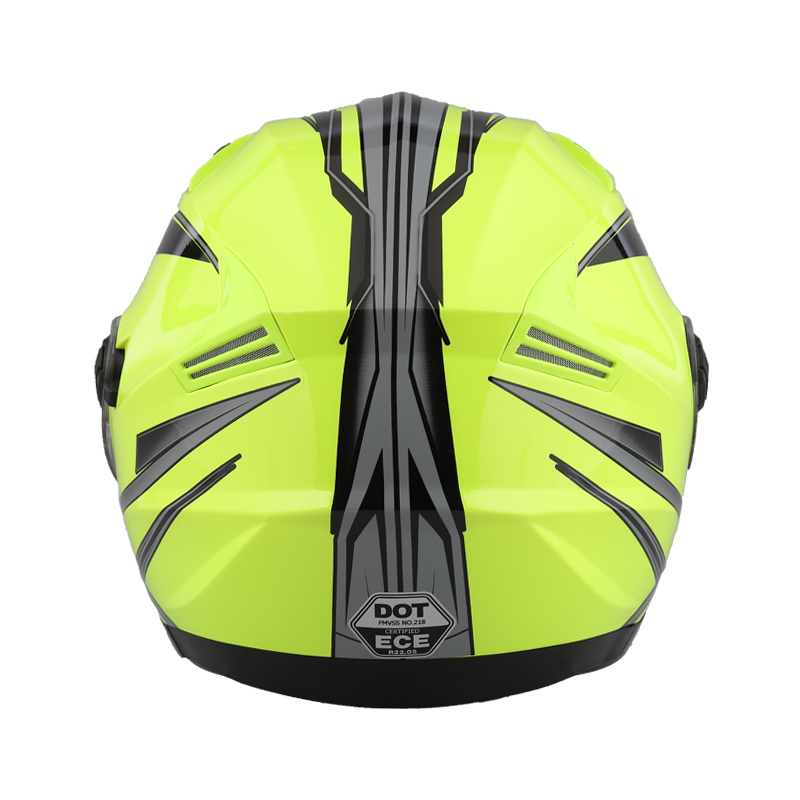
- DOT (FMVSS 218): Required for the US market. Relies on a self-certification model, making independent compliance testing essential before bulk shipment.
- ECE 22.06: Required for Europe and recognized globally. Requires independent batch testing.
- Snell (M2020): A voluntary, highly rigorous standard favored by the racing community and premium brands.
Factory-Level Quality Control
Because defect visibility is often hidden beneath the shell and liner, standard AQL inspections are insufficient. Rigorous quality control must be embedded into the assembly line.
Critical In-Line Inspection Points
- Resin ratio and curing temperatures for composite shells.
- EPS density verification (weighing individual EPS liners before assembly).
- Chinstrap rivet pull-strength testing (must meet DOT/ECE tension requirements).
- Visor optical clarity and anti-scratch/anti-fog coating adhesion.
- Decal application and clear-coat consistency to prevent peeling or yellowing.
Sourcing Mechanics: MOQs, Lead Times, and OEM Production
Helmet manufacturing is capital-intensive, particularly when developing custom shell designs. Most established suppliers are concentrated in China (specifically Guangdong and Zhejiang provinces) and Vietnam.
For brands utilizing OEM/ODM services, expect significant upfront investments in tooling. A single helmet model typically requires 2 to 3 shell sizes and corresponding EPS molds to cover the standard XS to XXL size range properly.
Managing helmet homologation, EPS tooling, and factory negotiations is complex. Let us streamline your supply chain and protect your investment.
Get a free consultationFrequently Asked Questions
Sourcing motorcycle helmets is an exercise in risk management and technical precision. By partnering with factories that prioritize in-line quality control and maintain up-to-date homologation records, you can build a reliable supply chain for high-performance protective gear.
Get Sourcing Help for Motorcycle Helmets
Tell us your requirements and our experts will connect you with verified manufacturers.