Motorcycle Fuel Systems
Source high-performance motorcycle fuel systems from vetted manufacturers and wholesale suppliers across Asia. Built for automotive importers, wholesale distributors, and aftermarket brands looking for reliable OEM and aftermarket production, our network delivers precision-engineered components at competitive bulk pricing.
Sourcing motorcycle fuel systems at scale requires navigating a complex intersection of fluid dynamics, material science, and precision machining. Whether you are importing replacement carburetors for legacy markets or developing proprietary electronic fuel injection (EFI) components for modern aftermarket brands, supplier selection dictates both performance and safety. A single flaw in a float valve, fuel pump, or injector nozzle can lead to catastrophic engine failure or fire hazards, making rigorous factory vetting non-negotiable.
Critical Manufacturing Specifications
The shift from traditional carburetion to electronic fuel injection has divided the manufacturing landscape. Legacy components require excellent die-casting and manual assembly precision, while modern EFI systems demand advanced CNC machining and clean-room electronic assembly. When evaluating a factory's capability, pay close attention to their material inputs and machining tolerances.
Modern fuel blends containing ethanol (E10, E85) are highly corrosive to standard rubbers and plastics. Suppliers must utilize advanced elastomers like FKM (Viton) or specialized NBR for O-rings, diaphragms, and fuel lines. For metal bodies, ADC12 aluminum alloy is standard for die-cast components, offering the necessary balance of weight, thermal conductivity, and structural integrity.
Need a supplier capable of strict machining tolerances and advanced material handling? We can match you with the right factory.
Talk to our team| Component Type | Key Manufacturing Focus | Critical Tolerances | Primary Material Challenges |
|---|---|---|---|
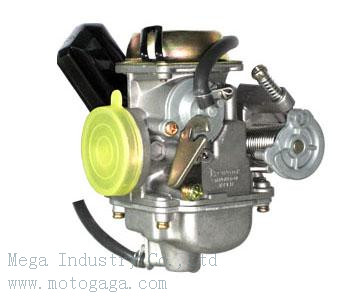
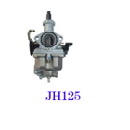
| Carburetors | Die-casting porosity, jet sizing | Micron-level on pilot jets | Zinc/Aluminum alloy purity |
| Fuel Pumps | Motor winding, impeller balance | Clearance between impeller and housing | Ethanol-resistant polymers |
| Fuel Injectors | Solenoid response time, nozzle drilling | Sub-micron on pintle/seat | Corrosion-resistant stainless steel |
Factory Floor Realities: Where Quality is Won or Lost
A supplier's true capability is proven in their testing protocols, not their sales brochures. High-tier manufacturers do not rely solely on end-of-line batch testing; they integrate testing throughout the assembly process. If you are importing under your own brand, conducting comprehensive factory audits is essential to verify these in-line systems exist.
Essential Factory Floor QC Checks
- Dry leak testing (pressure decay) on all cast bodies to detect micro-porosity.
- Flow bench calibration for every fuel injector to verify spray pattern and volume.
- Material spectrometry on incoming rubber batches to confirm ethanol resistance.
- End-of-line functional testing for fuel pump pressure and flow rates under load.
Catching defects before they leave the factory saves immense capital and protects your brand reputation. Implementing strict quality control measures, including pre-shipment inspections that mandate functional flow testing, is a mandatory step for serious volume buyers.
OEM/ODM Customization and Tooling
If you are developing proprietary fuel system upgrades or private-labeling performance parts, tooling ownership and IP protection are major considerations. Developing a custom carburetor body or proprietary fuel rail requires new die-casting molds or CNC programming.
When engaging in OEM/ODM services, clarify mold lifespans (typically guaranteed for 50,000 to 100,000 shots for aluminum die-casting) and ensure that maintenance costs are built into the supplier agreement.
Wholesale Pricing, Lead Times, and MOQs
Pricing in this category is heavily dependent on raw material costs (aluminum, copper for pump motors) and the complexity of the assembly. The manufacturing hubs for these components are concentrated in China's Zhejiang province (specifically Wenzhou and Ruian) for pumps and EFI components, and Chongqing for traditional carburetors and complete engine assemblies.
Looking to negotiate better terms or lower tooling costs for your custom fuel systems? Let our sourcing experts handle the negotiations.
Get a free consultationFrequently Asked Questions
Successfully sourcing motorcycle fuel systems at scale means moving past surface-level supplier claims and digging into their engineering tolerances, material science, and testing rigor. Partnering with a team that understands the technical nuances of automotive manufacturing ensures your supply chain remains resilient, safe, and highly profitable.
Get Sourcing Help for Motorcycle Fuel Systems
Tell us your requirements and our experts will connect you with verified manufacturers.