Motorcycle Fairings
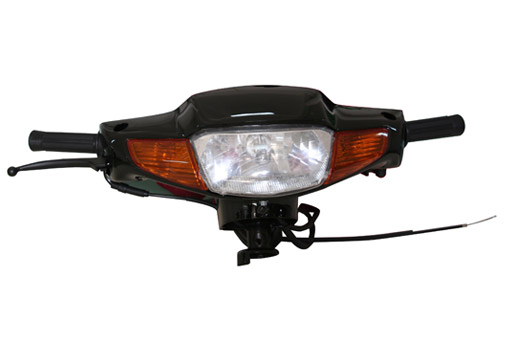
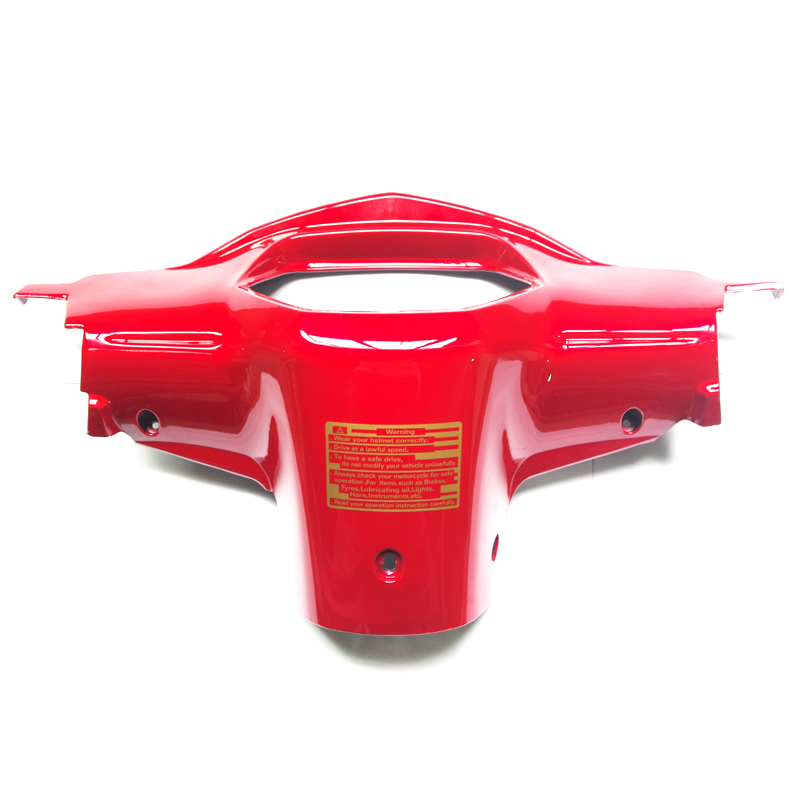
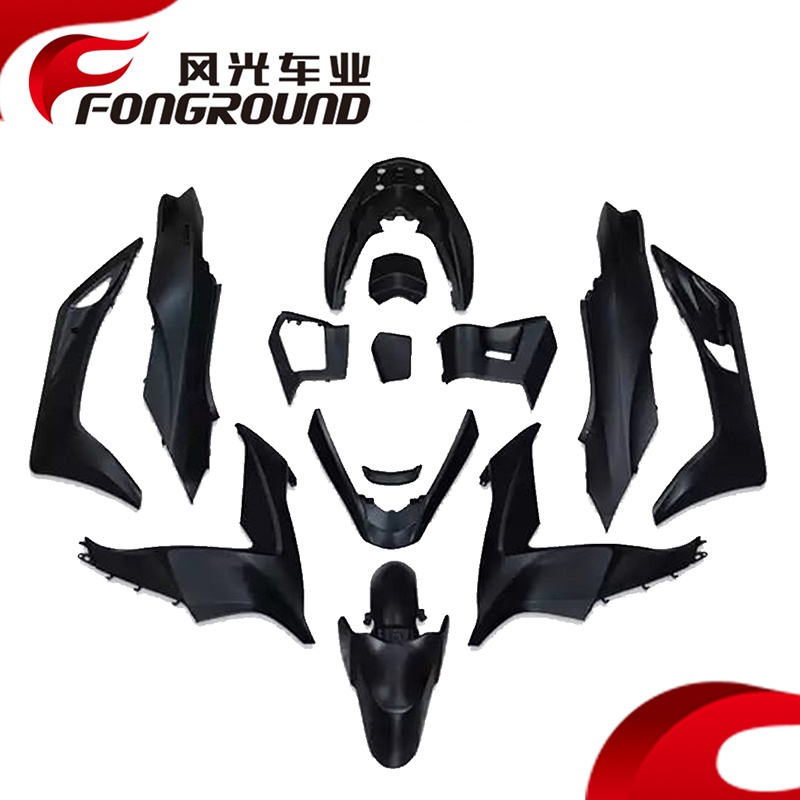
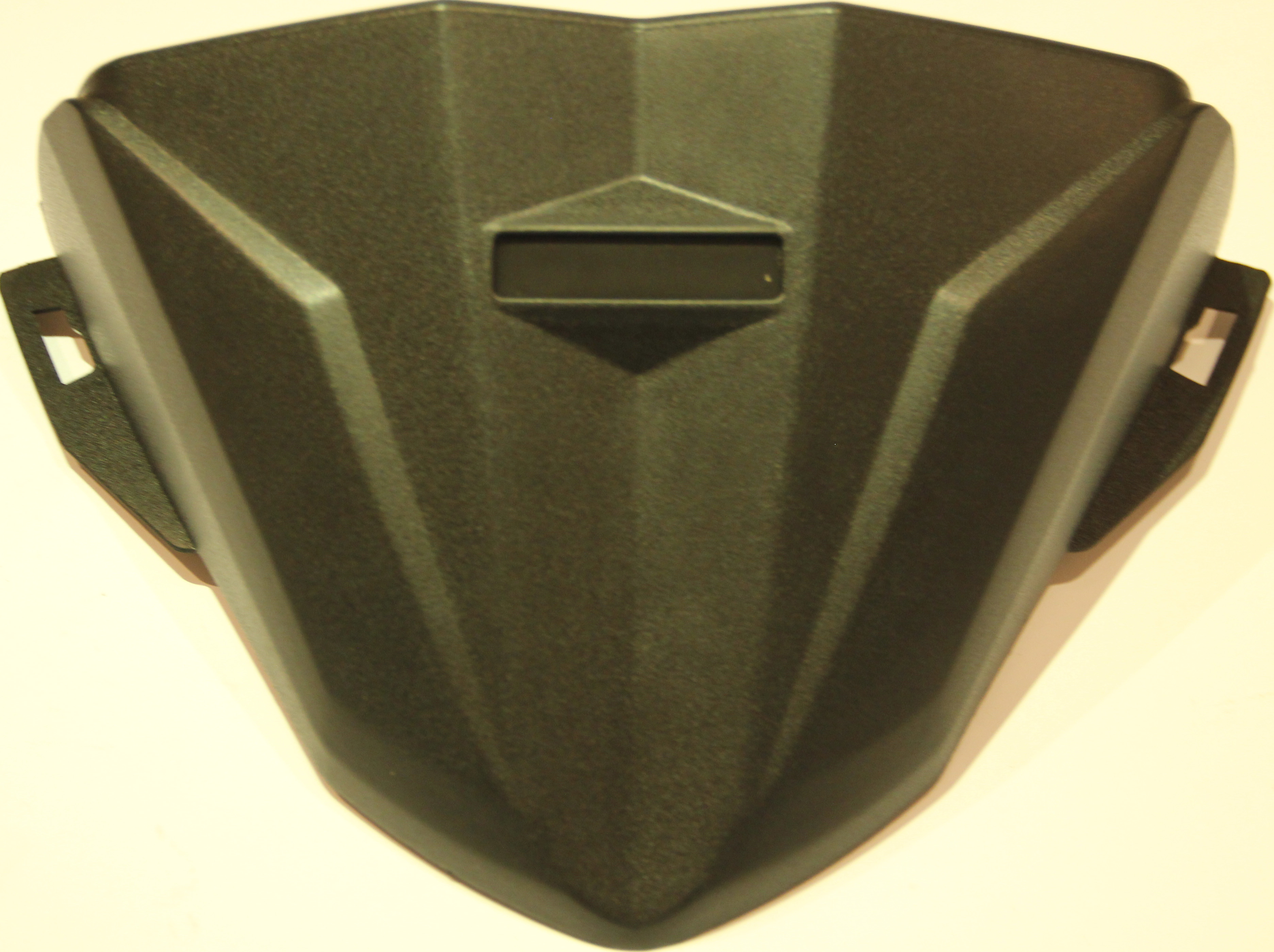
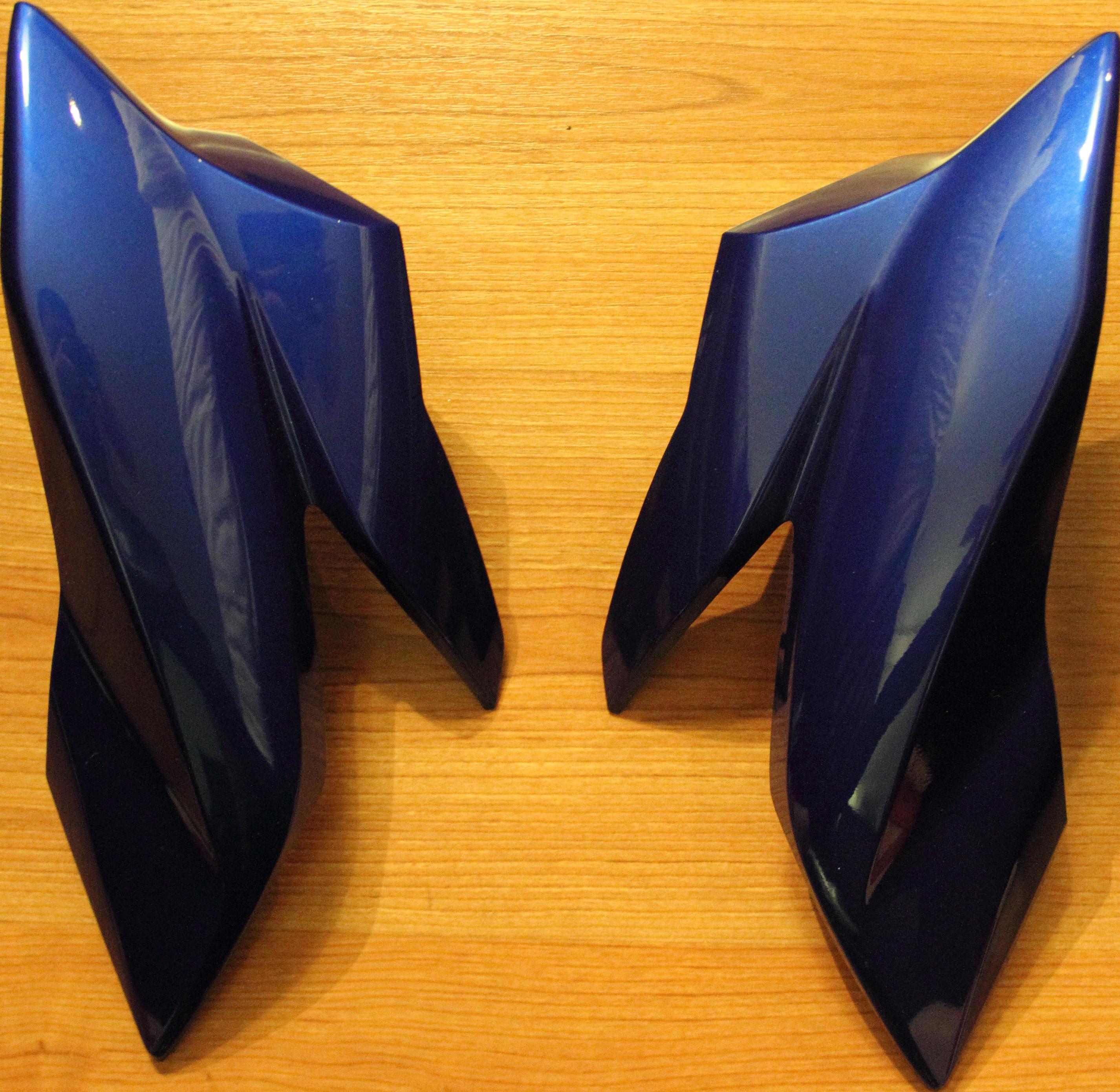
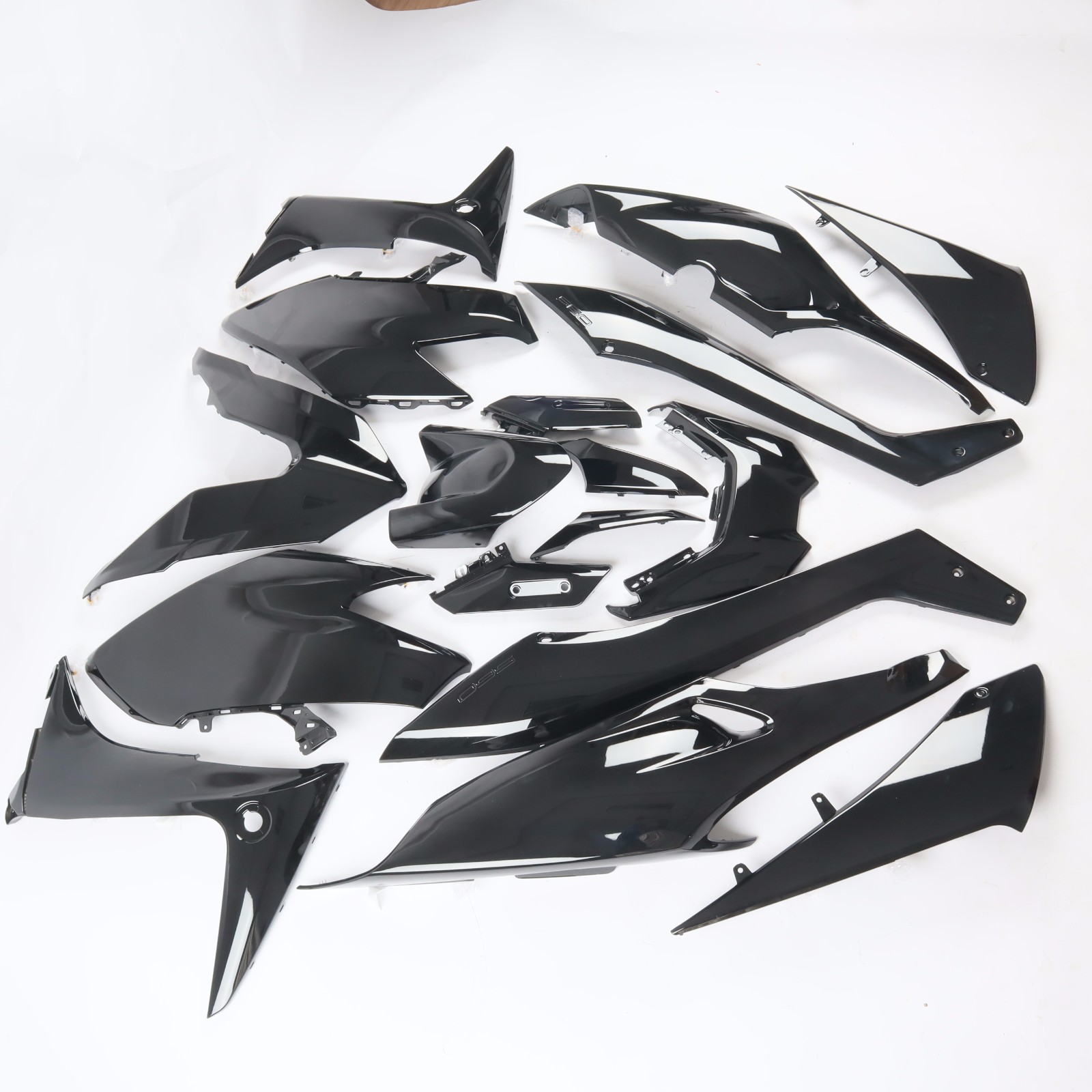
Source high-quality motorcycle fairings from vetted suppliers and manufacturers across Asia. Designed for importers, aftermarket distributors, and brands seeking reliable OEM production, this catalog connects you with factory-direct partners capable of delivering bulk ABS, fiberglass, and carbon fiber bodywork to exact specifications.
Sourcing motorcycle fairings in bulk requires strict attention to mold precision, material grade, and surface finishing. A minor deviation in mounting tab alignment or a subpar clear coat can render an entire production run unsellable. For aftermarket brands and distributors, securing a reliable supply chain means partnering with factories that possess the right tooling infrastructure and rigorous in-house quality management.
Manufacturing Processes: Injection vs. Compression Molding
The majority of aftermarket street fairings are manufactured from ABS (Acrylonitrile Butadiene Styrene) plastic. However, the manufacturing method dictates the final fitment quality and unit cost. B2B buyers must specify the molding process when negotiating with factories, as this is the primary driver of both price and end-user satisfaction.
| Molding Method | Injection Molding | Compression Molding |
|---|---|---|
| Process | Molten ABS injected into a precise steel mold under high pressure. | Pre-heated plastic pressed into a mold. |
| Fitment Accuracy | Excellent (OEM equivalent, 99% direct fit). | Variable (often requires drilling or modification). |
| Mounting Tabs | Molded seamlessly as one piece with the fairing. | Often glued on post-production (prone to breaking). |
| Tooling Cost | High (requires expensive CNC-machined steel molds). | Low (cheaper molds, lower barrier to entry). |
When sourcing premium aftermarket kits, injection molding is mandatory. Compression molding is typically only acceptable for extreme budget markets or very old motorcycle models where injection molds were never developed.
Need help verifying a factory's injection molding capabilities and mold ownership?
Discuss your sourcing requirementsMaterial Specifications and Upgrades
Beyond standard ABS, specialized markets require different material compositions. When developing a product line, ensure your supplier can source and process the correct raw materials:
- Virgin ABS vs. Recycled ABS: Always specify 100% virgin ABS. Recycled ABS is brittle, prone to cracking under vibration, and reacts poorly to automotive-grade paint.
- Fiberglass (FRP): The standard for track and race fairings. Fiberglass is lighter, easier to repair after a crash, and does not require complex injection molds, making it ideal for low-volume custom runs.
- Carbon Fiber: Requires specialized autoclave or vacuum infusion processes. Ensure the factory applies a high-quality UV-resistant clear coat, as raw epoxy resin will yellow quickly when exposed to sunlight.
Quality Control Defect Prevention
Fairing production involves heavy manual labor during the painting and finishing stages. Dust in the clear coat, overspray, and misaligned decals are common issues. Implementing strict Quality Control & Inspection protocols before the container is loaded is critical.
Pre-Shipment Inspection Focus Areas for Fairings
- Mounting Tab Integrity: Stress-test tabs to ensure they are solid and not brittle.
- Paint and Clear Coat: Check for orange peel, dust inclusions, and ensure a minimum of 3 layers of clear coat.
- Decal Alignment: Verify that graphics align perfectly across adjoining panels (e.g., side fairing to belly pan).
- Heat Shielding: Ensure pre-cut thermal foil is applied to lower fairings near the exhaust to prevent melting.
- Packaging: Confirm multi-layer protection (foam wrap, bubble wrap, and rigid carton) to prevent transit damage.
Customization and OEM/ODM Capabilities
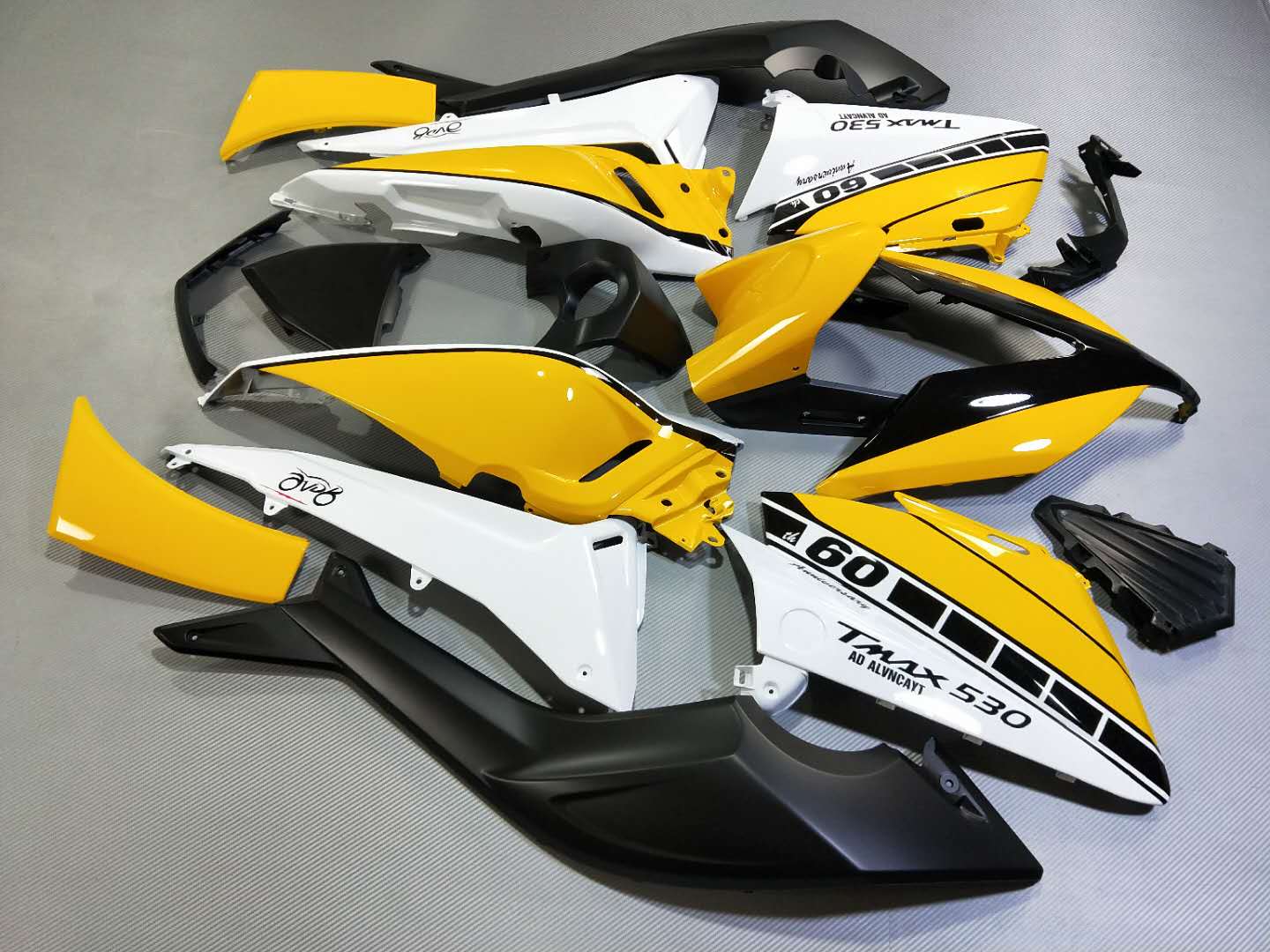
Many importers build their brand by offering unique liveries or custom designs. Factories offering OEM/ODM Services can handle custom paint schemes, bespoke decal printing, and even the development of custom molds for new motorcycle models.
However, custom paint requires exact Pantone color matching and UV testing to ensure the colors do not fade. When vetting suppliers, it is highly recommended to conduct Factory Audits to verify their in-house painting facilities, dust-free spray booths, and drying ovens. Facilities that outsource their painting often suffer from inconsistent quality and delayed lead times.
Pricing Structures, MOQs, and Lead Times
Fairing costs are heavily influenced by the complexity of the paint scheme, the number of pieces in the kit, and the molding method.
Tooling for a new motorcycle model (creating a new steel injection mold) can take 45 to 60 days and requires a significant upfront investment. Buyers usually only undertake this for highly anticipated new motorcycle releases where they can capture first-to-market advantage.
Looking to negotiate tooling costs or consolidate orders from multiple fairing manufacturers?
Talk to our teamFrequently Asked Questions
Successful procurement in the motorcycle bodywork sector comes down to validating the factory's infrastructure before placing an order. A supplier with true injection molding capabilities and a dedicated, dust-free paint facility will consistently outperform a cheaper assembler relying on compression molds and outsourced finishing. Focus on structural integrity and surface finish to protect your brand's reputation in the aftermarket.
Get Sourcing Help for Motorcycle Fairings
Tell us your requirements and our experts will connect you with verified manufacturers.