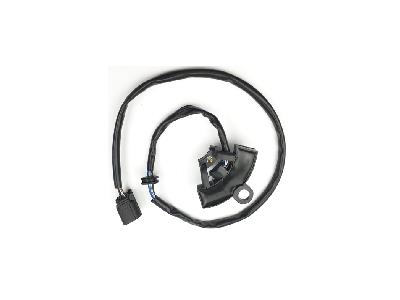
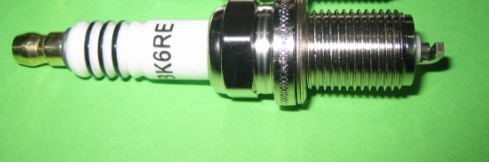
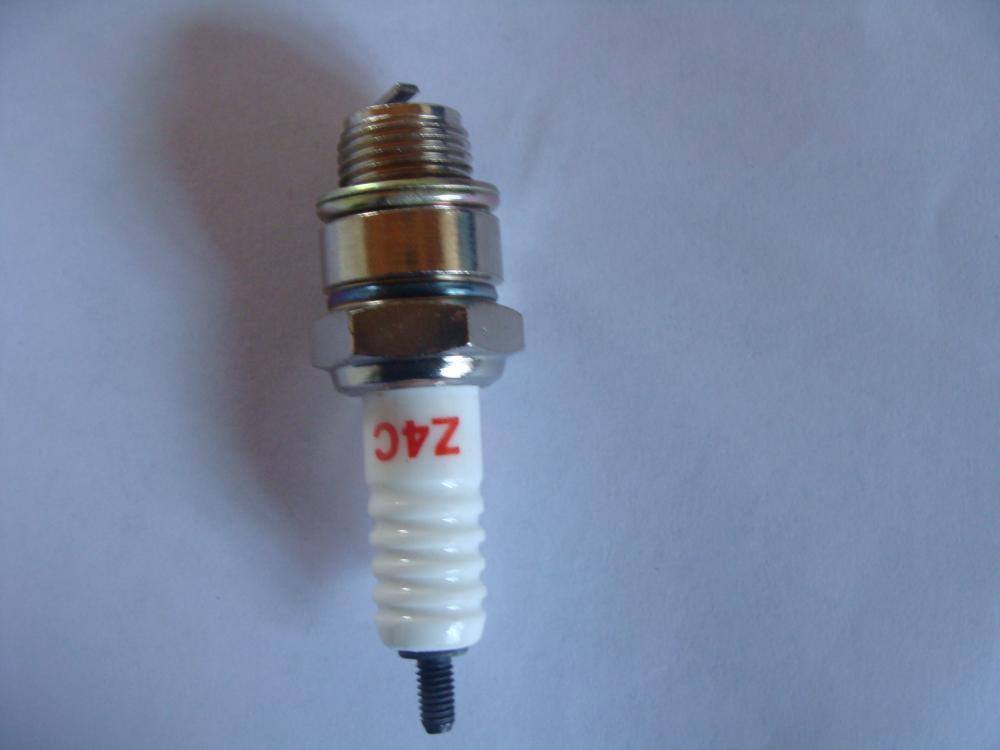
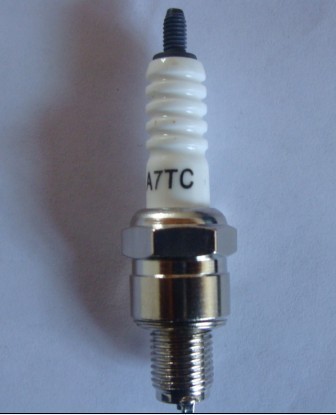
Motorcycle Electrical & Ignition Systems
Source high-performance motorcycle electrical and ignition systems from vetted manufacturers and suppliers. Designed for importers, wholesalers, distributors, and brands seeking reliable OEM and private-label production. Secure competitive wholesale pricing and consistent quality for bulk orders directly from Asia.
Motorcycle electrical and ignition systems are critical components where failure is not an option. Sourcing these parts in bulk requires navigating a complex manufacturing landscape where surface-level appearances often mask substandard internal materials. The primary sourcing challenge lies in ensuring consistent performance under extreme engine vibration, intense thermal stress, and unpredictable voltage fluctuations.
Key Specifications for Ignition and Electrical Components
When evaluating a factory's capabilities, their Bill of Materials (BOM) tells the real story. For components like stators, ignition coils, and voltage regulators, the purity of the copper winding, the grade of the heat sink, and the insulation class dictate the product's lifespan.
| Component Factor | Standard Aftermarket | Premium / OEM Grade |
|---|---|---|
| Copper Winding | Recycled or mixed alloy | 99.9% Oxygen-free copper |
| Potting Compound | Basic silicone | High-temp epoxy resin |
| Heat Sinks (Regulators) | Die-cast zinc alloy | Extruded aluminum (6061) |
| Insulation Class | Class B (130°C) | Class H (180°C) or higher |
Specifying exact material grades in your purchasing contract is essential to prevent "quality fade," where a supplier quietly substitutes cheaper materials after the initial sample is approved.
Need to verify a factory's true production capabilities before placing a bulk order?
Talk to our teamManufacturing Vulnerabilities and Quality Control
Electrical components are highly susceptible to hidden manufacturing defects. A poorly applied potting compound in a CDI (Capacitor Discharge Ignition) unit, for example, will inevitably lead to micro-fractures and moisture ingress under high-RPM vibration. Implementing strict Quality Control & Inspection during the assembly process is far more effective than relying solely on end-of-line testing.
Critical Factory Testing Protocols
- Dielectric Withstand Testing (Hi-Pot) to verify insulation integrity under high voltage.
- Thermal Cycling Tests (ranging from -40°C to 125°C) to simulate engine bay conditions.
- Vibration Testing on multi-axis shaker tables to ensure solder joint durability.
- Load Testing for rectifiers to confirm heat dissipation under maximum continuous current.
If you are developing custom performance parts, utilizing professional OEM/ODM Services ensures that the factory has the engineering capability to map custom ignition curves and design robust PCB layouts, rather than just assembling off-the-shelf components.
Compliance and Market Standards
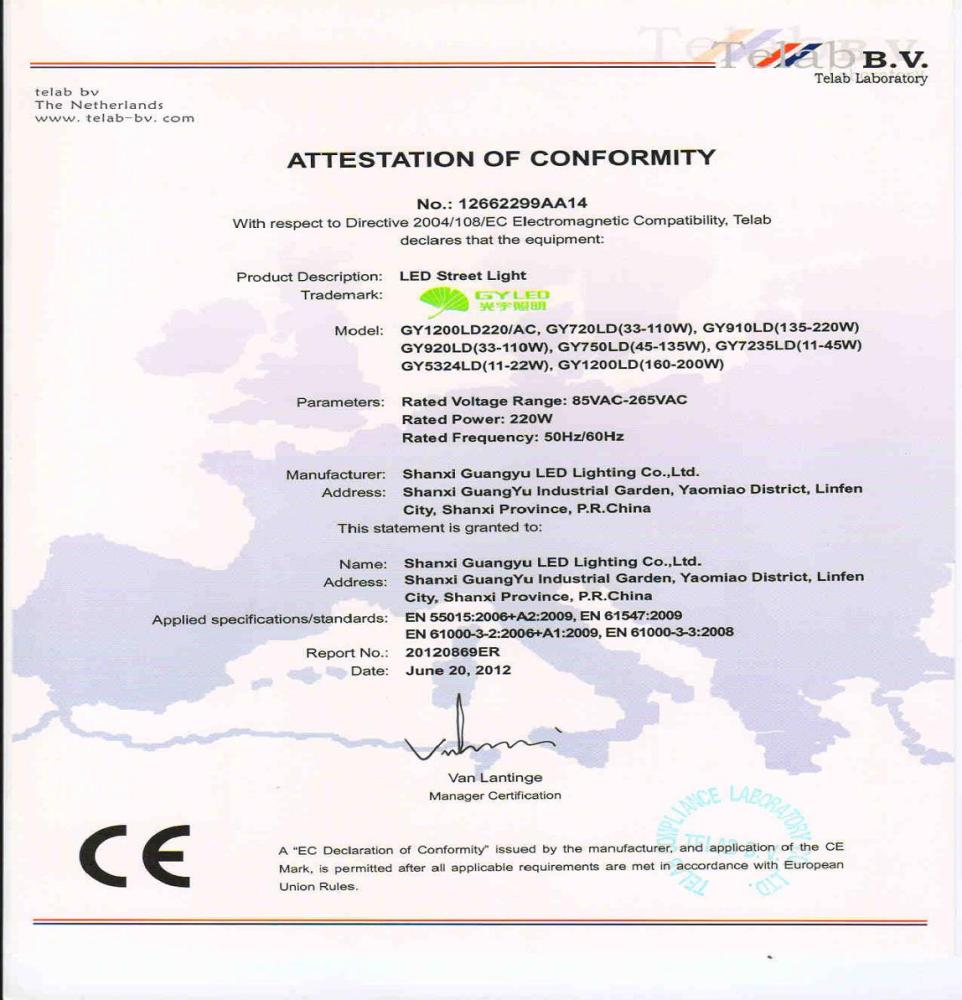
Importing vehicle electrical parts requires adherence to regional safety and electromagnetic compatibility (EMC) standards. In the EU, components must comply with E-mark regulations, while the US market may require specific DOT or EPA-related compliance depending on the part's function. Partnering with a supplier who understands these requirements is vital, but independent Compliance & Testing is often necessary to guarantee your shipment will clear customs and meet local liability laws.
Wholesale Pricing, MOQs, and Lead Times
Pricing for electrical and ignition systems is heavily tied to global copper and aluminum commodity markets. When negotiating, be wary of prices that sit significantly below the market average; this almost always indicates compromised internal materials.
Lead times can stretch to 60 days during peak manufacturing seasons or if custom tooling is required for specialized stator cores or regulator housings.
Streamline your supply chain and secure reliable pricing for high-volume electrical components.
Get a free consultationFrequently Asked Questions
Sourcing reliable motorcycle electrical and ignition systems requires a rigorous approach to supplier selection and material verification. The upfront cost of thorough vetting and strict quality control is negligible compared to the brand damage and financial loss caused by widespread component failure in the field.
Get Sourcing Help for Motorcycle Electrical & Ignition Systems
Tell us your requirements and our experts will connect you with verified manufacturers.