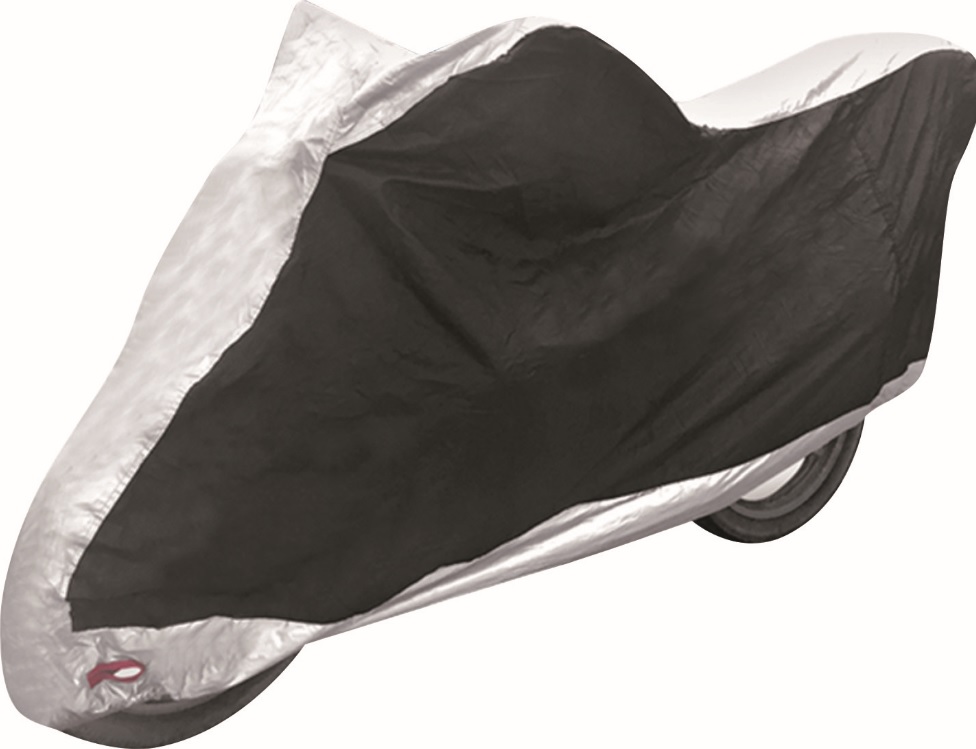
Motorcycle Cover
Source premium wholesale motorcycle covers from vetted manufacturers and suppliers across Asia. Designed for importers, distributors, and brands seeking reliable OEM and private-label production, our network delivers bulk orders with strict quality control.
Sourcing motorcycle covers at scale is an exercise in material science and factory consistency. While the product appears simple, ensuring that thousands of units deliver genuine UV protection, waterproofing, and heat resistance requires rigorous specification. For volume buyers, the priority is locking down the right fabric density, coating chemistry, and construction techniques before production begins.
Material Specifications and Fabric Selection
The core cost driver and performance indicator of a motorcycle cover is its base material and subsequent chemical coatings. Buyers must specify both the fabric weight (measured in Denier or Thread Count) and the coating type to match the intended market tier.
- Polyester (190T to 210D): Lightweight and highly packable. Ideal for indoor dust covers or light outdoor use. Often treated with a basic PU (Polyurethane) coating.
- Heavy-Duty Oxford Cloth (300D to 600D): The industry standard for premium all-weather outdoor covers. Offers superior tear resistance and accommodates heavier waterproof coatings.
- Coatings: A silver coating is commonly applied to the exterior for UV reflection, while the interior receives a PU or PVC coating for waterproofing. PU is preferred for high-end covers as it remains flexible in cold weather, whereas cheap PVC can crack under freezing conditions.
| Fabric Tier | Typical Material | Coating | Best Application |
|---|---|---|---|
| Economy | 190T Polyester / PEVA | Light PU / None | Indoor / Temporary |
| Standard | 210D - 300D Oxford | PU + Silver UV | Everyday Outdoor |
| Premium | 600D Oxford | Heavy PU + Tape | Harsh Weather / Winter |
Struggling with inconsistent fabric quality or fading across shipments? Let us help you lock in reliable material suppliers.
Talk to our teamManufacturing Vulnerabilities and Quality Control
Where manufacturing fails is rarely the main fabric panel; it is almost always in the seams, the exhaust contact zones, or the fastening hardware.
When a cover is stitched together, the needle punches thousands of holes into the waterproof fabric. To prevent leaking, factories must apply heat-sealed PU tape along every internal seam. Substandard factories often rush this process, running the taping machines too fast or at the wrong temperature, leading to delamination after a few weeks of use. Executing rigorous Quality Control & Inspection during the inline production phase is critical to catch seam-taping failures before the covers are packaged.
Additionally, motorcycle exhausts remain dangerously hot long after the engine is turned off. A standard polyester cover will melt instantly upon contact. Premium covers require heat-resistant panels (often woven cotton or specialized synthetics capable of withstanding up to 150 degrees Celsius) sewn into the lower rear sections.
Critical Factory-Level QC Checks
- Hydrostatic pressure testing (specify a minimum of 2000mm for outdoor claims).
- Seam tape adhesion testing to prevent delamination under tension.
- Heat resistance verification for internal exhaust contact zones.
- Colorfastness to light testing (ISO 105-B02 standard) to prevent rapid UV fading.
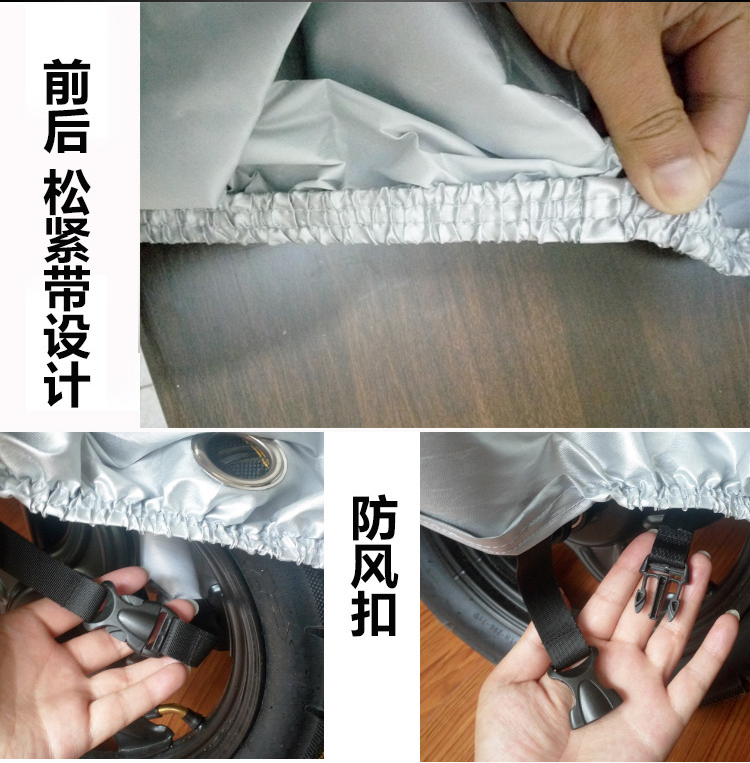
- Tensile strength testing on tie-down straps and windproof buckles.
Before committing to a large run, conducting comprehensive Factory Audits ensures the facility actually owns and maintains the specialized seam-sealing and fabric-testing machinery, rather than outsourcing these critical steps to unverified sub-tier workshops.
Sourcing Mechanics: MOQs, Pricing, and Lead Times
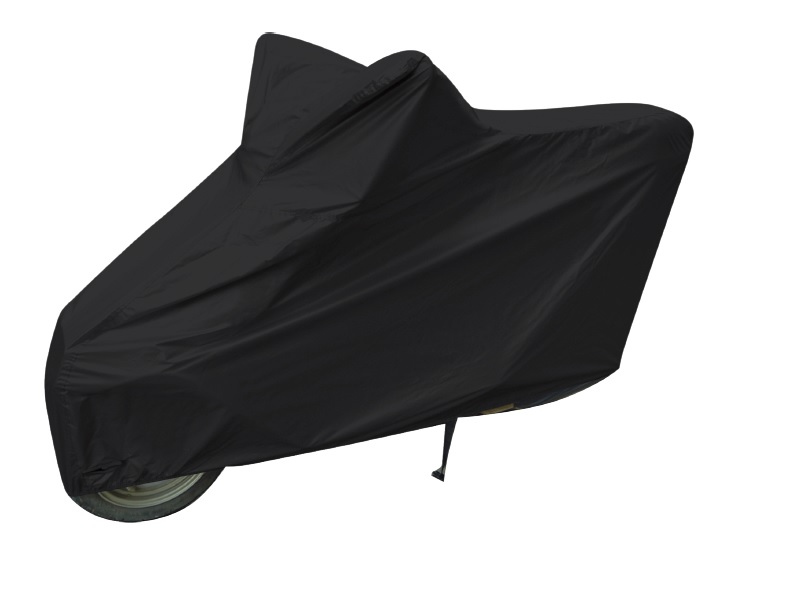
When purchasing wholesale motorcycle covers, pricing is highly sensitive to raw material costs and customization requirements. Standard off-the-shelf designs in basic black or silver carry lower minimums, but brands requiring tailored fits for specific bike geometries (like touring motorcycles with large top boxes) will need to engage OEM/ODM Services for custom pattern grading.
Packaging also heavily influences the final FOB price. Simple polybags with insert cards are cost-effective and maximize shipping container density. However, retail-ready color boxes or customized fabric carry-bags (made from the same material as the cover) will increase both the unit cost and the volumetric weight of the shipment.
Need to negotiate better MOQs or develop a custom cover pattern? We manage the entire factory negotiation and prototyping process.
Get a free consultationFrequently Asked Questions
Success in sourcing motorcycle covers relies entirely on strict material specifications and holding factories accountable to those standards during production. By defining exact denier weights, coating chemistries, and seam-sealing protocols upfront, you protect your margins and your brand's reputation from the costs of premature product failure.
Get Sourcing Help for Motorcycle Cover
Tell us your requirements and our experts will connect you with verified manufacturers.