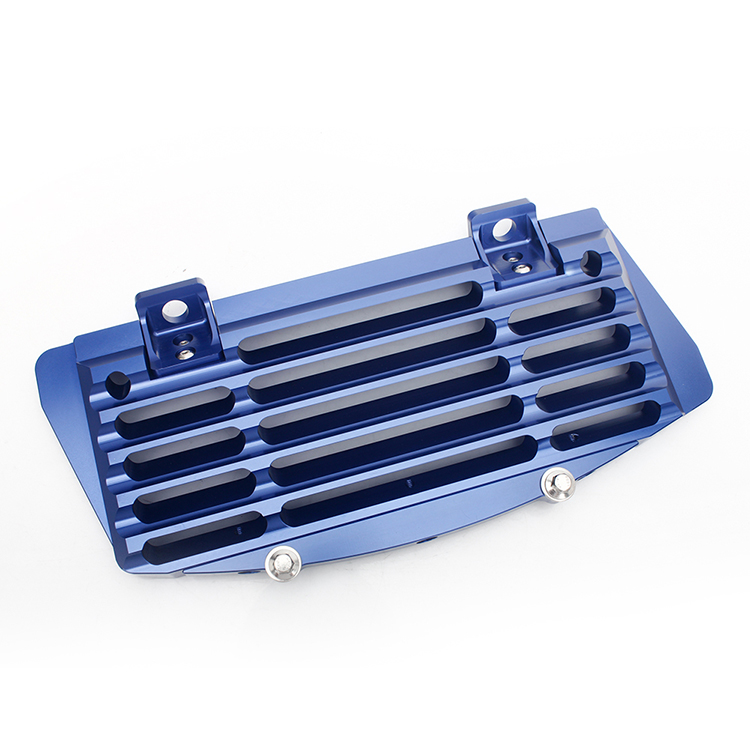
Motorcycle Cooling Systems
Source high-performance motorcycle cooling systems directly from vetted manufacturers and wholesale suppliers. Designed for importers, distributors, and brands seeking reliable OEM and aftermarket production, our factory network delivers bulk volume with strict quality control.
Sourcing motorcycle cooling systems in volume requires balancing thermal efficiency with structural durability under high-vibration conditions. Whether you are procuring standard aftermarket replacements or developing custom high-capacity radiators for performance applications, success depends on partnering with factories that master advanced manufacturing techniques like controlled atmosphere brazing and rigorous pressure-testing protocols.
Core Specifications for Motorcycle Cooling Components
The difference between a reliable cooling system and a warranty liability usually comes down to material selection and core construction. When negotiating with manufacturers, you must specify exact parameters rather than relying on generic "high quality" claims.
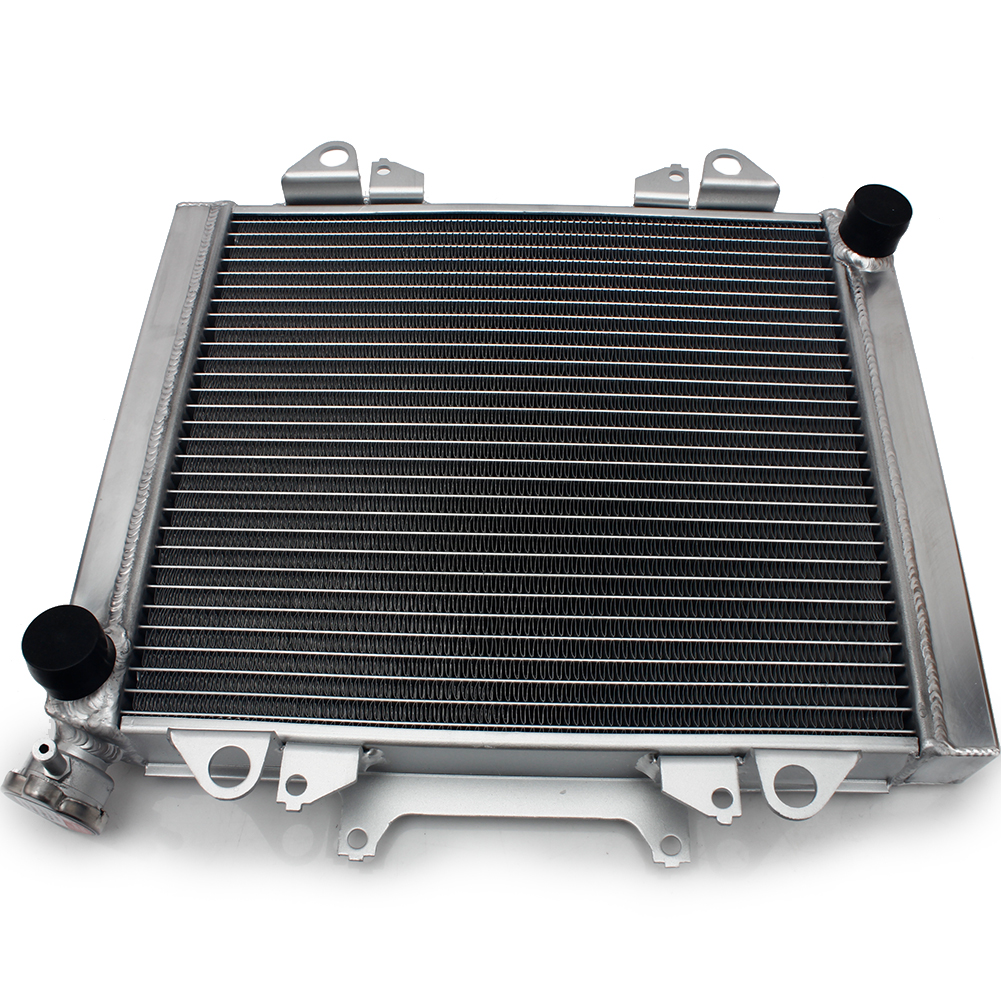
For radiators and oil coolers, the aluminum alloy dictates both heat transfer rates and corrosion resistance. Standard OEM replacements typically utilize 3003 aluminum for the core tubes and fins due to its excellent formability and thermal conductivity, while end tanks are often stamped from 5052 aluminum or injected molded using PA66-GF30 (nylon with 30 percent glass fiber) for standard street applications. Fully welded performance units generally rely on 6061 aluminum for the tanks and brackets.
| Specification | Standard Aftermarket | High-Performance / Racing |
|---|---|---|
| Core Material | 3003 Aluminum / PA66-GF30 Tanks | Full 6061/3003 Aluminum Construction |
| Core Thickness | 16mm to 26mm | 32mm to 40mm+ (Dual/Triple Core) |
| Fin Density (FPI) | 14 to 16 Fins Per Inch | 18 to 22 Fins Per Inch (Louvered) |
| Manufacturing Process | Mechanical Assembly or Standard Brazing | Controlled Atmosphere Brazing (CAB) + TIG Welding |
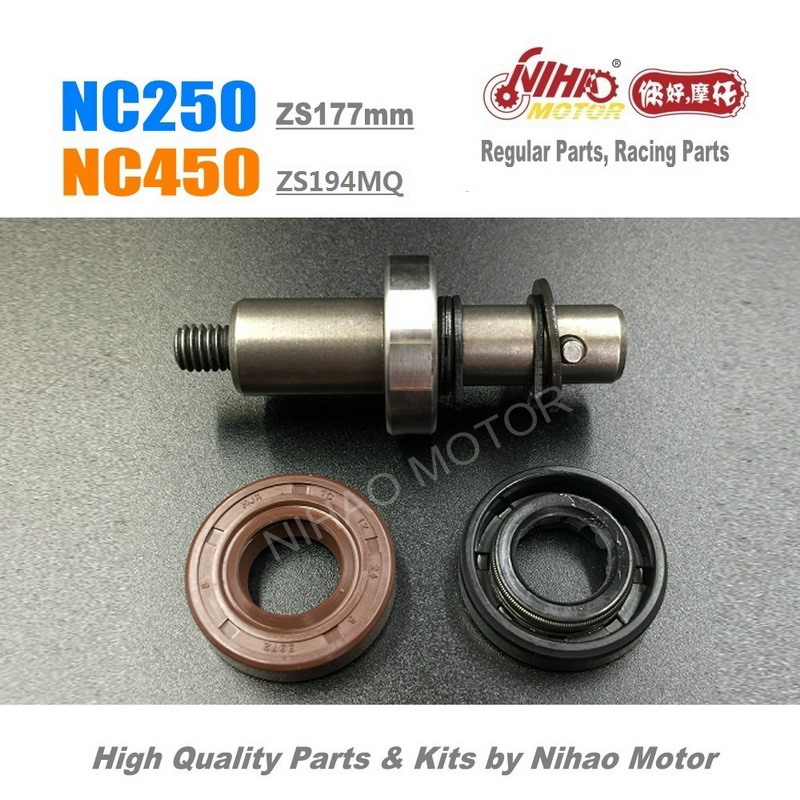
Beyond the core, water pumps and cooling fans require specific attention to motor longevity. Specify brushless DC motors for cooling fans to ensure long-term durability, and require ceramic mechanical seals in water pumps to prevent coolant leaks under high RPMs.
Need help identifying factories with the right technical capabilities? We vet manufacturers based on their engineering standards and production equipment.
Talk to our teamManufacturing Quality and Defect Prevention
Motorcycle cooling systems are subjected to extreme thermal cycling, road debris, and engine vibration. A visually flawless radiator can still fail within weeks if the internal brazing is inconsistent or if the mounting brackets lack proper stress relief.
Verifying a supplier's capability requires looking past the showroom and onto the factory floor. Proper factory audits should confirm that the supplier uses nitrogen-protected brazing furnaces to prevent oxidation during the bonding of tubes and fins.
Critical Quality Control Checks for Cooling Systems
- 100 percent Helium or underwater air-pressure testing on all completed radiators (typically tested at 1.5 to 2.0 bar).
- Burst pressure testing on sample batches to ensure structural integrity exceeds maximum system operating pressure.
- Thermal shock testing (rapid cycling from cold to hot coolant) to verify joint durability.
- Vibration testing on mounting points to simulate engine and road frequencies.
- Dimensional inspection of mounting brackets and hose inlet/outlet diameters (tolerance within +/- 0.5mm).
Implementing strict quality control and inspection before shipment is non-negotiable. Catching a batch of radiators with poor TIG welds or improperly cured plastic end tanks at the factory saves you from catastrophic field failures.
Typical MOQs, Tooling, and Lead Times
Understanding the commercial realities of cooling system manufacturing helps you plan your procurement cycles and budget for custom tooling.
- Standard Aftermarket Radiators: For existing tooling (common models like standard 250cc-600cc street bikes), MOQs typically range from 100 to 300 units per model.
- Custom / Performance Radiators: If you are utilizing OEM/ODM services to develop oversized radiators or custom shapes for new motorcycle platforms, expect tooling costs for stamping dies and welding jigs. Tooling can range from $1,500 to $4,000 depending on complexity. MOQs for custom runs usually start at 300 to 500 units.
- Cooling Fans and Hoses: Silicone radiator hose kits (usually 3-ply or 4-ply reinforced) have lower barriers to entry, with MOQs around 50 to 100 sets per color/model. Electric cooling fans generally require orders of 500+ units.
Lead times for standard production runs average 30 to 45 days. If new tooling is required, add an additional 25 to 40 days for mold creation, sample production, and approval before mass production begins.
Looking to consolidate your cooling system supply chain? Let us negotiate MOQs, manage tooling contracts, and oversee production schedules.
Get a free consultationSourcing reliable motorcycle cooling systems means looking past the surface finish and verifying the underlying thermal engineering and manufacturing processes. By defining strict material specifications and enforcing rigorous pre-shipment pressure testing, you can build a highly profitable, defect-free supply chain.
Get Sourcing Help for Motorcycle Cooling Systems
Tell us your requirements and our experts will connect you with verified manufacturers.