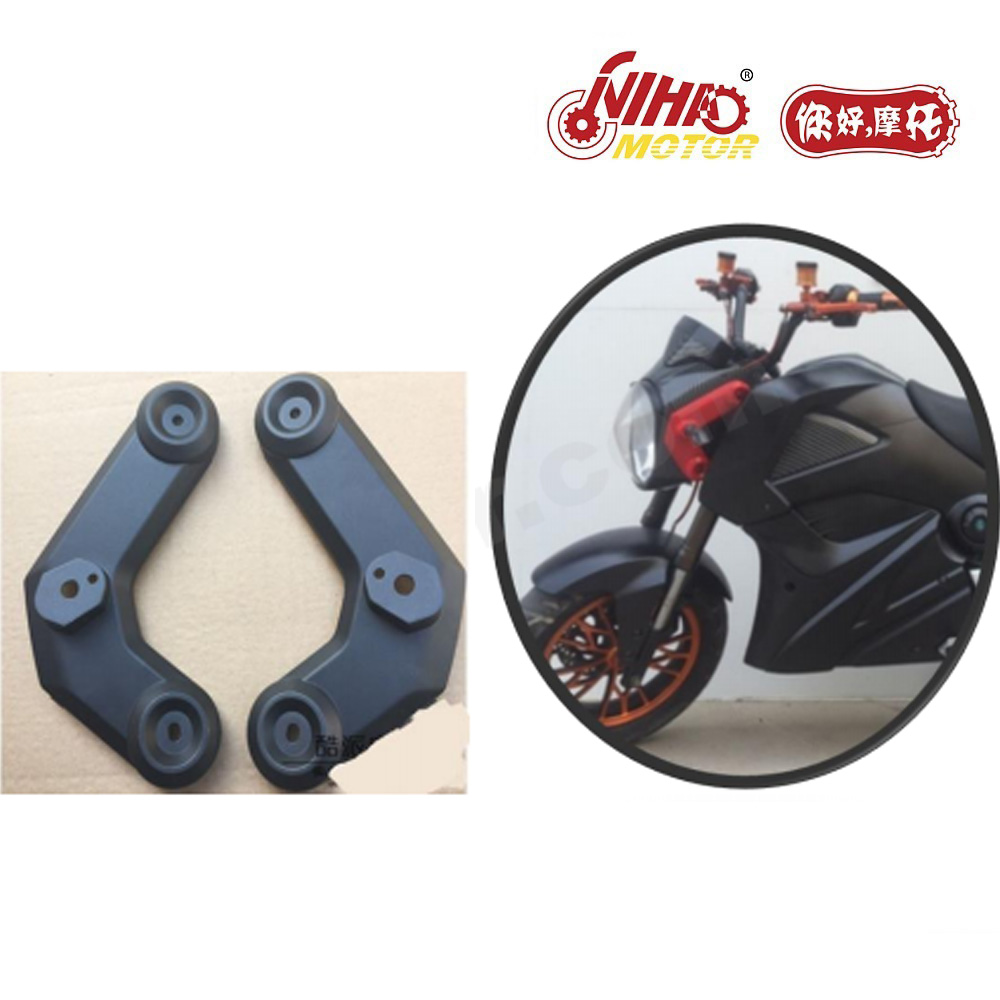
Motorcycle Chrome Trim
Source high-quality Motorcycle Chrome Trim directly from vetted manufacturers and suppliers. Designed for importers, wholesale distributors, and brands requiring reliable OEM and private-label production, our network delivers precision-engineered chrome accents built to withstand harsh road conditions.
Sourcing motorcycle chrome trim at scale requires navigating a complex intersection of metallurgy, surface finishing, and precise fitment. Whether you are developing custom aftermarket accents or stocking replacement parts, the primary challenge lies in securing consistent plating quality that resists pitting, peeling, and corrosion over years of exposure to weather and road debris.
Base Materials and Plating Specifications
The foundation of any chrome trim dictates its manufacturing process, tooling requirements, and ultimate longevity. Chrome is not a standalone material; it is a microscopic top layer applied over a substrate. Specifying the correct base material and plating stack is critical for your target market segment.
| Base Material | Typical Applications | Tooling Investment | Weight & Feel |
|---|---|---|---|
| Injection-Molded ABS | Fender tips, fairing accents, light bezels | Moderate | Lightweight, cost-effective |
| Die-Cast Zinc Alloy | Premium badges, heavy-duty covers | High | Heavy, premium solid feel |
| Stamped Steel | Exhaust heat shields, structural guards | Very High | Maximum rigidity |
For high-quality motorcycle trim, the industry standard is a multi-layer Copper-Nickel-Chrome (Cu-Ni-Cr) electroplating process. The copper layer levels the substrate, the nickel provides corrosion resistance and depth, and the final chromium layer (typically under 1 micron thick) delivers the hard, mirror-like finish. When sourcing, you must specify the thickness of the nickel layer, as this is the primary defense against rust.
Struggling with inconsistent plating quality from your current suppliers? Let us help you establish rigorous production standards.
Talk to our teamQuality Control in Electroplating
Electroplating is highly susceptible to environmental variables on the factory floor. Contaminated plating baths, improper voltage, or inadequate substrate cleaning will lead to catastrophic batch failures. Because visual inspection alone cannot predict long-term durability, implementing rigorous Quality Control & Inspection protocols at the factory level is non-negotiable.
Essential Chrome Trim Testing Protocols
- CASS Testing (Copper Accelerated Acetic Acid Salt Spray): Minimum 48 to 96 hours to simulate extreme environmental exposure.
- Thermal Cycle Testing: Exposing parts to rapid temperature shifts (e.g., -40°C to 85°C) to check for blistering or peeling caused by differing thermal expansion rates.
- Cross-Hatch Adhesion Test: Ensuring the plating layers are securely bonded to the substrate.
- XRF (X-ray Fluorescence) Measurement: Verifying the exact micron thickness of the copper, nickel, and chrome layers.
Sourcing Realities: Environmental Compliance and Capacity
In recent years, strict environmental regulations in Asian manufacturing hubs have drastically reduced the number of licensed electroplating facilities. Many injection molding and die-casting factories now outsource their plating to centralized industrial parks. This adds a layer of complexity to your supply chain, as the factory assembling your product may not directly control the plating bath. Conducting thorough Factory Audits is essential to verify where and how the actual plating is performed.
Furthermore, regulations heavily favor trivalent chromium over the historically common hexavalent chromium due to toxicity concerns (e.g., REACH/RoHS compliance). You must specify trivalent chrome if you are importing into strictly regulated markets like the EU or California.
MOQs, Lead Times, and Pricing Drivers
Pricing for motorcycle chrome trim is driven by three main factors: the base material commodity price, the complexity of the tooling, and the strictness of your environmental testing requirements.
When engaging in OEM/ODM Services for custom trim, tooling costs must be negotiated upfront. Ensure your contract explicitly states that you own the molds upon completion of payment, preventing the factory from selling your proprietary designs to competitors.
Ready to scale your aftermarket parts catalog? We manage tooling, plating validation, and supplier coordination from end to end.
Get a free consultationFrequently Asked Questions
Navigating the motorcycle chrome trim supply chain means balancing tooling investments with strict surface-finish requirements. Success depends entirely on partnering with facilities that maintain pristine plating environments and strict chemical controls. If you need reliable, batch-tested production without the constant risk of quality fade, our team is ready to manage the process.
Get Sourcing Help for Motorcycle Chrome Trim
Tell us your requirements and our experts will connect you with verified manufacturers.