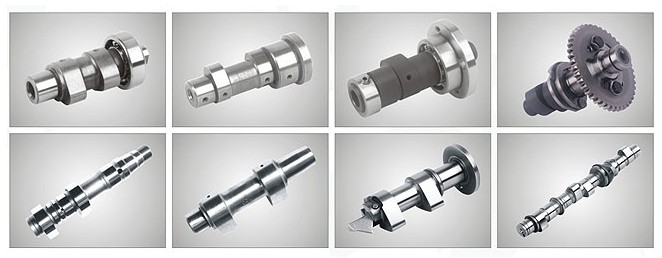
Motorcycle Camshafts
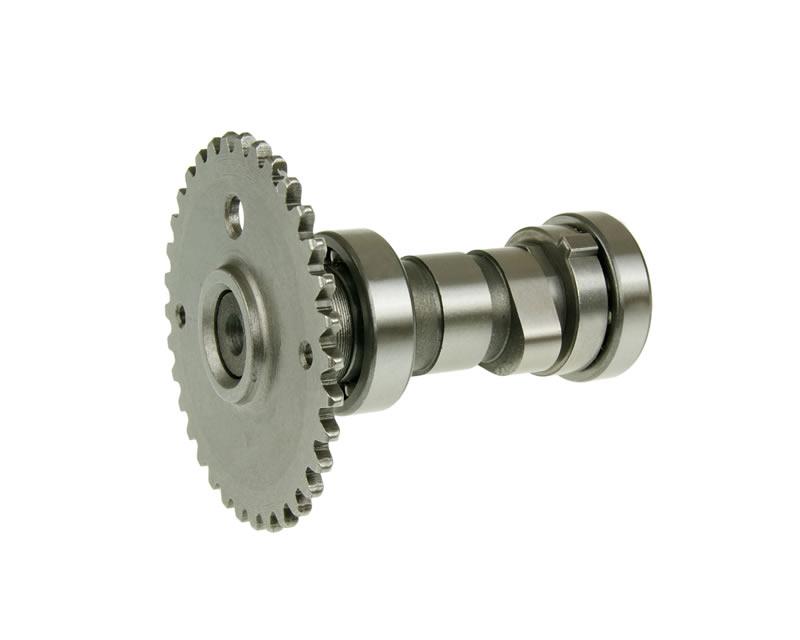
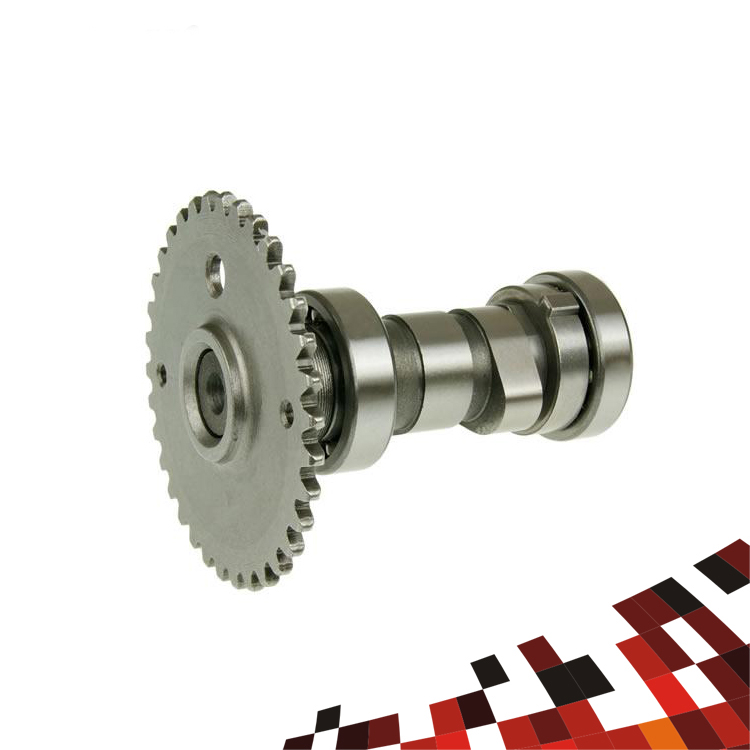
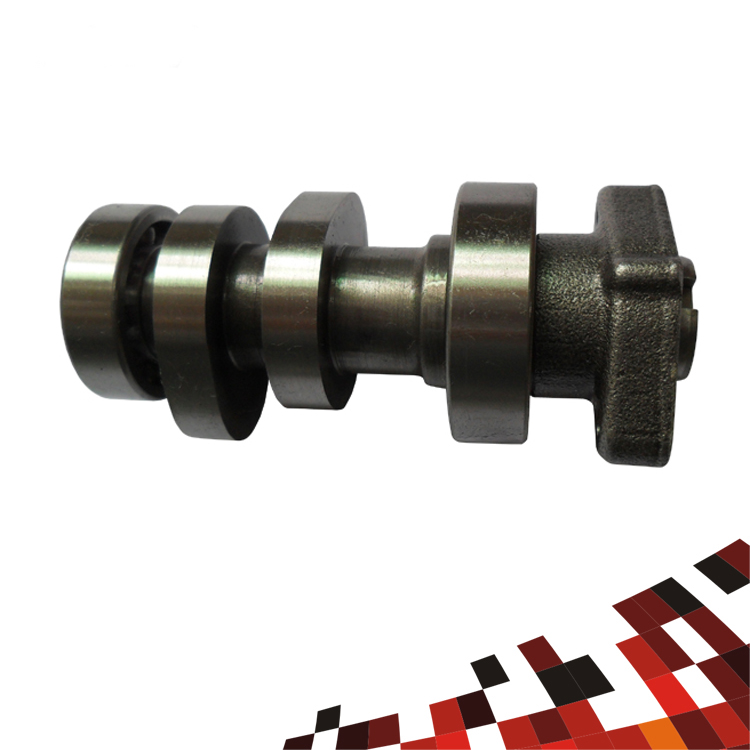
Source high-performance motorcycle camshafts from vetted suppliers and manufacturers. Designed for importers, wholesalers, and brands seeking reliable OEM and aftermarket production, our network delivers precision-engineered engine components built to exact tolerances for bulk and private-label orders.
Sourcing motorcycle camshafts at scale requires navigating a complex matrix of material science, precision machining, and rigorous heat treatment. A minor deviation in lobe profile or inadequate surface hardening can lead to rapid valvetrain wear or catastrophic engine failure. For bulk buyers, the single most critical factor in your procurement strategy is verifying a supplier's capability to maintain exacting tolerances across high-volume production runs.
Material Selection and Production Methods
The foundation of a reliable camshaft lies in matching the material and manufacturing process to the intended market, whether you are supplying standard aftermarket replacements or high-lift performance profiles.
| Material Type | Typical Application | Wear Resistance | Volume Suitability |
|---|---|---|---|
| Chilled Cast Iron | Standard OEM Replacement | High (Lobe surface) | High Volume (High Tooling) |
| Forged Steel | Heavy Duty / Touring | Excellent | Medium to High Volume |
| Billet Steel (CNC) | Racing / Custom Profiles | Excellent | Low Volume / Prototyping |
Cast iron remains the standard for mass-market aftermarket replacements due to its excellent wear characteristics when chilled, but it requires significant upfront investment in tooling. Conversely, billet steel (such as 8620 or EN36) allows for rapid prototyping and low-volume custom profiles via CNC machining, making it ideal for performance brands. If you are developing proprietary profiles, leveraging OEM/ODM Services ensures your intellectual property is protected while transitioning from billet prototypes to cast production.
Struggling to find a factory with the right CNC capabilities and heat-treatment controls? Let our engineers evaluate your specifications and match you with a vetted manufacturer.
Discuss your sourcing strategyCritical Quality Control Checkpoints
Camshaft manufacturing is unforgiving. Quality is won or lost during the grinding and hardening phases. Inadequate induction hardening or nitriding will cause the cam lobes to flatten prematurely, while poor journal finishing will destroy engine bearings.
Implementing rigorous Quality Control & Inspection protocols is non-negotiable. Pre-shipment inspections must verify dimensional accuracy and metallurgical integrity.
Essential Camshaft QC Metrics
- Lobe profile accuracy: Lift, duration, and lobe separation angle (LSA) verified via Coordinate Measuring Machine (CMM).
- Base circle runout: Must remain under 0.02mm to prevent valve float and excessive noise.
- Surface hardness: Typically 55 to 60 HRC for steel profiles; case depth must be verified via cross-section testing.
- Journal concentricity and surface finish: Roughness average (Ra) must be under 0.4 to ensure bearing longevity.
- Oil gallery integrity: Verification of oil hole alignment, flow capacity, and complete deburring.
Relying on a factory's internal QA reports is risky. Conducting independent Factory Audits prior to placing your first PO ensures the supplier actually possesses the CMM equipment and metallurgic testing labs they claim to have.
Sourcing Mechanics: MOQs, Lead Times, and Pricing
Pricing for motorcycle camshafts is heavily dependent on the chosen material, the complexity of the heat treatment, and the production method. Tooling costs for cast camshafts can be substantial, often requiring larger minimum order quantities (MOQs) to amortize the mold costs.
When negotiating pricing, clarify exactly what heat treatment is included. A factory might offer a lower unit price by substituting a shallow induction hardening process in place of deep gas nitriding. Always specify the required case depth and hardness in your purchase agreement.
Need accurate pricing and lead times for your specific motorcycle camshaft requirements? Our team can help you navigate tooling costs and factory negotiations.
Get a free consultationFrequently Asked Questions
Successfully sourcing motorcycle camshafts means looking past the unit price and scrutinizing the factory's engineering backbone. By partnering with suppliers who maintain strict in-house metallurgical controls and precise CNC grinding capabilities, you protect your brand from the costly fallout of valvetrain failures.
Get Sourcing Help for Motorcycle Camshafts
Tell us your requirements and our experts will connect you with verified manufacturers.