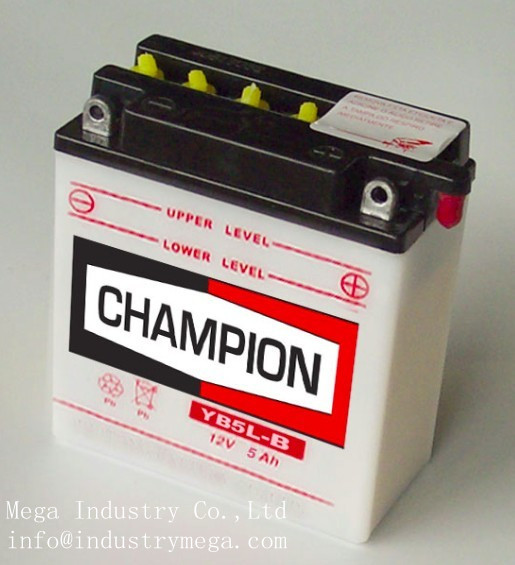
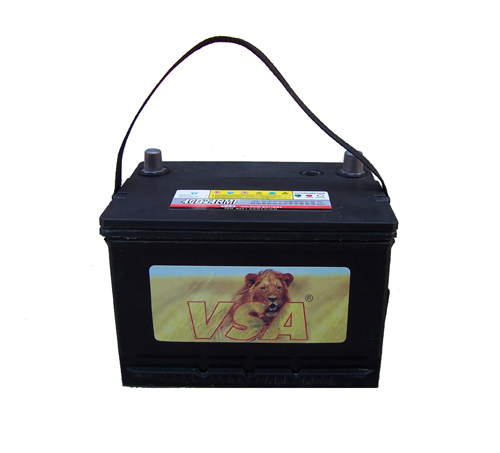
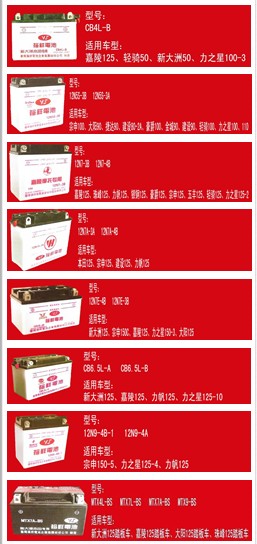
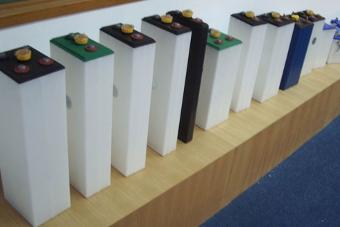
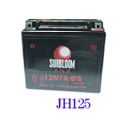
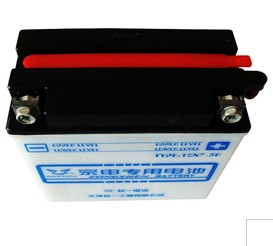
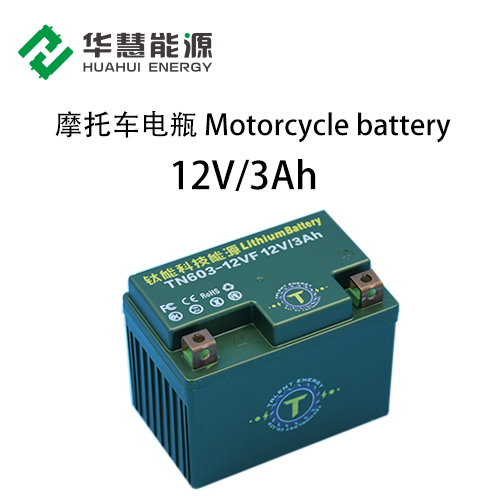
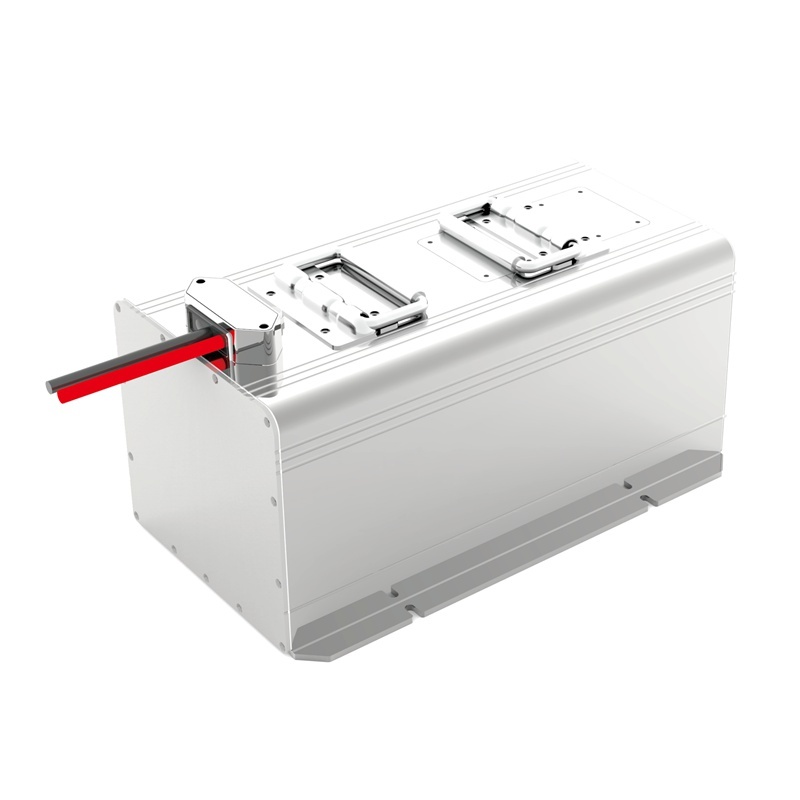
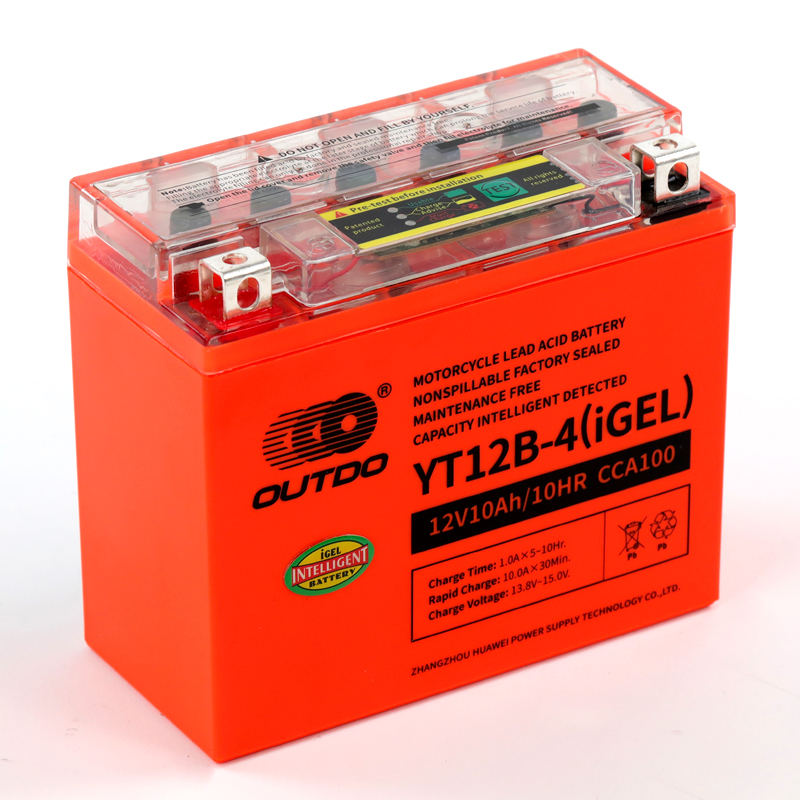
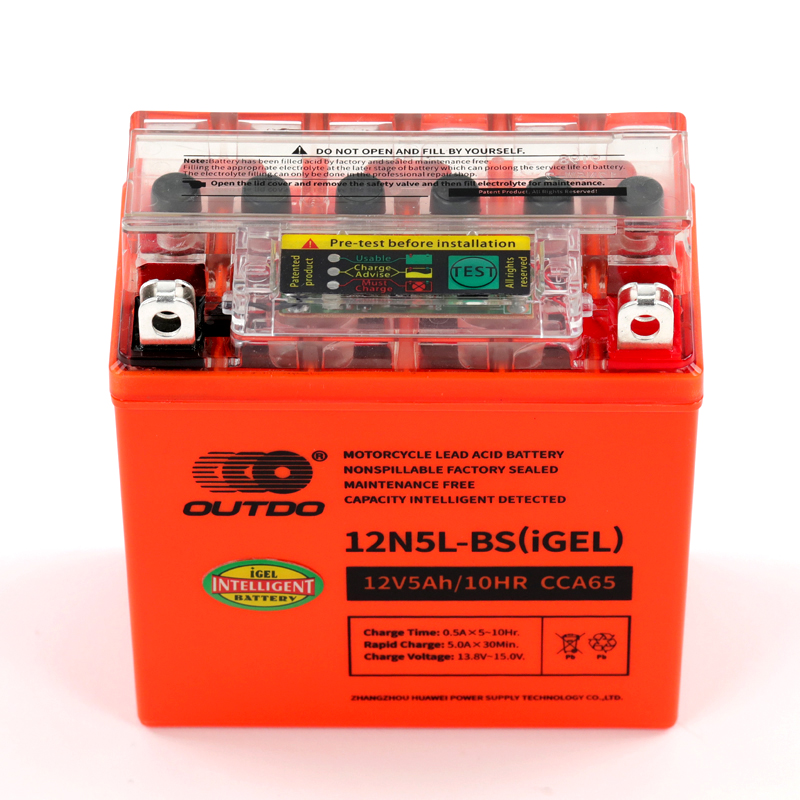
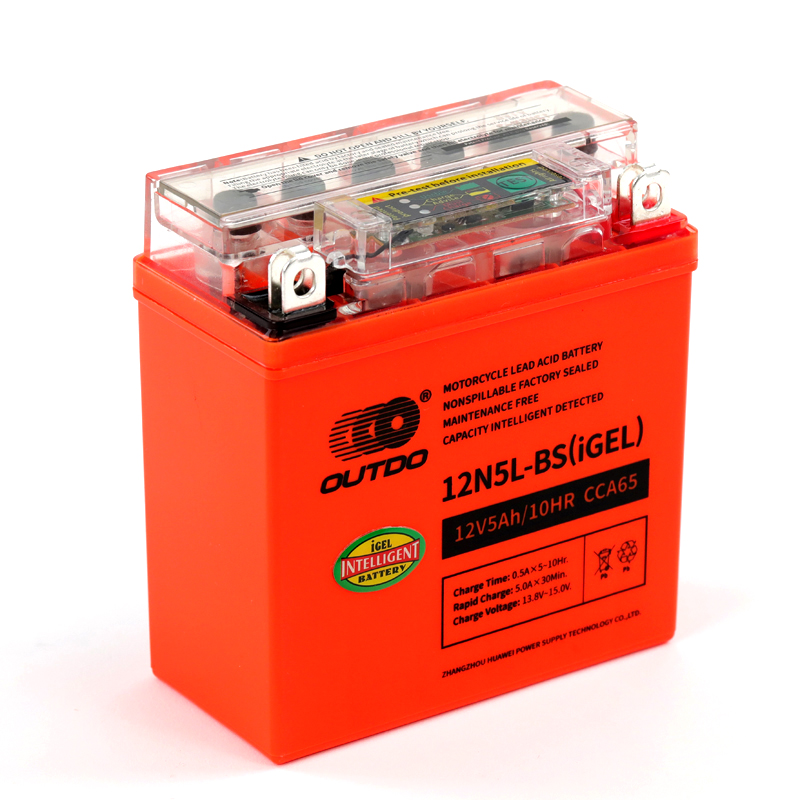
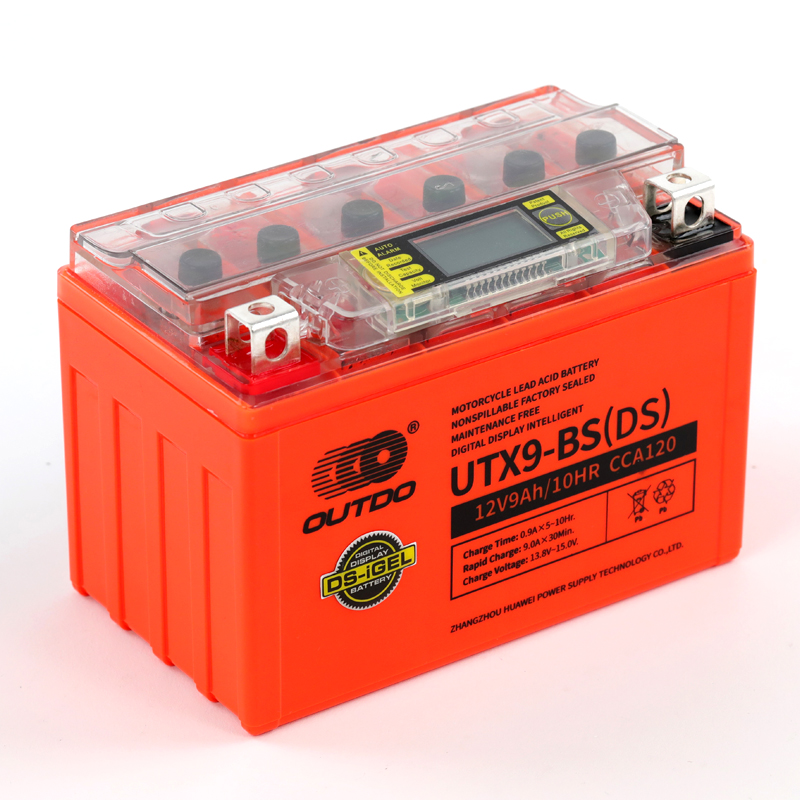
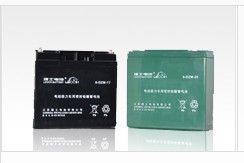
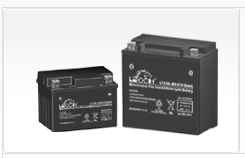
Motorcycle Batteries
Source high-performance Motorcycle Batteries from vetted suppliers and manufacturers across Asia. Designed for importers, wholesalers, and brands seeking reliable OEM and private-label production, our network delivers consistent quality, competitive bulk pricing, and strict compliance for global markets.
Sourcing motorcycle batteries at scale requires balancing cold cranking amps (CCA), vibration resistance, and shelf life against unit costs. Whether you are supplying the aftermarket with conventional lead-acid units or upgrading product lines with lithium iron phosphate (LiFePO4) technology, finding a factory capable of consistent chemical formulation and robust casing assembly is the core sourcing challenge.
Battery Chemistries and Specifications
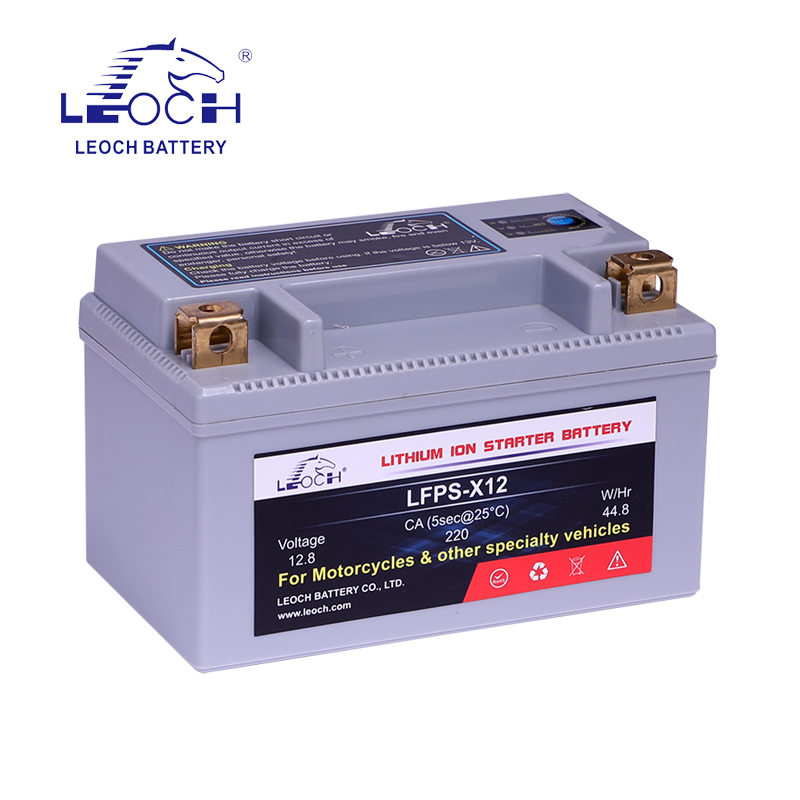
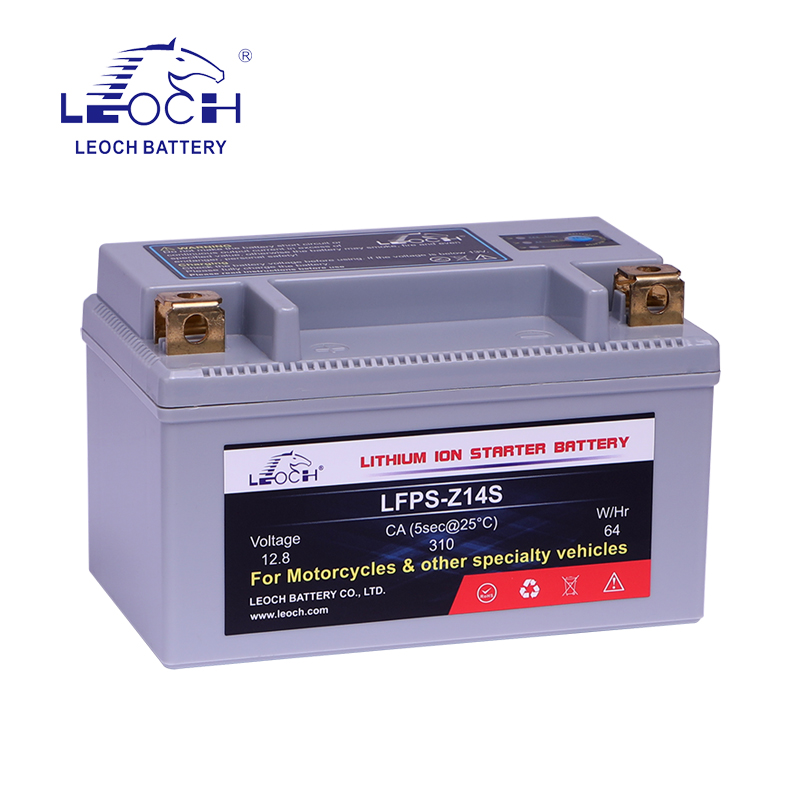
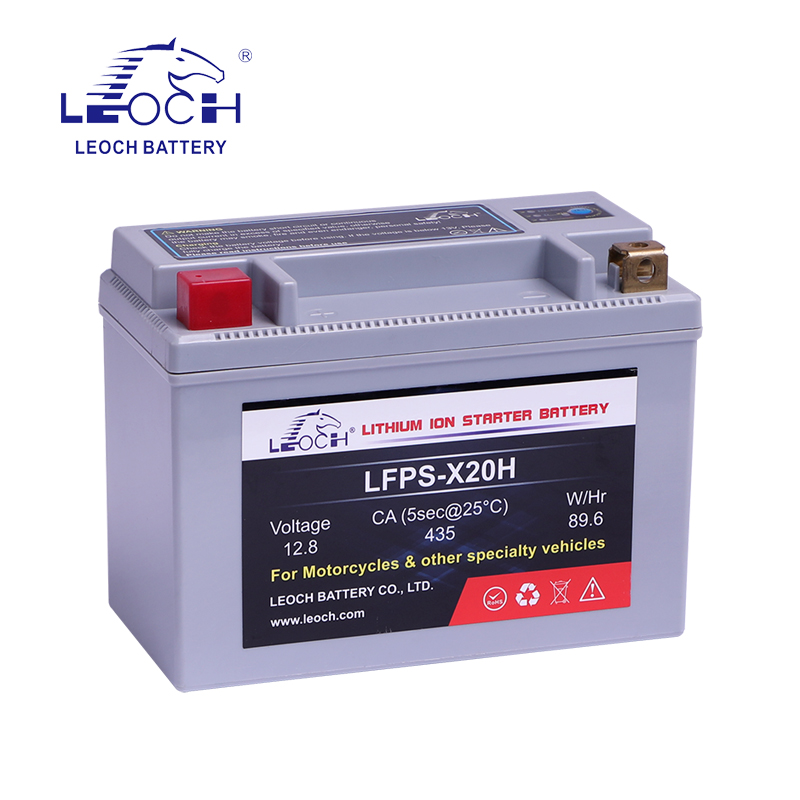
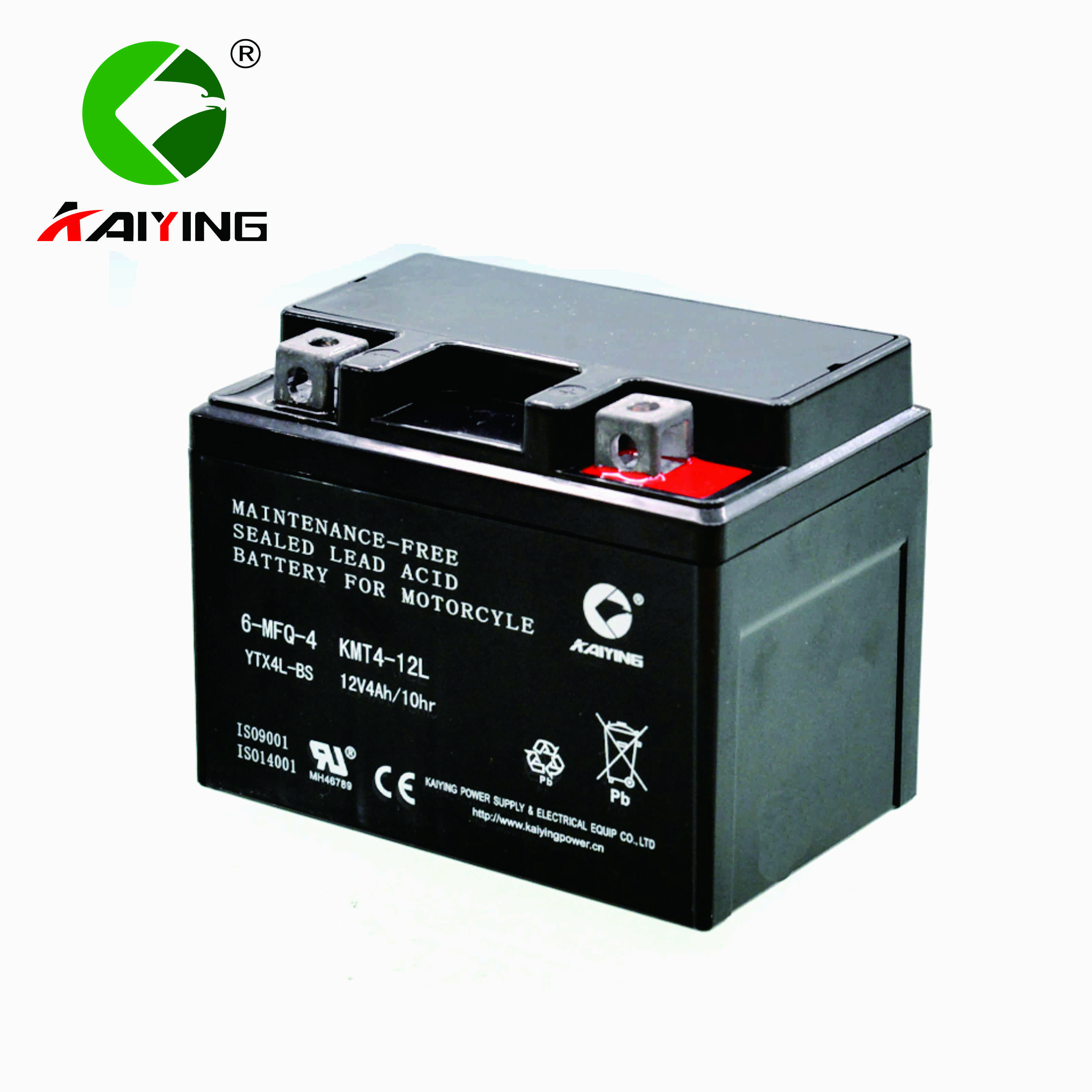
The motorcycle battery market is divided between established lead-acid variants (Conventional, AGM, Gel) and lighter, energy-dense lithium options. Specifying the correct technology dictates not only the performance but also the manufacturing complexity and shipping regulations you will encounter.
| Specification | AGM / Gel (Lead-Acid) | LiFePO4 (Lithium) |
|---|---|---|
| Cycle Life | 300 to 500 cycles | 2,000+ cycles |
| Weight | Standard (Heavy) | Up to 70% lighter |
| Self-Discharge Rate | Moderate (requires tending) | Very low |
| Vibration Resistance | Good (AGM/Gel absorb shock) | Excellent (Solid state) |
| Cost Profile | Low initial cost | Higher upfront cost |
When defining your order, you must provide manufacturers with exact JIS (Japanese Industrial Standard) or DIN part numbers (e.g., YTX9-BS, YTZ10S) to ensure dimensions, terminal polarity, and capacity align with standard motorcycle battery boxes.
Manufacturing and Quality Control Checkpoints
Battery manufacturing is highly sensitive to environmental controls and raw material purity. In lead-acid production, the quality of the lead ingots (often 99.99% pure) and the precision of the grid casting determine the battery's internal resistance and CCA. For lithium batteries, cell matching and the reliability of the Battery Management System (BMS) are paramount.
Assessing a supplier's production line is critical. Facilities relying on manual acid filling or inconsistent cell spot-welding will produce batches with high failure rates. This is where conducting thorough Factory Audits becomes necessary to verify automated assembly capabilities and ISO 9001 compliance before committing to a volume order.
Critical Pre-Shipment Inspection Checks
- Capacity and CCA testing under load to verify rated specifications.
- High-pot testing and short-circuit protection verification (especially for lithium BMS).
- Vibration testing to ensure terminal welds and internal plates remain secure.
- Visual inspection of casing seals to prevent acid leakage or moisture ingress.
- Terminal voltage checks to ensure batteries are shipped at the optimal storage charge.
Need to ensure your battery shipments meet exact specifications? Let us manage the factory vetting and quality control process.
Talk to our teamImplementing strict Quality Control & Inspection protocols at the factory level ensures that defective units are caught before they are containerized, saving you from costly aftermarket warranty claims.
Certifications and Compliance
Motorcycle batteries are classified as dangerous goods (DG) for transport. Navigating the regulatory landscape is non-negotiable for importers.
- UN38.3: Mandatory for all lithium-ion batteries to be transported by air or sea.
- CE / UL: Required for entering the European and North American markets, verifying electrical safety.
- MSDS (Material Safety Data Sheet): Required by freight forwarders to handle lead-acid and lithium shipments safely.
Working with a partner who can manage Compliance & Testing ensures your products will not be held up at customs due to missing or fraudulent documentation.
Typical MOQs, Pricing, and Lead Times
Volume requirements and production timelines vary based on the battery chemistry and the level of customization required for your brand.
If you are developing a private-label line, factories offer extensive OEM/ODM Services. This includes custom colored casings, laser-etched branding, bespoke retail packaging, and customized terminal hardware. Note that custom casing molds will require higher initial MOQs and tooling fees.
Ready to scale your aftermarket parts brand? We can negotiate MOQs, pricing, and custom branding with top-tier battery manufacturers.
Get a free consultationFrequently Asked Questions
Successfully importing motorcycle batteries in bulk requires more than just finding the lowest price per unit. It demands rigorous supplier vetting, strict adherence to dangerous goods shipping regulations, and uncompromising quality control to protect your brand's reputation in the aftermarket. Having an experienced sourcing partner on the ground ensures your specifications are met and your supply chain remains uninterrupted.
Get Sourcing Help for Motorcycle Batteries
Tell us your requirements and our experts will connect you with verified manufacturers.