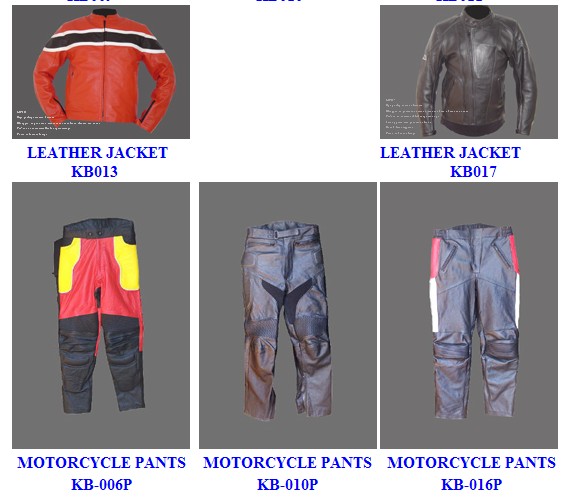
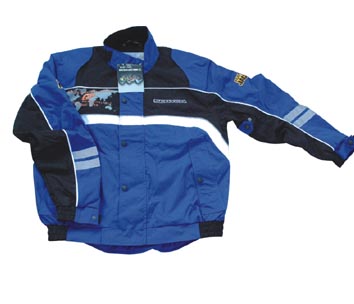
Motorcycle & Auto Racing Wear
Source high-performance motorcycle and auto racing wear from vetted manufacturers and wholesale suppliers. Designed for importers, distributors, and brands seeking reliable OEM production, our network delivers bulk manufacturing that meets stringent global safety and quality standards.
Sourcing motorcycle and auto racing apparel requires a rigorous approach to material science and manufacturing precision. Unlike standard sportswear, racing wear acts as personal protective equipment (PPE). A single failed seam or substandard armor insert can result in catastrophic failure. When buying in bulk, your sourcing strategy must prioritize factories that understand impact dispersion, abrasion resistance, and complex safety certifications alongside standard garment construction.
Material Specifications and Technical Requirements
The foundation of any racing garment is its abrasion and tear resistance. Factories producing these items must have access to specialized performance textiles and premium hides, as well as the heavy-duty machinery required to assemble them.
Leather vs. High-Tenacity Textiles
| Material Type | Key Properties | Ideal Application |
|---|---|---|
| Premium Cowhide (1.2 - 1.4mm) | Excellent abrasion resistance, high tear strength, breaks in over time. | Track suits, touring jackets, heavy-duty pants. |
| Kangaroo Leather (0.9 - 1.1mm) | Superior strength-to-weight ratio, highly supple, requires less thickness. | Professional racing suits, premium racing gloves. |
| Cordura / Aramid Blends (600D+) | Lightweight, weather-resistant, often reinforced with Kevlar at impact zones. | Adventure touring, urban riding gear, rally wear. |
Critical Construction Elements
When evaluating a manufacturer's technical pack, pay close attention to the following specifications:
- Safety Seams: Standard overlock stitching is insufficient. Seams in impact zones must utilize hidden "safety stitching" (multiple rows where at least one is concealed beneath the folded leather/fabric) using bonded nylon or Kevlar thread.
- Impact Armor Integration: Garments must feature precise internal pockets to house CE-certified armor (Level 1 or Level 2) at the shoulders, elbows, knees, and back. The placement must remain stable during a slide.
- Stretch Panels: Accordion leather panels and Schoeller-Keprotec (or equivalent aramid stretch fabrics) must be strategically placed at joints to allow mobility without compromising burst strength.
Need a supplier capable of handling complex technical packs and safety stitching? Let us match you with a vetted racing wear manufacturer.
Talk to our teamManufacturing Quality Control and Compliance
Not every garment factory can produce racing wear. Thick leathers and multi-layered impact zones require specialized walking-foot sewing machines and highly skilled operators. Before committing to a production run, executing comprehensive Factory Audits is essential to verify the supplier's machinery, material sourcing network, and quality management systems.
Navigating Safety Certifications
Racing wear is heavily regulated in major markets. In Europe, motorcycle garments must comply with the EN 17092 standard (ranging from Class AAA for highest protection to Class C for armor carriers), while impact protectors must meet EN 1621. Auto racing wear often requires FIA homologation, which includes strict fire-retardant standards (e.g., Nomex materials).
Certification Verification
Never take a supplier's CE or FIA claims at face value. Always request the original test reports from accredited third-party laboratories. If you are developing a new design, factor in the time and cost for independent Compliance & Testing before mass production begins.
Pre-Shipment Quality Checklist
When setting up your Quality Control & Inspection protocols, ensure inspectors check for:
- Seam integrity and thread tension on heavy-duty joints.
- Correct alignment and sizing of internal armor pockets.
- Hardware durability (YKK brass or heavy-duty nylon zippers).
- Colorfastness of dyed leathers (especially high-visibility colors).
- Proper installation of perforated panels (ensuring perforations do not cross structural seams).
Sourcing Realities: MOQ, Pricing, and Lead Times
Developing custom racing gear through OEM/ODM Services requires realistic expectations regarding minimum order quantities (MOQs) and timelines. Because of the specialized materials and labor-intensive construction, MOQs are often lower than fast fashion, but unit costs are significantly higher.
Pricing is highly sensitive to the origin of the raw materials. For instance, importing Italian cowhide or genuine Kevlar fibers into an Asian manufacturing hub will increase the FOB price but is often necessary to meet premium market standards.
Struggling to balance unit costs with stringent safety requirements? We can help you negotiate pricing and manage your supply chain.
Get a free consultationFrequently Asked Questions
Sourcing motorcycle and auto racing wear is an exercise in risk management as much as it is procurement. By partnering with factories that possess the right machinery, material access, and compliance knowledge, you protect both your brand's reputation and your end-users. If you need experienced boots on the ground to vet suppliers and oversee complex production runs, our team is ready to assist.
Get Sourcing Help for Motorcycle & Auto Racing Wear
Tell us your requirements and our experts will connect you with verified manufacturers.