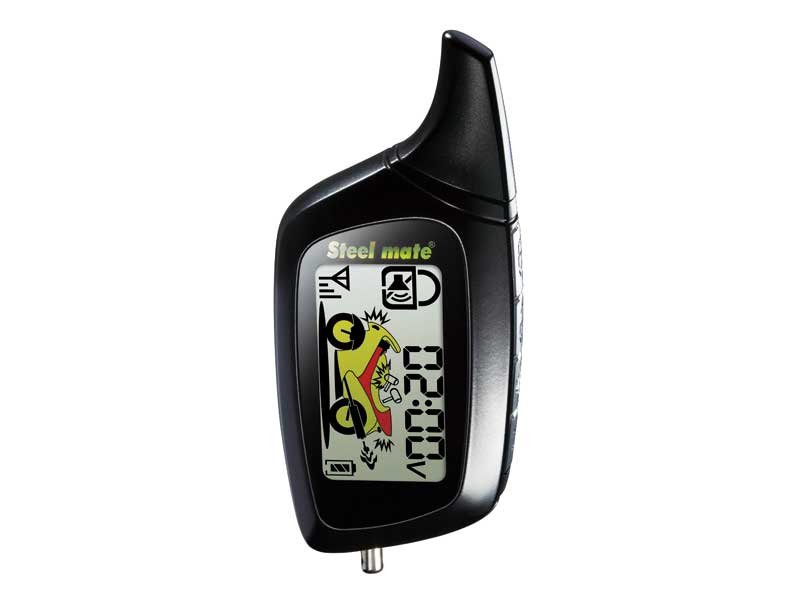
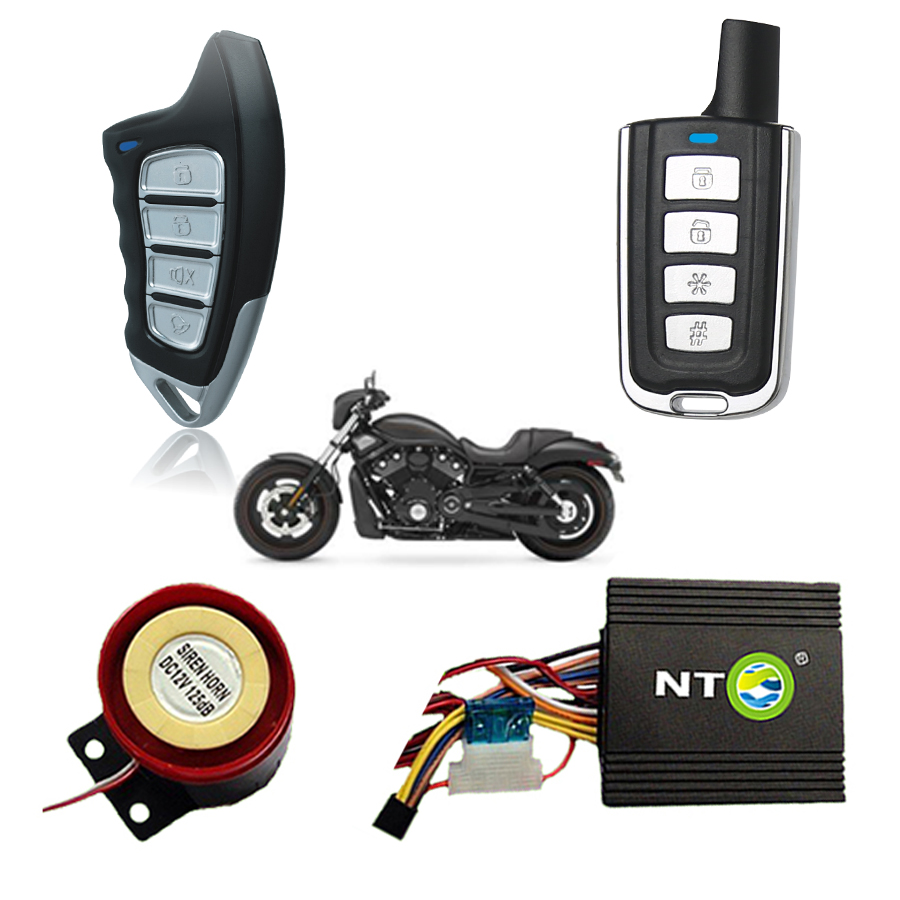
Motorcycle Alarm Systems
Source high-performance motorcycle alarm systems in bulk from vetted manufacturers and suppliers. Designed for importers, distributors, and brands seeking reliable OEM and private-label production, our catalog connects you directly with top-tier factories to secure competitive wholesale pricing and consistent quality.
Sourcing motorcycle alarm systems requires balancing advanced security features with strict environmental tolerances. Unlike automotive alarms, motorcycle systems are exposed directly to the elements, heavy engine vibration, and rely on much smaller 12V batteries. For volume buyers, the challenge lies in identifying manufacturers capable of consistent PCB assembly, rigorous environmental testing, and reliable RF (radio frequency) performance.
Core Specifications for Volume Buyers
When evaluating a manufacturer's standard catalog or specifying an OEM build, the internal components dictate the product's reliability and market positioning. Pay close attention to the microcontroller unit (MCU) efficiency and the sensor technology utilized.
| Specification | Standard Wholesale Models | Premium / OEM Models |
|---|---|---|
| Standby Current | Under 5mA | Under 2mA (Advanced sleep states) |
| Sensor Technology | Mechanical shock/tilt switch | 3-axis MEMS accelerometer |
| RF Range (2-Way) | Up to 500 meters | Over 1,000 meters (LoRa tech) |
| Siren Output | 110dB - 120dB (Piezo) | 125dB+ with independent battery backup |
| Ingress Protection | IP65 (Water resistant) | IP67 (Fully potted PCB) |
A critical failure point in cheaper units is parasitic battery drain. A standby current exceeding 5mA will rapidly deplete a standard 9Ah motorcycle battery during winter storage. Specifying ultra-low quiescent current components is essential for high-end markets.
Need a manufacturer capable of custom PCB layouts and strict environmental testing? We can help you vet the right factory.
Talk to our teamManufacturing Quality & Environmental Resilience
The primary manufacturing hubs for motorcycle electronics are located in Guangdong province, particularly Shenzhen and Dongguan. While many factories assemble security electronics, few have the specialized equipment required to validate motorcycle-specific environmental tolerances.
Quality is won or lost during the surface-mount technology (SMT) phase and the final enclosure sealing. Because motorcycles subject electronics to high-frequency vibrations and direct water exposure, standard automotive assembly techniques are insufficient.
Factory Floor Quality Indicators
- PCB Potting: Are the main control boards fully encapsulated in epoxy or polyurethane potting compound to prevent water ingress and component sheer?
- SMT Inspection: Does the factory utilize Automated Optical Inspection (AOI) to verify solder joint integrity before potting?
- Vibration Testing: Do they perform swept-sine vibration testing simulating high-RPM engine harmonics?
- RF Calibration: Are remotes and main units paired and tested in RF-shielded chambers to guarantee range claims?
If you are committing to a large production run, verifying these capabilities through professional Factory Audits is a necessary step to prevent high warranty return rates. Likewise, implementing strict Quality Control & Inspection protocols before the units are sealed and packaged ensures your defect rate remains near zero.
Customization and OEM/ODM Sourcing
For brands looking to differentiate, off-the-shelf white-label products often fall short. Developing a proprietary system requires a factory with strong in-house engineering (R&D) capabilities.
When engaging in OEM/ODM Services, you will typically customize:
- Firmware & Logic: Customizing sensor sensitivity curves, alarm trigger sequences, and remote pairing protocols.
- Wiring Harnesses: Developing plug-and-play harnesses with proprietary connectors for specific motorcycle brands (e.g., matching factory diagnostic or accessory ports) rather than universal splice-in wires.
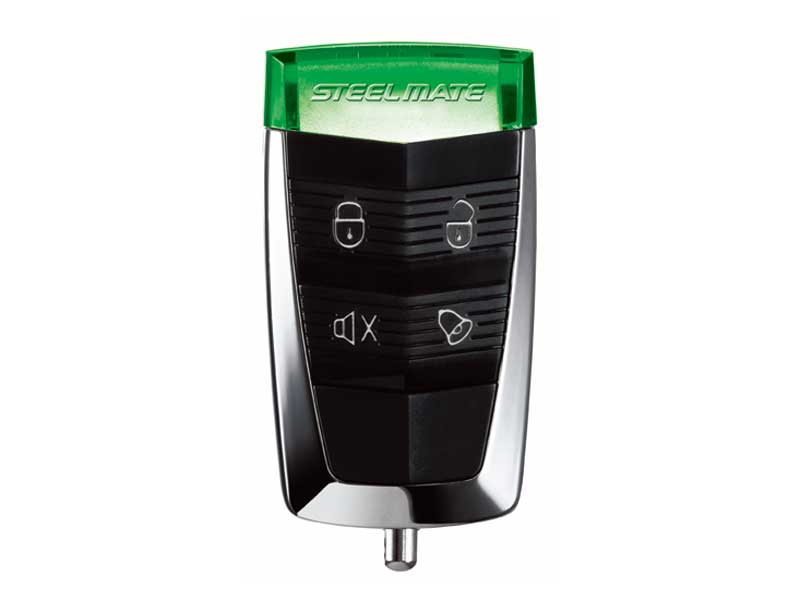
- Transceiver Design: Custom tooling for the remote control housing, incorporating your brand's industrial design and integrating proximity-based keyless entry (PKE) antennas.
Sourcing Mechanics: MOQs, Lead Times, and Compliance
Purchasing in bulk directly from the manufacturer requires navigating minimum order quantities (MOQs) that fluctuate based on the level of customization.
Pricing is highly elastic and depends heavily on the RF technology (1-way vs. 2-way paging, Bluetooth integration, GPS tracking modules) and the quality of the wiring harness (copper gauge and connector quality).
Furthermore, importing wireless transmission devices requires strict regulatory adherence. Systems must pass Compliance & Testing such as FCC Part 15 for North America or CE RED for Europe. Ensure your supplier can provide valid, verifiable test reports for the exact RF module used in your production batch.
Looking to consolidate your electronics suppliers and negotiate better volume pricing? Let's discuss your supply chain strategy.
Get a free consultationFrequently Asked Questions
Successfully sourcing motorcycle alarm systems means looking past the spec sheet and evaluating the factory's engineering rigor. By partnering with manufacturers who understand the unique electrical and environmental demands of motorcycles, you can build a highly profitable, reliable product line. If you need experienced oversight to manage vetting, negotiation, and quality assurance on the ground, our team is ready to assist.
Get Sourcing Help for Motorcycle Alarm Systems
Tell us your requirements and our experts will connect you with verified manufacturers.