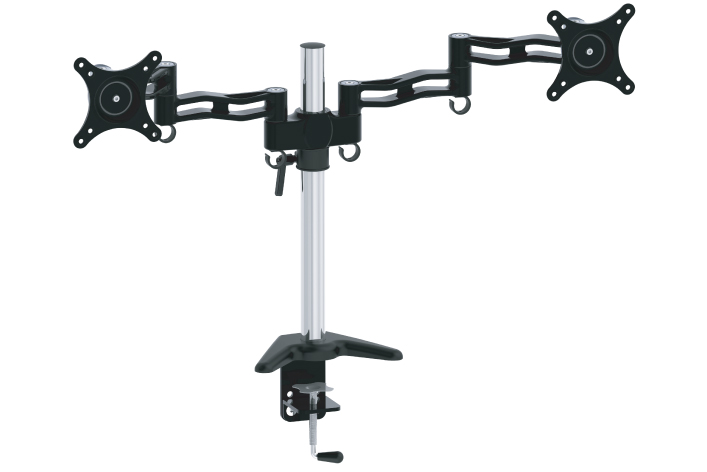
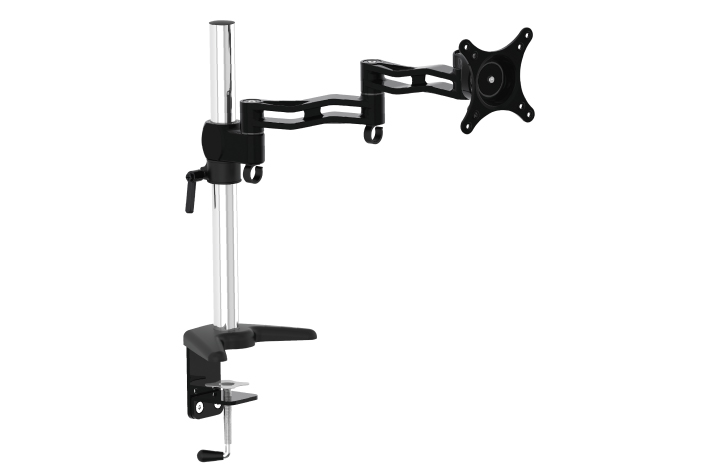
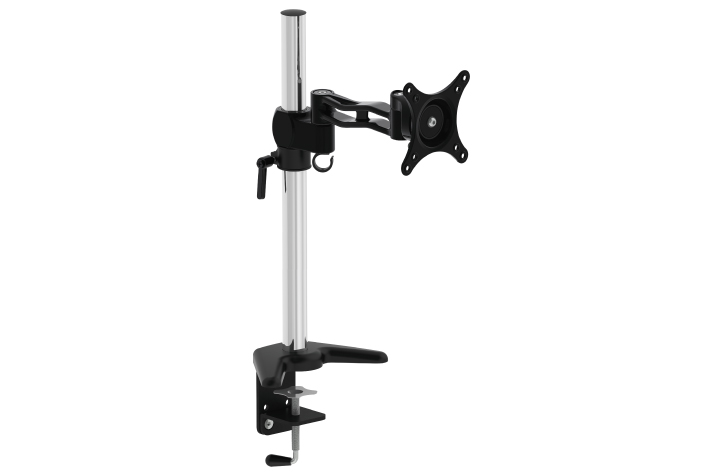
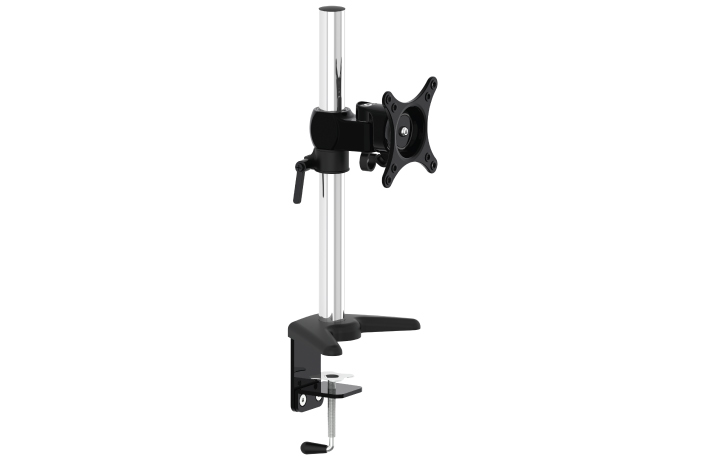
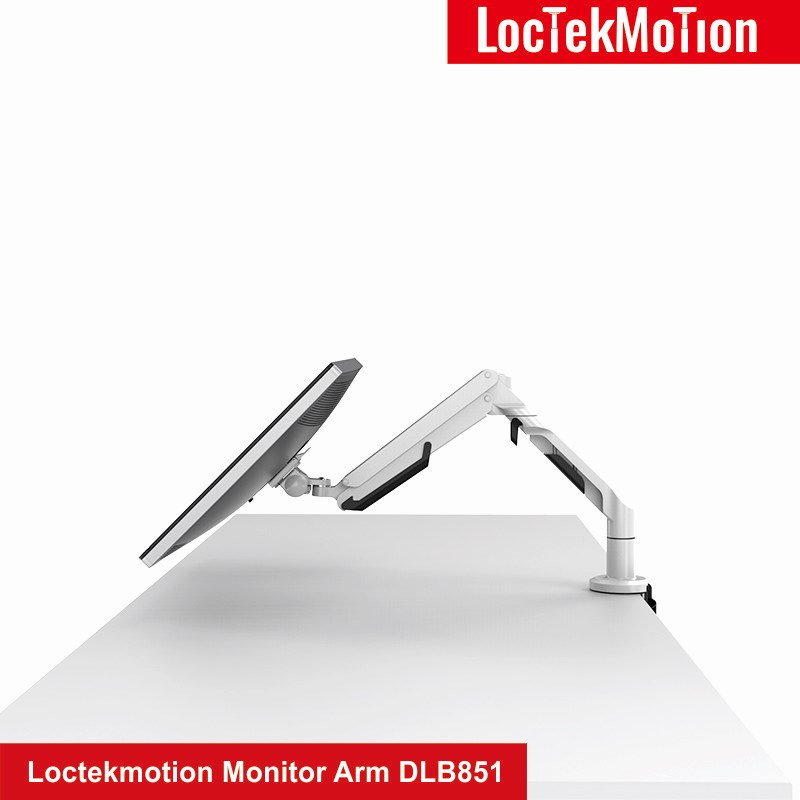
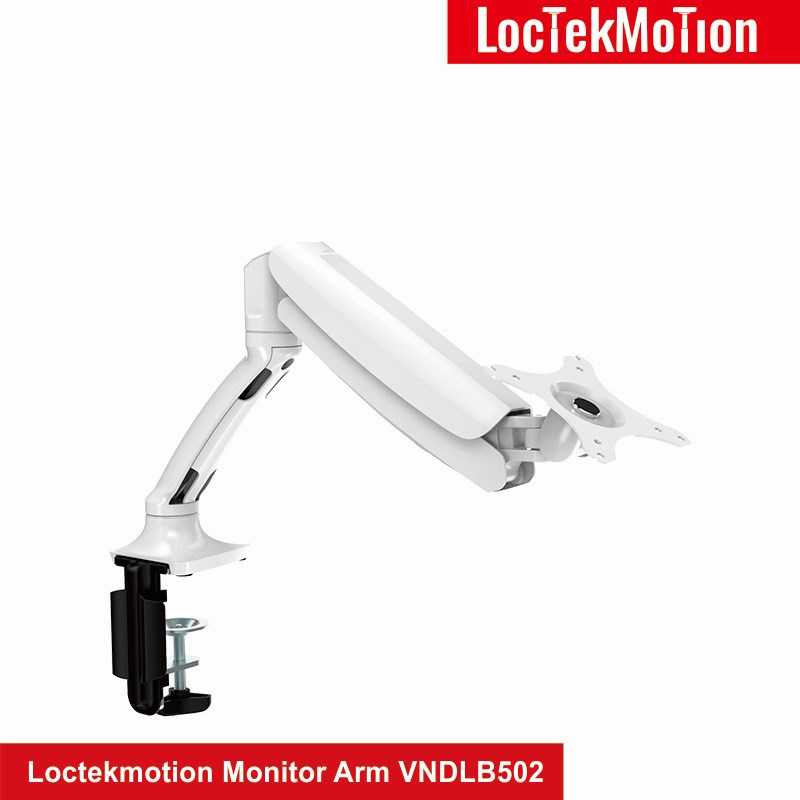
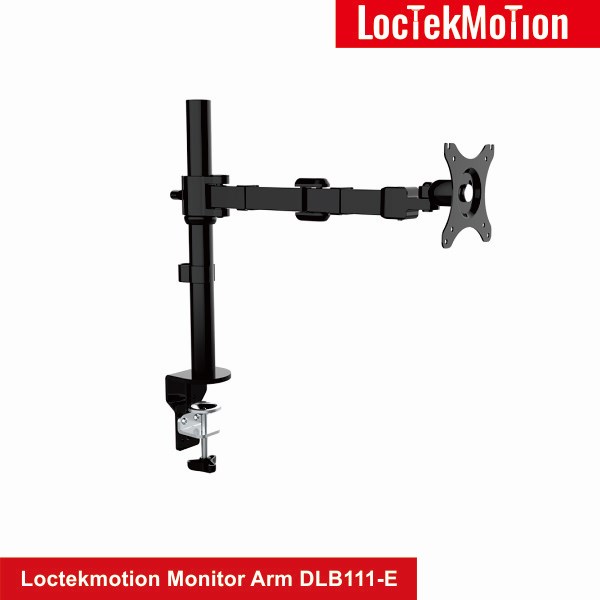
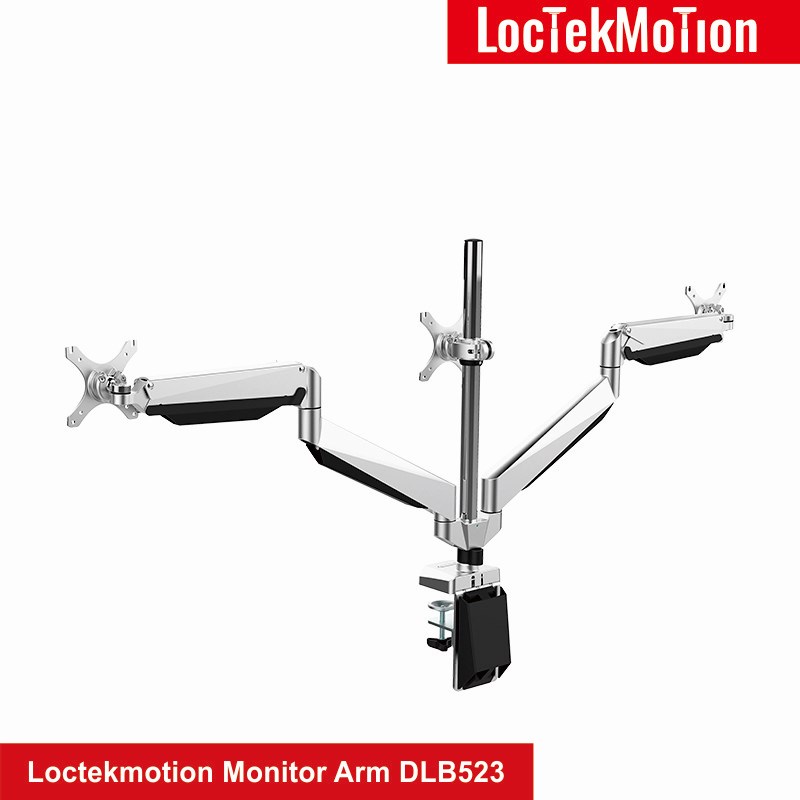
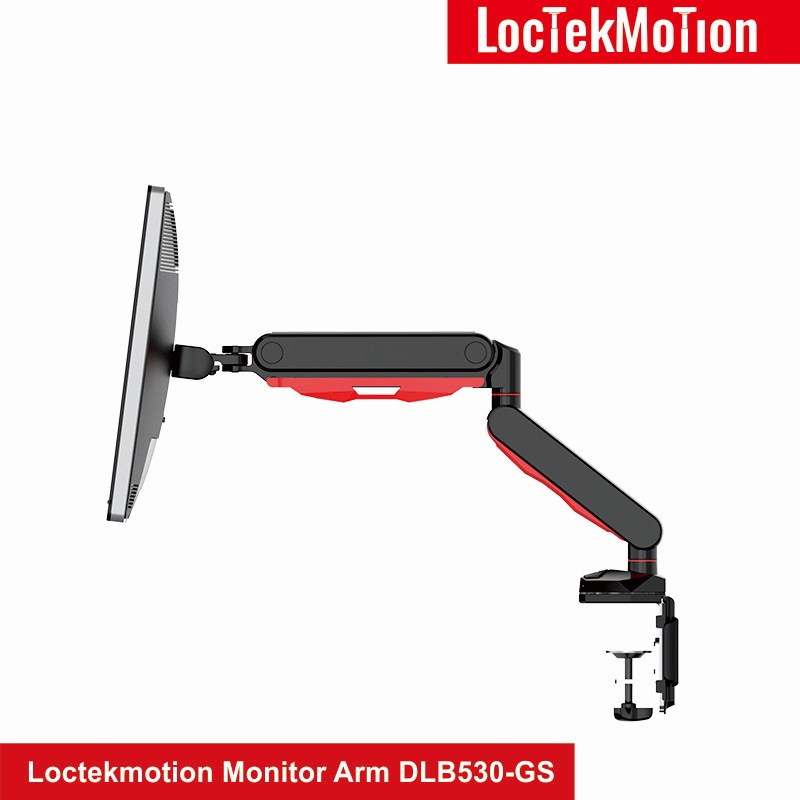
Monitor Arms
Source high-quality monitor arms from vetted manufacturers and wholesale suppliers across Asia. Built for commercial importers, distributors, and brands seeking reliable OEM and private-label production in volume. Compare factory-direct pricing on robust ergonomic mounting solutions engineered for modern workspaces.
Sourcing monitor arms at scale requires balancing material integrity with precision engineering. A monitor arm is not just a static piece of metal; it is an active mechanical device relying on precise friction joints and calibrated counter-tension. When importing in bulk, the difference between a premium workspace solution and a high-return liability lies entirely in the quality of the gas cylinders, die-cast aluminum tolerances, and joint friction mechanisms.
Core Mechanisms and Material Specifications
The primary decision when sourcing monitor arms is the counterbalance technology. Factories generally produce two main variants: gas spring (pneumatic) and mechanical spring (coil).
Gas springs offer a fluid, premium feel but rely heavily on airtight seals that can degrade if manufactured poorly. Mechanical springs offer a more linear tension curve and exceptional durability, making them ideal for heavy-duty commercial environments.
| Mechanism Type | Action Feel | Durability Profile | Manufacturing Cost |
|---|---|---|---|
| Gas Spring (Pneumatic) | Fluid and effortless | Dependent on seal quality | Higher |
| Mechanical Spring | Linear and firm | Highly durable, no seals to fail | Lower to Moderate |
The structural components are equally critical. Premium arms utilize aluminum die-casting for the main extensions, providing a high strength-to-weight ratio and a sleek finish. Budget alternatives often rely on stamped steel, which is heavier and less aesthetically refined but highly cost-effective for high-volume, price-sensitive markets.
Need to identify factories with the right tooling and capabilities for your spec? Talk to our team.
Discuss your sourcing requirementsManufacturing Tolerances and Quality Control
Failures in monitor arms usually manifest as monitor droop (loss of tilt friction) or sagging (loss of cylinder tension). These issues stem directly from the factory floor, specifically during the assembly of the friction joints and the charging of the gas cylinders.
Implementing stringent Quality Control & Inspection protocols before shipment is non-negotiable. Fatigue testing is the industry standard for verifying longevity. A reliable manufacturer should possess in-house testing equipment to simulate years of daily adjustments.
Critical Factory QC Checkpoints
- Fatigue testing: Minimum 10,000 to 20,000 adjustment cycles without tension loss
- Gas cylinder pressure retention tests over 48-hour periods
- Tilt joint friction resistance and torque consistency
- C-clamp and grommet structural integrity under maximum load
- VESA plate thread quality and dimensional tolerances
When engaging with new suppliers, conducting thorough Factory Audits ensures the facility actually has the die-casting machinery, CNC capabilities, and testing rigs they claim, rather than simply outsourcing to sub-tier workshops.
OEM/ODM Customization and Value Addition
For brands looking to differentiate, monitor arms offer significant avenues for customization. While utilizing existing factory molds (white-labeling) keeps tooling costs low, you can modify finishes, cable management covers, and mounting hardware.
If you are developing a proprietary design for heavy ultrawide monitors or specific medical/industrial applications, leveraging comprehensive OEM/ODM Services allows you to control the entire tooling and prototyping phase. Custom features often include integrated USB/power hubs in the base, quick-release VESA plates, and proprietary tension indicators.
Pricing, MOQs, and Lead Times
Unit costs are driven by weight capacity, mechanism type, and material finish. Standard arms supporting up to 8kg are highly commoditized, while heavy-duty arms supporting 15kg or more for ultrawide displays command a premium due to the reinforced cylinders and thicker aluminum castings required.
Consolidating Tooling Costs
When developing custom OEM models, try to utilize the factory's existing C-clamp and VESA plate molds while only customizing the primary arm castings. This significantly reduces your upfront tooling investment while still delivering a unique product silhouette.
Ready to negotiate pricing and terms with vetted manufacturers? Let our sourcing experts manage the process.
Get a free consultationFrequently Asked Questions
Successfully sourcing monitor arms requires looking past the aesthetic finish to evaluate the underlying mechanical components and the factory's quality management systems. Partnering with experienced sourcing professionals ensures your specifications are met and your supply chain remains reliable.
Get Sourcing Help for Monitor Arms
Tell us your requirements and our experts will connect you with verified manufacturers.