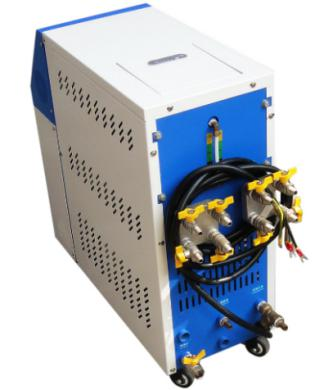
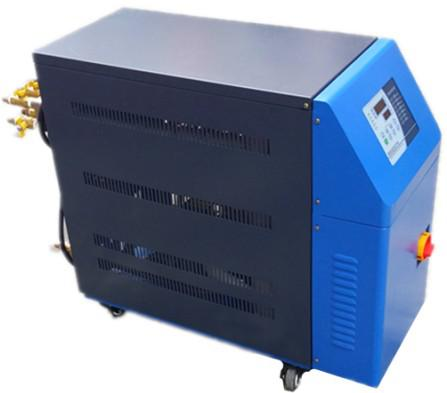
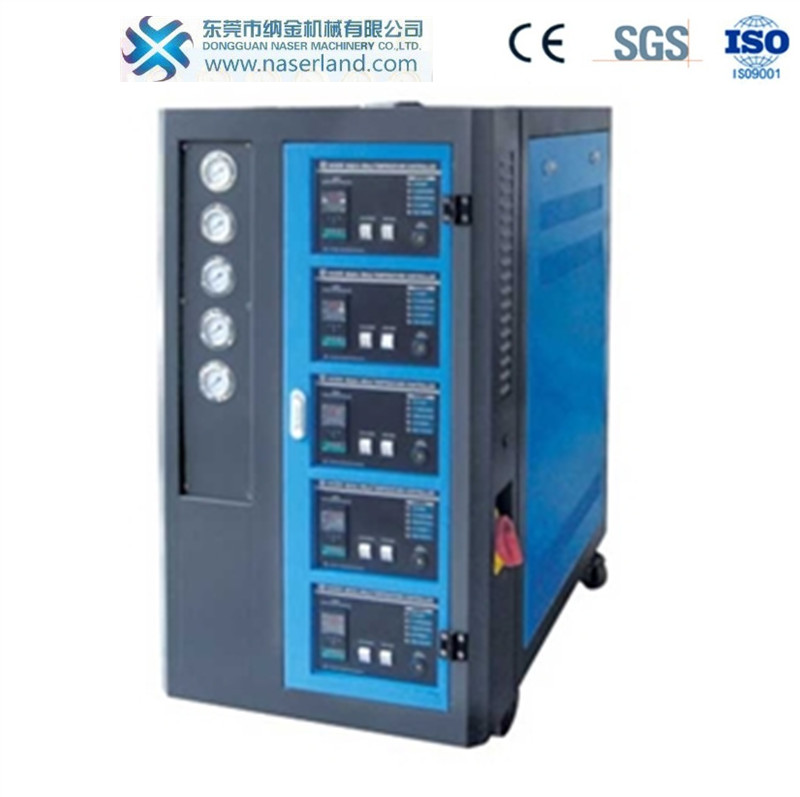
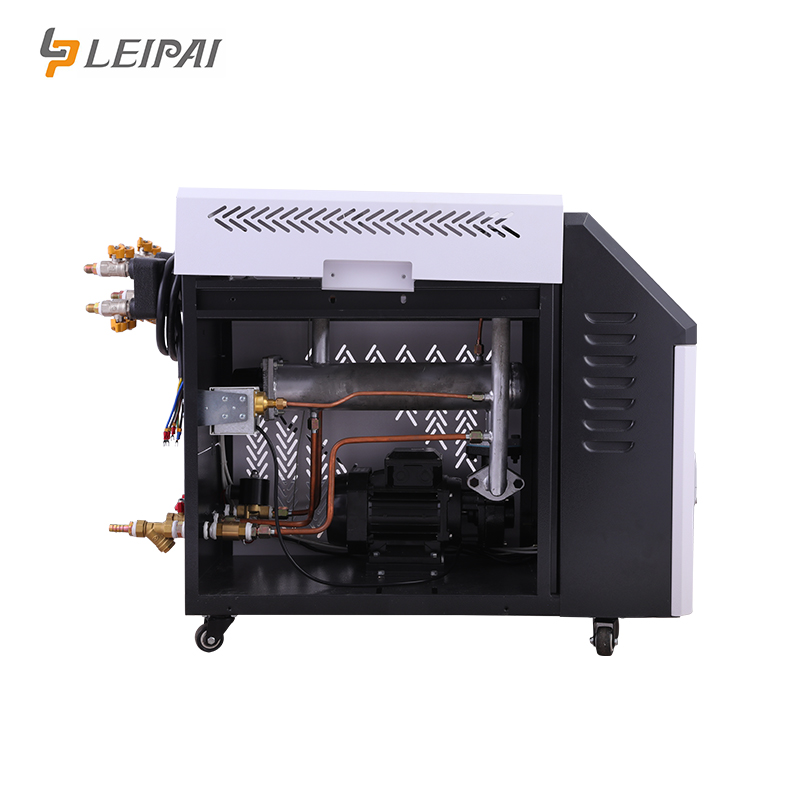
Mold Temperature Controllers
Source high-performance Mold Temperature Controllers from vetted suppliers and manufacturers in China. Designed for importers, industrial distributors, and brands seeking reliable OEM production, these units ensure precise thermal management for injection molding. Secure bulk pricing on water and oil-type controllers today.
Sourcing mold temperature controllers (MTCs) for injection molding, die casting, and extrusion requires navigating a highly fragmented supplier base. The core challenge isn't merely finding a manufacturer; it is ensuring the factory uses industrial-grade internal components that can withstand continuous 24/7 operation at elevated temperatures. A controller failure doesn't just halt production—in the case of high-temperature oil units, poor manufacturing can lead to severe safety hazards and catastrophic leaks.
Defining Your Core Specifications
When approaching manufacturers, vague specifications invite cost-cutting. You must clearly define the required thermal medium, heating capacity, pump performance, and control accuracy.
| Parameter | Water-Type Controllers | Oil-Type Controllers |
|---|---|---|
| Max Operating Temperature | Standard 120°C, Pressurized up to 180°C | Standard 200°C, High-Temp up to 350°C |
| Heat Transfer Efficiency | Excellent (high specific heat) | Moderate (lower specific heat) |
| Pump Requirements | High flow, standard mechanical seals usually suffice | High pressure, magnetic drive pumps strongly recommended |
| Maintenance & Safety | Low maintenance, clean operation | Requires fluid monitoring, potential for hazardous leaks |
Beyond the medium, you must specify the pump power (kW/HP) and flow rate (L/min) to ensure turbulent flow within the mold's cooling channels. Specifying the heating capacity (kW) determines how quickly the mold reaches operating temperature, but a higher kW requires robust electrical contactors to handle the load.
Component Quality and Factory Floor Realities
The visible exterior of an MTC rarely indicates its internal quality. Chinese manufacturers cluster heavily in regions like Ningbo, Taizhou, and Dongguan, serving the local injection molding machine industry. While many produce excellent equipment, lower-tier suppliers frequently compromise on internal components to win on price.
Critical Components to Verify During Sourcing
- Pump Quality: Look for reputable pump brands (e.g., Speck or high-end domestic equivalents). For oil units exceeding 200°C, specify seal-less magnetic drive pumps to prevent leaks.
- Heater Watt Density: Cheap heaters pack too much wattage into a small surface area, leading to rapid burnout. Specify low watt-density incoloy or stainless steel heating elements.
- Electrical Components: Ensure the factory uses genuine Schneider, Siemens, or Omron contactors and breakers. Counterfeit electrical components are a common issue in budget units.
- Control Systems: Verify the PID controller's microprocessor brand. It must maintain temperature accuracy within ±1°C (or ±0.1°C for precision applications).
Relying on a supplier's word for component origin is risky. Conducting thorough Factory Audits prior to placing bulk orders is essential to verify their assembly standards, component inventory, and internal testing capabilities.
Avoid costly equipment failures by partnering with a sourcing team that verifies factory engineering and component supply chains.
Talk to our teamSourcing Mechanics: Pricing, MOQs, and Lead Times
The market for MTCs is highly competitive, but pricing scales directly with the quality of the internal bill of materials (BOM) and the level of customization.
If you are an equipment brand looking to private-label these machines, standardizing your color schemes, PLC interfaces, and exterior sheet metal design is entirely feasible. Leveraging OEM/ODM Services allows you to build a cohesive product line without investing in your own sheet metal fabrication facilities.
However, custom configurations—especially those requiring non-standard voltages (e.g., 460V/60Hz for the North American market)—require rigorous pre-shipment oversight. Implementing robust Quality Control & Inspection ensures each unit undergoes proper run-testing, hi-pot electrical safety checks, and pressure testing before it is crated for export.
Planning a bulk purchase or OEM program? Get expert guidance on supplier selection, technical negotiation, and quality control.
Get a free consultationBuyer FAQ
A reliable mold temperature controller is the heartbeat of a stable, profitable molding process. Securing the right manufacturing partner ensures your buyers receive equipment that performs predictably, cycle after cycle, protecting both their tooling and their bottom line.
Get Sourcing Help for Mold Temperature Controllers
Tell us your requirements and our experts will connect you with verified manufacturers.