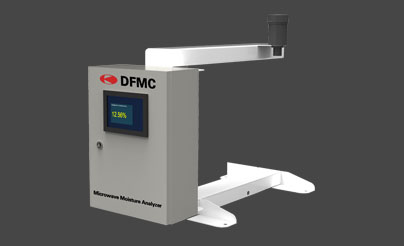
Moisture Meters
Source professional-grade Moisture Meters from vetted manufacturers and wholesale suppliers. Designed for importers, distributors, and brands seeking reliable OEM and private-label production, our network delivers precision testing instruments built for bulk procurement and rigorous industrial applications.
Sourcing industrial and commercial moisture meters requires navigating a highly fragmented manufacturing base where external casing often masks internal sensor quality. Whether you are procuring pin-type meters for lumber applications or non-destructive capacitance meters for concrete and masonry, the core challenge is ensuring batch-to-batch calibration stability. A meter is only as good as its reference curve, and inconsistent component sourcing on the factory floor can lead to severe measurement drift in the final product.
Core Sensor Technologies and Specifications
When negotiating with manufacturers, the internal architecture of the moisture meter dictates its price, accuracy, and target application. The two dominant technologies require different manufacturing competencies.
| Technology | Measurement Method | Typical Accuracy | Primary Applications |
|---|---|---|---|
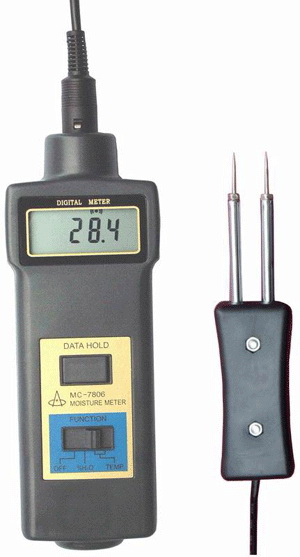
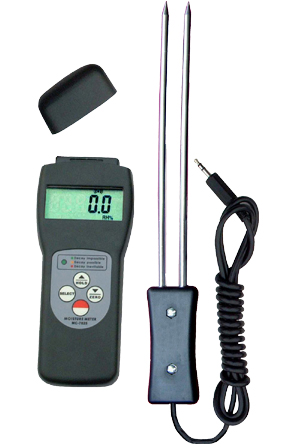
| Pin-Type (Resistance) | Electrical resistance between probes | ±0.5% to ±1.0% | Lumber, drywall, agricultural grains |
| Pinless (Dielectric) | Capacitance / high-frequency sensing | ±1.0% to ±2.0% | Concrete, finished flooring, non-destructive testing |
| Hybrid / Multi-Sensor | Combined resistance and capacitance | Varies by mode | Professional contracting, building inspection |
For pin-type meters, the quality of the electrode pins is critical. Specify hardened steel or stainless steel pins; cheaper alloys will bend or snap in dense hardwoods. For pinless meters, the sensor pad's dielectric tuning must be highly precise, requiring factories to have advanced calibration chambers on-site.
Need to verify a supplier's calibration capabilities before placing a bulk order?
Talk to our teamManufacturing Quality and Common Defects
The primary failure point in wholesale moisture meters is not the digital display, but the analog-to-digital (ADC) conversion and the stability of the reference resistors used on the PCB. Factories competing purely on price often substitute high-tolerance resistors with cheaper alternatives, resulting in meters that drift significantly when ambient temperature changes.
To mitigate this, robust Quality Control & Inspection protocols must be implemented during production, not just before shipment.
Critical Factory Evaluation Points
- Calibration Chambers: Ensure the factory uses controlled humidity and temperature chambers for baseline calibration, rather than relying on mathematical offsets.
- Reference Materials: Verify what standard materials (e.g., specific wood species blocks, standardized concrete slabs) are used on the assembly line.
- PCB Component Tolerance: Specify 0.1% or 1% tolerance resistors in the BOM (Bill of Materials) for the sensing circuit.
- Temperature Compensation: Confirm the presence of an active thermistor to adjust readings based on ambient temperature.
Conducting thorough Factory Audits is essential to confirm that a supplier actually possesses these testing capabilities in-house, rather than outsourcing calibration to third-party labs or skipping it entirely.
MOQs, Pricing, and Lead Times
Procurement costs for moisture meters scale with sensor complexity, housing durability (e.g., over-molded rubber grips, IP-rated enclosures), and the degree of customization.
Off-the-shelf models with simple private labeling can sometimes be negotiated down to lower MOQs, but buyers should be wary of stock lots that have sat in unconditioned warehouses, which can degrade sensor calibration.
Streamline your testing equipment procurement and negotiate better terms with vetted manufacturers.
Get a free consultationFrequently Asked Questions
Successfully sourcing moisture meters at scale requires moving beyond cosmetic evaluations and digging into a manufacturer's electronic engineering and calibration rigor. By specifying component tolerances and enforcing strict testing protocols on the assembly line, you can secure reliable instruments that protect your brand's reputation in the professional market.
Get Sourcing Help for Moisture Meters
Tell us your requirements and our experts will connect you with verified manufacturers.