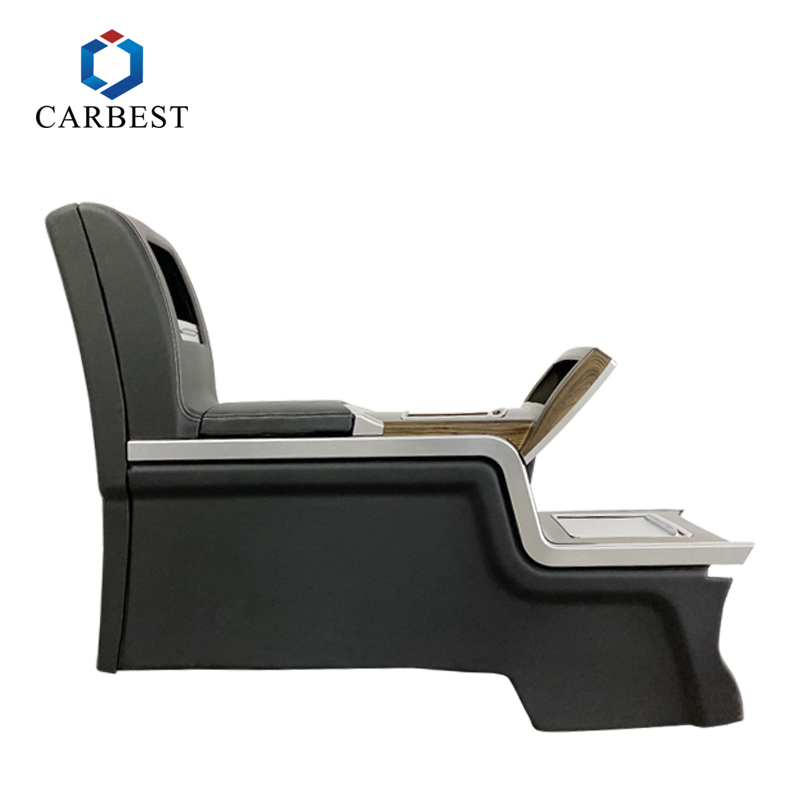
Modified Car Seats
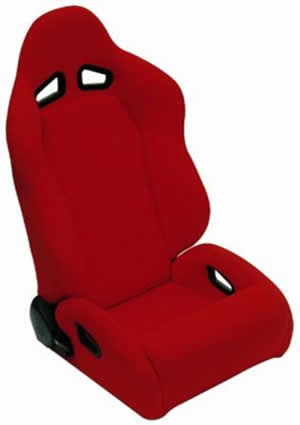
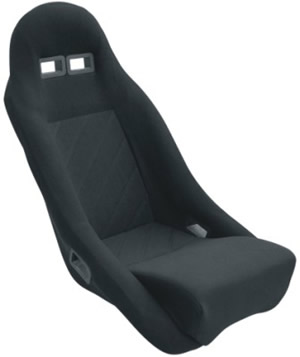
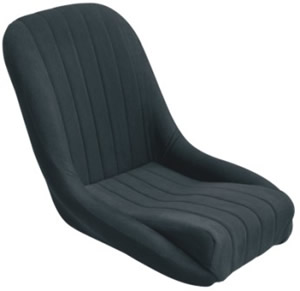
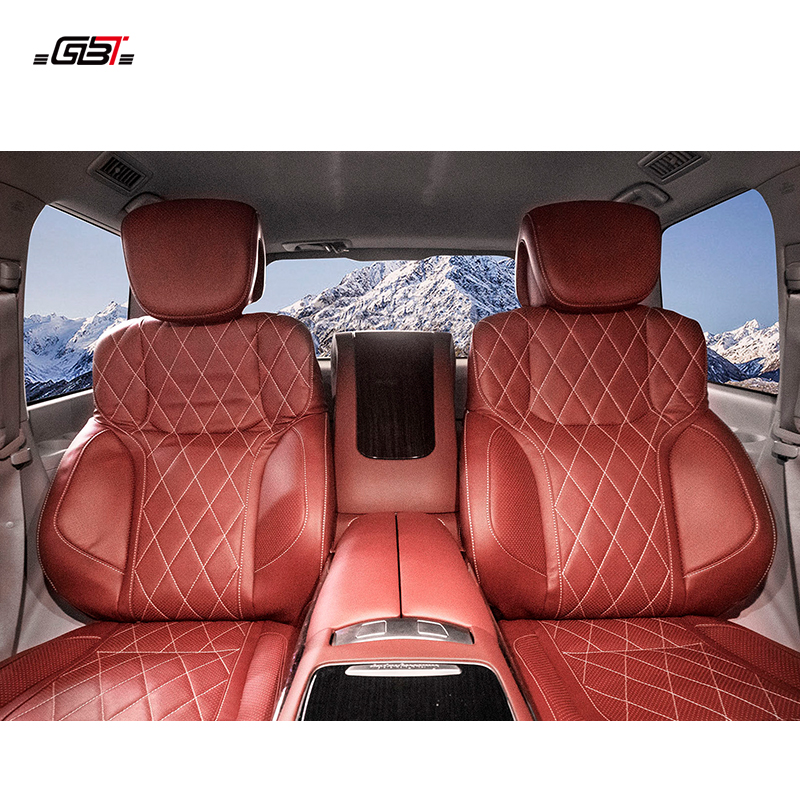
Source premium modified car seats directly from vetted manufacturers and wholesale suppliers. Built for automotive accessory importers, distributors, and brands requiring OEM/ODM production, this catalog connects you with factories capable of delivering custom styling, advanced features, and rigorous safety compliance in bulk.
Sourcing modified car seats—whether luxury captain’s chairs for van conversions or lightweight bucket seats for performance vehicles—requires balancing aggressive aesthetic customization with uncompromising structural integrity. The core challenge in this category is ensuring that a factory's cosmetic capabilities do not mask underlying deficiencies in frame engineering, crash-test compliance, or long-term material durability.
Critical Specifications for Modified Car Seats
When defining your product requirements with a manufacturer, vague specifications lead to inconsistent production. You must dictate the exact materials and engineering tolerances for the three primary components: the frame, the foam, and the upholstery.
| Component | Standard Specification | Premium / Performance Specification |
|---|---|---|
| Internal Frame | Stamped Carbon Steel (Q235) | Tubular Alloy, Carbon Fiber, or Aerospace Aluminum |
| Seat Foam | Cold-Cured PU Foam (40-45 kg/m³) | Dual-Density High-Resilience PU (55-65 kg/m³+) |
| Upholstery | PVC / Standard Microfiber | Top-Grain Nappa Leather, Alcantara, Flame-Retardant Fabrics |
| Mechanisms | Manual sliders, basic recline | 6-to-8 way power adjustment, memory modules, heating/ventilation |
Need help verifying a supplier's engineering capabilities and safety certifications?
Talk to our teamManufacturing Quality Control & Factory Validation
The difference between a reliable supplier and a high-risk vendor is found on the factory floor, particularly in their metalworking and foam injection processes. Because passenger safety is directly tied to seat integrity, conducting comprehensive Factory Audits is non-negotiable before committing to a large order.
Key Production Risk Areas
- Welding Integrity: Seat frames must withstand extreme dynamic loads. Look for factories utilizing automated robotic MIG/TIG welding rather than manual welding to ensure consistent bead penetration and prevent structural failure under stress.
- Foam Injection Molding: Poorly controlled injection processes result in hidden air voids inside the foam cushions. Over time, these voids collapse, causing the seat to sag and the upholstery to wrinkle.
- Electronic Integration: For powered or heated seats, wiring harnesses must be shielded against abrasion and tested for continuous high-load operation.
Pre-Shipment Inspection Checklist for Car Seats
- Pull-testing on seatbelt anchor points (if integrated into the seat).
- Cycle-testing of slider tracks and recline mechanisms (minimum 5,000 cycles).
- Foam rebound resilience and density verification.
- Symmetry and tension checks on upholstery stitching (no puckering).
- Functional testing of all electronic modules (heating, ventilation, massage, memory).
Implementing strict Quality Control & Inspection protocols before the goods leave the factory is the only way to catch mechanical binding, stitching defects, or track misalignment before they impact your customers.
Navigating Compliance and Safety Standards
Modified car seats are highly regulated. Depending on your target market, the seats must meet specific dynamic testing requirements, such as FMVSS 207 in the United States or ECE R17 in Europe.
Certification Verification
Do not take a supplier's word for their safety certifications. Always request the original test reports from recognized third-party laboratories. If you are customizing the frame or mounting points, the seat may require re-testing to ensure compliance.
For brands developing custom structural designs, utilizing professional Compliance & Testing services ensures your products meet regional homologation requirements without costly delays at customs or liability risks down the road.
Wholesale Pricing, MOQs, and Lead Times
Pricing for modified car seats varies drastically based on the level of electronic integration and material quality.
If you are pursuing OEM/ODM Services to create a proprietary seat design, expect significant upfront tooling costs for the metal stamping dies and foam injection molds. To amortize these costs effectively, buyers must plan for higher annual volume commitments.
Looking to optimize your automotive accessory supply chain and negotiate better factory terms?
Get a free consultationFrequently Asked Questions
Successfully sourcing modified car seats requires looking past the showroom finish to validate the engineering, materials, and quality control systems driving the production line. By defining rigorous specifications and enforcing strict inspection protocols, you can secure high-margin, reliable products that enhance your brand's reputation in the automotive aftermarket.
Get Sourcing Help for Modified Car Seats
Tell us your requirements and our experts will connect you with verified manufacturers.