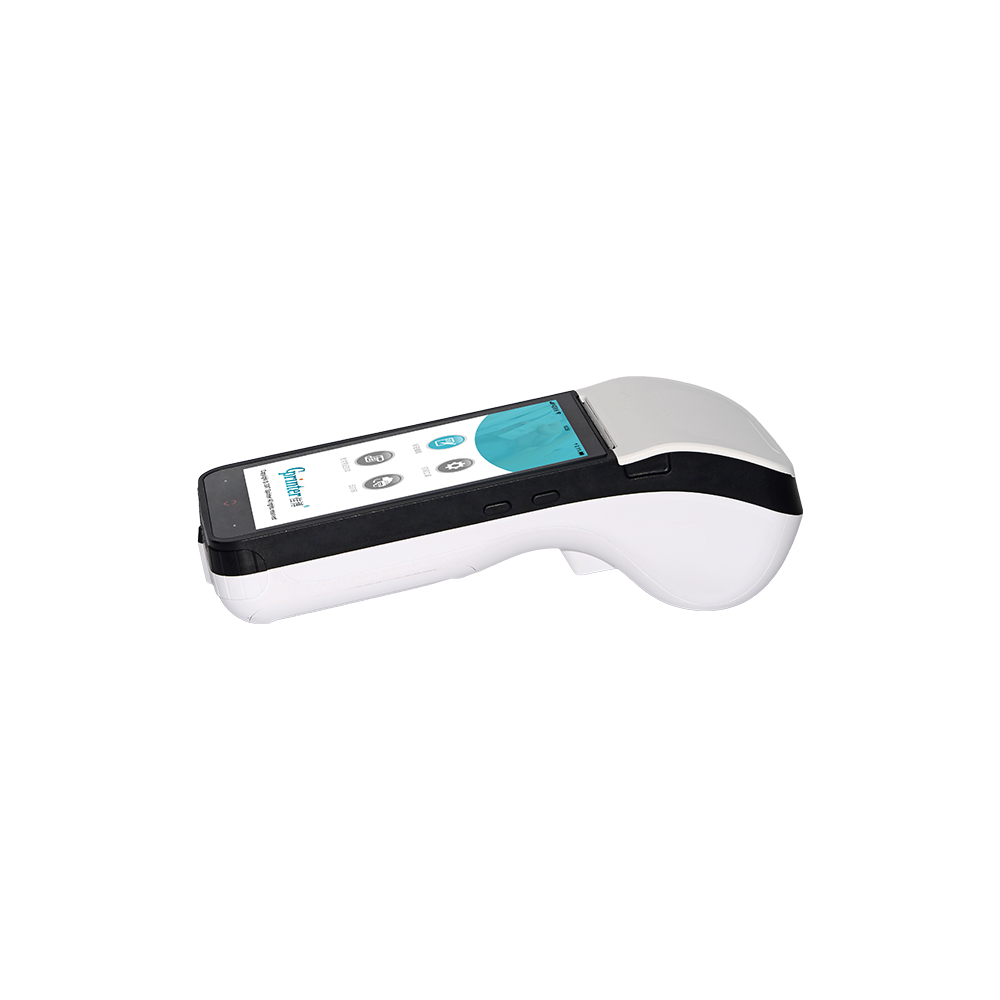
Mobile POS Systems
Source commercial-grade mobile POS systems from vetted manufacturers and wholesale suppliers. Built for importers, distributors, and brands requiring OEM/private-label production, our catalog connects you with factories capable of delivering high-volume, EMV-compliant mobile payment terminals and smart POS hardware.
Sourcing mobile POS (mPOS) systems requires balancing robust hardware durability with stringent global payment security standards. When buying in bulk or developing a custom private-label terminal, the primary challenge lies in verifying that a manufacturer's hardware architecture can seamlessly support secure, certified payment applications while surviving the daily physical abuse of retail and hospitality environments.
Core Hardware Specifications
Specifying an mPOS terminal goes far beyond screen size. Enterprise buyers must dictate the exact internal architecture to ensure longevity in the field. Operating systems are typically locked-down, customized versions of Android, requiring manufacturers with strong firmware development capabilities.
| Specification | Standard Fleet Deployment | Premium Enterprise Use |
|---|---|---|
| Processor | Quad-core 1.3GHz to 1.5GHz | Octa-core 2.0GHz or higher |
| Memory (RAM/ROM) | 1GB RAM / 8GB ROM | 2GB to 4GB RAM / 16GB to 32GB ROM |
| Connectivity | 4G LTE, Wi-Fi 2.4GHz, Bluetooth 4.0 | 5G, Dual-band Wi-Fi (2.4/5GHz), BT 5.0 |
| Battery Capacity | 2500mAh to 3000mAh (3.7V) | 5000mAh+ with fast charging |
| Thermal Printer | 58mm, 40mm/s print speed | 58mm Seiko printer, 70mm/s+ speed |
When assessing a factory's technical competence, review their supply chain for critical components. High-quality terminals rely on established vendors for secure elements (SE), NFC controllers (like NXP), and durable thermal printer heads.
Navigating PCI PTS and EMV certification requirements for a new market? We can help you identify factories with pre-certified base models.
Talk to our teamSecurity Certifications and Compliance
Payment hardware is heavily regulated. A terminal without the correct certifications is useless in most global markets. Do not assume a supplier's claimed certifications apply to your specific configuration or region.
Certification Verification
Always request the Letter of Approval (LoA) for EMV certifications and verify the PCI PTS approval number directly on the PCI Security Standards Council website. Certifications are tied to specific hardware versions; any OEM modification to the casing or internal layout may require recertification.
Key certifications to verify include:
- PCI PTS (PIN Transaction Security): Currently, PCI PTS V6.x is the standard. Avoid sourcing V5.x or older devices for new deployments as they face sunsetting.
- EMV L1 & L2: Required for contact (chip) and contactless payment processing.
- Contactless Schemes: PayPass (Mastercard), payWave (Visa), ExpressPay (Amex), and Discover D-PAS.
If you are modifying a white-label design, managing the testing process is critical. Partnering with experts for Compliance & Testing ensures your customized hardware passes regional regulatory and payment network requirements before mass production.
Quality Control on the Factory Floor
Mobile POS units are deployed in harsh environments. Drop damage, battery degradation, and printer jams are the most common failure points. Effective Quality Control & Inspection must target these specific vulnerabilities during assembly.
Critical Factory Inspections for mPOS
- Secure Boot Verification: Ensure the device triggers a tamper alert and wipes keys if the casing is breached.
- Drop Testing: Minimum 1.2-meter drop test onto concrete on all six faces without housing separation or screen cracking.
- Thermal Printer Aging: Continuous printing tests to verify heat dissipation and prevent paper jams under heavy load.
- Battery Cycle Testing: Verifying charge retention and checking for battery swelling under high-temperature stress.
- NFC Antenna Tuning: Testing read-range consistency across multiple devices to ensure rapid contactless payments.
Pricing, MOQ, and Production Lead Times
The mPOS manufacturing hub is heavily concentrated in Shenzhen, China. Pricing is dictated by the processor tier, memory configuration, and the inclusion of an integrated receipt printer.
If you are developing a proprietary device, utilizing structured OEM/ODM Services is highly recommended. Tooling for custom enclosures and the subsequent recertification process will add significant upfront costs (NRE) and extend lead times by 3 to 6 months.
Need to negotiate MOQs or secure better pricing on custom mPOS builds? Let our sourcing experts manage the factory negotiations.
Get a free consultationFrequently Asked Questions
Successfully sourcing mobile POS systems means looking past the spec sheet and scrutinizing the manufacturer's security architecture, firmware support, and component supply chain. Working with a partner who understands the intricacies of payment hardware manufacturing can prevent costly deployment failures.
Get Sourcing Help for Mobile POS Systems
Tell us your requirements and our experts will connect you with verified manufacturers.