Mobile Phone Cases
Source high-quality Mobile Phone Cases from vetted suppliers and manufacturers across Asia. Designed for importers, distributors, and brands seeking reliable OEM and private-label production, this catalog connects you with factory-direct partners capable of handling large-volume orders with precision and scale.
Sourcing mobile phone cases at scale requires balancing rapid time-to-market with precise manufacturing tolerances. A fraction of a millimeter in shrinkage during injection molding can misalign button covers, block microphone ports, or compromise screen edge protection. When new device models launch, securing reliable production capacity while maintaining strict material standards is the primary challenge for volume buyers.
Material Specifications and Structural Integrity
The foundation of a durable phone case lies in polymer selection and structural design. Standard cases typically rely on Thermoplastic Polyurethane (TPU) for impact absorption and Polycarbonate (PC) for rigid structural support. High-end protective cases often utilize overmolding (co-molding) to fuse these materials seamlessly without relying on adhesives that degrade over time.
| Material Profile | Typical Hardness | Primary Advantage | Manufacturing Vulnerability |
|---|---|---|---|
| Thermoplastic Polyurethane (TPU) | Shore A 65-95 | High impact absorption | UV degradation (yellowing) |
| Polycarbonate (PC) | Rockwell R 115-120 | Optical clarity & rigidity | Stress cracking at injection gates |
| Liquid Silicone Rubber (LSR) | Shore A 30-50 | Premium tactile feel | Inconsistent curing temperatures |
When sourcing clear cases, pay strict attention to the grade of TPU used. Aliphatic TPU resists UV yellowing significantly better than cheaper aromatic TPU, though it commands a higher raw material cost. For magnetic accessories (like MagSafe-compatible cases), specify N52 or N52H grade neodymium magnets. The factory must ensure precise alignment and secure embedding; weak adhesives or improper magnet placement will result in weak charging connections or magnets ripping out during use.
Navigating material specs for a new product line? Let us help you match your technical requirements with the right factory capabilities.
Talk to our teamManufacturing Processes and Quality Control
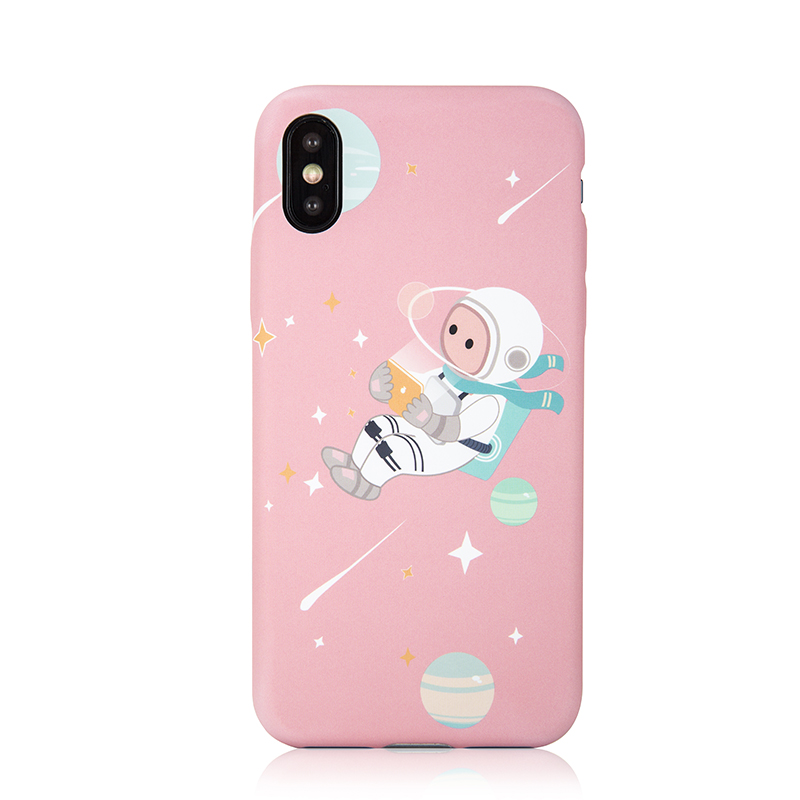
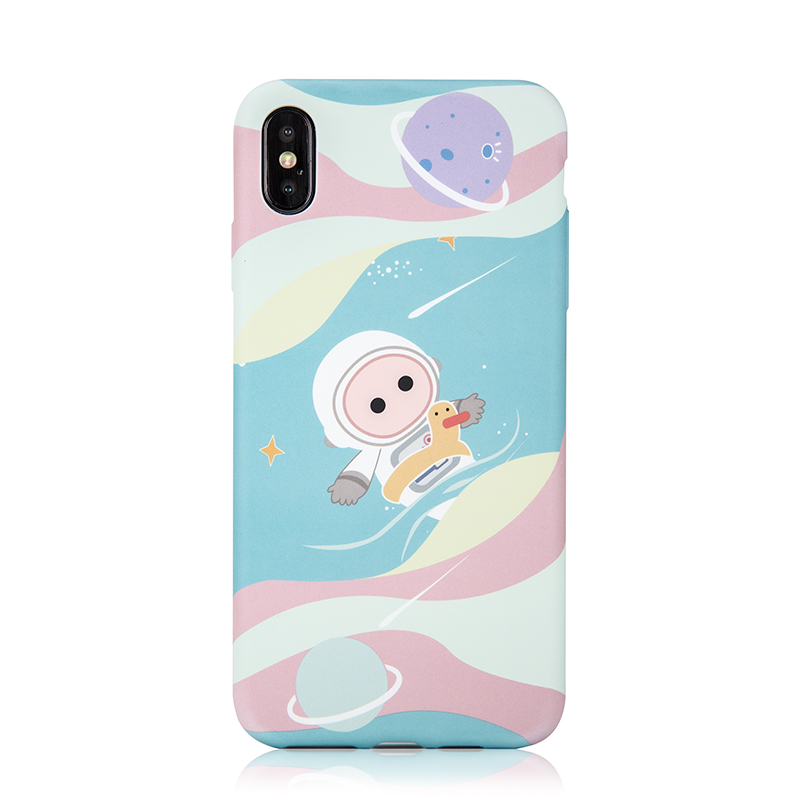
Producing a flawless phone case requires tight control over the injection molding process. Issues like flow marks, sink marks, or flash (excess plastic at the mold seams) indicate poorly maintained tooling or incorrect injection pressure. If you are applying custom graphics, In-Mold Decoration (IMD) or In-Mold Labeling (IML) offers superior durability compared to post-production UV printing, as the graphic is embedded beneath a clear protective layer during molding.
Before committing to a high-volume run, verifying the manufacturer's tooling capability is critical. Conducting thorough Factory Audits ensures the supplier maintains their own CNC equipment for mold maintenance, which drastically reduces downtime when defects occur.
Critical In-Line Quality Checks
- Dimensional tolerance verification (shrinkage must remain under 0.2% for exact fit).
- Button tactility testing (ensuring integrated buttons do not require excessive actuation force).
- Port alignment checks using exact 1:1 physical dummy models of the target device.
- Magnet polarity and pull-force testing for wireless charging compatibility.
- Drop test standard verification (e.g., MIL-STD-810G transit drop testing).
To prevent defective batches from leaving the factory, implement rigorous Quality Control & Inspection protocols. Pre-shipment inspections should focus heavily on cosmetic consistency, parting line finish, and structural fit.
Production Economics: MOQs, Tooling, and Lead Times
Pricing in the mobile phone case market is heavily dictated by material choice, finishing processes (like soft-touch UV coatings), and mold ownership. Off-the-shelf public molds offer lower barriers to entry, while private tooling provides exclusivity but requires upfront investment.
If you are developing a unique form factor or proprietary protective technology, partnering with a supplier experienced in OEM/ODM Services is essential. They can assist in optimizing your CAD files for mold flow, reducing the risk of sink marks and warping in the final product.
Need to streamline your supply chain ahead of the next major device launch? We can coordinate production schedules and ensure capacity.
Get a free consultationFrequently Asked Questions
Success in the mobile phone accessories market requires aligning your production schedule perfectly with major device release cycles. By setting strict material specifications and validating factory tooling capabilities early, you can minimize defect rates and capture market share the moment a new device hits the shelves.
Get Sourcing Help for Mobile Phone Cases
Tell us your requirements and our experts will connect you with verified manufacturers.