Mixers
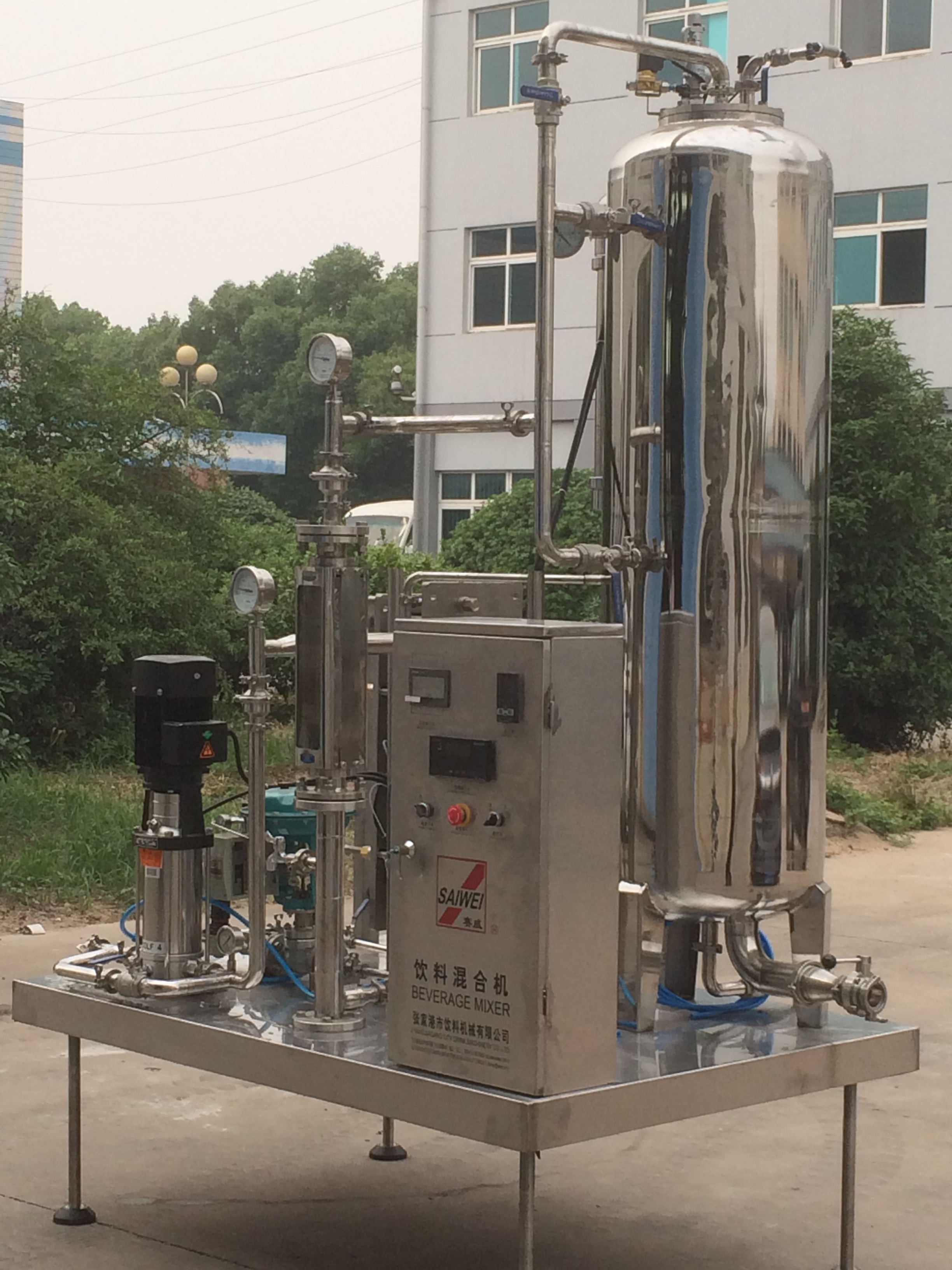
Source industrial beverage mixers directly from vetted manufacturers and suppliers. Designed for importers, wholesalers, distributors, and brands seeking reliable OEM/private-label production, this selection covers high-capacity blending and processing equipment built for rigorous food-grade environments.
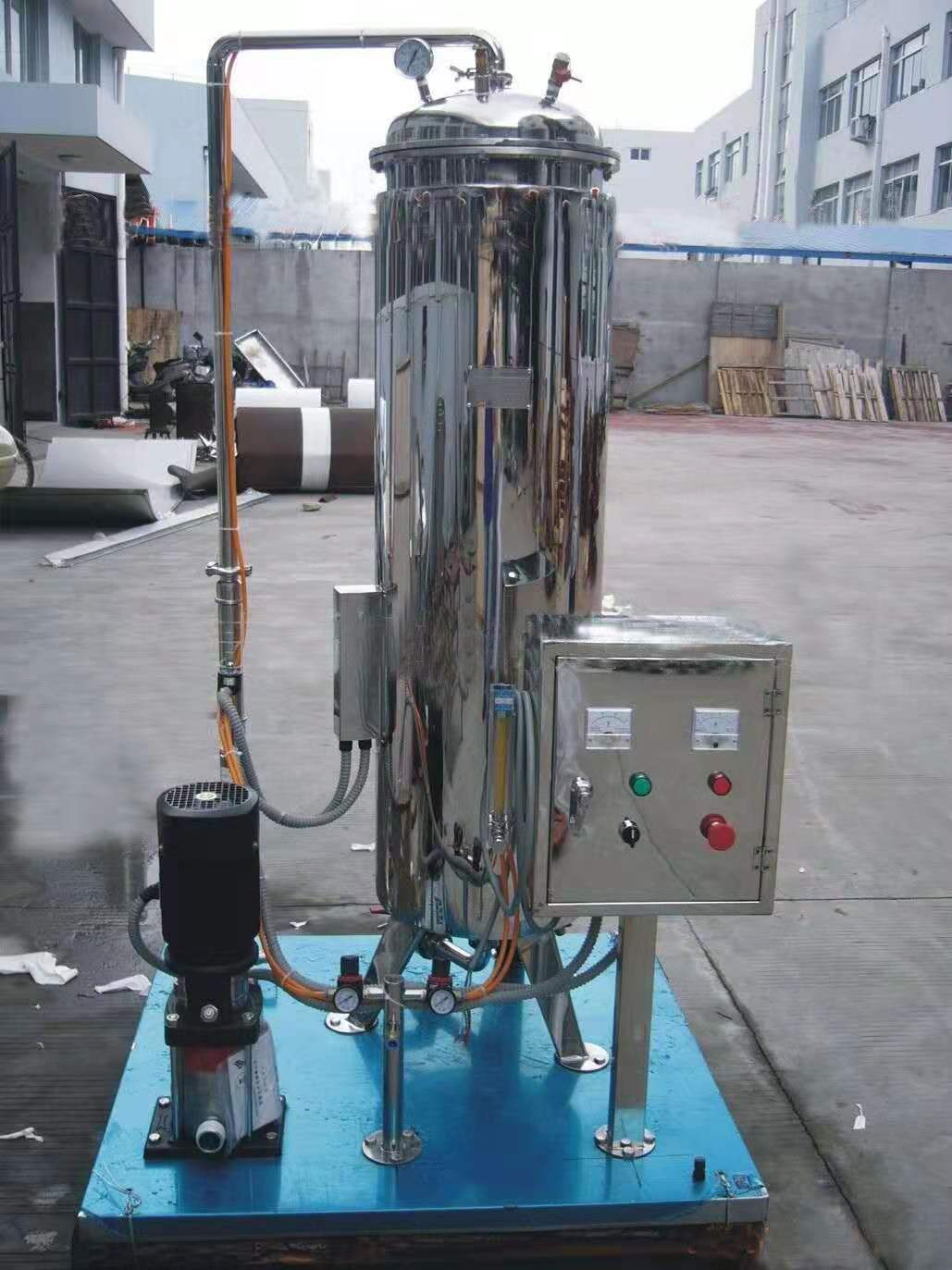
Industrial beverage mixers are the critical bottleneck in any liquid processing line. Whether your facility is blending syrups, dissolving powders into liquids, or homogenizing emulsions, a poorly specified mixer doesn't just slow down production—it risks bacterial contamination, inconsistent batch quality, and costly mechanical failures. Sourcing these units overseas requires moving past standard catalog specifications and strictly defining sanitary requirements, motor reliability, and electrical integration.
Specifying Beverage Mixers for Industrial Lines
When evaluating factory capabilities, the baseline is their ability to customize the mixer to your exact viscosity and flow-rate requirements. Standard off-the-shelf units rarely integrate perfectly into existing processing lines without modification.
You must specify the exact grade of stainless steel for contact and non-contact parts, the type of agitation (high-shear, paddle, magnetic, or inline), and the motor brand. Domestic Chinese motors are cost-effective but often fall short in continuous, high-torque applications. Specifying internationally recognized brands (like Siemens or ABB) for the motor and variable frequency drive (VFD) is standard practice for export-grade machinery.
| Component | Standard Factory Spec | Premium Export Spec |
|---|---|---|
| Contact Material | SUS304 Stainless Steel | SUS316L (Mirror Polished) |
| Motors & Drives | Local Chinese Brands | Siemens, ABB, or SEW |
| Electrical Controls | Basic Relay Logic | PLC/HMI (Allen-Bradley/Siemens) |
| Sealing Mechanism | Standard Mechanical Seal | Double Mechanical Seal with Flush |
Sourcing heavy processing machinery requires rigorous supplier vetting. We identify manufacturers with proven track records in food-grade equipment and manage the technical negotiations on your behalf.
Talk to our teamSanitary Design and Factory Floor Realities
The biggest risk when importing beverage processing equipment is poor sanitary design. Food and beverage machinery must adhere to strict hygiene standards, meaning zero "dead legs" where product can stagnate, and seamless integration with Clean-in-Place (CIP) and Sterilize-in-Place (SIP) systems.
Factories that excel at general industrial mixing often struggle with the precise welding and polishing required for beverage applications. Verifying a supplier's machining capabilities through professional Factory Audits is essential before placing a deposit.
Critical Quality Control Checks for Beverage Mixers
- Weld Quality: All internal welds must be ground flush and polished to a surface roughness of Ra 0.4 micrometers or better.
- Seal Integrity: Double mechanical seals must be pressure tested to prevent both product leakage and external contamination.
- CIP Integration: Spray balls must provide 360-degree coverage without blind spots behind baffles or agitator shafts.
- Material Verification: PMI (Positive Material Identification) testing to confirm SUS316L is actually used for all wetted parts.
Relying on a factory's internal QA is rarely sufficient for complex machinery. Implementing third-party Quality Control & Inspection during assembly and prior to shipment ensures that motors, PLCs, and sanitary finishes meet your exact purchase order requirements before the unit is crated.
Pricing Drivers, MOQs, and Lead Times
Unlike consumer goods, industrial mixers are built to order. Pricing is highly volatile and depends entirely on the capacity (liters per hour or batch size), the motor power required, and the level of automation.
If you are a brand or distributor looking to integrate these mixers into a wider proprietary system, OEM/ODM Services can facilitate custom PLC programming, specific footprint dimensions, and localized electrical panels that comply with your target market's regulations (such as UL or CE).
Need accurate pricing for a specific capacity or custom configuration? We can source quotes from verified beverage machinery manufacturers and structure your landed costs.
Get a free consultationFrequently Asked Questions
When importing industrial beverage mixers, the initial equipment cost is only one part of the equation. Downtime caused by a burned-out motor or a contaminated batch due to poor sanitary welding will quickly erase any savings from buying the cheapest machine. Success requires partnering with manufacturers who understand international food-grade standards and holding them accountable through rigorous, independent inspection.
Get Sourcing Help for Mixers
Tell us your requirements and our experts will connect you with verified manufacturers.