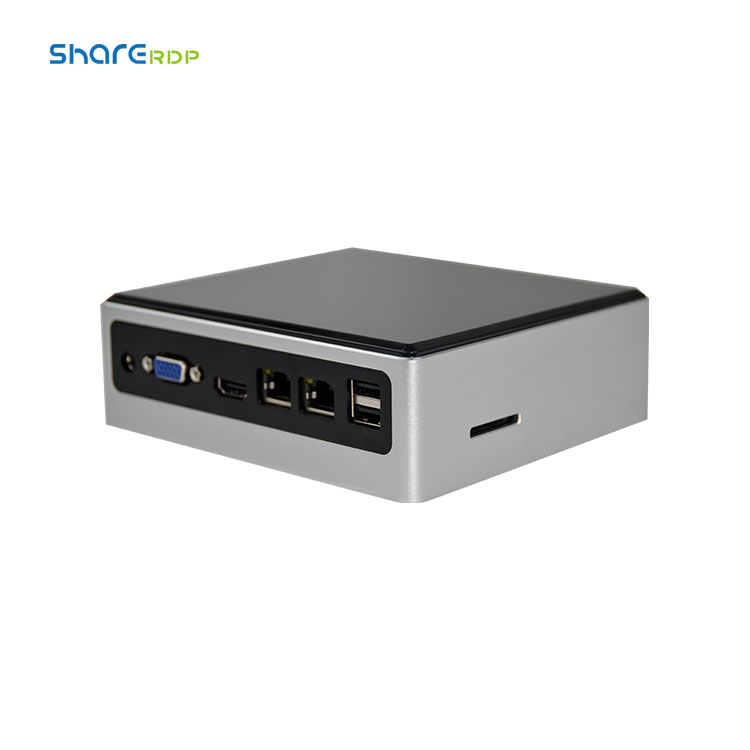
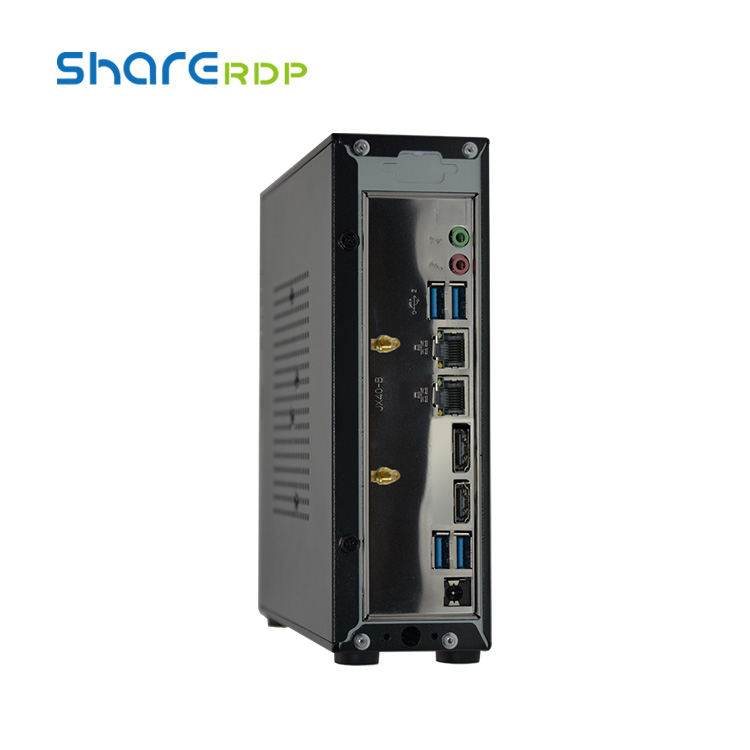
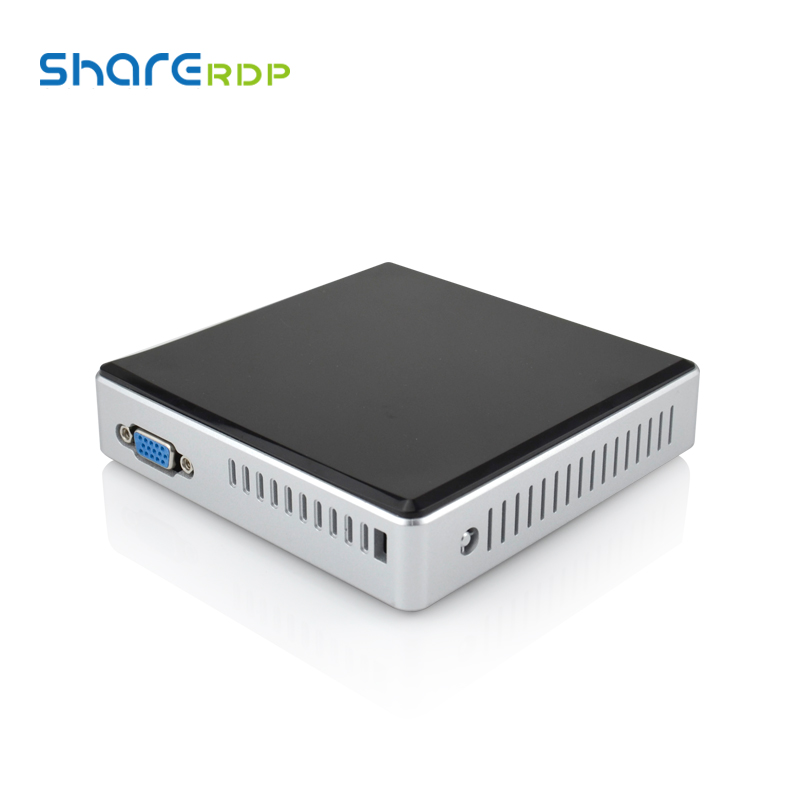
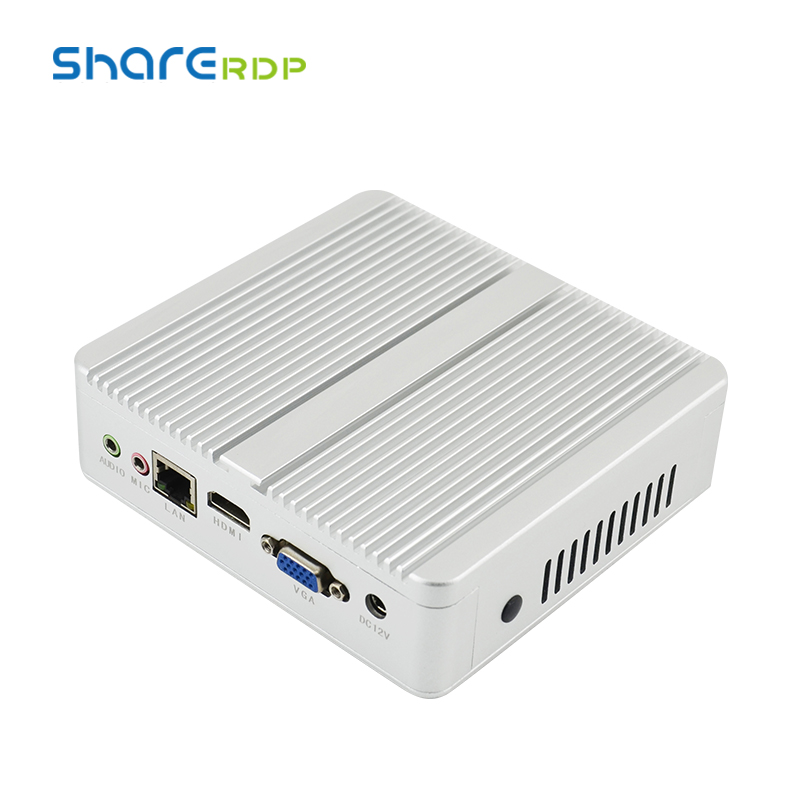
Mini PCs
Source bulk Mini PCs directly from vetted manufacturers and suppliers in China and Asia. Designed for electronics importers, IT distributors, and brands seeking reliable OEM and private-label production. Secure competitive wholesale pricing on high-performance, compact computing hardware.
Sourcing mini PCs at scale requires balancing compute density with thermal reliability. When importing these units in bulk, the difference between a high-return rate and a stable product line lies entirely in PCB layout, component origin, and factory-level burn-in testing. Success in this category depends on identifying assembly partners who maintain strict supply chain control over processors, memory, and storage, rather than relying on gray-market components.
Component Selection and Configuration Strategy
The primary decision when establishing a mini PC supply chain is whether to import barebone systems or fully configured units. This choice impacts everything from import duties to local fulfillment speeds.
| Configuration | Supply Chain Impact | Quality Control Focus | Typical MOQ |
|---|---|---|---|
| Barebone (No RAM/Storage) | Lower import duties, high local flexibility | Motherboard and I/O stability | 100 - 500 units |
| Fully Configured | Ready for retail/deployment immediately | RAM/SSD brand verification | 500+ units |
| Custom OEM/ODM | Requires custom chassis tooling and BIOS | Thermal validation of custom enclosure | 1,000+ units |
When sourcing fully configured units, component substitution is a common risk. Factories may quote based on Tier-1 memory (e.g., Samsung, Crucial) but swap to secondary brands if supply tightens. Specify exact component brands and part numbers in your manufacturing agreement.
Thermal Management and PCBA Quality
The most critical failure point in any small form factor (SFF) computer is thermal throttling. Because mini PCs pack desktop-class or high-end mobile processors into chassis under 2 liters in volume, inadequate cooling leads to premature component degradation.
Watch Out for Inadequate Heatsinks
Some entry-level suppliers cut costs by using extruded aluminum heatsinks instead of skived fin or copper-core designs. Always request thermal performance data under 100 percent CPU load.
When evaluating a supplier's engineering capability, look closely at their PCBA (Printed Circuit Board Assembly) design. Well-engineered mini PCs feature:
- Strategic Component Placement: Heat-generating components (CPU, VRMs, NVMe drives) spaced adequately to prevent thermal hot spots.
- Active Cooling Quality: Fluid dynamic bearing (FDB) fans rather than cheap sleeve bearing fans, ensuring longevity and lower noise levels.
- Passive Cooling Chassis: For fanless industrial mini PCs, the chassis itself acts as the heatsink. Ensure the aluminum alloy used has high thermal conductivity and sufficient fin surface area.
Need to verify a factory's technical capability? We evaluate PCB design and thermal testing protocols before you commit to an order.
Talk to our teamFactory Testing and Quality Control
A reliable manufacturer will not ship a mini PC immediately off the assembly line. Rigorous aging and burn-in testing are mandatory to catch early-life failures in the motherboard or power delivery systems.
Essential Factory-Level QC Checks
- 100% Boot and BIOS verification
- Minimum 8-hour dynamic burn-in test at elevated ambient temperatures (often 40°C to 45°C)
- I/O port functionality testing (every USB, HDMI, DisplayPort, and RJ45 jack)
- Acoustic testing for fan noise and coil whine
- Power adapter safety and output stability verification
To enforce these standards, implementing independent Quality Control & Inspection before shipment is vital. Furthermore, if you are importing into strictly regulated markets (like the EU or North America), ensure the factory can provide valid documentation for CE, FCC, and RoHS. If they cannot, you will need to arrange independent Compliance & Testing.
Pricing Drivers, Lead Times, and MOQs
Mini PC pricing fluctuates heavily based on global silicon availability, particularly for Intel and AMD processors.
If you are pursuing a private-label strategy, engaging a factory for OEM/ODM Services allows you to customize the BIOS (custom splash screens, specific power-on states) and modify the I/O layout. However, custom tooling for a new chassis design will significantly increase both the upfront NRE (Non-Recurring Engineering) costs and the initial lead time.
Ready to negotiate pricing and secure reliable production capacity for your mini PC line?
Get a free consultationFrequently Asked Questions
Sourcing mini PCs requires strict oversight of component supply chains and thermal engineering. By partnering with manufacturers who prioritize rigorous burn-in testing and transparent component sourcing, you can build a reliable, high-performance hardware lineup that minimizes post-sale support costs.
Get Sourcing Help for Mini PCs
Tell us your requirements and our experts will connect you with verified manufacturers.