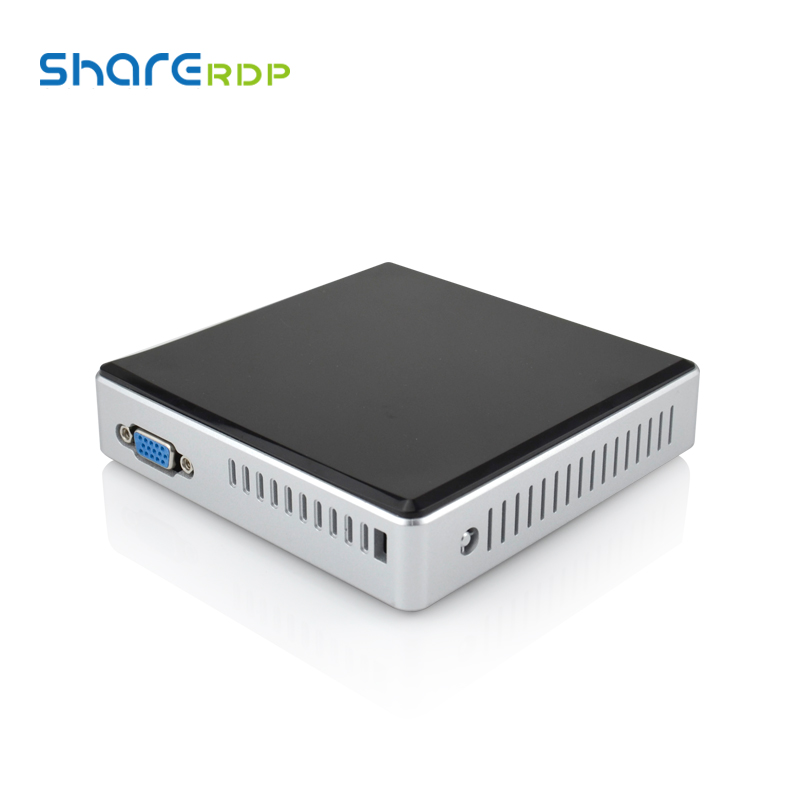
Mini Computers
Source high-performance Mini Computers from vetted Chinese manufacturers and suppliers. Engineered for commercial, industrial, and consumer applications, this category serves importers, electronics distributors, and technology brands looking for reliable wholesale purchasing or custom OEM/ODM production.
Sourcing mini computers at scale requires navigating a complex supply chain of chipsets, memory modules, and thermal management components. Whether you are procuring barebone units for local assembly or fully configured systems for enterprise deployment, the core challenge lies in balancing compact form factors with effective heat dissipation and stable performance. Success depends on partnering with factories that maintain strict surface-mount technology (SMT) standards and rigorous burn-in testing protocols.
Core Technical Specifications to Define
When negotiating with mini PC manufacturers, vague specifications lead to inconsistent batches. You must define the exact bill of materials (BOM) down to the interface standards and thermal design limits.
- Processor & Chipset Generation: Specify the exact CPU tier (e.g., Intel Core i3/i5/i7 or AMD Ryzen equivalents) and generation. Older generation chips are often used by lower-tier suppliers to cut costs, which impacts both performance and long-term driver support.
- Thermal Design Power (TDP): Mini PCs typically utilize mobile processors with TDPs ranging from 15W to 45W. Ensure the supplier's chassis and active/passive cooling solutions are rated to handle the maximum TDP under sustained load without thermal throttling.
- Memory and Storage Interfaces: Clarify whether the motherboard supports DDR4 or DDR5 SO-DIMM, and specify the storage interfaces (e.g., PCIe 3.0 vs. PCIe 4.0 NVMe M.2 slots, plus SATA III availability for 2.5-inch drives).
- I/O and Connectivity: Industrial and commercial buyers must explicitly list required ports (dual/triple display outputs via HDMI/DisplayPort, dual Gigabit or 2.5GbE LAN, COM ports for industrial use) and wireless standards (Wi-Fi 6/6E and Bluetooth 5.2).
Struggling to verify supplier BOMs and component authenticity? Let us handle the technical vetting and factory negotiations.
Talk to our teamOEM/ODM Customization Options
Most buyers source mini computers via OEM/ODM Services rather than buying off-the-shelf designs. Factories typically offer several levels of customization based on your order volume.
| Customization Level | Typical Modifications | Volume Requirement |
|---|---|---|
| White Label (Minimal) | Logo printing on standard chassis, custom packaging | Low to Medium |
| BIOS/Firmware Customization | Custom boot logo, pre-configured BIOS settings, OS imaging | Medium |
| Full ODM (Custom Chassis) | Unique CNC or injection-molded housing, custom I/O layout | High |
Manufacturing Quality and Inspection Points
The reliability of a mini PC is determined on the SMT line and in the testing lab. Poor solder joints or inadequate thermal paste application will cause premature failure in the field. Implementing robust Quality Control & Inspection is non-negotiable.
Critical Factory Inspection Focus Areas
- SMT Line Quality: Verify automated optical inspection (AOI) usage for motherboard soldering.
- Thermal Application: Check for automated or highly standardized thermal paste/pad application to prevent CPU overheating.
- Burn-in Testing: Ensure units undergo 100 percent burn-in testing (typically 12 to 24 hours) at elevated temperatures (often 40 to 45 degrees Celsius).
- I/O Stress Testing: Verify that all USB, LAN, and display ports are tested for functionality and physical durability.
Before committing to a high-volume order, conducting thorough Factory Audits helps confirm that the supplier actually owns their SMT lines rather than outsourcing motherboard production to unverified third parties.
Buying Mechanics: Pricing, MOQs, and Compliance
Mini computer pricing is highly volatile, driven primarily by the global spot market for CPUs, RAM, and NAND flash storage.
Barebone vs. Fully Configured
Purchasing barebone systems (chassis, motherboard, CPU, and power supply) allows you to source RAM and SSDs locally or from specialized memory suppliers. This strategy often reduces import duties (as barebones may be classified differently than complete computers) and provides flexibility to build-to-order for your clients. Fully configured systems require strict Compliance & Testing (FCC, CE, RoHS, UL for power adapters) to ensure they meet the regulatory standards of your destination market.
Need help structuring your supply chain for barebone imports vs. fully assembled units? We can optimize your purchasing strategy.
Get a free consultationFrequently Asked Questions
Successfully sourcing mini computers means looking past the spec sheet and scrutinizing the factory's engineering and quality control capabilities. By controlling the BOM and enforcing strict burn-in testing, you can deliver reliable computing solutions that protect your brand's reputation. If you need experienced oversight on the ground in Asia to manage this process, our team is ready to assist.
Get Sourcing Help for Mini Computers
Tell us your requirements and our experts will connect you with verified manufacturers.