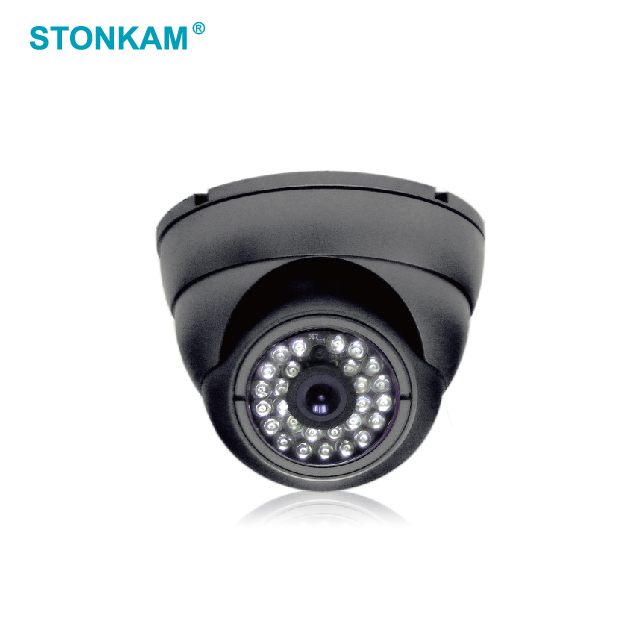
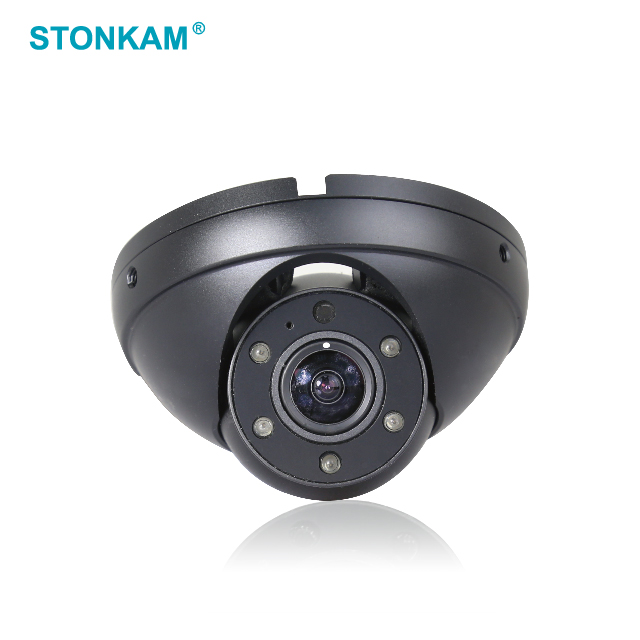
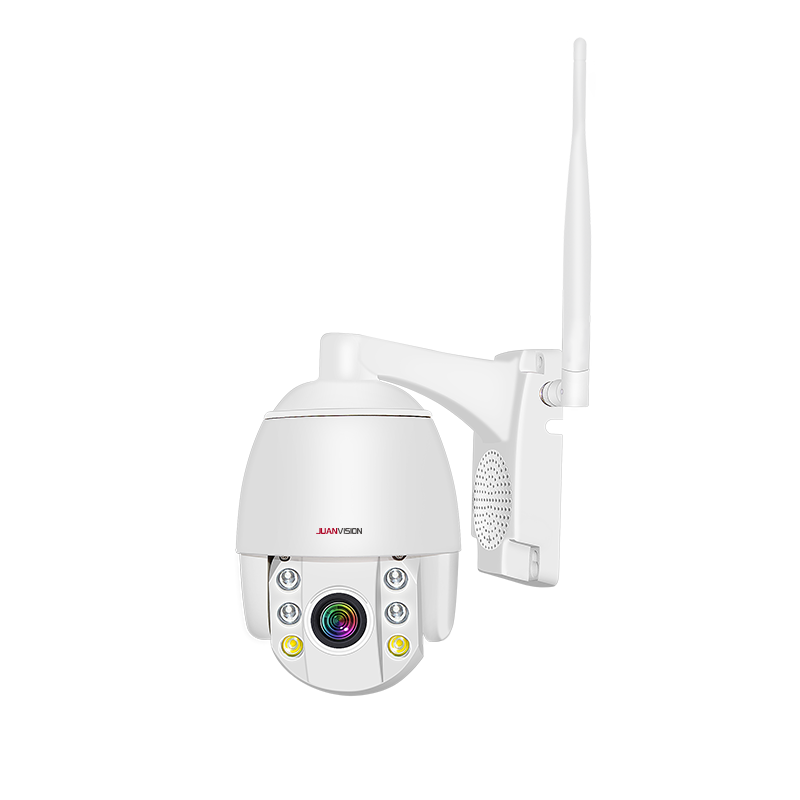
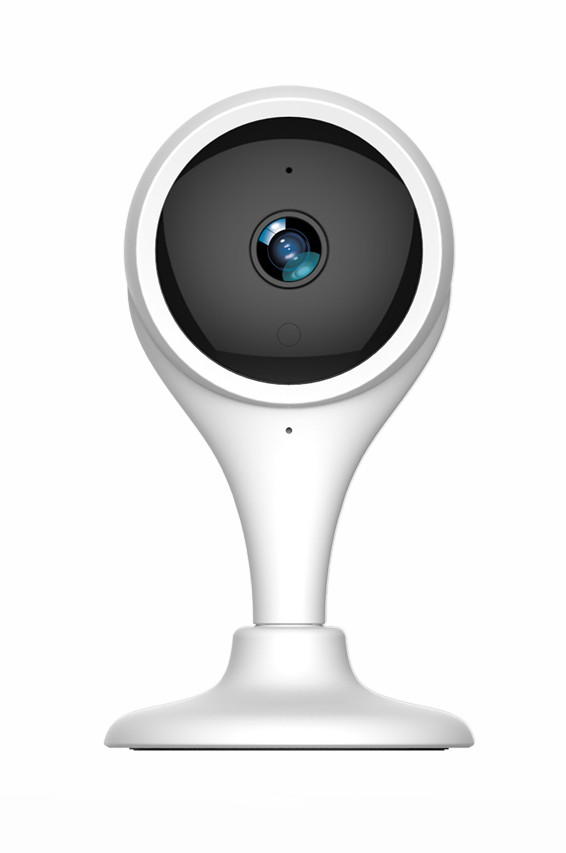
Mini Cameras
Source wholesale Mini Cameras from vetted Chinese manufacturers and verified suppliers. Designed for importers, security equipment distributors, and brands seeking reliable OEM and private-label production. Secure competitive bulk pricing on high-performance, compact surveillance hardware built to your exact technical specifications.
Sourcing mini cameras in bulk requires navigating a complex trade-off between physical footprint, thermal management, and power efficiency. When the housing shrinks, the margin for error in PCB layout and component selection disappears. For professional buyers, the challenge isn't finding a factory that can assemble a small camera; it is finding a manufacturing partner capable of delivering consistent image clarity, stable firmware, and safe battery integration at scale without thermal throttling.
Core Component Specifications
The performance of a mini camera is dictated by its internal architecture. Off-the-shelf white-label units often cut corners on the System on Chip (SoC) or image sensor, leading to poor low-light performance and excessive heat generation. When negotiating with suppliers, you must specify the exact component tiers required for your market.
| Component | Standard Commercial | Premium / Professional |
|---|---|---|
| Image Sensor | Omnivision or standard CMOS (1/4-inch) | Sony IMX Series (1/2.8-inch or larger) |
| SoC / Chipset | Generic / Entry-level Ingenic | Novatek, SigmaStar, or Ambarella |
| Video Compression | H.264 (Higher bandwidth/storage) | H.265 (HEVC) for efficient local storage |
| Battery Chemistry | Standard Li-ion (cylindrical/pouch) | High-density Li-Po with advanced BMS |
Thermal Management in Micro Housings
Heat is the primary enemy of compact surveillance devices. A high-resolution sensor paired with a Wi-Fi module in a tight enclosure will generate significant heat. If the manufacturer has not designed an adequate thermal path—often relying on thermal pads bridging the main PCB to an alloy inner frame—the camera will suffer from thermal noise (image degradation) or premature component failure.
Struggling to find a manufacturer that meets your exact technical and thermal specifications? We can help you identify and vet capable suppliers.
Talk to our teamManufacturing Quality and Defect Control
Consistent production of mini cameras relies heavily on the precision of Surface Mount Technology (SMT) lines and the cleanliness of the final assembly environment. Dust inside the lens assembly or poor soldering on the Wi-Fi antenna are common failure points that must be caught before shipping.
Implementing robust Quality Control & Inspection protocols is essential. Relying solely on the factory's internal QA often results in a higher acceptable failure rate than Western markets tolerate.
Critical In-Line & Pre-Shipment Checks
- Lens Focus & Alignment: Verifying focal length consistency across the batch, especially for wide-angle lenses.
- Wi-Fi/RF Antenna Calibration: Testing signal strength and stability through the device's specific housing material.
- Thermal Load Testing: Running the device at maximum resolution for extended periods to monitor heat dissipation.
- Battery Management System (BMS): Ensuring overcharge, deep discharge, and short-circuit protections trigger correctly.
- Firmware Stability: Batch testing app connectivity, motion detection triggers (PIR), and loop recording functionality.
OEM/ODM Customization Capabilities
If you are developing a proprietary product, you will need a factory with strong R&D capabilities. Modifying a mini camera goes beyond printing a logo on the casing. True OEM/ODM Services involve custom PCB layouts to fit unique form factors, proprietary firmware development, and integration with specific cloud ecosystems or mobile applications (like Tuya or custom-built apps).
When evaluating a factory for custom work, assess their in-house engineering team. A supplier that outsources their PCBA design or app development will struggle to provide timely firmware updates or troubleshoot complex integration bugs.
MOQs, Lead Times, and Sourcing Realities
Pricing for mini cameras is highly volatile, driven by the global supply of image sensors and memory chips. The bulk of reliable manufacturing is clustered in Shenzhen and Dongguan, where the electronics supply chain is deeply integrated.
Certification Compliance
Mini cameras containing batteries and wireless modules require stringent compliance testing. Ensure your supplier can provide valid CE, FCC, and RoHS test reports from accredited third-party labs, or budget for Compliance & Testing before importing.
Need to audit a factory's production capabilities or negotiate better terms? Let our on-the-ground team manage the process.
Get a free consultationFrequently Asked Questions
Successfully sourcing mini cameras requires looking past the outer casing to scrutinize the internal components, thermal design, and the factory's assembly precision. Partnering with a team that understands the nuances of electronic manufacturing ensures your product performs reliably in the field.
Get Sourcing Help for Mini Cameras
Tell us your requirements and our experts will connect you with verified manufacturers.