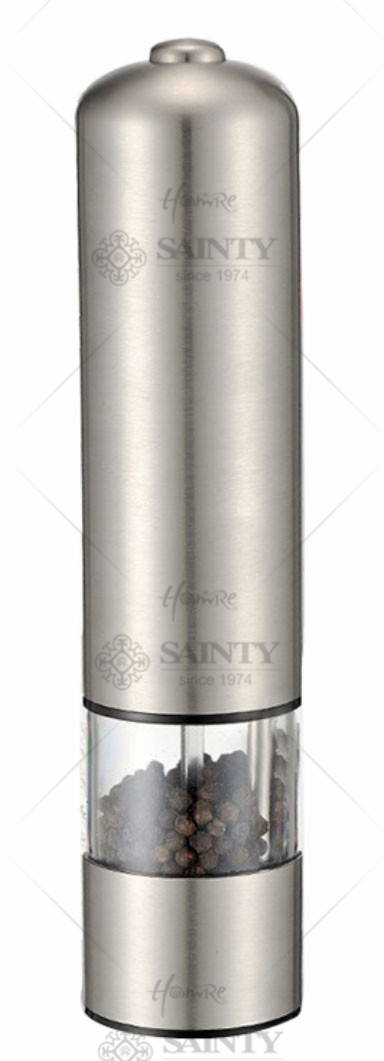
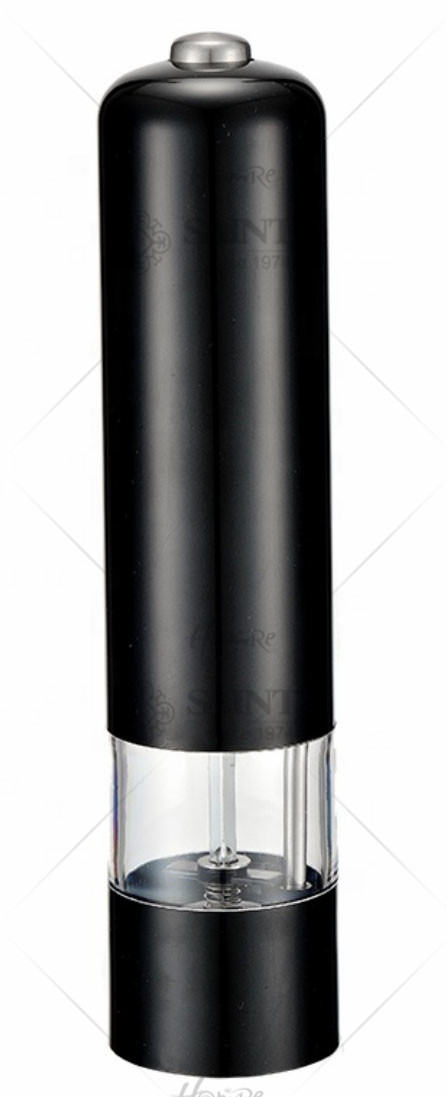
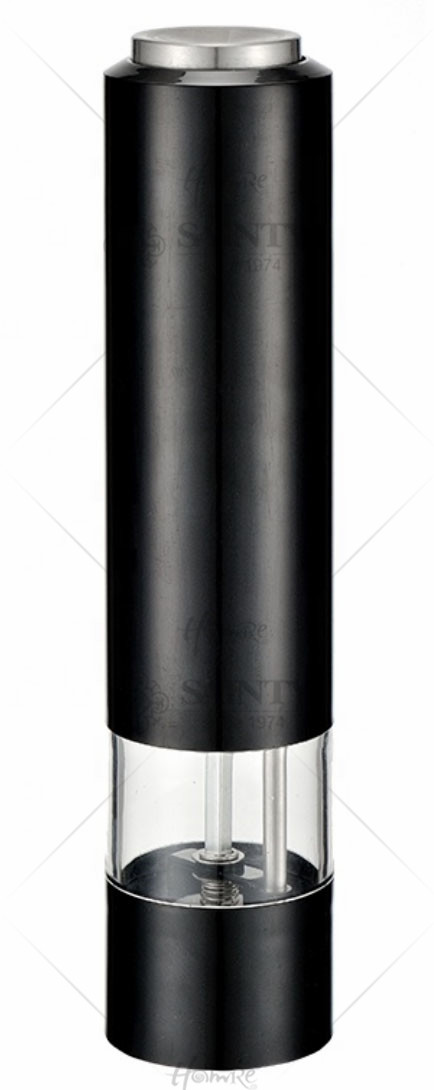
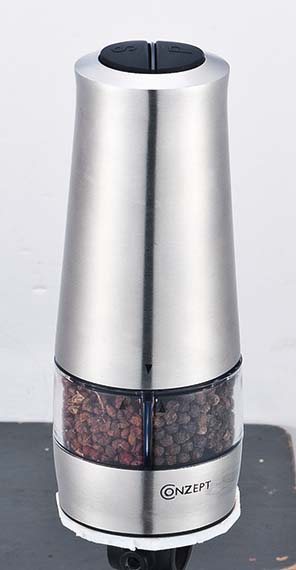
Mills
Source high-quality mills from vetted suppliers and manufacturers across Asia. Designed for importers, distributors, and kitchenware brands requiring reliable bulk supply or OEM/private-label production. Secure competitive wholesale pricing on precision grinding tools built for durability and food safety compliance.
Sourcing mills in volume requires balancing exterior aesthetics with interior precision. A mill is a functional tool first; if the grinding mechanism fails, jams, or rusts, the premium casing loses its value. For procurement teams and kitchenware brands, the primary challenge is identifying manufacturers capable of maintaining tight tolerances on the spindle and burrs while delivering consistent finishes on wood, acrylic, or metal bodies.
Specifying the Grinding Mechanism
The heart of any mill is the burr or blade. Specifying the wrong material for the intended spice leads to rapid degradation, customer complaints, and high return rates. Factories typically offer three primary mechanism types, and aligning these with the end-use is critical.
| Material | Primary Application | Key Advantage | Vulnerability |
|---|---|---|---|
| Alumina Ceramic | Salt, Pepper, Spices | Highly corrosion resistant | Brittle if dropped on hard surfaces |
| Carbon Steel | Pepper only | Extremely sharp, fast grind | Oxidizes rapidly if exposed to moisture or salt |
| Stainless Steel | Pepper, Spices | Durable, rust resistant | Edges dull faster than high-carbon steel |
Need help verifying supplier mechanism specifications and assembly tolerances?
Talk to our teamMaterial Sourcing & Assembly Tolerances
Wood—such as beech, acacia, and walnut—remains the dominant material for premium mills. However, improper kiln drying at the factory level leads to warping, which misaligns the internal shaft and causes uneven grinding or total failure. Ensure your supplier guarantees a wood moisture content of under 12 percent before turning the blanks.
For food safety, all internal components—including the shaft, spring, and housing—must pass strict compliance and testing standards such as FDA or LFGB. This is particularly critical for acrylic mills, which must be certified BPA-free and resistant to clouding over time.
Critical Factory QC Checks for Mills
- Shaft alignment: The central spindle must be perfectly plumb to prevent burr scraping.
- Adjustment threading: The top nut or bottom ring must hold tension without loosening during continuous use.
- Internal finishing: Smooth turning with no wood tear-out or acrylic burrs on internal bored chambers.
- Grind consistency: Sieve testing output to ensure uniform particle size at various settings.
Applying rigorous quality control and inspection protocols during assembly prevents these common mechanical failures from reaching your shipments.
Production Mechanics: OEM, MOQs, and Pricing
Developing custom profiles, unique finishes, or integrating proprietary grinding mechanisms requires capable OEM/ODM services. Tooling for custom acrylic molds or specialized metal extrusions will add to initial lead times, while standard wooden shapes turned on CNC lathes can be produced relatively quickly.
Optimize your unit costs and lead times with a tailored sourcing strategy.
Get a free consultationFrequently Asked Questions
Securing a reliable supply of kitchen mills means looking past the exterior finish to validate the engineering within. Partnering with experienced sourcing professionals ensures your specifications are met from the raw material stage through final assembly, protecting your brand's reputation for quality.
Get Sourcing Help for Mills
Tell us your requirements and our experts will connect you with verified manufacturers.