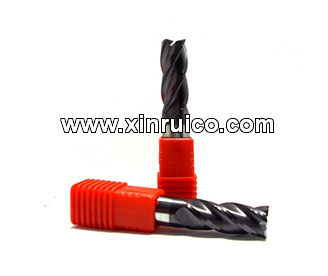
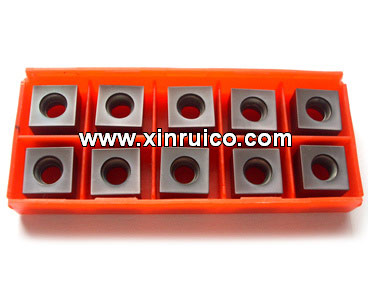
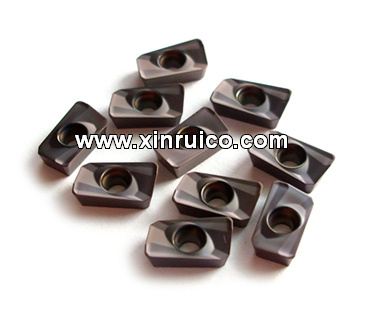
Milling Cutters
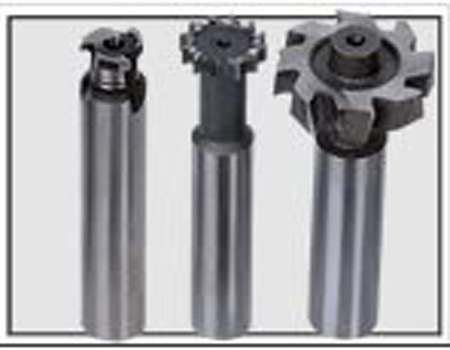
Source high-performance milling cutters from vetted suppliers and manufacturers across Asia. Designed for industrial tooling distributors, wholesalers, and brands requiring reliable OEM production, our network delivers precision solid carbide and HSS cutters built to exacting tolerances for demanding machining applications.
Sourcing industrial milling cutters in bulk requires balancing raw material integrity with micro-precision grinding. The difference between a high-performance tool and one that suffers premature edge failure lies entirely in the factory's equipment capabilities, raw material selection, and rigorous quality management. When importing cutting tools at scale, ensuring consistency across thousands of pieces is the primary challenge.
Core Specifications for Bulk Sourcing
When engaging with manufacturers, defining the exact specifications of the cutter is critical. The foundation of any end mill or face mill is the substrate material, which dictates the tool's wear resistance and toughness.
Solid carbide is the standard for high-speed machining, but not all carbide is equal. The grain size of the tungsten carbide powder directly impacts performance. Ultra-fine grain sizes provide higher hardness and better wear resistance, while slightly coarser grains offer better impact resistance for interrupted cuts.
| Grain Size | Typical Hardness (HRA) | Primary Application |
|---|---|---|
| Standard (1.0µm - 1.2µm) | 90 - 91 | General purpose, softer steels |
| Sub-micron (0.6µm - 0.8µm) | 91 - 92.5 | Cast iron, standard stainless steel |
| Ultra-fine (0.2µm - 0.4µm) | 93+ | Hardened steel, titanium alloys |
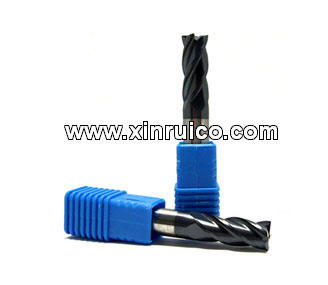
Beyond the substrate, you must specify the exact geometry: flute count (typically 2 to 6 for standard operations), helix angle (e.g., 35 degrees for general use, 45 degrees for aluminum), and edge preparation (honing or chamfering).
Factory Capabilities: Where Quality is Won or Lost
The precision of a milling cutter is determined on the grinding floor. Top-tier Chinese and Taiwanese manufacturers utilize advanced 5-axis CNC tool grinders from brands like ANCA, Rollomatic, or Walter. Factories relying on older or manual grinding equipment cannot consistently hold the micro-tolerances required for high-performance machining.
Need to verify a supplier's grinding equipment and raw material sources? Our team can help evaluate their production floor.
Discuss factory capabilitiesWhen vetting a new supplier, it is highly recommended to conduct thorough factory audits to verify their machinery, maintenance schedules, and raw material sourcing. A factory claiming to produce ultra-fine carbide tools should be able to provide traceability documents back to reputable tungsten powder suppliers.
Advanced Coatings
Coatings extend tool life and allow for higher cutting speeds. The application method (typically PVD - Physical Vapor Deposition) and the specific chemical composition must match the end user's application:
- TiAlN (Titanium Aluminum Nitride): Excellent thermal stability, ideal for dry machining and high temperatures.
- AlTiN (Aluminum Titanium Nitride): Higher aluminum content for even greater heat resistance, used in hardened steels.
- DLC (Diamond-Like Carbon): Extremely low friction coefficient, perfect for aluminum and non-ferrous materials to prevent built-up edge (BUE).
Quality Control & Inspection Protocols
A rigorous quality control protocol is non-negotiable when purchasing milling cutters in volume. Defects in cutting tools are often microscopic but have catastrophic effects on a CNC machine's spindle or the workpiece.
Critical Pre-Shipment Checks for Milling Cutters
- Runout (TIR): Must be under 0.005mm to ensure even chip load and prevent premature wear.
- Dimensional Accuracy: Verify cutting diameter, shank diameter (typically h6 tolerance), and overall length.
- Coating Adhesion: Check for flaking or uneven deposition, particularly on the cutting edge.
- Edge Preparation: Inspect under magnification for micro-chipping or inconsistent honing.
- Dynamic Balancing: Essential for large diameter indexable milling cutters used in high-speed operations.
Pricing, MOQs, and Lead Times
Pricing for milling cutters is driven primarily by the cost of the raw tungsten carbide, the complexity of the grinding program, and the type of PVD coating applied.
For brands looking to establish their own line of tooling, OEM/ODM services allow for custom geometries, proprietary coatings, and laser-marked shanks with your brand logo. Standard, off-the-shelf geometries will always carry lower Minimum Order Quantities (MOQs) and shorter lead times than custom profiles.
Looking to optimize your cutting tool procurement? Speak to our team about consolidating your orders and negotiating better terms.
Get a sourcing quoteFrequently Asked Questions
Successfully sourcing milling cutters at scale requires moving beyond simple price comparisons. By focusing on raw material traceability, verifying the exact CNC grinding equipment used on the factory floor, and enforcing strict runout tolerances during pre-shipment inspection, buyers can secure tooling that competes with premium global brands at a fraction of the cost.
Get Sourcing Help for Milling Cutters
Tell us your requirements and our experts will connect you with verified manufacturers.