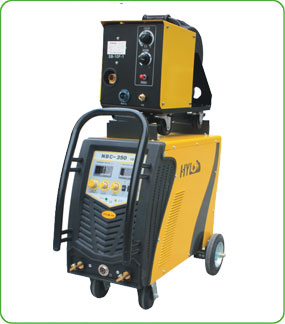
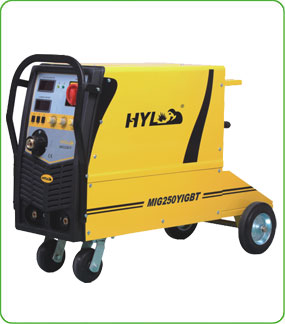
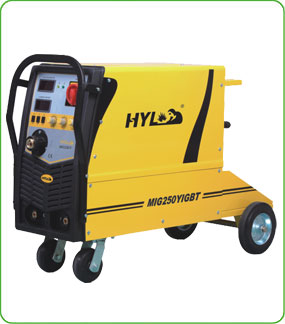
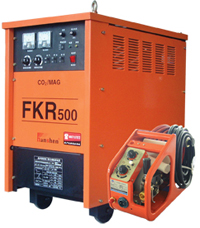
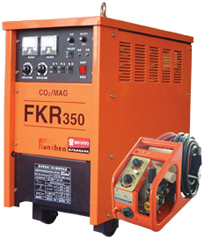
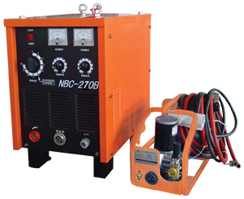
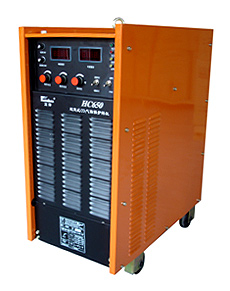
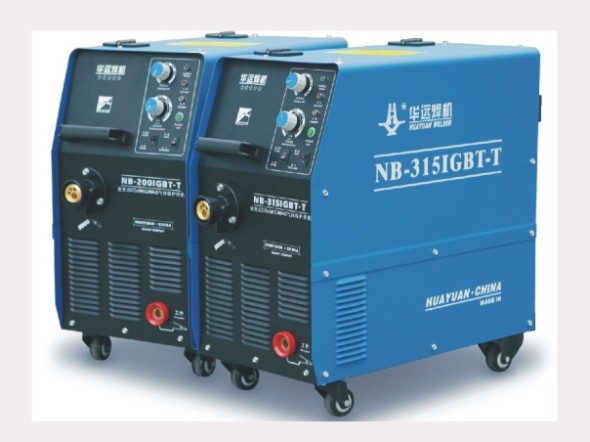
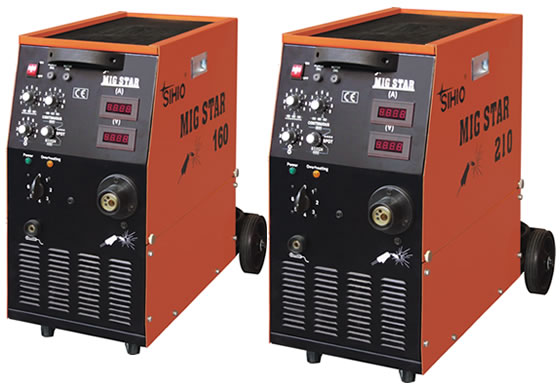
MIG Welders
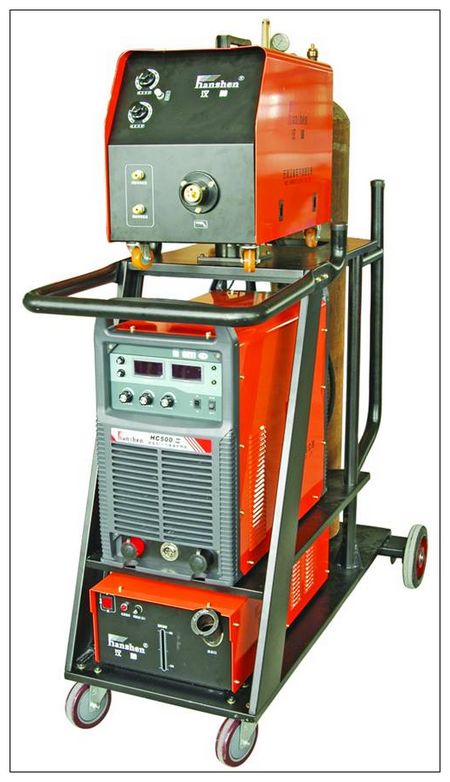
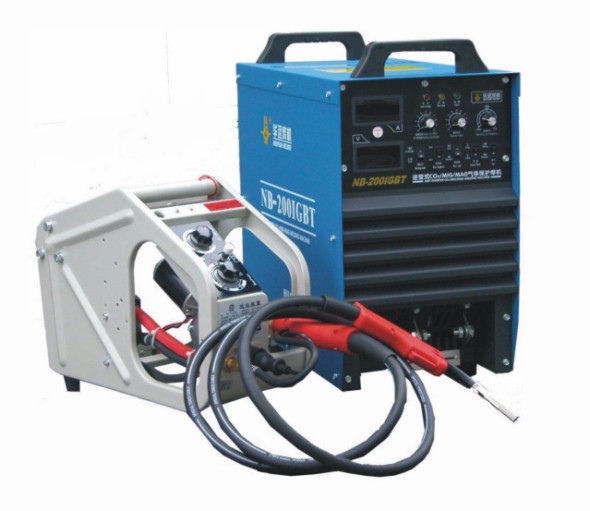
Source commercial-grade MIG welders from vetted manufacturers and suppliers. Designed for importers, industrial distributors, and brands seeking OEM/ODM production, our network delivers reliable, high-duty-cycle welding equipment built for global markets.
Sourcing MIG (Metal Inert Gas) welders at scale requires navigating a complex manufacturing landscape where on-paper specifications often mask underlying component quality. The primary challenge for volume buyers is ensuring that the manufacturer's internal architecture—specifically the inverter technology, thermal management, and wire feed mechanisms—can sustain prolonged industrial use without premature failure.
Critical Component Specifications
When evaluating a factory's MIG welding equipment, the difference between a high-return-rate consumer unit and a reliable industrial machine lies in the internal build sheet.
- Inverter Technology: Modern units utilize IGBT (Insulated-Gate Bipolar Transistor) technology. High-end industrial units typically specify branded IGBT modules (such as Infineon) rather than generic single-tube MOSFETs, ensuring better thermal stability and arc control.
- Wire Drive Systems: The wire feed mechanism is a common point of failure. Industrial units require cast aluminum drive assemblies with 4-roll systems for consistent feeding, especially when pushing softer wires like aluminum over longer distances.
- Transformer and Choke Materials: Verify whether the factory uses 100 percent copper winding or copper-clad aluminum (CCA). CCA reduces costs but severely impacts the machine's duty cycle and longevity under heavy load.
| Component | Light Commercial Build | Heavy Industrial Build |
|---|---|---|
| Wire Drive Assembly | 2-roll, partial plastic housing | 4-roll, full cast aluminum |
| Inverter Module | Discrete MOSFETs | Integrated IGBT Modules |
| Cooling System | Standard AC fan, continuous | On-demand intelligent cooling |
| Internal Wiring | Standard routing, minimal coating | Conformal coated PCBs, heavy gauge |
Struggling to verify the internal component quality of your current suppliers? Let our technical sourcing team evaluate their build sheets and manufacturing processes.
Get a free consultationManufacturing Quality & Factory Validation
The assembly of a MIG welder involves high-voltage electronics, heavy transformers, and precision mechanics. A supplier's quality control protocols directly dictate your defect rate. Before committing to a large order, robust Factory Audits are essential to verify their testing infrastructure.
Key Factory Quality Control Checkpoints
- PCB Conformal Coating: Ensures boards are protected from conductive metal dust common in fabrication shops.
- Burn-in Testing: Units must be run at maximum rated output under a resistive load bank to verify thermal cutoff switches and duty cycle claims.
- Dielectric Strength Testing: Verifies the insulation integrity between the high-voltage primary and low-voltage secondary circuits.
- Arc Stability Calibration: Oscilloscope testing to ensure smooth synergic waveforms and minimal spatter generation.
Implementing strict Quality Control & Inspection prior to shipment is critical. Pre-shipment inspections should always include load-bank testing of a random sample to ensure the duty cycle matches the nameplate rating at standard 40°C ambient temperatures, rather than inflated 20°C figures.
OEM Customization and Compliance
For brands looking to establish their own product lines, factories offer extensive OEM/ODM Services. Customization ranges from simple enclosure color changes and branded faceplates to entirely custom synergic software curves and digital LCD interfaces.
However, altering internal components or entering new markets requires strict adherence to regional safety standards. Ensure your supplier has a track record with Compliance & Testing for certifications like CE (EN 60974-1), RoHS, CSA, or UL, depending on your target region.
Sourcing Mechanics: MOQs, Pricing, and Lead Times
Pricing for MIG welders is heavily dependent on the amperage rating, the quality of the IGBT modules, and the raw material costs of copper and aluminum.
- Cost Drivers: Upgrading from a basic manual-set machine to a synergic pulse MIG machine increases the PCB complexity and cost. Similarly, multi-process capabilities (MIG/TIG/Stick) require more sophisticated inverter control software.
- Payment Terms: Standard terms are typically 30 percent T/T deposit with the 70 percent balance against the Bill of Lading, though established relationships can yield better terms.
Ready to negotiate better pricing and stricter quality standards for your next bulk order? We handle the entire procurement and vetting process.
Talk to our teamFrequently Asked Questions
Securing a reliable supply chain for MIG welders requires looking past the outer casing and rigorously verifying the factory's electronic assembly standards, thermal testing protocols, and component sourcing. By partnering with experienced sourcing professionals, you can mitigate the risks of inflated specifications and ensure your equipment performs flawlessly in the field.
Get Sourcing Help for MIG Welders
Tell us your requirements and our experts will connect you with verified manufacturers.