Microphones & Accessories
Source professional-grade microphones and accessories in bulk from vetted manufacturers and suppliers. Designed for importers, distributors, and audio brands seeking reliable OEM and private-label production, this selection ensures high-fidelity performance and scalable manufacturing.
Sourcing professional audio equipment in volume requires strict oversight of both acoustic engineering and electronic assembly. Whether you are developing a custom line of studio condensers or importing reliable dynamic vocal mics for commercial distribution, the core challenge remains the same: ensuring unit-to-unit consistency across large production runs. A poorly tensioned diaphragm or a substituted DSP chip can ruin an entire batch, making rigorous supplier qualification essential.
Critical Specifications for Bulk Sourcing
When engaging a factory for production, particularly through OEM/ODM services, specifying the external housing is only the beginning. Buyers must lock in internal component specifications to prevent unauthorized factory substitutions that degrade audio quality.
Key parameters to specify in your purchase order include:
- Capsule Sensitivity and Tolerance: Define acceptable variance (e.g., plus or minus 2dB) across a specified frequency range.
- Signal-to-Noise Ratio (SNR) and Self-Noise: Establish maximum self-noise thresholds, particularly for large-diaphragm condensers used in studio environments.
- Impedance Matching: Ensure the output impedance aligns with industry standards (typically 150 to 600 ohms for professional analog mics) to prevent signal degradation over long cable runs.
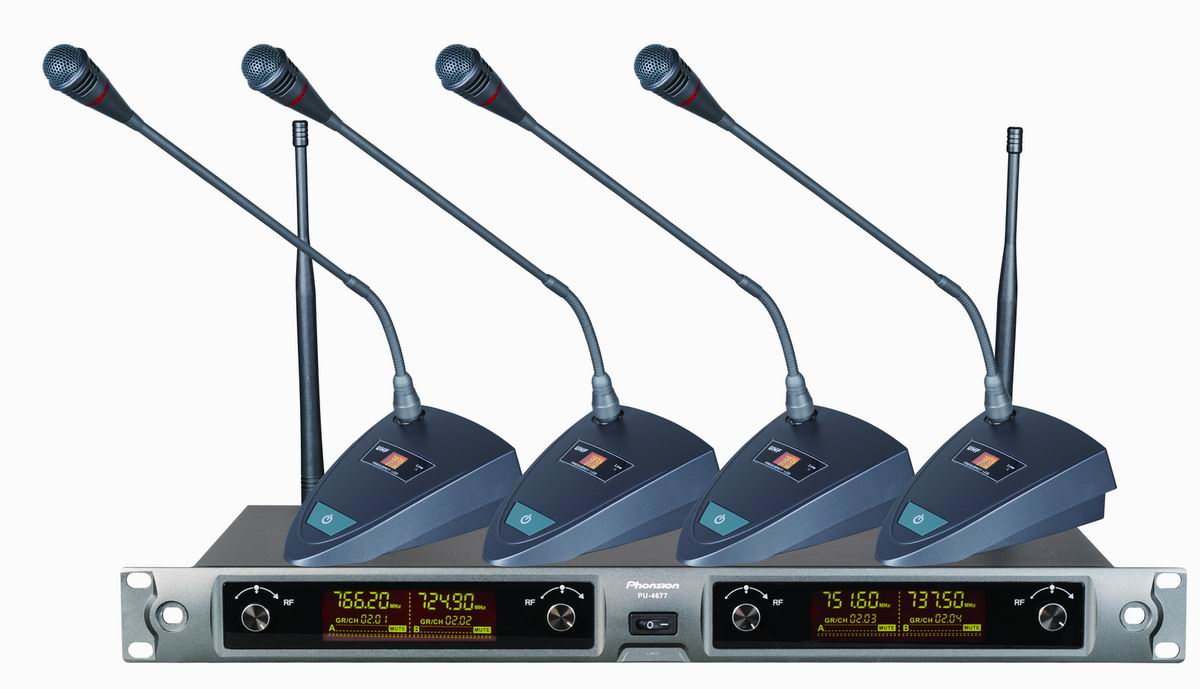
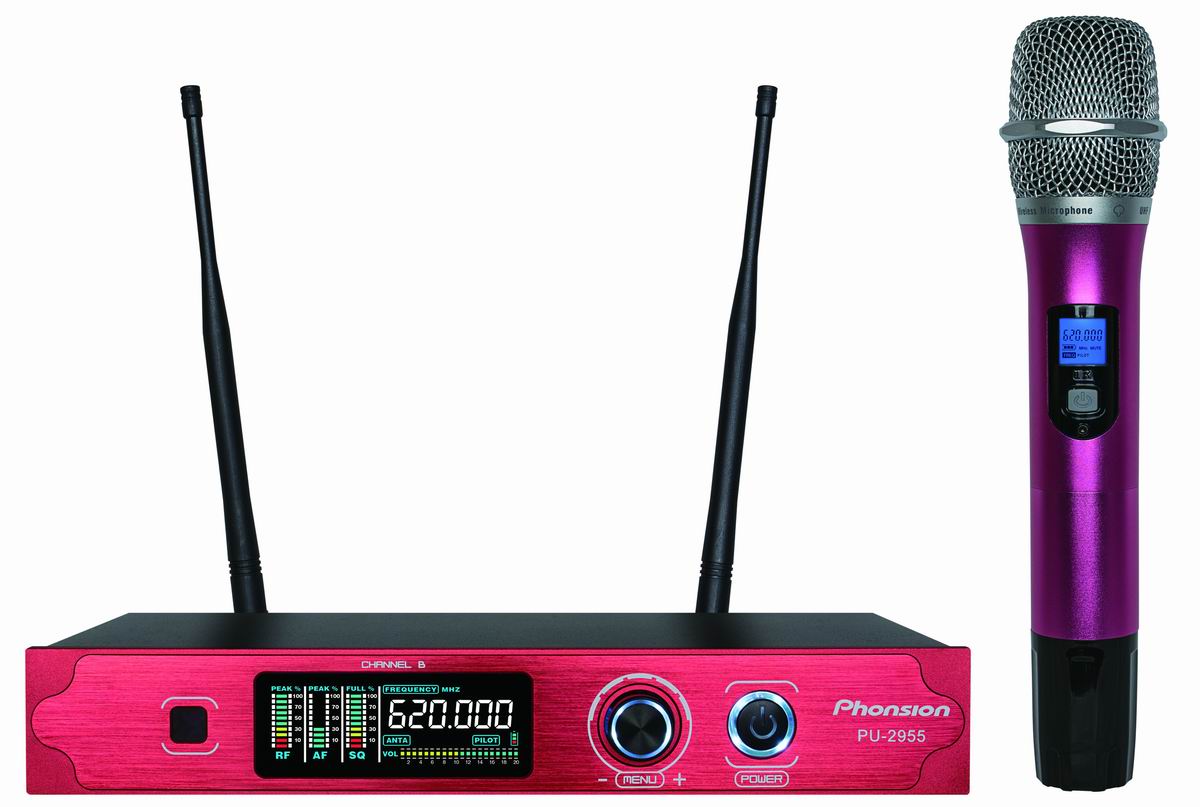
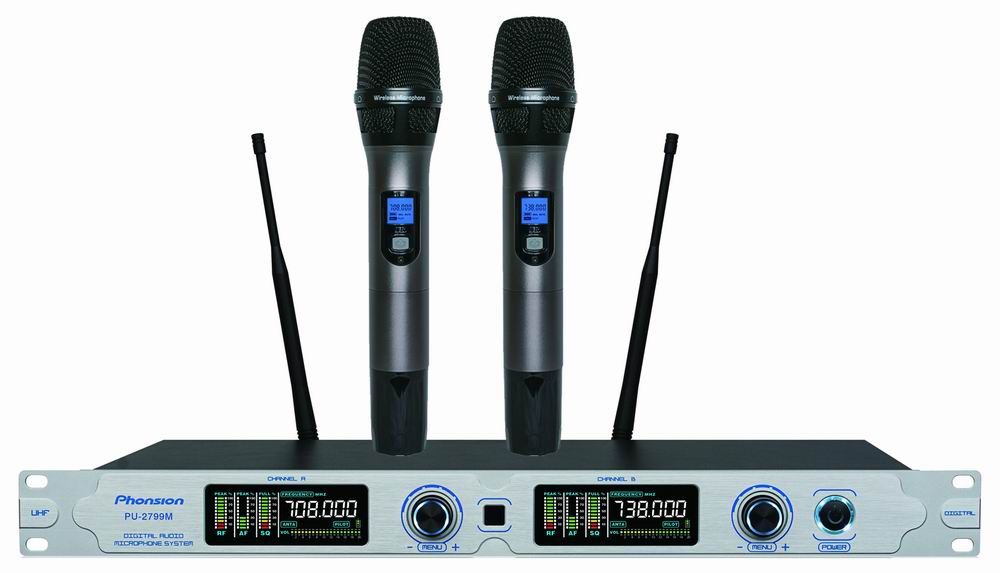
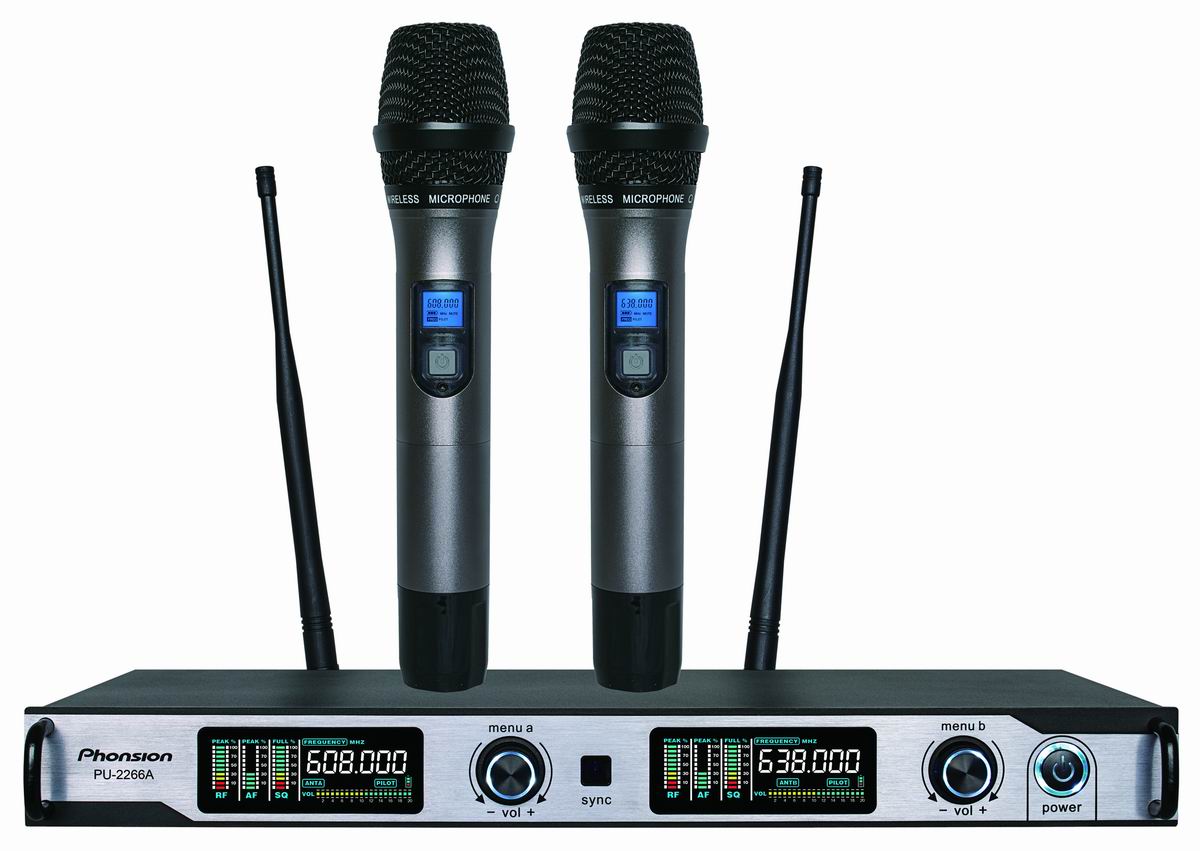
- Wireless RF Specifications: For wireless systems, dictate the exact frequency bands, modulation types, and transmission power limits required for your target market.
Need to verify a supplier's engineering capabilities before committing to production?
Talk to our teamManufacturing Tolerances and Quality Control
Microphones are highly sensitive to their manufacturing environments. Dust in a cleanroom can ruin a condenser capsule, while poor soldering on a PCB can introduce unacceptable levels of self-noise. Implementing rigorous quality control & inspection protocols on the factory floor is non-negotiable.
| Component | Common Factory Defect | Required QC Verification |
|---|---|---|
| Diaphragm / Capsule | Uneven tension causing frequency distortion | Anechoic chamber sweep testing |
| PCB Assembly | Cold solder joints introducing self-noise | Automated Optical Inspection (AOI) |
| Housing / Grille | Poor acoustic transparency or RF shielding | Material density and mesh spacing checks |
| Wireless Transmitters | Frequency drift under thermal load | RF spectrum analyzer burn-in testing |
Regulatory Compliance and Testing
Audio equipment, particularly wireless systems, faces strict regulatory hurdles. Wireless microphones must comply with regional spectrum allocations (such as FCC Part 15 in the US or CE RED in Europe). Sourcing non-compliant wireless gear can lead to immediate customs seizures. Furthermore, all electronic components must meet RoHS and REACH standards. Partnering with a sourcing team that manages compliance & testing ensures your products clear customs and retail audits without costly delays.
Production Dynamics: Pricing, MOQs, and Lead Times
Understanding factory economics helps you negotiate better terms and plan your supply chain effectively.
Pricing is heavily dictated by the origin of the core components. A microphone utilizing a premium, imported Japanese or German capsule will cost significantly more than one using a domestically sourced Chinese capsule, even if the external housing is identical. Additionally, the global supply of specialized DSP chips and RF transmitters can cause fluctuations in both pricing and lead times for wireless systems.
Looking to optimize your bulk audio purchasing and secure better factory pricing?
Get a free consultationFrequently Asked Questions
Successfully sourcing microphones in volume requires looking past the spec sheet and understanding the factory's actual engineering capabilities. By establishing strict component tolerances, mandating comprehensive acoustic testing, and verifying regulatory compliance early, buyers can secure reliable, professional-grade audio products that meet market demands.
Get Sourcing Help for Microphones & Accessories
Tell us your requirements and our experts will connect you with verified manufacturers.