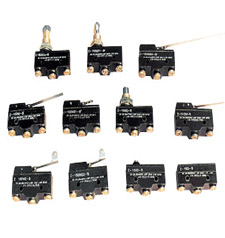
Micro Switches
Source high-quality micro switches in bulk directly from vetted manufacturers and suppliers. Designed for importers, distributors, and brands seeking OEM production, our network delivers reliable electrical components built to exact specifications. Secure competitive wholesale pricing and consistent quality for your supply chain.
Micro switches, or snap-action switches, are critical electromechanical components where precision, reliability, and lifecycle dictate the overall performance of the end product. Sourcing these components in commercial volumes requires strict attention to material grades, contact resistance stability, and actuation tolerances. A minor deviation in spring tension or contact plating on the factory floor can lead to catastrophic failure rates in the field.
Defining Key Specifications for Production
When negotiating with manufacturers, generic requests lead to inconsistent batches. You must define the exact mechanical and electrical parameters required for your application.
Key mechanical parameters include operating force (measured in grams-force or gf), release force, pre-travel, and over-travel. These dictate the tactile feel and the precise physical point at which the circuit switches. Electrical parameters must specify the current and voltage rating, as well as the required electrical and mechanical lifecycle.
Contact materials are a primary driver of both cost and performance. Selecting the wrong material will result in premature contact welding or excessive resistance.
| Contact Material | Current Rating | Primary Application |
|---|---|---|
| Silver Alloy (AgNi / AgSnO2) | High (up to 16A or more) | Power circuits, home appliances, automotive |
| Gold-Plated Silver | Low (under 0.1A) | Logic level circuits, microcontrollers, sensors |
| Pure Silver | Medium (up to 5A) | General purpose switching, standard industrial |
RoHS Compliance in Contact Materials
Historically, Silver Cadmium Oxide (AgCdO) was the standard for high-current micro switches due to its excellent resistance to arc welding. However, Cadmium is heavily restricted under RoHS. Ensure your supplier is using compliant alternatives like Silver Tin Oxide (AgSnO2) for European and North American markets.
Manufacturing Tolerances and Quality Control
The reliability of a micro switch is won or lost in the stamping of the internal beryllium copper or stainless steel spring, and the precision of the automated assembly process. Poorly calibrated assembly lines cause inconsistent contact bounce and varying actuation forces within the same batch.
Before committing to a high-volume order, it is highly recommended to conduct factory audits to verify the supplier's automated assembly capabilities and internal testing laboratory.
Critical Factory-Level QC Checks
- Automated optical inspection (AOI) of contact alignment prior to sealing.
- 100% inline testing for operating force and release force tolerances.
- Batch testing for contact resistance (typically required to be under 50 milliohms initially).
- Dielectric strength testing between open contacts and grounded parts.
- Solderability testing to ensure the terminals will not cause housing warpage during wave soldering.
Struggling with inconsistent micro switch batches? Let our sourcing engineers audit your suppliers and establish strict QC protocols.
Talk to our teamWholesale Pricing, MOQs, and Lead Times
Pricing for micro switches is highly dependent on the contact material, the IP rating (sealed vs. unsealed), and the complexity of the lever/actuator. Standard miniature unsealed switches cost fractions of a cent in high volumes, while IP67-rated subminiature switches with custom wire leads and gold contacts will command a significant premium.
When sourcing custom configurations—such as specific wire harnesses, custom actuation levers, or specialized housing materials (like UL94V-0 rated plastics)—factories will often require higher MOQs to justify the line setup. If you are developing a proprietary product, utilizing OEM/ODM services allows you to tool custom switch housings or integrated assemblies directly with the manufacturer.
Need to negotiate better terms or tool a custom switch assembly? We manage the entire sourcing and production process.
Get a free consultationFrequently Asked Questions
Navigating the micro switch market requires technical fluency and a deep understanding of supplier capabilities. By defining strict material requirements and enforcing rigorous inline testing, you can secure components that ensure the long-term reliability of your products.
Get Sourcing Help for Micro Switches
Tell us your requirements and our experts will connect you with verified manufacturers.