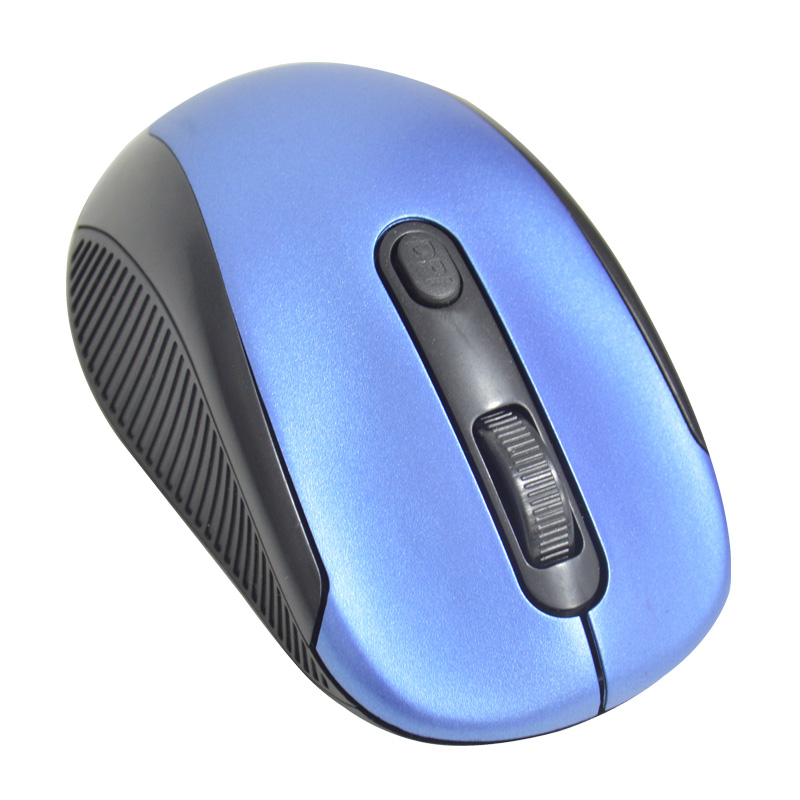
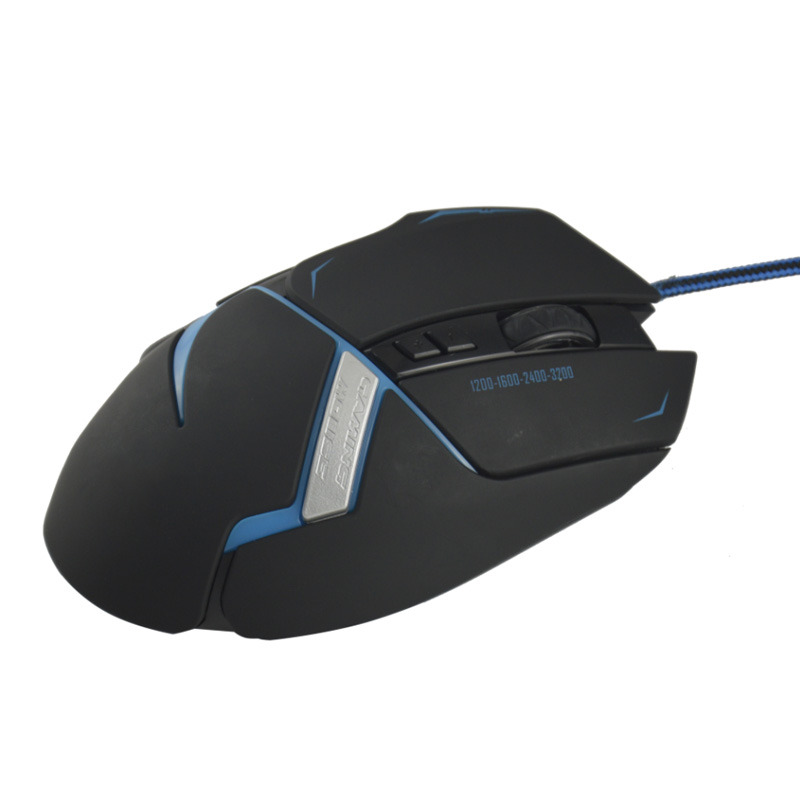
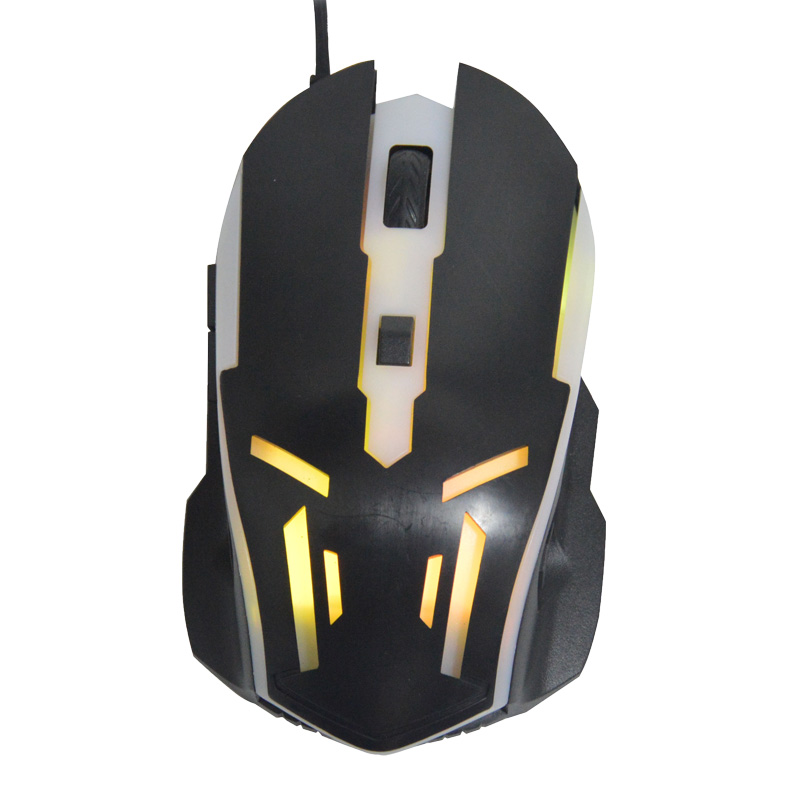
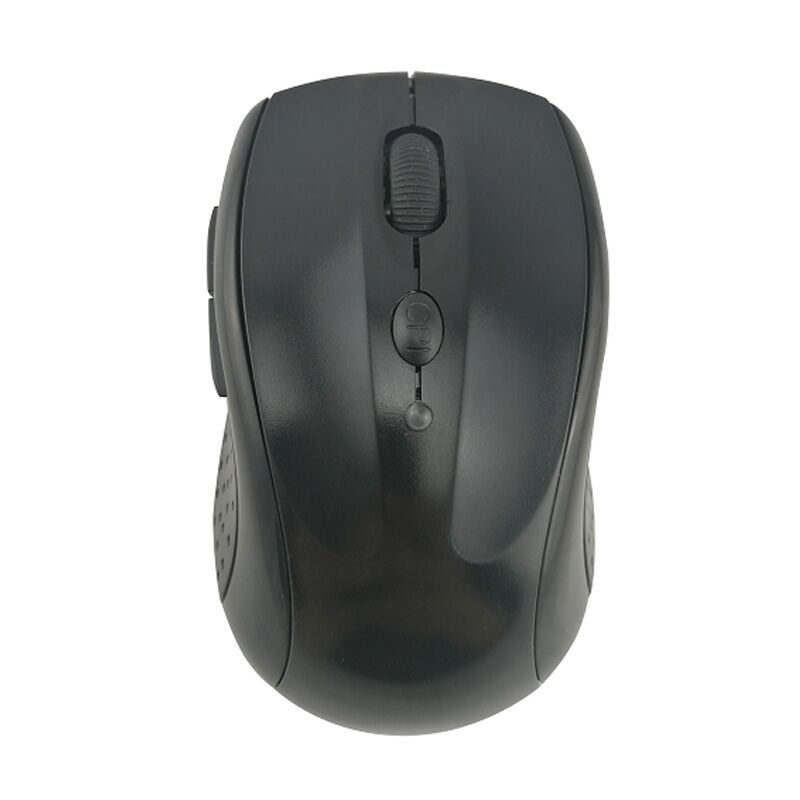
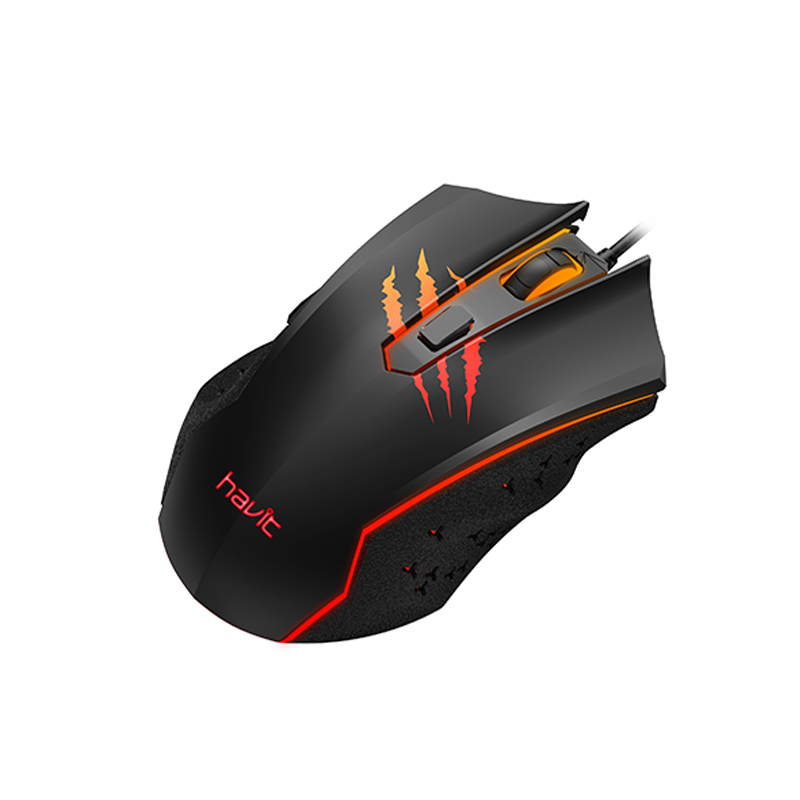
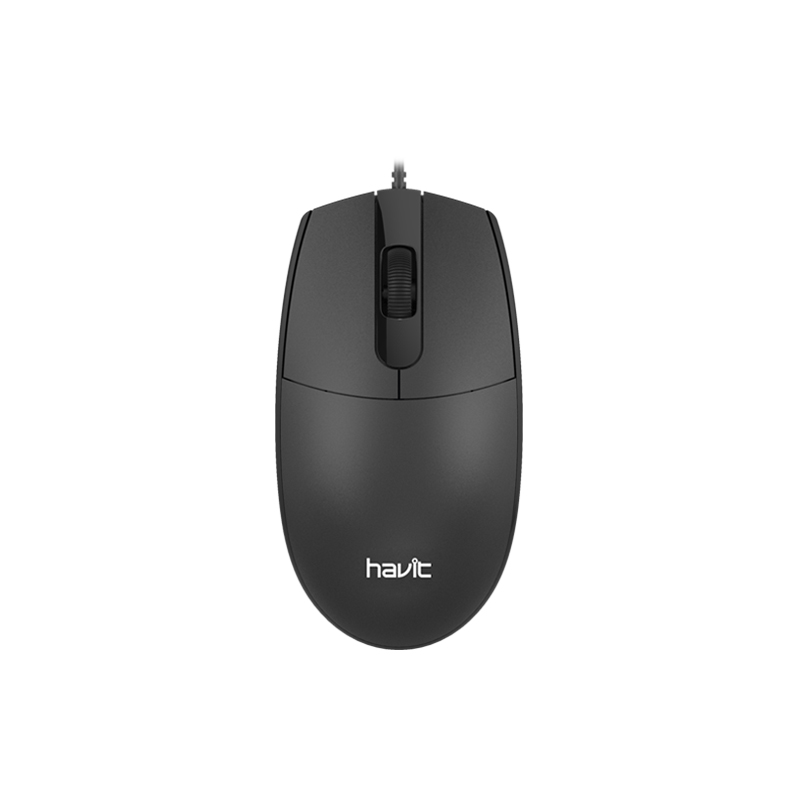
Mice
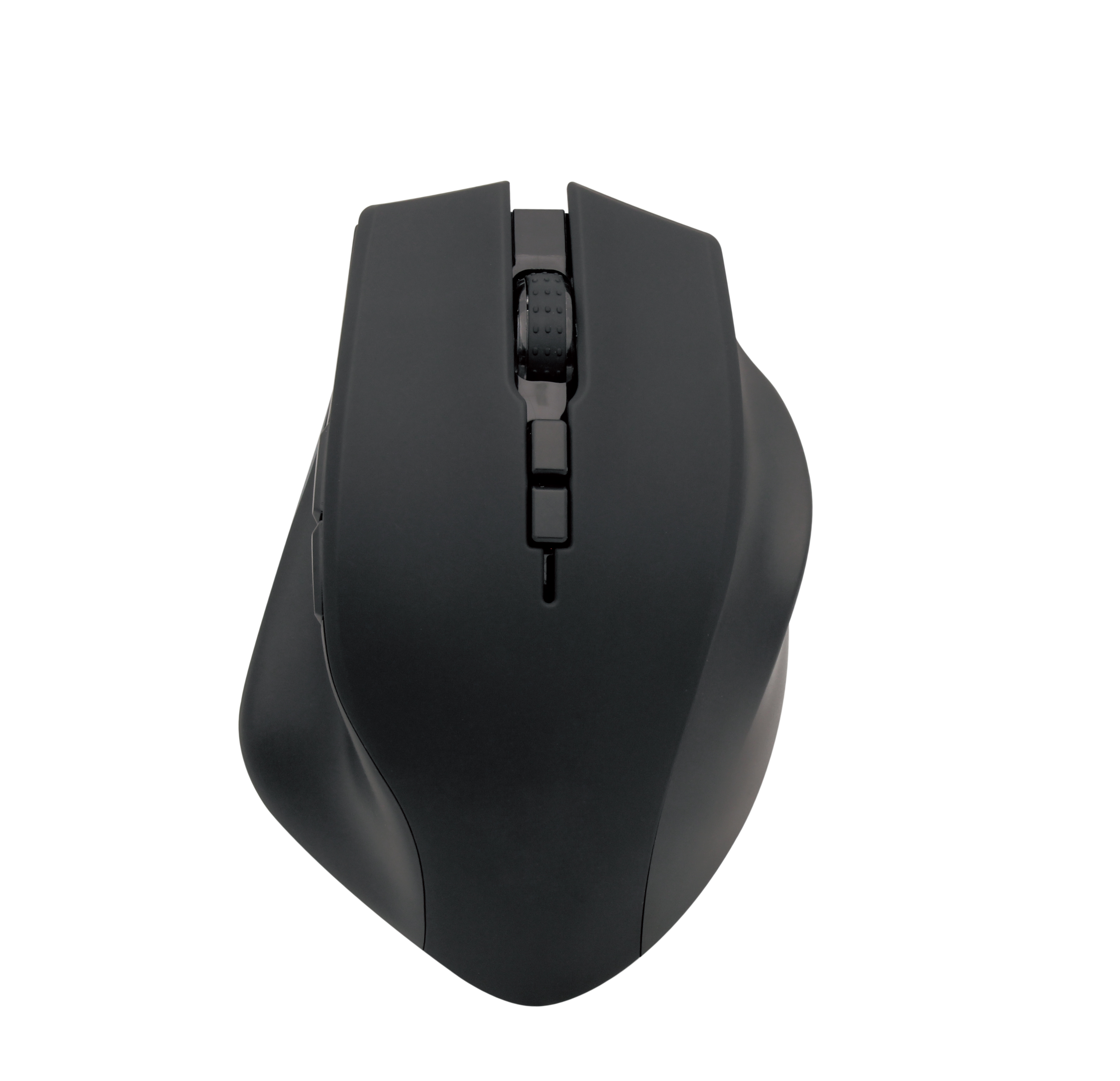
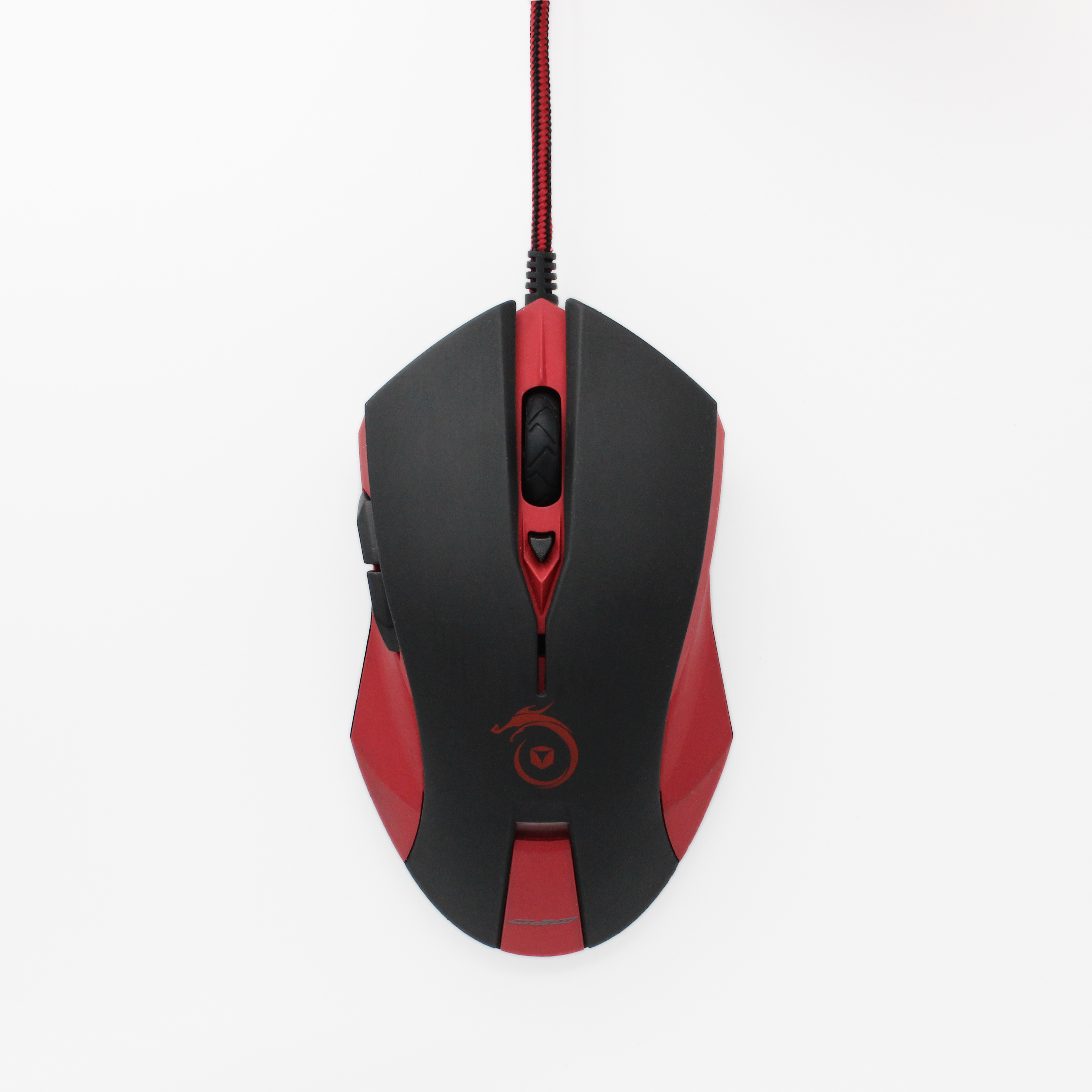
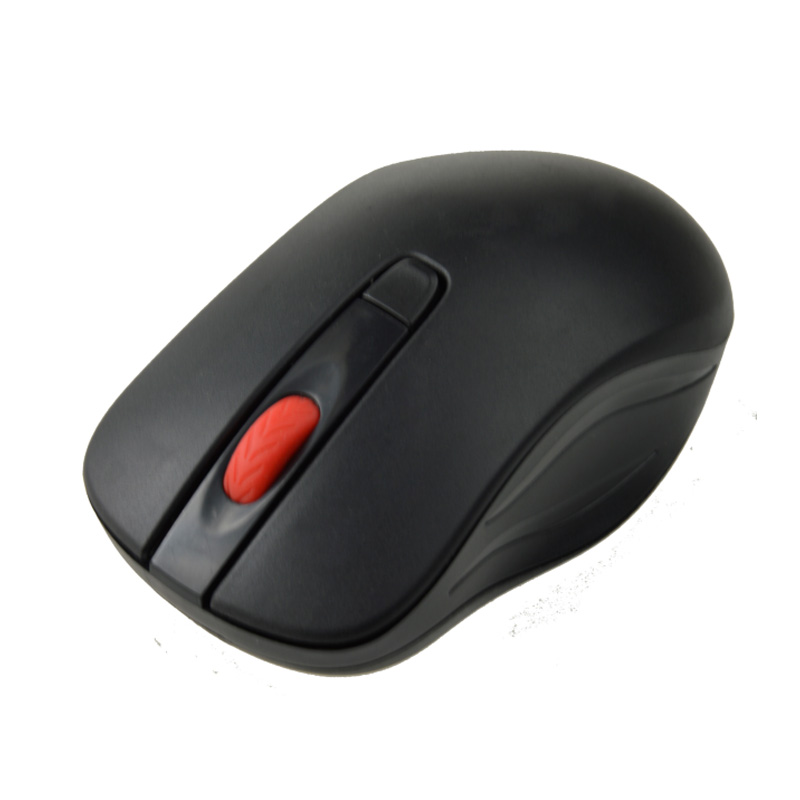
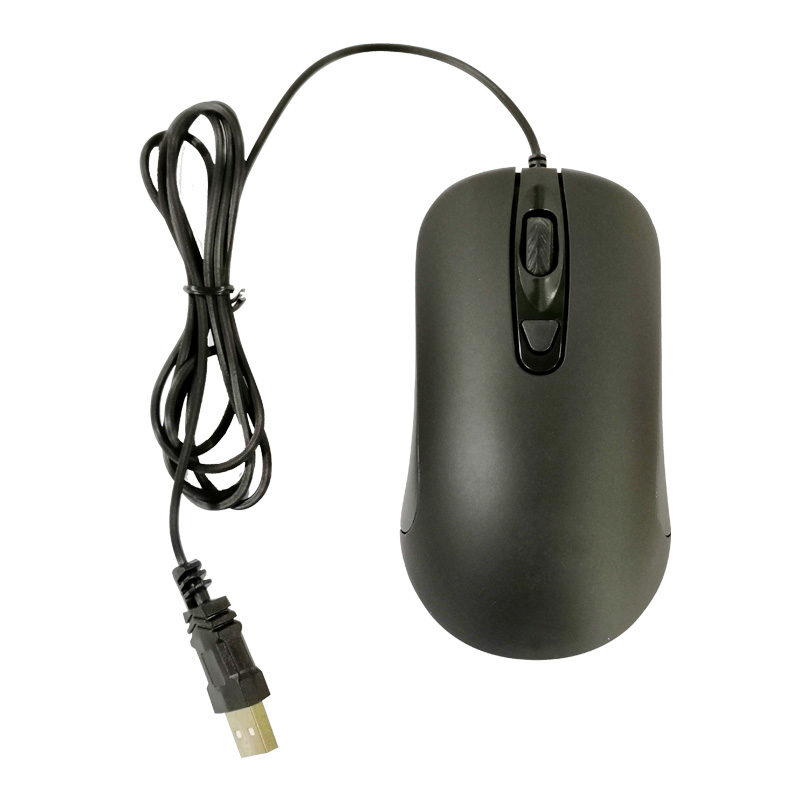
Source high-quality computer mice in bulk from vetted manufacturers and suppliers. Designed for importers, wholesalers, distributors, and brands seeking reliable OEM/ODM and private-label production, our network delivers precision hardware optimized for office, ergonomic, and gaming applications at competitive wholesale pricing.
Sourcing computer mice at scale requires a strict balance between bill of materials (BOM) costs and user expectations for sensor accuracy, switch longevity, and wireless stability. A minor component substitution on the PCBA or a poorly calibrated scroll wheel encoder can drastically alter performance and increase return rates. For volume buyers, controlling the supply chain means understanding exactly what goes into the shell and holding factories accountable to those specifications.
Critical Components and Bill of Materials (BOM)
The core performance of any mouse is dictated by three primary components: the sensor, the microswitches, and the microcontroller unit (MCU). When negotiating with suppliers, you must specify these components explicitly rather than relying on generic "gaming" or "office" labels.
- Sensors: Optical sensors dominate the market. PixArt is the industry standard for high-performance applications, while entry-level models often use cost-effective alternatives like Instant or Sunplus. You must define the required DPI/CPI range, tracking speed (IPS), and acceleration limits.
- Microswitches: The primary left and right clicks require rated lifespans. Omron, Kailh, and Huano are common choices. Specify the actuation force and lifecycle (e.g., 20 million or 50 million clicks). Optical switches are increasingly specified for high-end models to eliminate debounce delay and the notorious "double-click" issue.
- MCU and Wireless ICs: For wireless models (2.4GHz RF or Bluetooth), the MCU determines polling rate stability and battery efficiency. Nordic Semiconductor and Broadcom ICs offer premium performance, while Telink or Beken provide reliable budget alternatives.
| Mouse Tier | Typical Sensor | Polling Rate | Switch Lifespan |
|---|---|---|---|
| Standard Office | Entry Optical (e.g., 1000 DPI) | 125Hz | 3M - 5M Clicks |
| Premium Productivity | Mid-range Optical/Laser | 125Hz - 500Hz | 10M - 20M Clicks |
| High-End Gaming | PixArt 3370/3395 or equivalent | 1000Hz - 4000Hz+ | 50M - 80M Clicks (or Optical) |
Need help verifying component authenticity and securing reliable OEM suppliers? Let our sourcing experts manage your supply chain.
Talk to our teamManufacturing Tolerances and Quality Control
Most peripheral manufacturing is concentrated in Shenzhen and Dongguan. While assembling a mouse is relatively straightforward, achieving premium build quality requires tight injection molding tolerances and rigorous quality control & inspection.
Shells are typically injection-molded ABS, though PBT is sometimes used for premium textures. Surface treatments like UV coating, rubberized paint, or matte finishes dictate the tactile feel. Poorly controlled surface treatments can lead to peeling or a sticky texture after a few months of use.
Critical Factory QC Checkpoints for Mice
- Pre-travel and post-travel tolerance on main clicks (preventing 'mushy' clicks).
- Scroll wheel encoder stability (checking for reverse scrolling or loose steps).
- Skate/feet application (PTFE thickness and edge rounding to prevent scratching).
- Wireless interference testing (ensuring stable 2.4GHz connection in high-noise environments).
- Battery drain testing for wireless models (verifying MCU sleep-state efficiency).
When developing a custom shell or modifying an existing white-label design, utilizing professional OEM/ODM services ensures that tooling modifications do not compromise the internal structural integrity or the actuation angle of the switches.
MOQs, Pricing, and Lead Times
Pricing in this category is highly elastic, driven almost entirely by the ICs, sensor tier, and battery capacity. Custom tooling for a completely new shell will require significant upfront investment, whereas white-labeling an existing factory mold drastically reduces time to market and initial costs.
When budgeting for a production run, always factor in the cost of compliance & testing. Wireless mice must pass FCC (USA) or CE (Europe) RF emissions testing, and all components must adhere to RoHS standards.
Struggling to negotiate favorable MOQs or verify factory credentials? We can streamline your procurement.
Get a free consultationFrequently Asked Questions
Successfully importing computer mice requires moving past superficial aesthetic choices and locking down the internal component manifest. By setting strict tolerances for switches, sensors, and assembly quality, you protect your brand from high defect rates and secure a competitive edge in the peripheral market.
Get Sourcing Help for Mice
Tell us your requirements and our experts will connect you with verified manufacturers.