Metal Polishing Machinery
Source wholesale Metal Polishing Machinery from vetted Chinese manufacturers and suppliers. Designed for importers, industrial distributors, and brands seeking OEM production, our network delivers reliable equipment built for heavy-duty metal finishing. Secure competitive pricing and quality at scale.
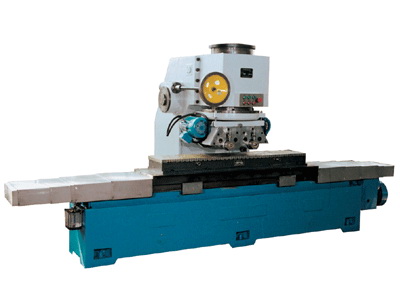
Sourcing industrial metal polishing machinery requires balancing heavy-duty durability with precision finishing capabilities. Whether you are importing automated CNC polishing centers, robotic finishing cells, or manual buffing lathes, the core challenge lies in verifying the manufacturer's engineering standards, component quality, and long-term reliability. A machine that looks robust on paper can quickly fail under continuous industrial use if the internal components are substandard.
Critical Specifications to Define
When negotiating with factory engineers, vague requirements lead to underpowered machines. You must specify the exact operational parameters to ensure the equipment meets your market's demands.
| Specification | Light Industrial | Heavy-Duty / Continuous Use |
|---|---|---|
| Motor Power | 1.5 kW to 3 kW | 5.5 kW to 15+ kW |
| Spindle Speed | Fixed (e.g., 2800 RPM) | Variable Frequency Drive (VFD) |
| Machine Bed | Welded steel plate | Cast iron (vibration dampening) |
| Automation Level | Manual feed | PLC controlled / Multi-axis CNC |
Pay special attention to the spindle bearings. High-speed polishing generates significant lateral loads and heat. Specify premium bearings (such as SKF or NSK) rather than generic domestic equivalents to prevent premature spindle failure and excessive runout.
Need help verifying technical specifications with Chinese manufacturers? We can audit factory engineering standards on your behalf.
Talk to our teamManufacturing Quality and Inspection Points
The difference between a tier-one machinery manufacturer and a lower-tier assembly workshop often comes down to machining tolerances and electrical safety. Many workshops buy off-the-shelf components and assemble them on basic welded frames, leading to severe vibration issues during operation.
Key Pre-Shipment Inspection Areas
- Spindle Runout: Must be measured with a dial indicator; excessive runout causes uneven polishing and rapid abrasive wear.
- Dynamic Balancing: All rotating parts, especially the main shaft, must be dynamically balanced to minimize vibration.
- Electrical Compliance: Verify that contactors, relays, and wiring meet your destination market's standards (CE, UL, or CSA).
- Dust Extraction Integration: Ensure the hood designs and extraction ports are properly sealed and sized for industrial dust collectors.
Because machinery defects are incredibly costly to rectify after export, rigorous Quality Control & Inspection at the factory is non-negotiable. It is also highly recommended to conduct comprehensive Factory Audits before placing a deposit to ensure the supplier actually has the in-house CNC machining capabilities to produce precision shafts and heavy cast beds, rather than just outsourcing them.
Buying Mechanics: Pricing, MOQs, and Lead Times
Industrial machinery sourcing operates on different mechanics than consumer goods. Production is largely assemble-to-order, meaning lead times are heavily dependent on the supplier's current order book and component availability.
Pricing is primarily driven by the weight of the raw materials (cast iron and steel) and the origin of the critical components (motors, VFDs, PLCs). Request an itemized bill of materials (BOM) during the quotation phase. If a supplier's price is significantly lower than the market average, they have likely downgraded the motor efficiency class or substituted a cast iron base for a lighter welded frame.
Furthermore, due to the heavy and oversized nature of these machines, coordinating Shipping & Freight requires specialized handling, proper crating (ISPM 15 compliant), and careful container loading to prevent transit damage.
Planning a bulk machinery import? Let us manage the supplier negotiation, quality control, and heavy freight logistics.
Get a free consultationFrequently Asked Questions
Sourcing metal polishing machinery successfully requires looking past the glossy catalog photos and interrogating the engineering fundamentals. By enforcing strict component specifications and conducting thorough pre-shipment testing, you can secure industrial-grade equipment that delivers a low total cost of ownership. If you need experienced personnel on the ground to manage the technical and logistical complexities, our team is ready to assist.
Get Sourcing Help for Metal Polishing Machinery
Tell us your requirements and our experts will connect you with verified manufacturers.