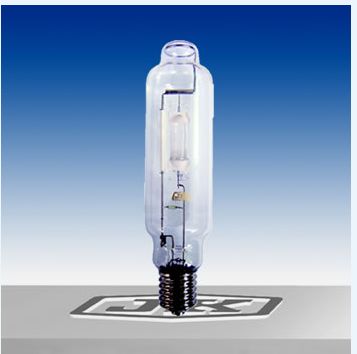
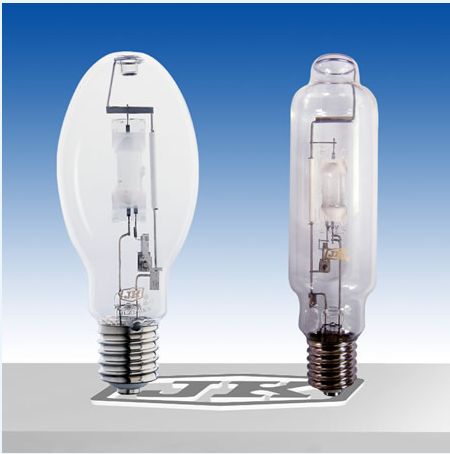
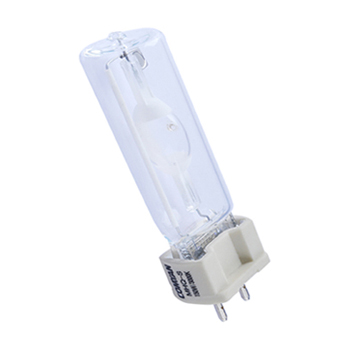
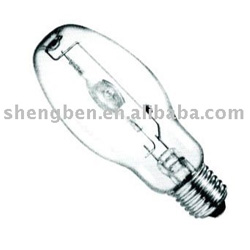
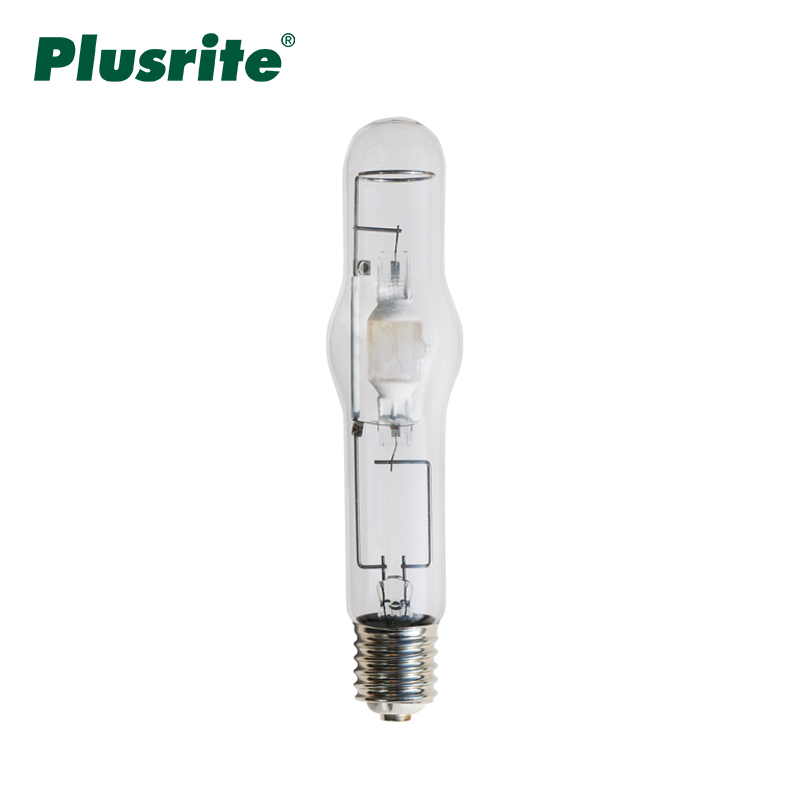
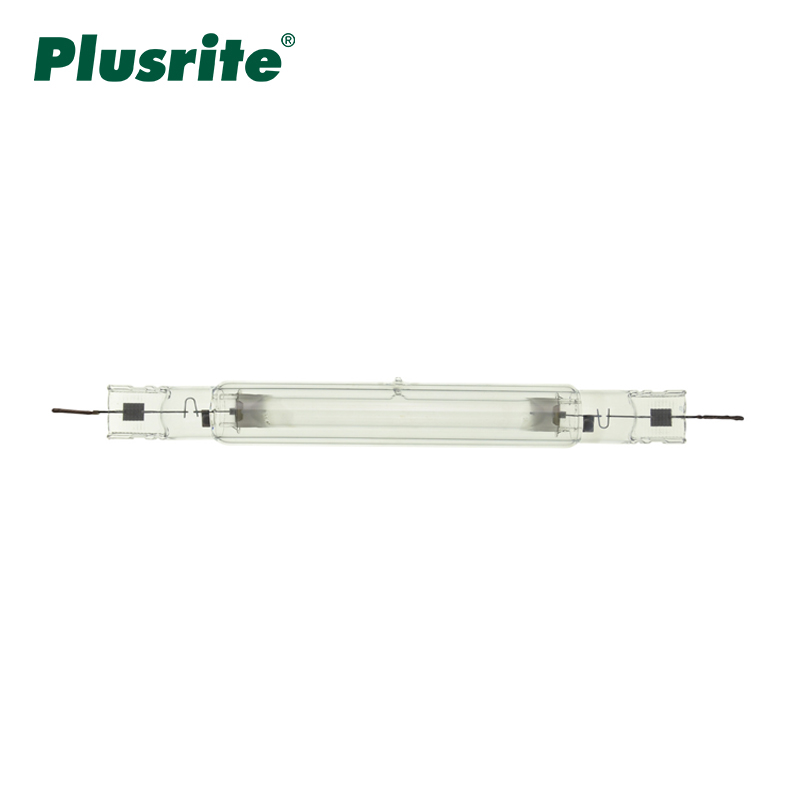
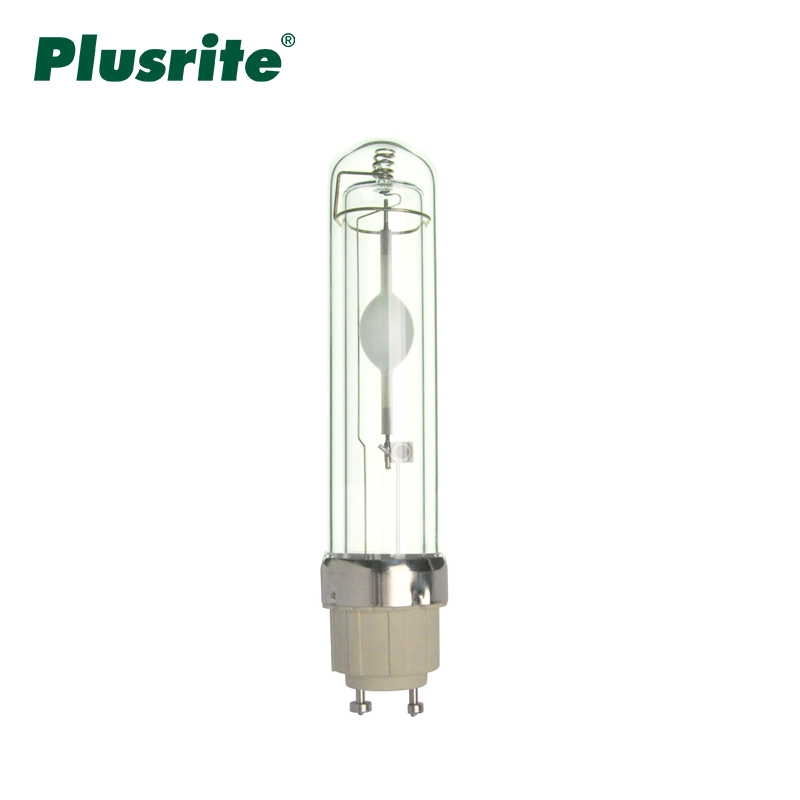
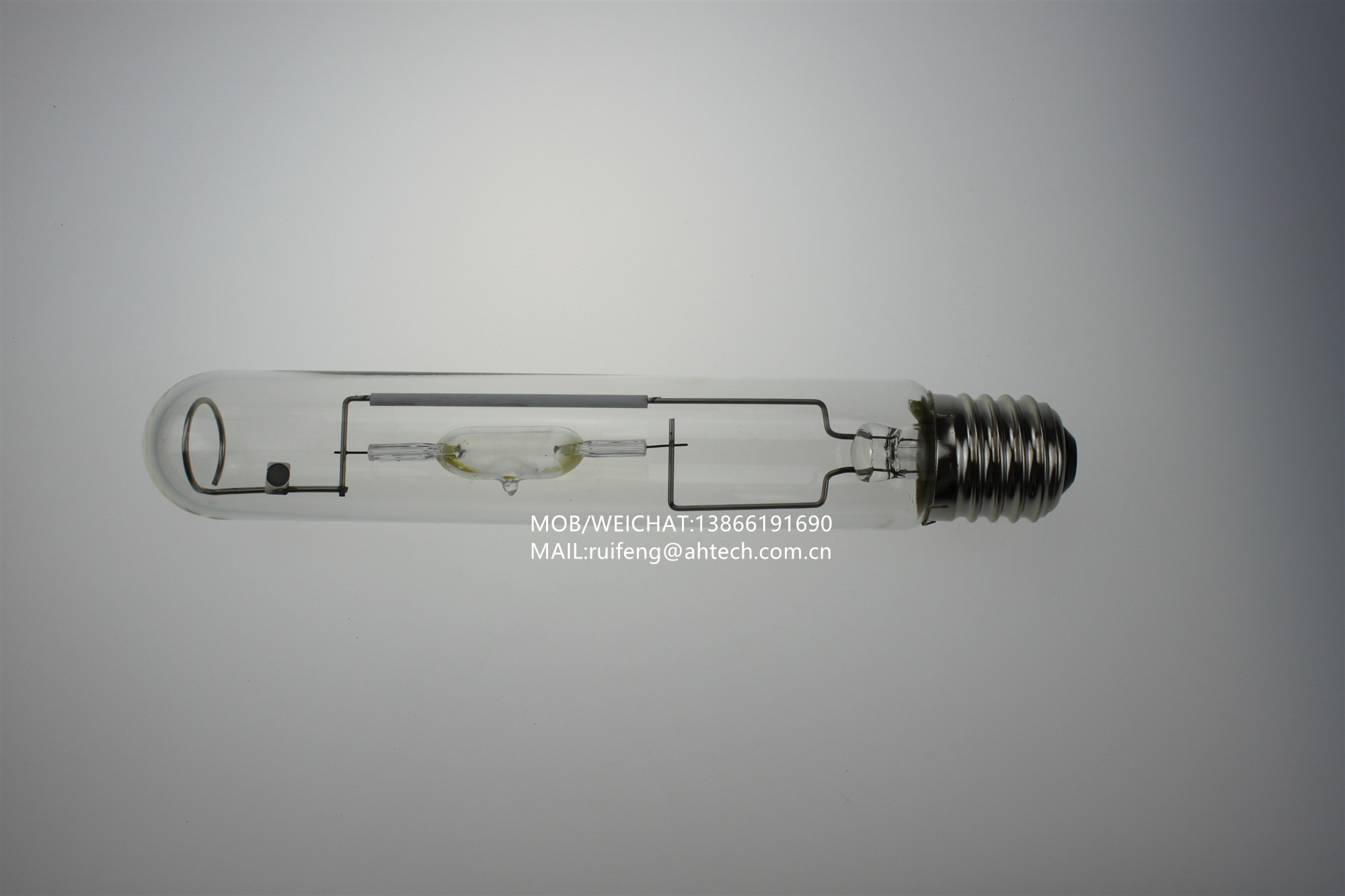
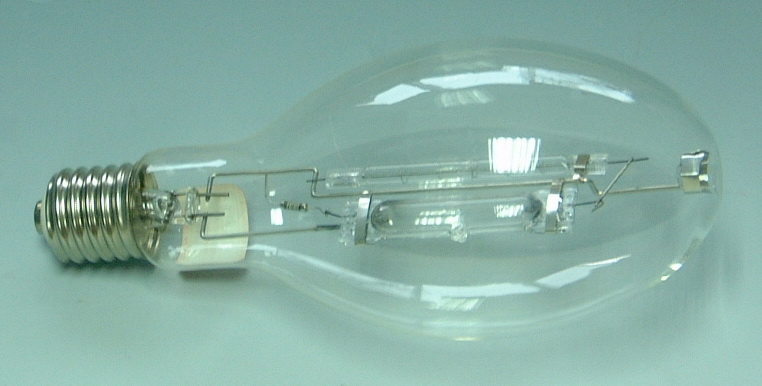
Metal Halide Lamps
Source commercial-grade Metal Halide Lamps directly from vetted manufacturers and suppliers. Designed for importers, electrical distributors, and lighting brands requiring high-volume OEM or private-label production. Secure reliable bulk pricing and strict quality control for your high-intensity discharge lighting supply chain.
Metal halide (MH) lamps remain a critical component in high-intensity discharge (HID) lighting for industrial, commercial, and stadium applications where massive lumen output and superior color rendering are required. While solid-state lighting has captured much of the general market, the replacement market and specific industrial sectors still drive significant bulk demand for MH lamps. Sourcing these effectively requires navigating complex technical specifications—particularly arc tube materials, gas fill precision, and ignition types—to avoid premature failures, rapid lumen depreciation, and severe color shifting.
Arc Tube Technology: Ceramic vs. Quartz
The core differentiator in modern metal halide manufacturing is the arc tube material. The choice between Quartz Metal Halide (QMH) and Ceramic Metal Halide (CMH) dictates the lamp's performance, lifespan, and wholesale cost. Ceramic tubes allow for higher operating temperatures, which translates to better color stability and higher luminous efficacy.
| Specification | Quartz Arc Tube (QMH) | Ceramic Arc Tube (CMH) |
|---|---|---|
| Color Stability | Prone to shifting over lifespan | Highly stable, minimal shifting |
| Color Rendering Index (CRI) | Typically 65 to 75 | Often 85 to 90+ |
| Lumen Maintenance | Moderate depreciation | Excellent long-term maintenance |
| Manufacturing Cost | Lower, standard commercial grade | Premium, requires advanced tooling |
When specifying bulk orders, ensure your manufacturer has the specific automated tooling required for your chosen arc tube. CMH production requires significantly tighter tolerances during the sintering process.
Need help identifying manufacturers with verified ceramic arc tube production lines?
Talk to our teamManufacturing Precision and Quality Control
HID lamp manufacturing is highly sensitive to contamination and dosing errors. The exact dosing of mercury, argon, and metal halide salts (like sodium and scandium iodides) dictates the lamp's photometric performance. Even microscopic variations in the gas fill or electrode alignment will result in lamps that fail to ignite or exhibit severe color discrepancies out of the box.
Because of this sensitivity, rigorous factory audits are essential before placing high-volume orders. You must verify that the supplier uses automated dosing and vacuum sealing equipment rather than manual methods, which are prone to inconsistent atmospheric control.
Critical QC Checkpoints for MH Lamps
- Ignition Testing: Verifying reliable strike and restrike times across multiple samples.
- Photometric Analysis: Confirming CCT (Color Temperature) and CRI match the specified tolerances.
- Vacuum Seal Integrity: Checking for micro-leaks in the outer envelope that lead to rapid oxidation.
- Electrode Alignment: Ensuring precise gap distance to prevent arc instability and flickering.
- Burn-in Testing: Running lamps for an initial period to catch early infant mortality failures.
Implementing a strict quality control protocol, including pre-shipment photometric testing, is the only way to ensure batch-to-batch consistency.
OEM Customization and Compliance
For brands looking to supply specific markets, OEM/ODM services allow for customization of base types (such as E39/E40 for high wattage, or G12/RX7s for architectural applications), specific wattage ratings (ranging from 35W up to 2000W+ for sports lighting), and custom glass envelope coatings.
Furthermore, depending on your import destination, these lamps must adhere to strict safety and performance standards. Working with a partner who understands compliance and testing ensures your lamps meet UL, CE, or RoHS requirements, preventing costly customs seizures or liability issues.
Typical MOQs, Lead Times, and Pricing
Pricing for metal halide lamps is driven primarily by the wattage, the arc tube material, and the ignition technology (pulse-start vs. probe-start). High-wattage sports lighting lamps command a premium and often have lower MOQs, while standard commercial 400W lamps are produced in massive volumes.
Optimize your HID lighting supply chain and negotiate better terms with top-tier factories.
Get a free consultationFrequently Asked Questions
Procuring metal halide lamps at scale requires rigorous attention to technical specifications and factory capabilities. By ensuring your suppliers have the right automated equipment and enforcing strict photometric quality controls, you can secure a reliable, high-performance product line that meets the demands of commercial and industrial end-users.
Get Sourcing Help for Metal Halide Lamps
Tell us your requirements and our experts will connect you with verified manufacturers.