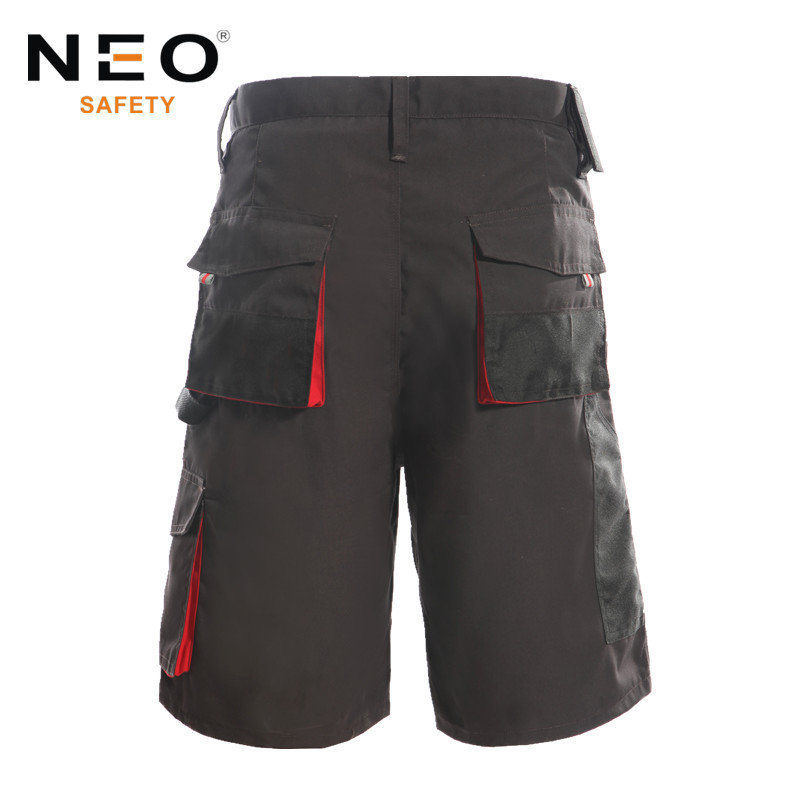
Men's Shorts
Source high-quality men's shorts directly from vetted manufacturers and suppliers. Designed for apparel importers, wholesale distributors, and brands seeking reliable OEM/ODM private-label production, this category offers scalable solutions for bulk purchasing and custom manufacturing.
Sourcing men's shorts in bulk requires navigating a fragmented supply base where the difference between a high-margin staple and a costly return often comes down to fabric stability and pattern grading. Whether you are developing performance activewear, tailored chinos, or casual woven styles, success hinges on tightly controlling specifications and enforcing strict tolerances on the factory floor.
Core Specifications and Fabric Selection
The foundation of a profitable apparel run is specifying the exact fabric parameters in your tech pack. Vague descriptions lead to inconsistent hand-feel, unexpected shrinkage, and poor drape.
When negotiating with suppliers, you must define the fabric weight in Grams per Square Meter (GSM), the exact fiber blend (e.g., 97% Cotton / 3% Spandex), and the required colorfastness rating. Standard casual shorts typically require 220 to 280 GSM twill, while athletic and board shorts utilize lighter 120 to 180 GSM synthetic blends.
| Fabric Type | Typical GSM | Key Technical Metric | Best For |
|---|---|---|---|
| Cotton Twill/Chino | 220 - 280 | Shrinkage (under 3%) | Casual, Smart-Casual |
| Polyester/Spandex | 130 - 180 | Colorfastness (Grade 4-5) | Activewear, Board Shorts |
| Linen Blends | 150 - 200 | Tear Strength | Resort, Summer Casual |
To ensure consistency across production batches, specify the testing standards for pilling resistance and seam slippage. If you are developing proprietary fits or custom blends, leveraging professional OEM/ODM services ensures your technical requirements are accurately translated to the factory's pattern makers and fabric mills.
Need help validating your fabric specifications and finding a capable factory?
Discuss your tech packManufacturing Tolerances and Quality Control
Quality in garment manufacturing is won or lost in the cutting room and at the sewing stations. Minor deviations in pattern grading can drastically alter the fit across different sizes, particularly in the rise and inseam.
Critical Inspection Points
When establishing your quality control protocols, ensure your inspection team checks the following areas during in-line and pre-shipment inspections:
QC Checklist for Men's Shorts
- Bartacking at high-stress points (pocket corners, belt loops, fly base).
- Stitch density consistency (typically 10-12 stitches per inch for woven shorts).
- Symmetrical pattern alignment, especially on plaids or directional prints.
- Hardware functionality (zipper smoothness, button shank security).
- Dimensional stability post-wash to verify shrinkage tolerances.
Relying solely on the factory's internal QC is a common pitfall. Implementing independent quality control and inspection protocols at the factory level catches grading errors and skipped stitches before the goods are packed into shipping cartons.
Pricing Drivers, MOQs, and Lead Times
Understanding the cost structure of apparel manufacturing helps you negotiate effectively. Fabric typically accounts for 50% to 60% of the FOB price, while Cut, Make, and Trim (CMT) labor, hardware, and packaging make up the rest.
Minimum Order Quantities (MOQs) are largely dictated by the fabric mill rather than the sewing factory. If you specify a custom Pantone color or a unique weave, the mill will require a minimum yardage (often equivalent to 1,000 to 2,000 garments). To achieve lower MOQs, buyers often utilize available "market fabrics" (stock fabrics), though this limits customization.
Before committing to a large bulk order or paying for custom fabric development, conducting thorough factory audits is essential to verify the supplier's production capacity, ethical compliance, and financial stability.
Struggling with high MOQs or inconsistent pricing from your current suppliers?
Get a sourcing consultationFrequently Asked Questions
Successfully sourcing men's shorts at scale requires a precise balance between strict technical specifications and choosing a manufacturing partner capable of executing them consistently. By locking down your tech packs and implementing rigorous on-site oversight, you can build a resilient and profitable apparel supply chain.
Get Sourcing Help for Men's Shorts
Tell us your requirements and our experts will connect you with verified manufacturers.