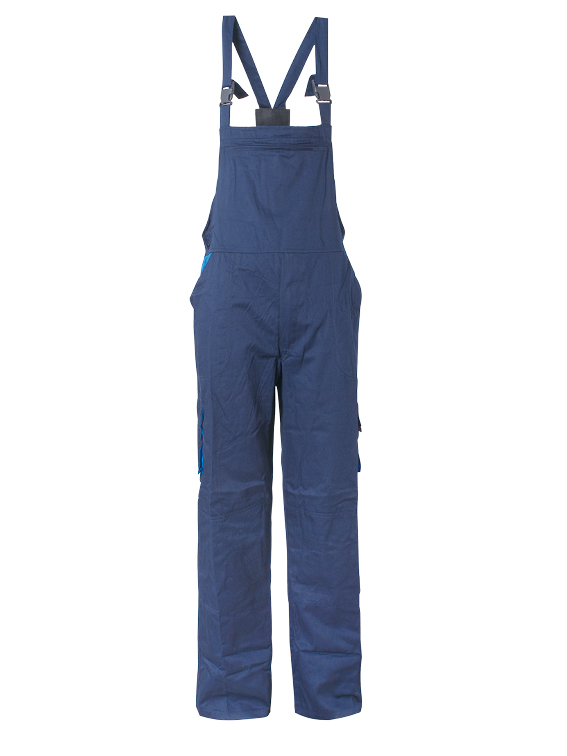
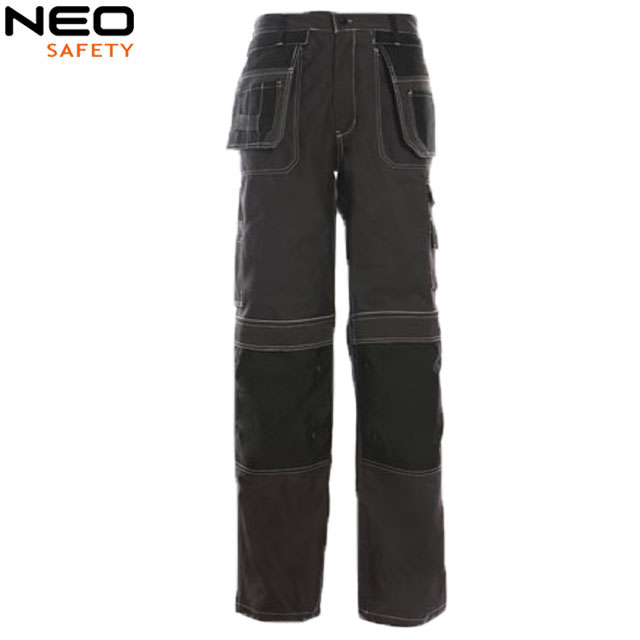
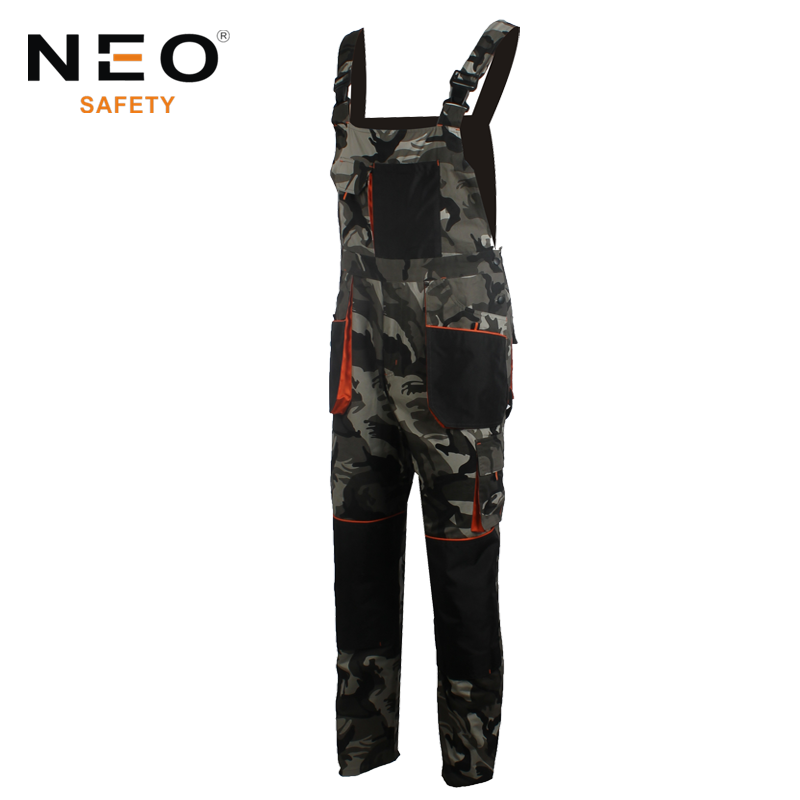
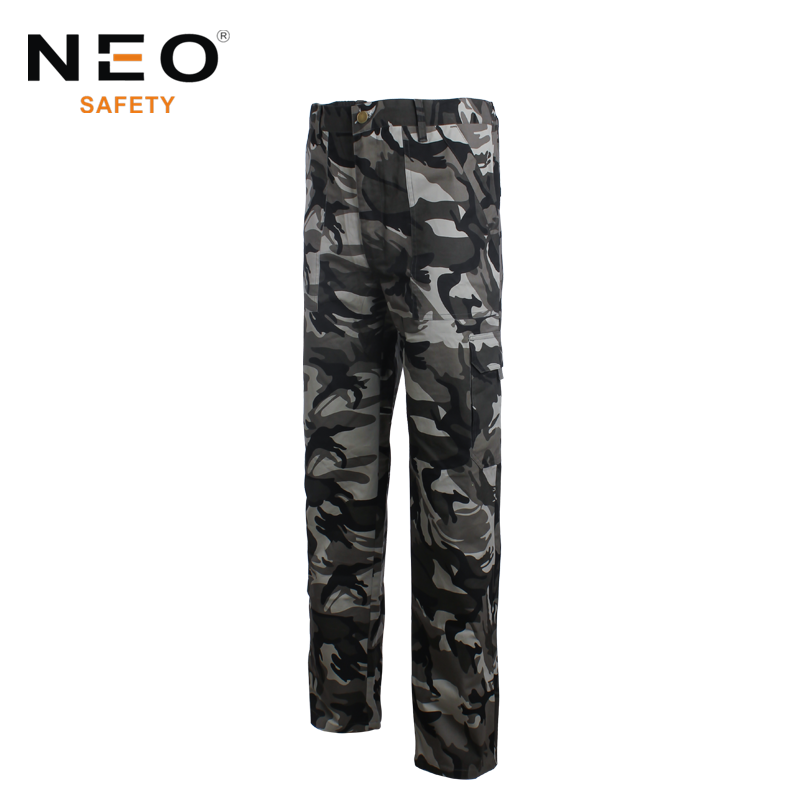
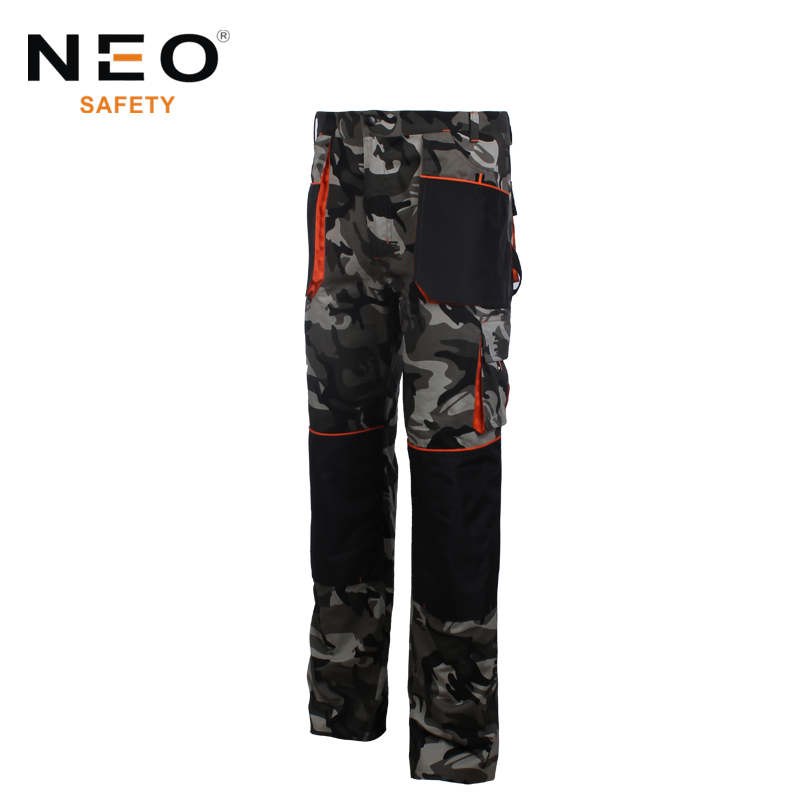
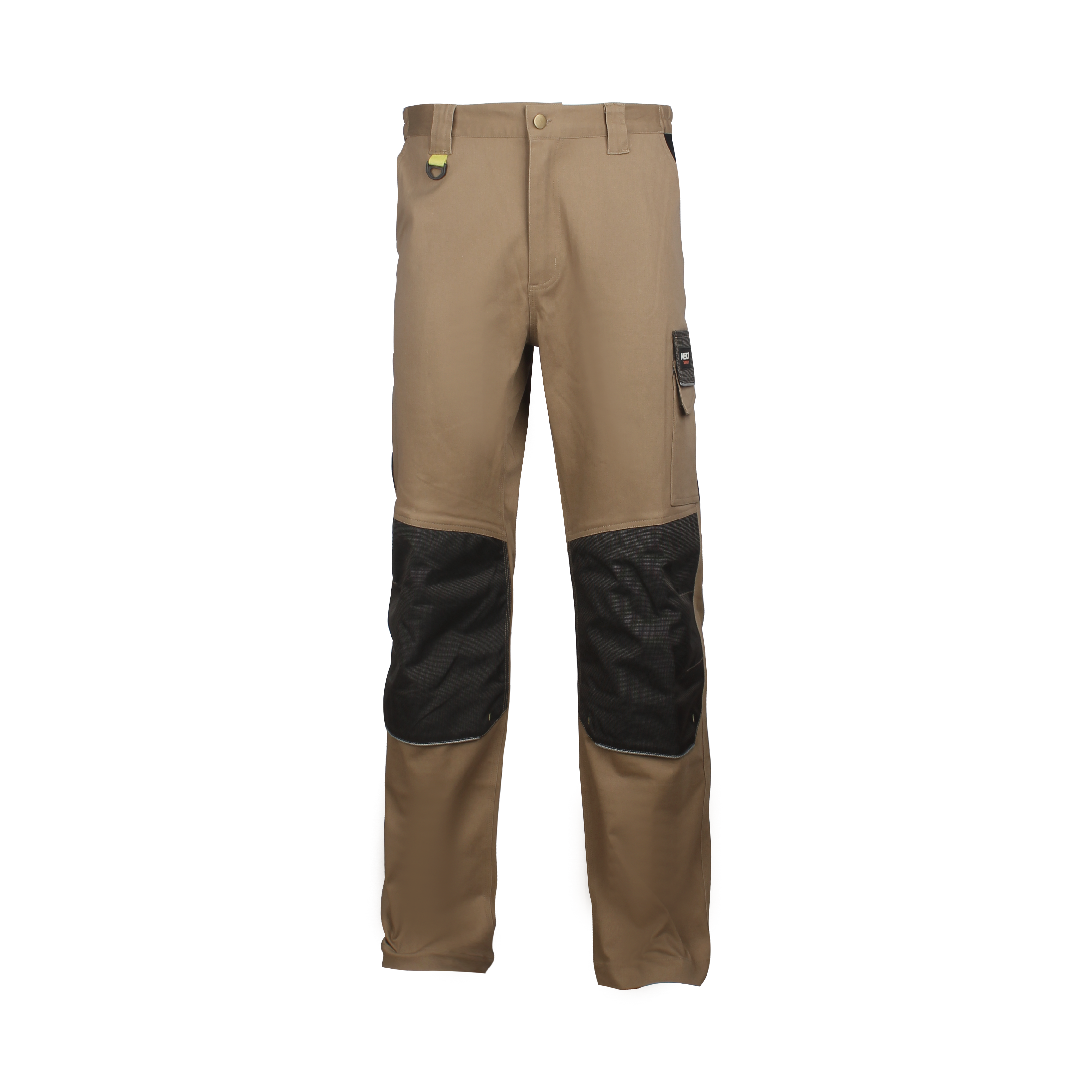
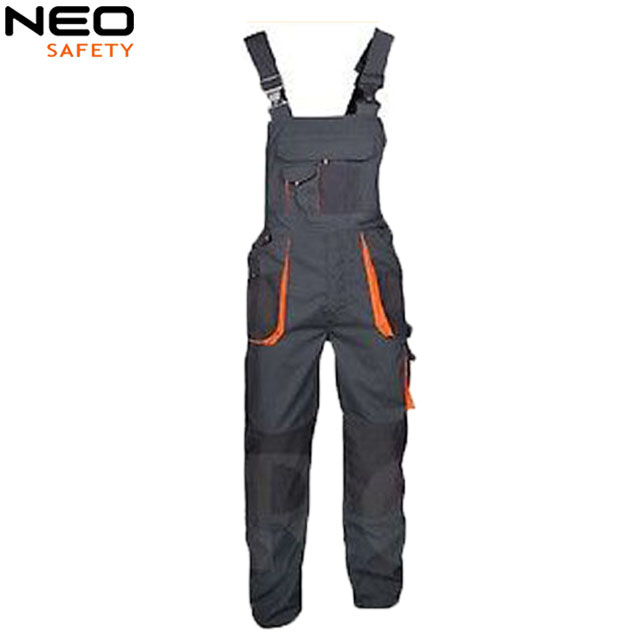
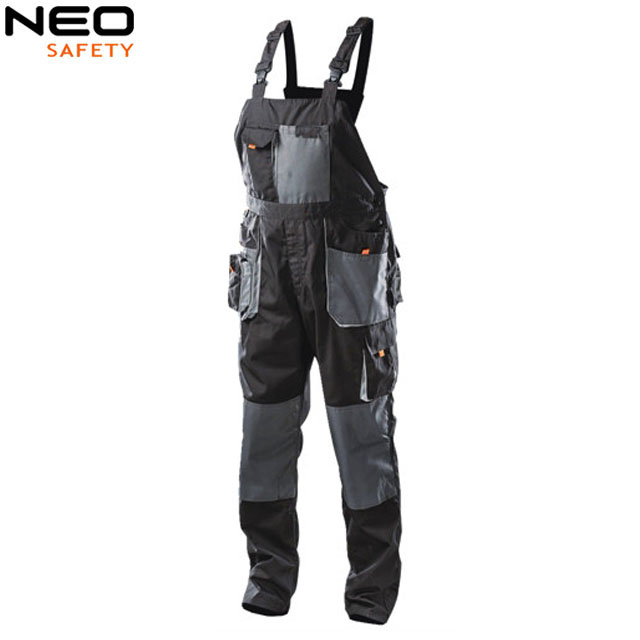
Men's Pants & Trousers
Source premium Men's Pants & Trousers from vetted suppliers and manufacturers. Designed for importers, wholesalers, and apparel brands seeking reliable OEM and private-label production, our network delivers scalable manufacturing, rigorous quality control, and competitive bulk pricing for your next collection.
Sourcing men's pants and trousers at volume requires strict control over fabric shrinkage, pattern grading, and seam integrity. A slight deviation in the cutting room or inconsistent tension during sewing can compromise the fit across an entire production run. For brands and importers, success depends on partnering with manufacturers who understand precise technical specifications and maintain rigorous floor-level quality management.
Technical Specifications for Trousers Production
When briefing a factory, vague specifications lead to inconsistent outcomes. Professional buyers must define exact parameters for fabric weight, composition, and construction techniques.
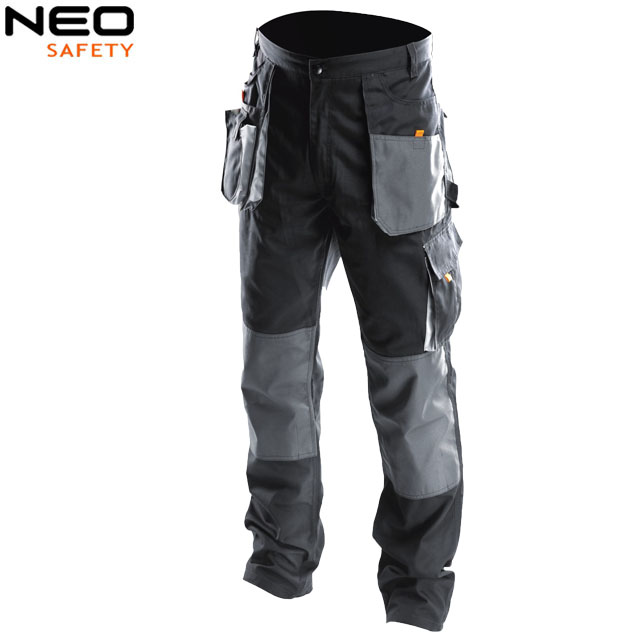
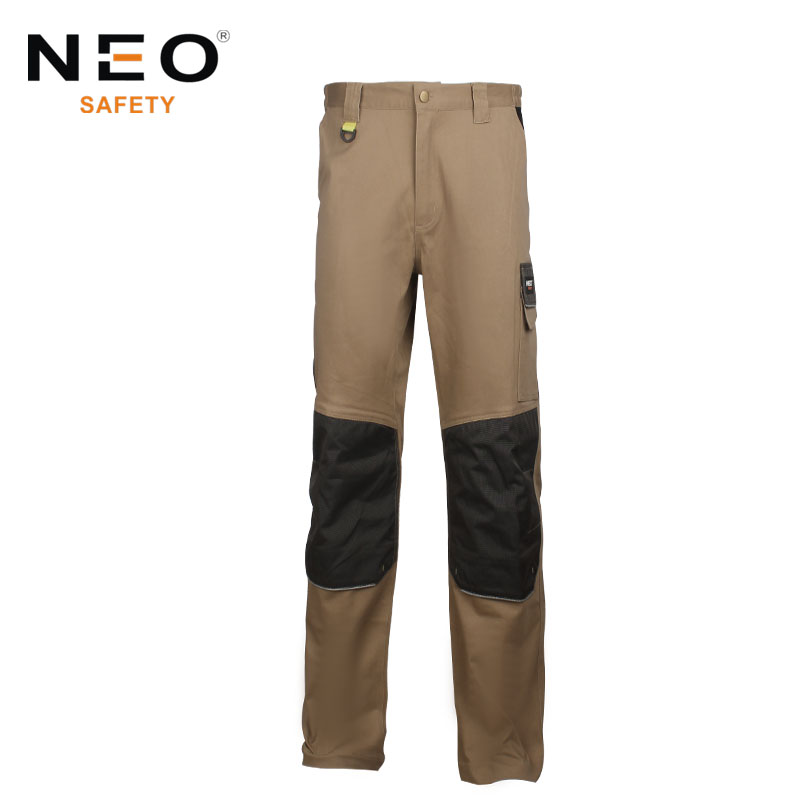
Fabric weight, typically measured in Grams per Square Meter (GSM), dictates the drape, durability, and seasonality of the garment. For example, a summer chino might require a 180-200 GSM cotton twill, while heavy-duty workwear demands 300 GSM or higher.
Beyond weight, shrinkage tolerance is critical. Woven fabrics must undergo proper pre-shrinking processes (like sanforization) before cutting. You should specify acceptable shrinkage rates in your tech pack—typically under 3 percent for cotton and less than 1 percent for synthetics.
| Specification | Casual/Chinos | Formal Trousers | Performance/Active |
|---|---|---|---|
| Typical Fabric Weight | 200 - 280 GSM | 220 - 260 GSM | 150 - 220 GSM |
| Common Composition | 98% Cotton, 2% Spandex | Wool/Polyester Blends | Nylon/Spandex Blends |
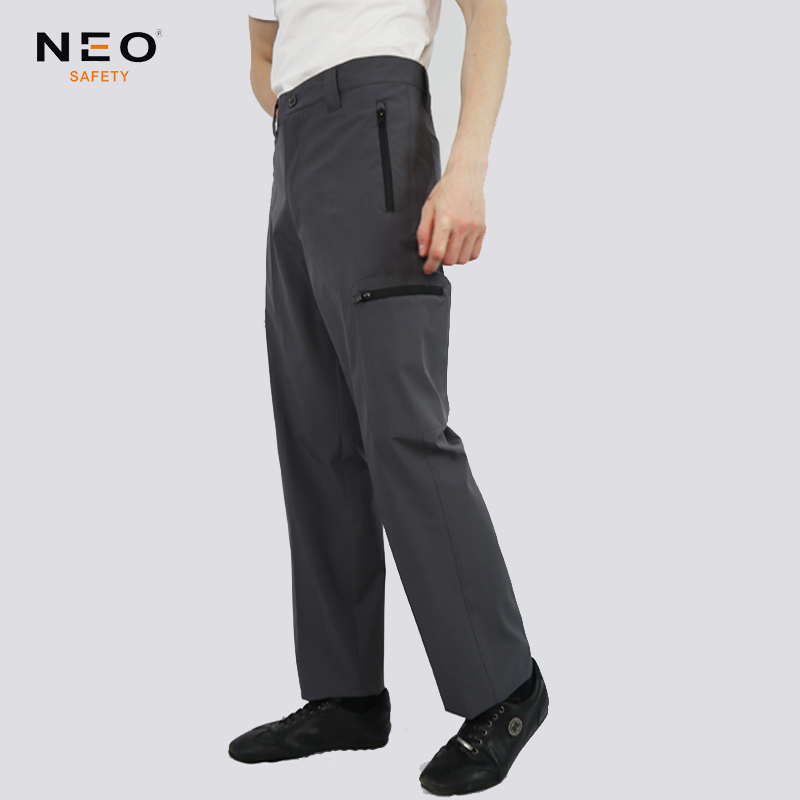
| Key Construction Focus | Garment washing, bar-tacks | Blind hems, lined knees | 4-way stretch, flatlock seams |
Manufacturing Process & Quality Control
Quality in pants manufacturing is won or lost in the cutting and sewing phases. In the cutting room, fabric must be allowed to relax before cutting to prevent post-production warping. During sewing, stitch density (Stitches Per Inch, or SPI) must be closely monitored. A standard trouser requires 10-12 SPI; anything less can lead to seam failure under stress, particularly in the crotch and seat.
To mitigate these risks, implementing robust Quality Control & Inspection protocols is non-negotiable. In-line inspections should verify that seam allowances are consistent and that critical stress points are reinforced.
Critical Inspection Points for Pants & Trousers
- Crotch and seat seam reinforcement (double stitching or taping).
- Waistband construction and interfacing stiffness.
- Zipper installation (checking for wave defects and smooth operation).
- Pocket bag material durability and stitching depth.
- Symmetry of leg lengths and hem finishing.
Struggling with inconsistent sizing or high defect rates? Let us help you establish strict quality control frameworks with vetted apparel manufacturers.
Talk to our teamOEM/ODM and Pattern Grading
If you are developing custom designs, OEM/ODM Services allow you to dictate every aspect of the garment. A comprehensive tech pack is your primary communication tool. It must include detailed flat sketches, a Bill of Materials (BOM), and a comprehensive measurement chart across all sizes.
Pattern grading for men's trousers is notoriously complex. Scaling a size 32 waist to a 40 waist is not a linear process; the rise, thigh, and knee measurements must be adjusted proportionally to maintain the intended silhouette. Partnering with factories that have experienced in-house pattern makers ensures your grading rules translate accurately from paper to production.
Verify Factory Capabilities
Ensure your chosen supplier has the technical machinery and skilled labor required for complex trouser construction before placing a bulk order.
Typical Sourcing Terms: MOQs, Lead Times, and Pricing
Apparel manufacturing terms vary heavily based on fabric availability and factory capacity. Using stock fabrics (available in the market) significantly lowers Minimum Order Quantities (MOQs) and lead times. Conversely, custom-milled fabrics or specialized dyeing processes will push MOQs higher.
Need realistic pricing and lead time estimates for your upcoming trouser collection? Connect with our sourcing experts for an accurate assessment.
Get a free consultationFrequently Asked Questions
Successfully sourcing men's pants and trousers requires moving beyond basic aesthetics to rigorously manage technical execution. By prioritizing detailed specifications, strict grading rules, and proactive quality control, you protect your brand's reputation for fit and durability.
Get Sourcing Help for Men's Pants & Trousers
Tell us your requirements and our experts will connect you with verified manufacturers.