Memory
Source high-performance memory from vetted manufacturers and suppliers. Designed for importers, wholesale distributors, and OEM brands buying computer spare parts in bulk, this catalog connects you with reliable production partners capable of meeting strict technical specifications and volume requirements.
Sourcing computer memory in bulk requires navigating volatile spot-market pricing, varying die qualities, and strict compatibility requirements. Whether you are assembling systems or distributing aftermarket upgrades, securing consistent IC quality and reliable Surface Mount Technology (SMT) assembly is critical to minimizing RMA rates and protecting your brand reputation.
Demystifying IC Grades and Assembly Quality
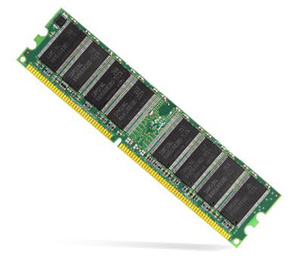
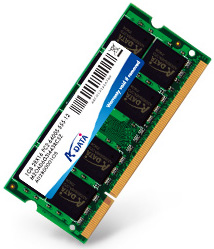
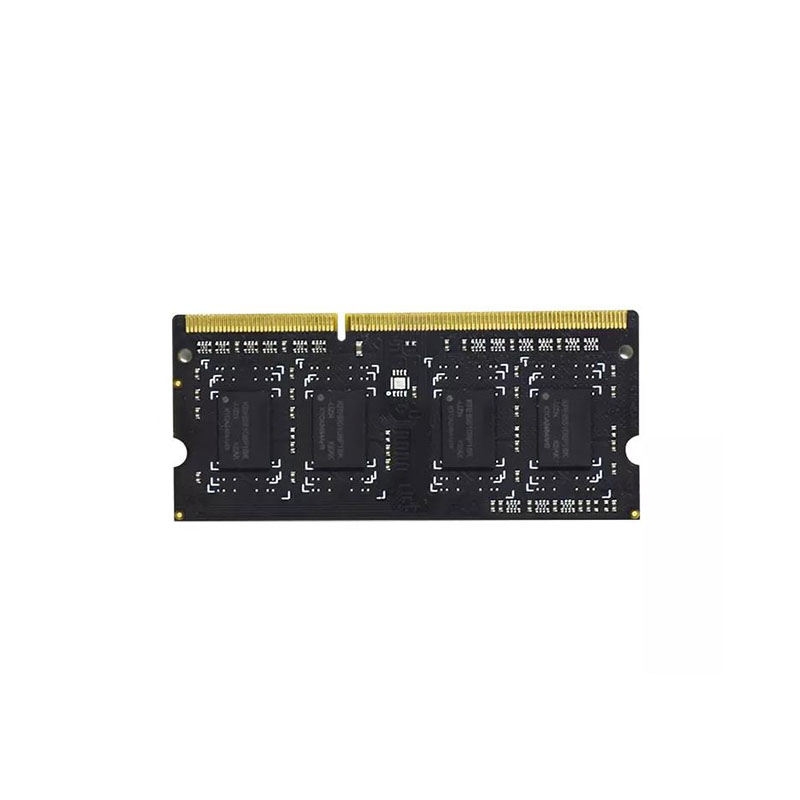
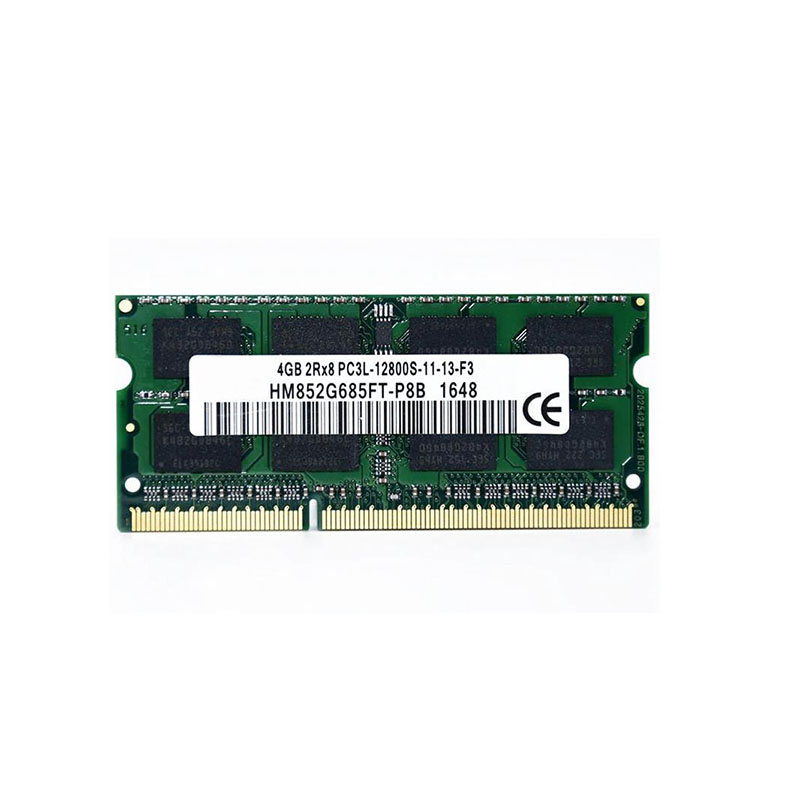
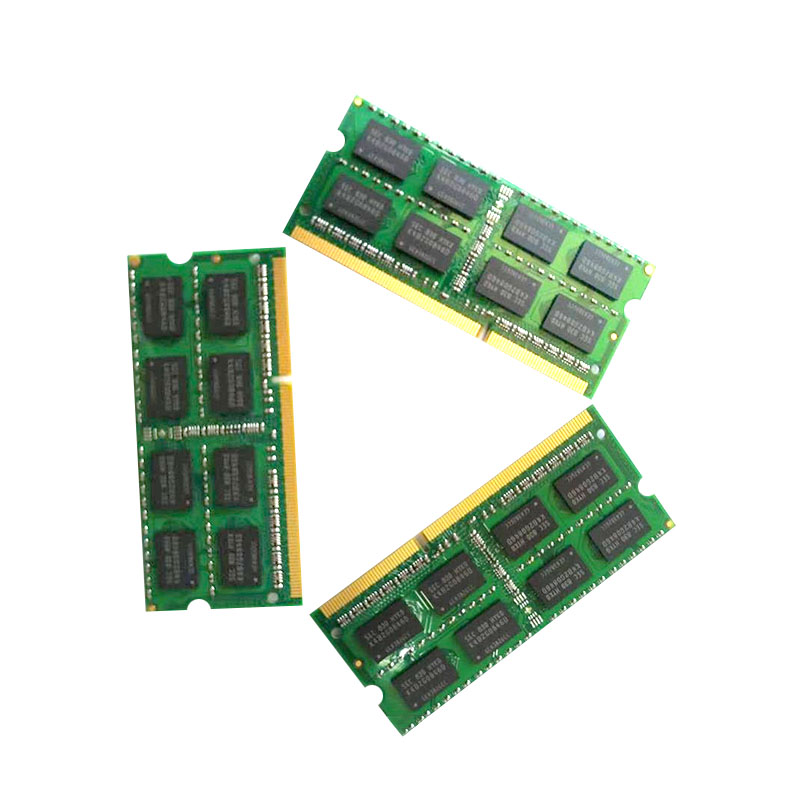
The core of any memory module is the integrated circuit (IC). Manufacturers in Shenzhen and Taiwan typically source dies from major fabs, but the grade of those dies dictates the module's stability, overclocking headroom, and lifespan.
When negotiating with suppliers, you must define the acceptable IC grade. Original major-brand dies offer the highest reliability, while ETT (Effectively Tested) and UTT (Untested) dies are common in the cost-sensitive aftermarket. Furthermore, the PCB quality matters; high-speed memory requires at least a 6-layer to 8-layer PCB to minimize electrical interference, alongside adequate gold plating on the contact pins (typically 3u to 15u) to prevent oxidation.
| IC Grade | Reliability | Cost Premium | Typical Application |
|---|---|---|---|
| Original Major | Highest | High | Enterprise & Premium OEM |
| ETT (Effectively Tested) | Moderate to High | Medium | Mainstream Consumer |
| UTT (Untested) | Variable | Low | Budget Aftermarket |
Because you cannot determine IC origin or PCB layer count purely by visual inspection once the module is assembled, verifying the supplier's supply chain is essential. Conducting rigorous Factory Audits ensures your chosen manufacturer actually possesses the cleanroom environments, automated SMT lines, and direct IC sourcing relationships they claim.
Need help verifying supplier IC sources and SMT capabilities?
Talk to our teamDefining Specifications for OEM Production
If you are building an independent brand, memory modules offer excellent opportunities for differentiation through custom heatsinks, RGB integration, and tailored SPD (Serial Presence Detect) programming. However, your purchase orders must be exhaustively detailed. Leaving specifications open to interpretation often results in suppliers substituting cheaper components when spot-market prices fluctuate.
Critical PO Specifications
- Exact IC grade requirements (e.g., Original Major only, no UTT)
- PCB layer count and gold finger plating thickness
- SPD programming data, including JEDEC compliance and XMP/EXPO profiles
- Custom heatsink materials, anodization colors, and thermal pad conductivity
- Burn-in testing parameters and acceptable failure rates
For brands looking to design custom thermal solutions or unique form factors, leveraging professional OEM/ODM Services ensures that your aesthetic designs do not compromise thermal dissipation or structural integrity.
Quality Control and Testing Protocols
Memory defects often manifest as intermittent system crashes or blue screens, which are notoriously difficult for end-users to diagnose. Consequently, pre-shipment testing must go beyond simple boot verification.
SPD Verification
Checking the EEPROM to ensure latency, voltage, and frequency profiles are correctly programmed.
Automated Test Equipment (ATE)
Running modules through specialized hardware to test memory cells at high speeds and varying voltages.
System-Level Burn-In
Testing modules in actual motherboards under heavy load (e.g., MemTest86+) at elevated temperatures to catch early-life failures.
Implementing strict Quality Control & Inspection directly on the factory floor allows you to quarantine defective batches before they are packaged, saving significant freight and RMA costs.
Pricing Dynamics, MOQs, and Lead Times
Memory pricing is highly elastic, tied directly to global DRAM and NAND spot markets. Quotes are typically valid for only a few days. When spot prices drop, securing inventory quickly is advantageous, but when prices rise, suppliers may attempt to renegotiate or delay shipments.
Secure competitive pricing and manage spot-market volatility for your memory orders.
Get a free consultationFrequently Asked Questions
Sourcing memory modules at scale is an exercise in risk management. By strictly defining IC grades, mandating comprehensive burn-in testing, and staying agile amid spot-market fluctuations, you can build a highly profitable, low-defect product line. Merhein provides the on-the-ground presence required to enforce these standards and keep your supply chain running smoothly.
Get Sourcing Help for Memory
Tell us your requirements and our experts will connect you with verified manufacturers.