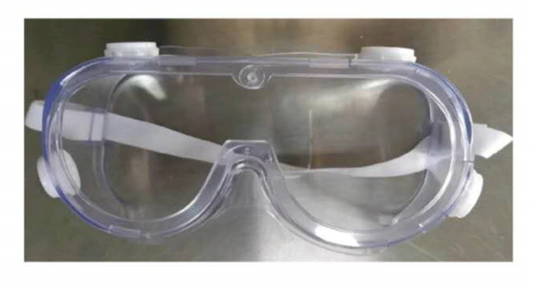
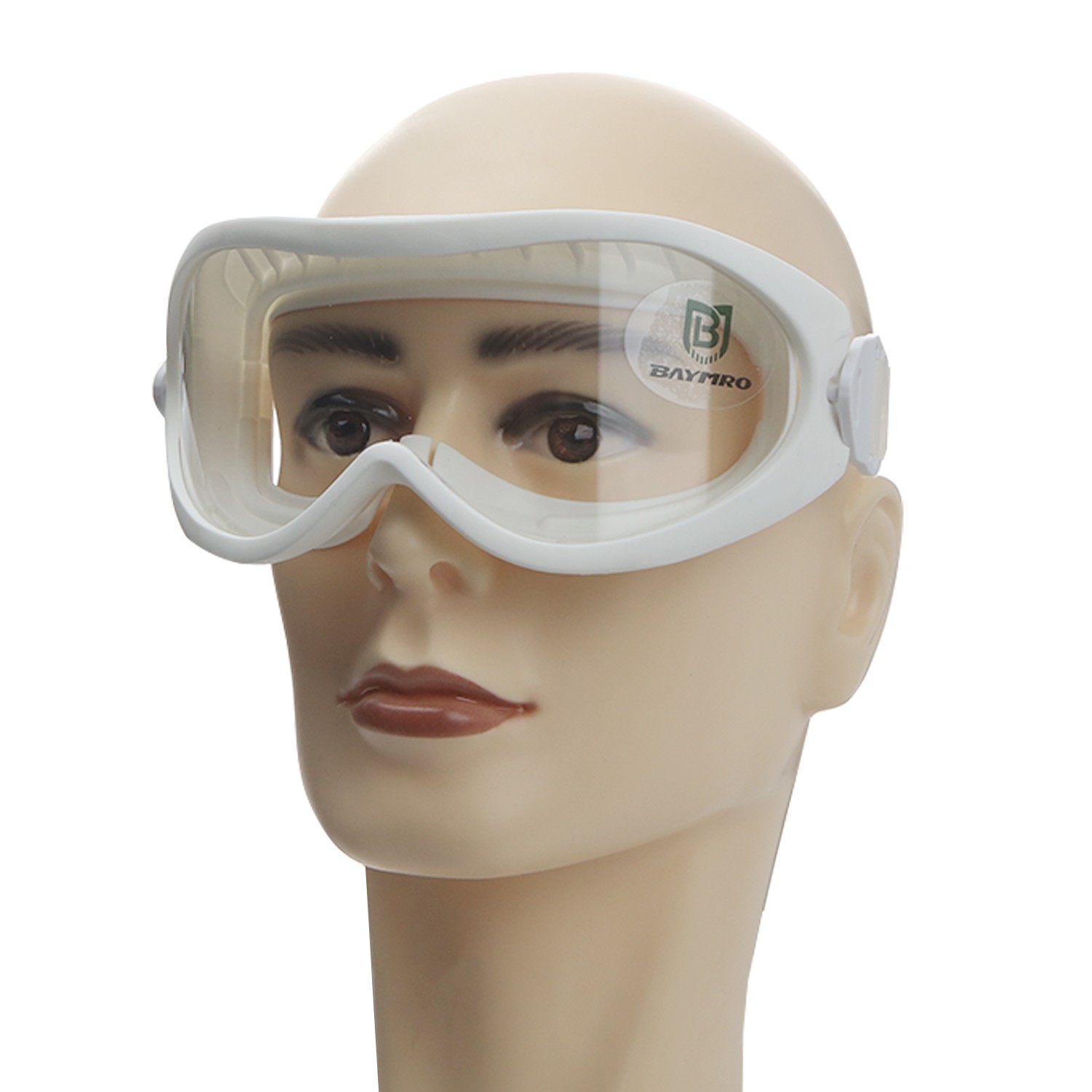
Medical Protective Goggles
Source medical protective goggles directly from vetted manufacturers and suppliers. Designed for medical importers, distributors, and brands seeking reliable OEM/private-label production, our network delivers compliant, high-volume eye protection. Secure competitive pricing for bulk wholesale orders.
Sourcing medical protective goggles at scale requires strict adherence to international optical and droplet-protection standards. The primary challenge for bulk buyers lies in balancing cost-effective, high-volume production with the technical demands of anti-fog durability, optical clarity (Class 1), and biocompatible frame materials. A minor deviation in injection molding or coating application can result in optical distortion or field failures, leading to immediate shipment rejections.
Core Specifications and Materials
When negotiating with manufacturers, specifying the exact material grades and coating technologies is critical. Generic "anti-fog" claims are insufficient for medical environments; buyers must define the application method and performance baseline.
- Lens Material: Polycarbonate (PC) is the industry standard due to its high impact resistance and optical clarity. Lenses for medical use typically range from 1.5mm to 2.0mm in thickness.
- Frame Construction: Medical-grade Polyvinyl Chloride (PVC) or Thermoplastic Elastomers (TPE) are used for the frame. TPE offers superior flexibility and a better facial seal across varying temperatures, though it commands a higher raw material cost.
- Ventilation Design: Medical goggles must protect against fluid splash and airborne droplets. This requires either indirect ventilation (using covered vents that allow airflow but block straight-line liquid ingress) or non-vented designs. Direct ventilation is strictly unsuitable for medical droplet protection.
- Coating Technologies: Anti-fog (AF) and anti-scratch (AS) coatings dictate the usable lifespan of the goggle. Dip-coating provides a uniform, durable layer on both sides of the lens and is heavily preferred over cheaper spray-coating methods, which degrade rapidly under clinical cleaning protocols.
Manufacturing Precision and Quality Control
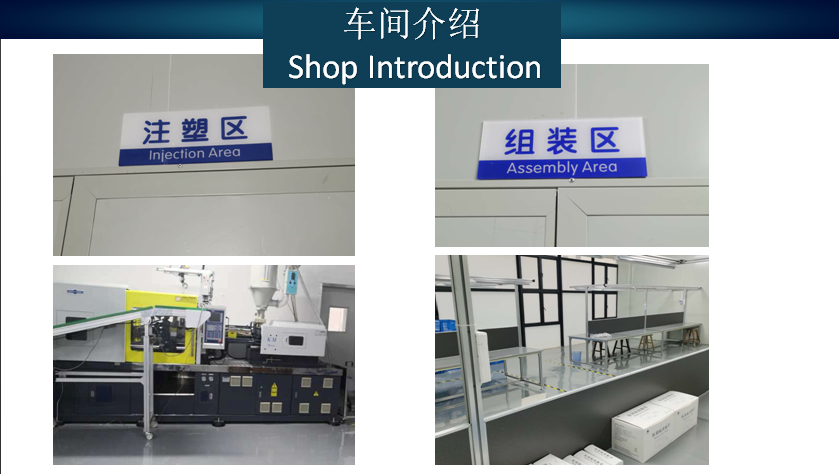
The manufacturing of optical-grade PPE requires highly controlled environments. Lens injection molding must be executed with precise temperature and pressure controls to prevent internal stress, which manifests as spherical or astigmatic distortion.
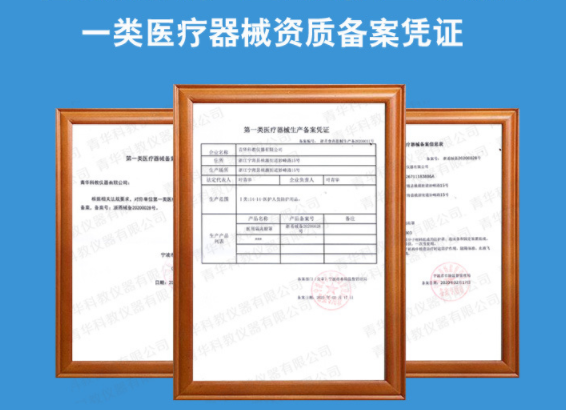
Because medical goggles are classified as medical devices (e.g., Class I under FDA guidelines), factories must maintain stringent quality management systems (ISO 13485). Before committing to a large order, conducting Factory Audits is essential to verify cleanroom conditions and proper maintenance of injection molds.
Critical In-Line QC Checks for Medical Goggles
- Optical clarity testing (checking for refractive power errors and light diffusion).
- Coating adhesion and durability tests (steam testing for anti-fog longevity).
- Splash resistance verification for indirect ventilation valves.
- Strap tension and elasticity retention after repeated stretching.
- Biocompatibility verification of frame materials (ensuring no skin irritation).
Catching optical defects post-production is costly. Implementing rigorous Quality Control & Inspection during the initial production run ensures that molding temperatures and coating baths are properly calibrated before thousands of units are finalized.
Ensure your production meets strict optical and medical standards.
Talk to our teamRegulatory Standards and Compliance
Medical goggles must pass specific regional standards to clear customs and enter hospital procurement networks. These standards test for impact resistance, optical quality, and liquid droplet protection.
| Standard | Target Market | Key Testing Focus |
|---|---|---|
| EN 166 | Europe | Optical class (Class 1 required), droplet/splash resistance (Field of use 3) |
| ANSI Z87.1 | United States | Impact resistance (Z87+), splash/droplet protection (D3 rating) |
| GB 14866 | China | General specifications for personal eye-protectors |
Navigating these regulatory frameworks requires verified lab reports. Utilizing professional Compliance & Testing services ensures that the product you import matches the certification documents provided by the factory.
Pricing, MOQs, and Lead Times
Unit costs for medical goggles are heavily influenced by the grade of the anti-fog coating, the frame material (PVC vs. TPE), and customization requirements.
For brands looking to develop proprietary designs or custom facial seals, OEM/ODM Services will require custom tooling. Mold fees for a new goggle frame and lens set typically range from a few thousand to several thousand dollars, depending on the complexity of the venting system and the number of mold cavities.
Optimize your unit costs and streamline your medical PPE supply chain.
Get a free consultationSuccessfully sourcing medical protective goggles requires looking past the lowest unit price and focusing on optical precision, coating durability, and strict regulatory compliance. Partnering with experienced sourcing professionals ensures that your supply chain delivers safe, compliant, and high-quality protective equipment every time.
Get Sourcing Help for Medical Protective Goggles
Tell us your requirements and our experts will connect you with verified manufacturers.