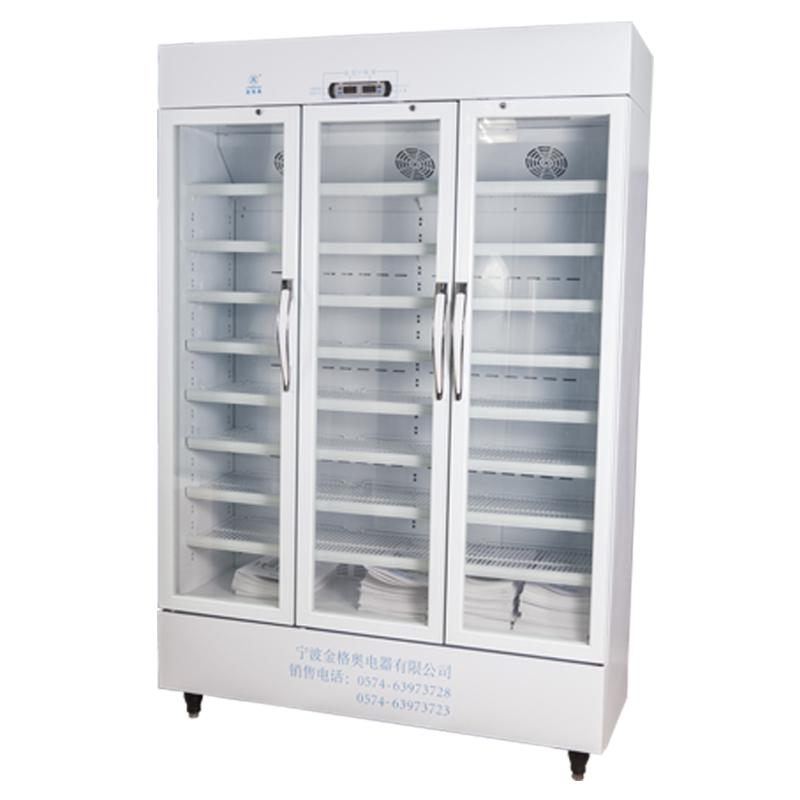
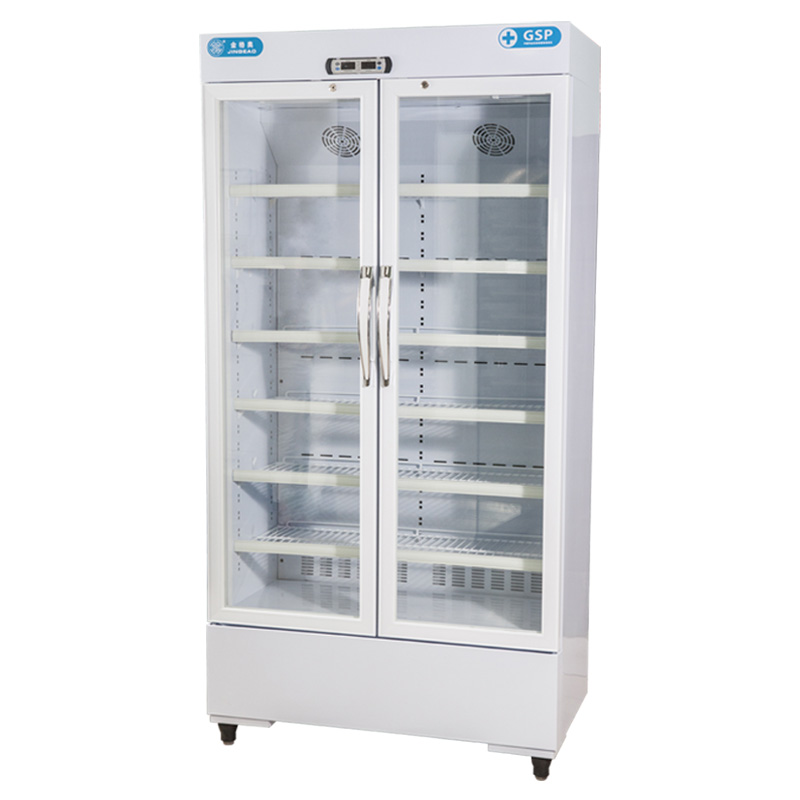
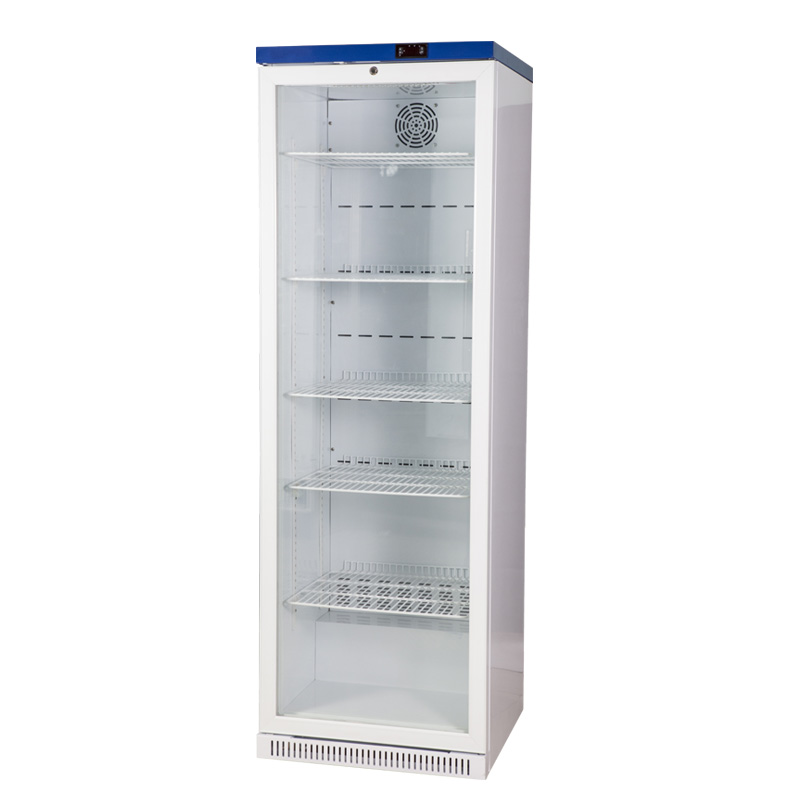
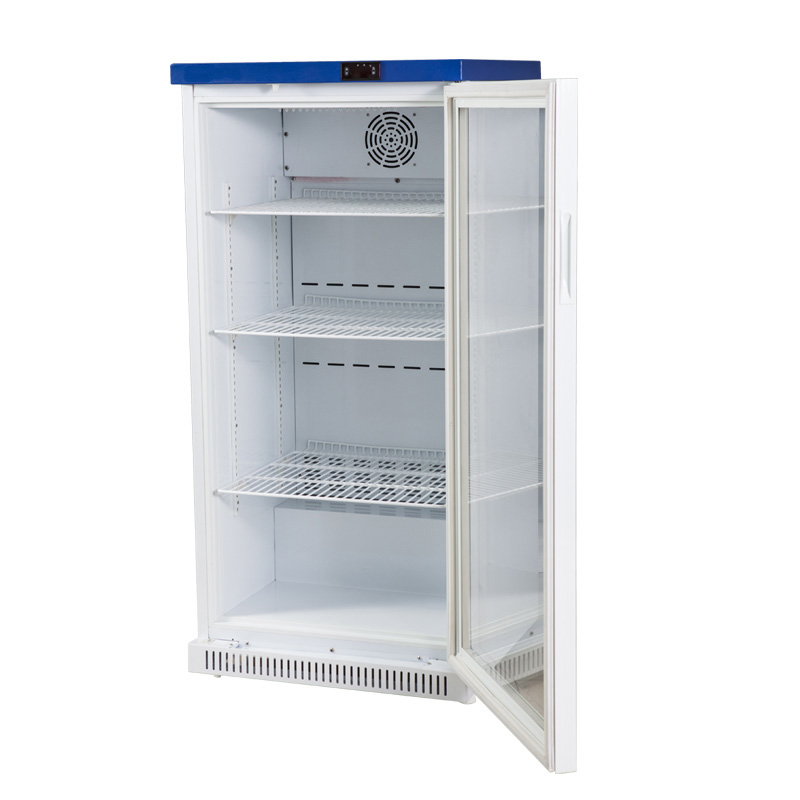
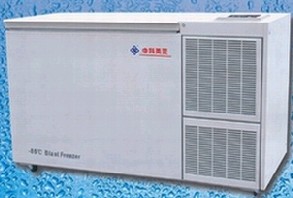
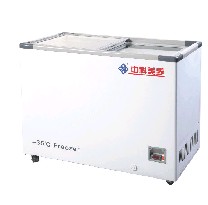
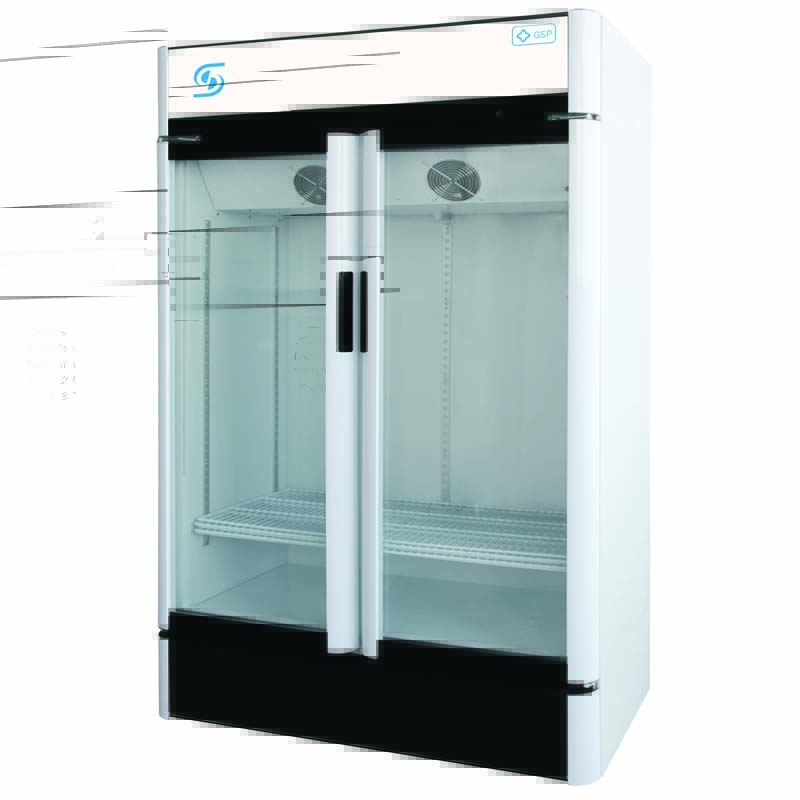
Medical Cryogenic Equipment
Source Medical Cryogenic Equipment from vetted manufacturers and suppliers. Designed for importers, medical distributors, and brands seeking reliable OEM/ODM production, our network delivers bulk ultra-low temperature freezers and liquid nitrogen storage solutions built to rigorous global compliance standards.
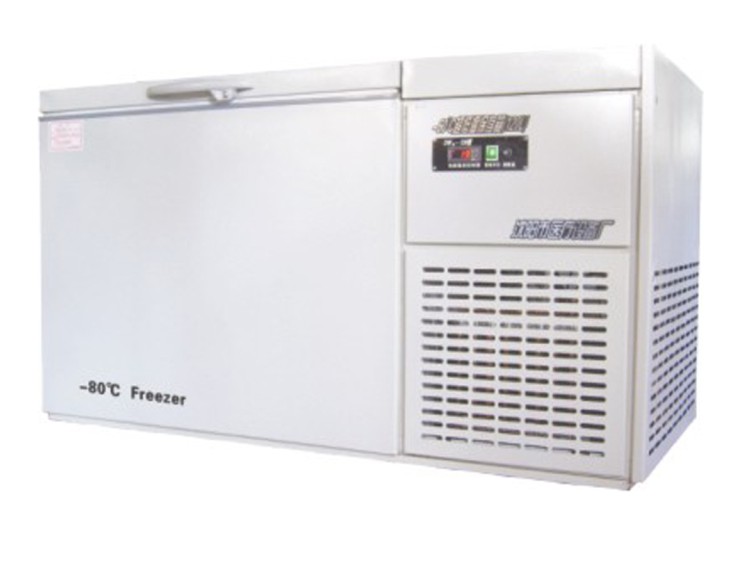
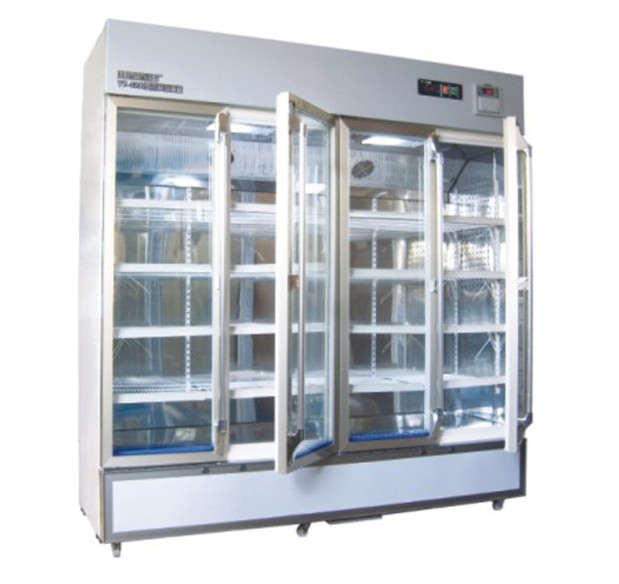
Sourcing medical cryogenic equipment—ranging from ultra-low temperature (ULT) freezers to liquid nitrogen (LN2) biological storage dewars—requires absolute certainty in temperature stability and hardware reliability. Biological sample degradation is not an option. When buying in bulk or developing an OEM line, navigating the Asian manufacturing landscape means distinguishing between standard commercial refrigeration factories and specialized medical device manufacturers operating under stringent quality management systems.
Core Specifications for Medical Cold Chain Storage
Procurement in this category is dictated by the precise temperature requirements of the biological assets being stored. Buyers must clearly define the required operating parameters to ensure the factory utilizes the correct insulation thickness, compressor architecture, and metallurgical standards.
| Technology | Operating Temp | Primary Application | Key Sourcing Metric |
|---|---|---|---|
| ULT Freezers | -40°C to -86°C | Plasma, vaccines, DNA/RNA | Compressor redundancy & pull-down time |
| LN2 Vapor Phase | -150°C to -190°C | Stem cells, embryos | Temperature uniformity & LN2 consumption |
| LN2 Liquid Phase | -196°C | Long-term bio-archiving | Static evaporation rate (SER) |
For LN2 storage, the static evaporation rate (SER) and static hold time are the definitive metrics of quality. A high-quality 35-liter aluminum dewar with a 50mm neck should achieve a static hold time of over 120 days. Any underperformance here indicates poor vacuum integrity or substandard neck tube bonding.
Ensure your cryogenic equipment meets strict medical standards before production begins.
Talk to our teamManufacturing Standards and Critical Failure Points
The longevity and reliability of cryogenic equipment hinge on invisible manufacturing processes. A finished product might look pristine on the outside, but its performance relies on the integrity of its vacuum spaces and cooling loops.
Vacuum Integrity and Insulation
Both LN2 dewars and high-end ULT freezers rely on vacuum insulation. For ULT freezers, Vacuum Insulation Panels (VIP) combined with high-density polyurethane foaming are standard. If the foaming process is uneven or the VIP is punctured during assembly, the unit will suffer from rapid temperature loss during power outages and excessive compressor strain.
For LN2 tanks, the vacuum space between the inner and outer vessels must be rigorously tested. Top-tier factories utilize helium mass spectrometer leak detection. Executing robust Factory Audits is essential to verify that the supplier actually possesses and calibrates this specialized leak detection equipment, rather than relying on basic pressure testing.
Compressor Architecture
Chinese manufacturers dominate the global production of ULT freezers, but the most reliable units often integrate imported core components. Dual cascade refrigeration systems are the standard for -86°C freezers. When negotiating specifications, you can and should specify the compressor brand (e.g., Secop, Embraco, or Tecumseh). Upgrading to premium compressors increases the unit cost but drastically reduces the failure rate in the field.
Critical Factory-Level Inspections
- Helium leak testing protocols for all vacuum-sealed vessels.
- Temperature mapping tests (pull-down time, uniformity, and warm-up time) in a controlled climate chamber.
- Verification of PT100 sensor calibration and alarm system triggers.
- Weld quality inspection (TIG welding) on stainless steel inner chambers to prevent micro-fissures.
Implementing rigorous Quality Control & Inspection before the goods are containerized ensures that these temperature mapping and leak tests are independently verified.
Regulatory Compliance and Validation
Medical cryogenic equipment straddles the line between laboratory equipment and Class II/Class IIa medical devices, depending on the intended use and target market. If the equipment is explicitly marketed for the storage of blood, plasma, or human tissues for clinical use, it falls under strict medical device regulations.
Suppliers must hold valid ISO 13485 certification. Furthermore, entering the European market requires CE marking under the Medical Device Regulation (MDR) or In Vitro Diagnostic Regulation (IVDR), while the US market requires FDA 510(k) clearance. Because regulatory failure results in immediate customs seizure, utilizing professional Compliance & Testing services to validate factory documentation and product certifications is a mandatory step in the sourcing lifecycle.
MOQs, Lead Times, and Supply Chain Realities
Cryogenic equipment is highly varied in scale, which directly impacts minimum order quantities (MOQs) and production timelines.
- Ultra-Low Temperature Freezers: Due to their size and cost, MOQs are typically low, often starting at 1 to 5 units for standard models. OEM branding (custom colors, specific controller interfaces) usually pushes the MOQ to 10 or 20 units. Lead times range from 30 to 45 days.
- Aluminum LN2 Dewars: These are mass-produced items. MOQs for unbranded stock generally sit at 20 to 50 units, while custom-branded runs require orders of 100 units or more. Production takes roughly 20 to 30 days.
- Stainless Steel Vapor Phase Freezers: These are high-value, highly engineered capital equipment. MOQs are almost always 1 unit, with lead times extending to 45 to 60 days due to the complex manufacturing and testing phases.
Streamline your medical equipment procurement with end-to-end sourcing support.
Get a free consultationSourcing medical cryogenic equipment is an exercise in risk management. The margin for error is non-existent when dealing with life-saving biological samples. Success requires moving past brochure specifications to validate the underlying engineering, component sourcing, and quality management systems of the manufacturer.
Get Sourcing Help for Medical Cryogenic Equipment
Tell us your requirements and our experts will connect you with verified manufacturers.