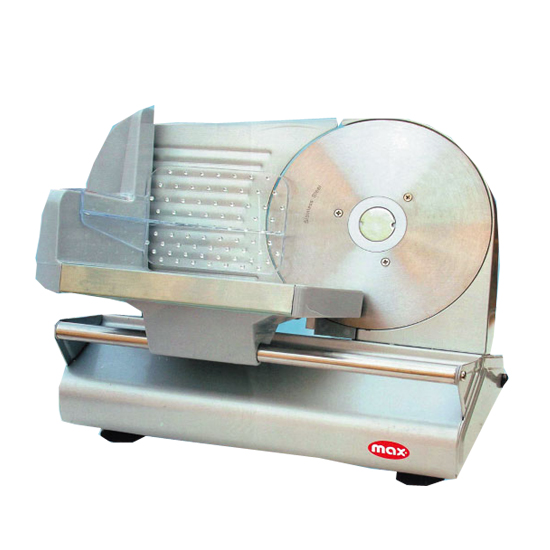
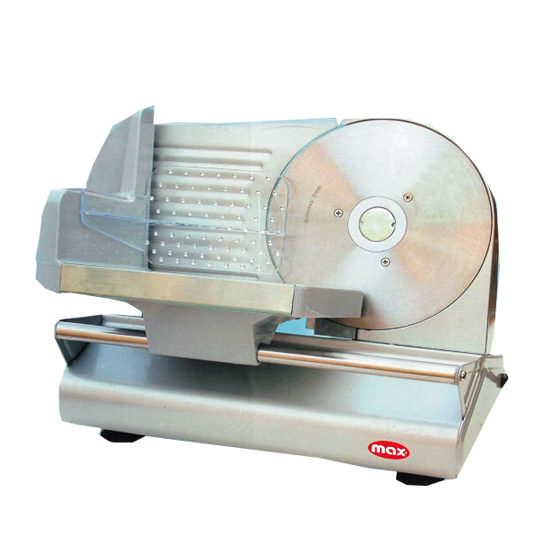
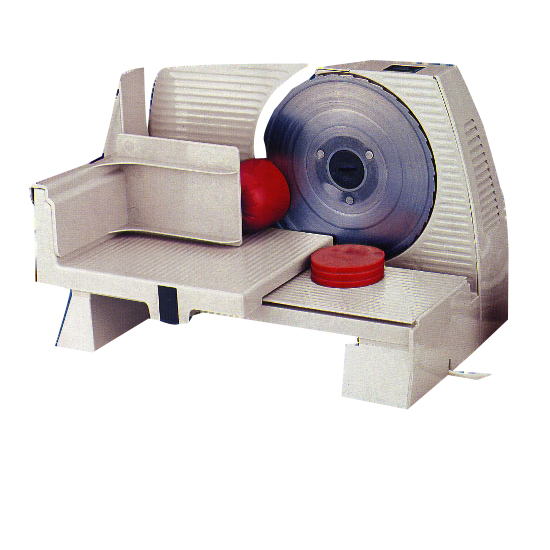
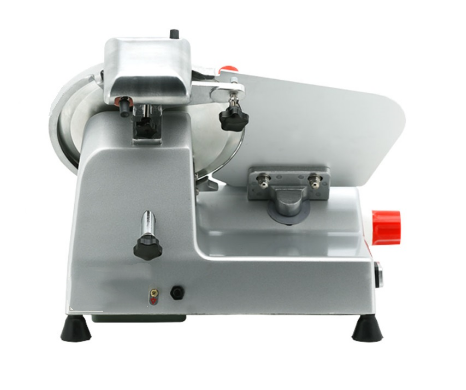
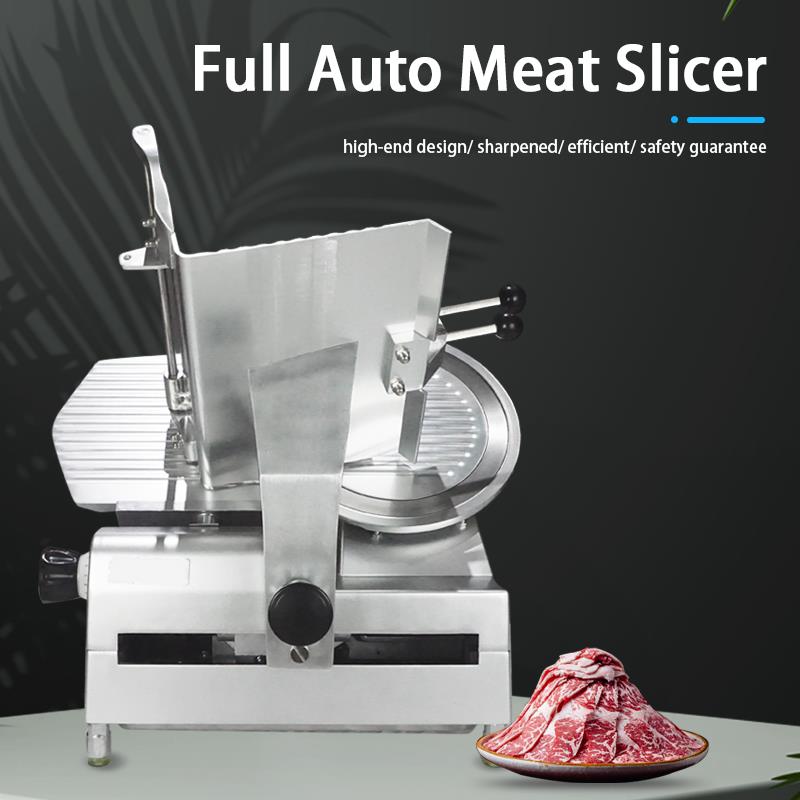
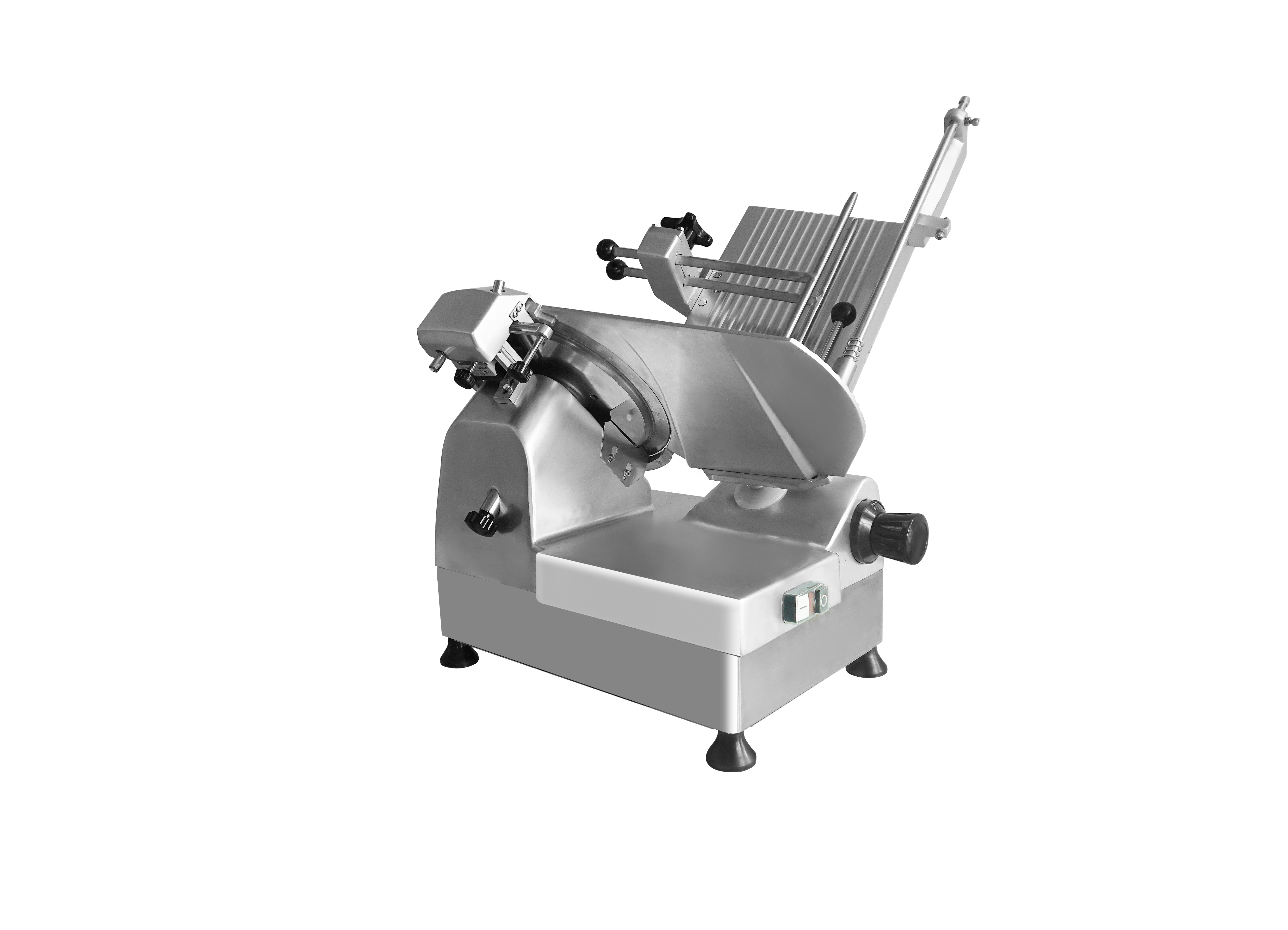
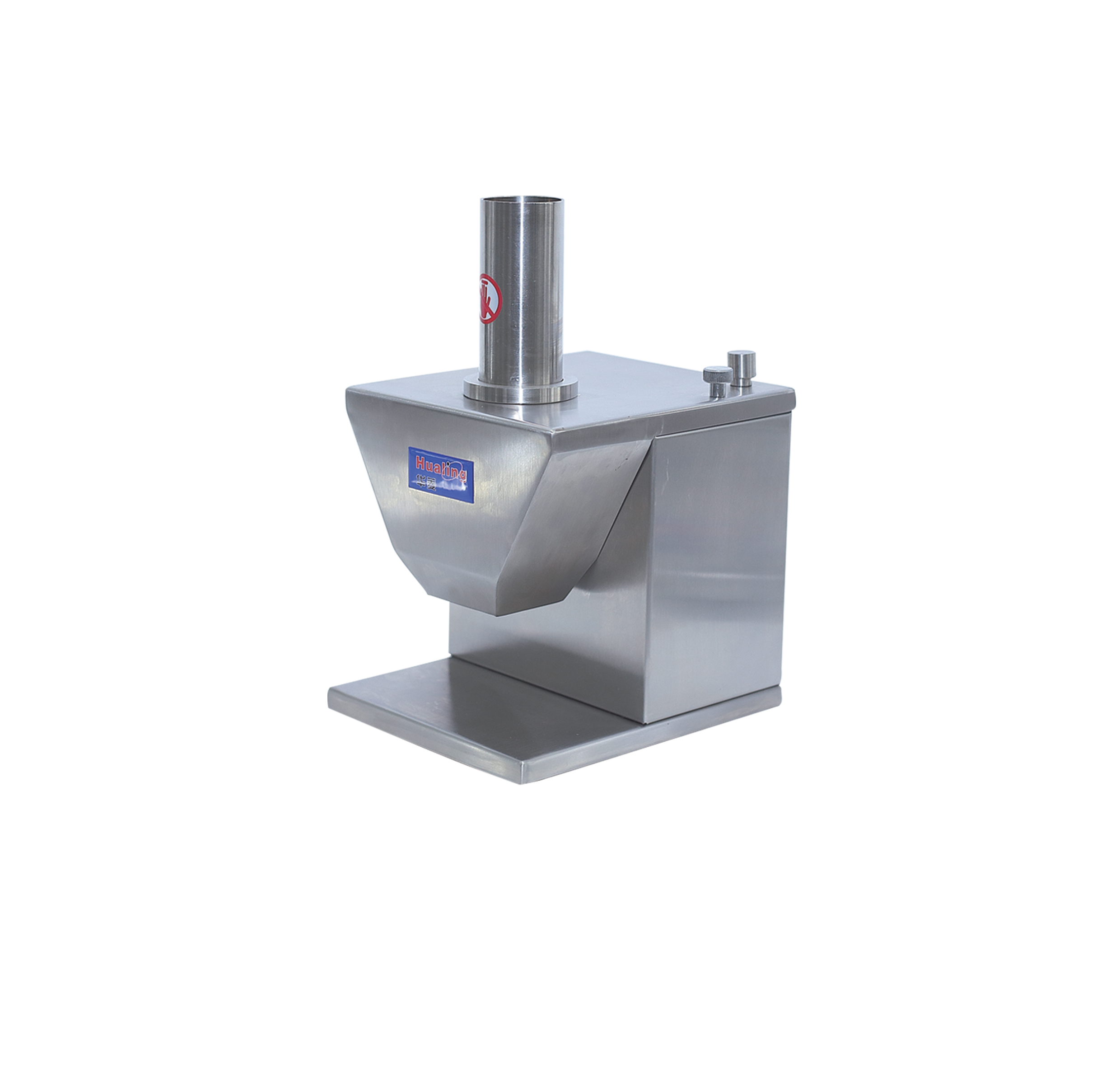
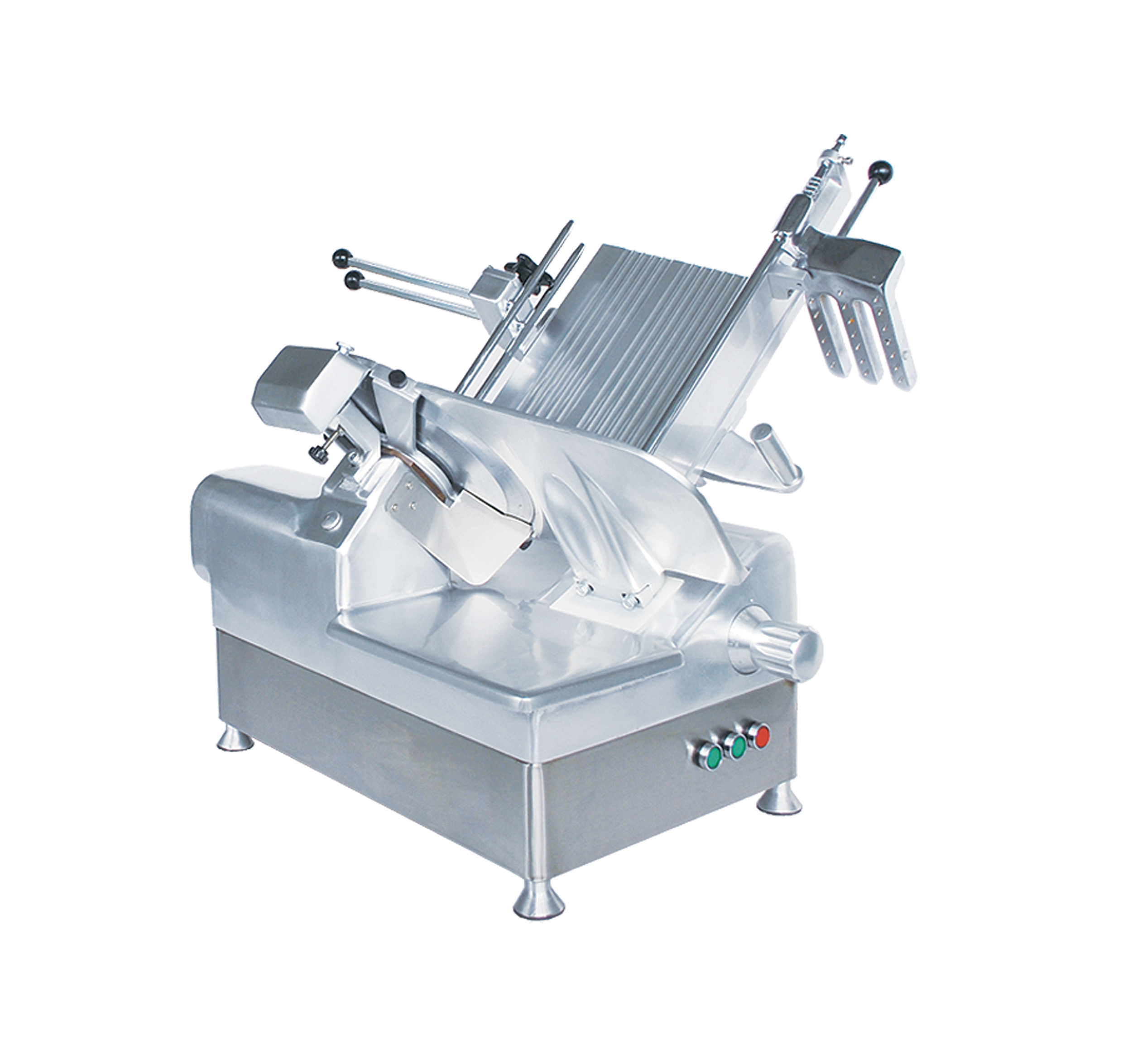
Meat Slicers
Source commercial meat slicers from vetted suppliers and manufacturers across Asia. Designed for equipment importers, restaurant supply distributors, and brands seeking reliable OEM or private-label production. Secure competitive bulk pricing on heavy-duty slicing machinery built for demanding food service environments.
Sourcing commercial meat slicers at scale requires a strict balance of motor endurance, blade metallurgy, and rigorous food safety compliance. For high-volume buyers, the primary challenge is not simply locating a factory, but identifying a manufacturing partner capable of maintaining exact machining tolerances and certified electrical safety across large, repeated production runs.
Core Specifications and Component Selection
When negotiating with manufacturers, specifying the right internal components dictates the machine's duty cycle and market positioning. Off-the-shelf models often cut corners on motor windings or housing finishes, which leads to premature failure in commercial kitchens.
Motor and Drive Systems
The drive system is the defining factor in a slicer's performance and price point.
| Specification | Belt-Driven Slicers | Gear-Driven Slicers |
|---|---|---|
| Primary Application | Light to medium duty (delis, cafes) | Heavy duty (butcher shops, supermarkets) |
| Power Transfer | Prone to slipping under heavy loads | Direct power, zero slippage |
| Maintenance | Requires periodic belt replacement | Higher upfront cost, lower maintenance |
| Noise Level | Generally quieter operation | Slightly louder due to gear meshing |
Blade Metallurgy and Sizing
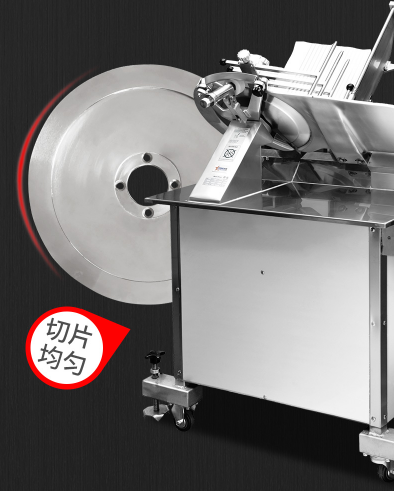
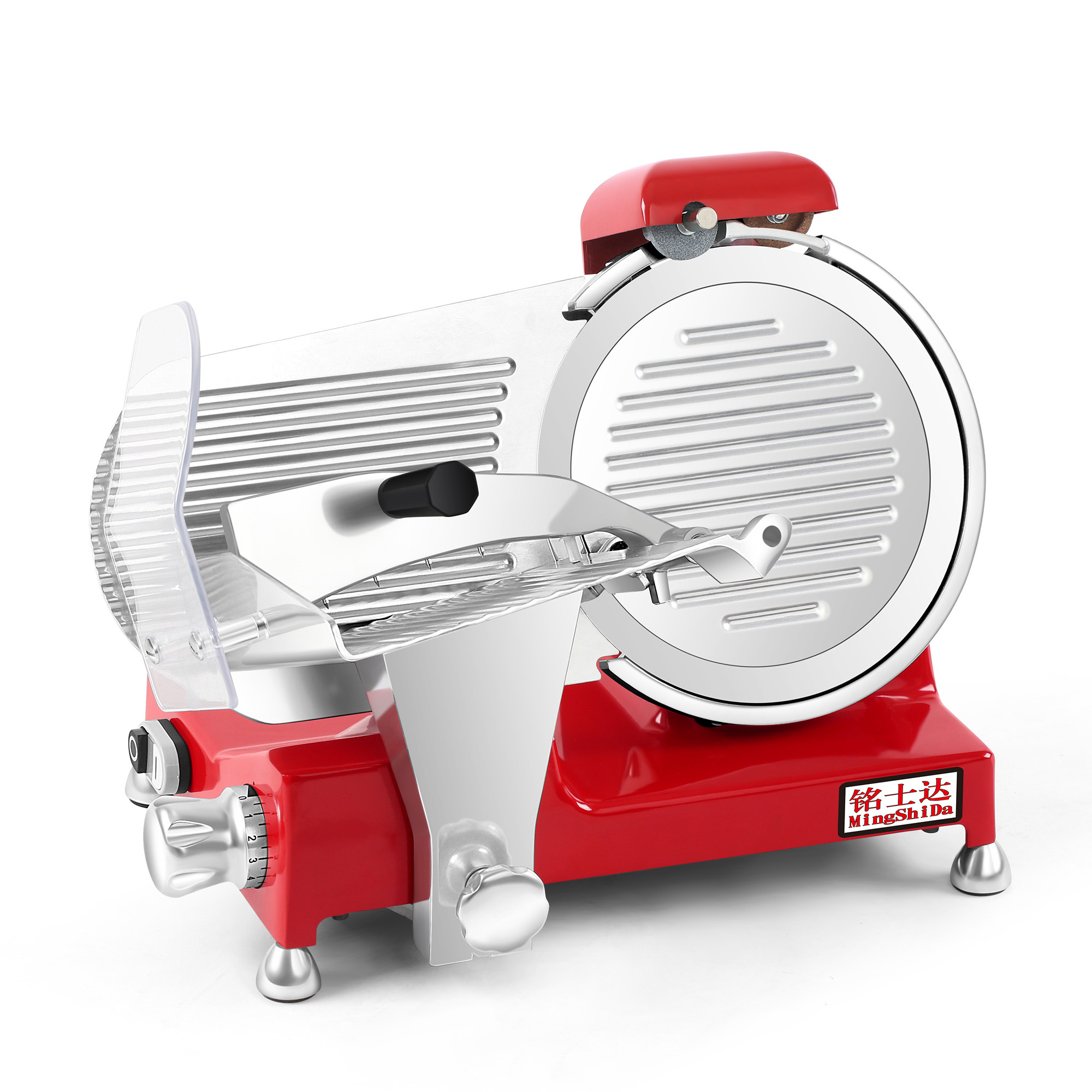
Commercial blades typically range from 10 inches to 14 inches. Standard blades are forged from carbon steel and plated with hard chrome, offering a balance of edge retention and corrosion resistance. For specialized applications—such as slicing high-fat or sticky cheeses—buyers should specify Teflon-coated blades to prevent drag and motor strain.
Need to verify a factory's machining tolerances and component quality before placing a bulk order? We can manage the vetting and auditing process.
Talk to our teamManufacturing Tolerances and Quality Control
The difference between a premium slicer and a high-defect liability lies on the factory floor. Machining precision is critical; even a millimeter of blade runout can cause inconsistent slices and motor fatigue. Furthermore, the housing—usually cast aluminum—must be properly anodized. Poor anodization leads to pitting, which harbors bacteria and immediately violates sanitation standards.
To mitigate these risks, comprehensive Quality Control & Inspection is mandatory. Relying on a factory's internal QC is rarely sufficient for strict Western markets.
Critical Pre-Shipment Inspection Points
- Blade runout and carriage alignment tolerances
- Anodized coating thickness and uniformity on all food-contact surfaces
- Motor thermal overload protection functionality
- Interlock switch reliability on blade guards and sharpeners
- Dielectric voltage-withstand (hi-pot) testing for electrical safety
Compliance and Regulatory Standards
Commercial food processing equipment faces stringent regulatory hurdles. If you are importing into North America, the equipment must typically meet NSF/ANSI 8 standards for sanitation and UL/ETL standards for electrical safety. European imports require CE marking, specifically adhering to the Machinery Directive and food contact materials regulations.
Do not take a supplier's word that a product is "compliant." Ensure you utilize rigorous Compliance & Testing services to verify that the specific components used in your production run match the certified prototypes.
Buying Mechanics: MOQs, Lead Times, and Pricing
Procurement managers must navigate varying minimum order quantities (MOQs) depending on the level of customization required. Standard white-label orders have lower thresholds, while structural modifications or custom tooling demand higher commitments.
If you are developing a proprietary model or require specific housing modifications to fit an existing product line, engaging a partner for OEM/ODM Services ensures your intellectual property is protected and the final product meets your exact specifications.
Pricing is heavily influenced by the raw material costs of aluminum and copper (for motor windings), as well as the chosen drive system. Gear-driven models with 1/2 HP motors will command a significant premium over 1/4 HP belt-driven units.
Optimize your supply chain and secure competitive pricing on commercial food processing equipment with our end-to-end sourcing support.
Get a free consultationFrequently Asked Questions
Successfully importing commercial meat slicers requires looking past the polished exterior to verify the engineering integrity within. By enforcing strict quality control protocols and partnering with manufacturers who understand international compliance, buyers can secure reliable, high-margin equipment for their distribution networks.
Get Sourcing Help for Meat Slicers
Tell us your requirements and our experts will connect you with verified manufacturers.