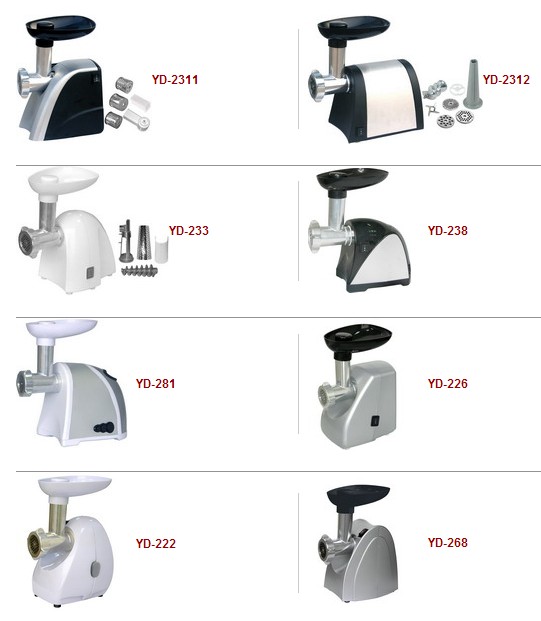
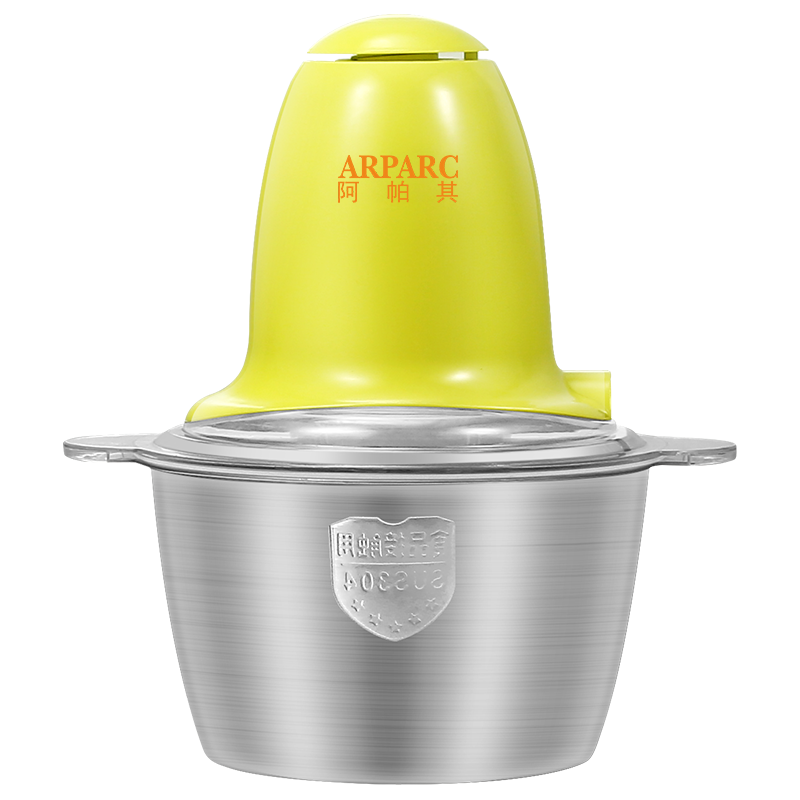
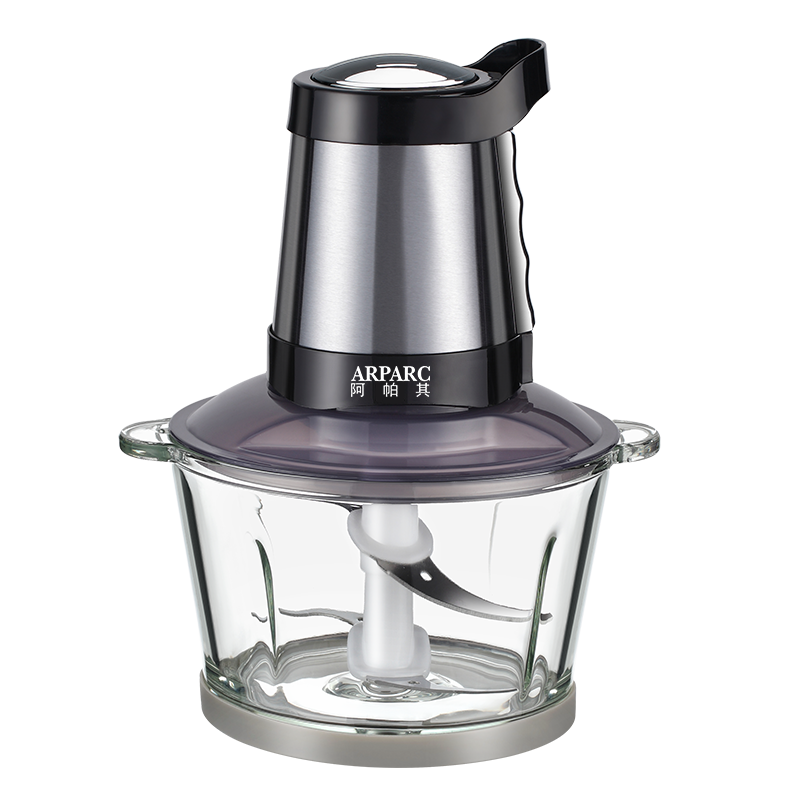
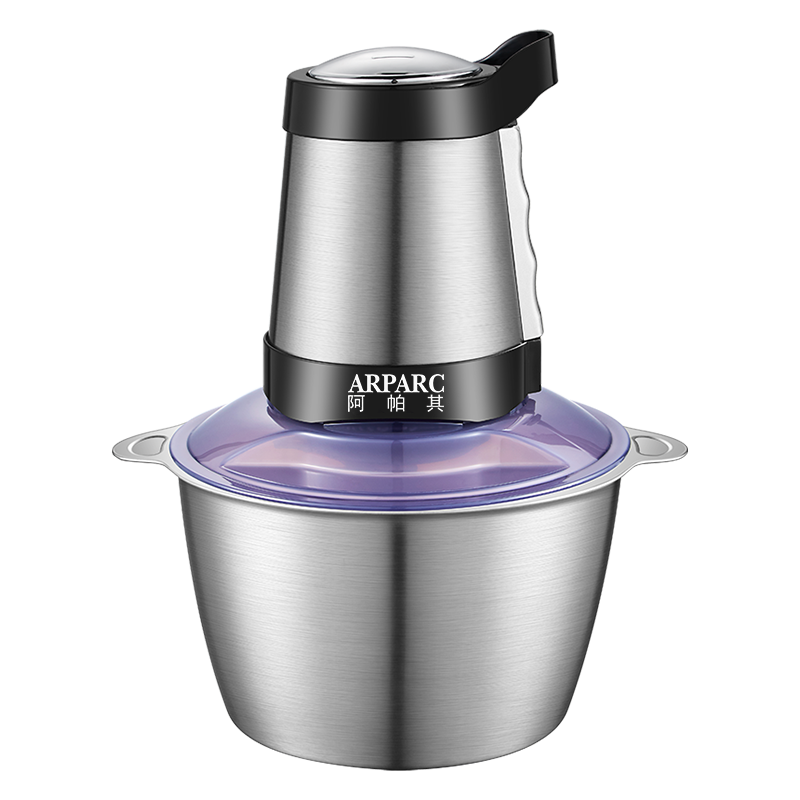
Meat Grinders & Slicers
Source premium meat grinders and slicers from vetted manufacturers and wholesale suppliers. Designed for importers, distributors, and brands seeking reliable OEM and private-label production, our network delivers high-performance appliances built for durability, electrical safety, and strict food-contact compliance at scale.
Sourcing motorized kitchen appliances like meat grinders and slicers requires balancing mechanical durability, blade metallurgy, and strict regulatory compliance. Whether you are developing a heavy-duty prosumer line or a cost-effective domestic model, the difference between a high return rate and a successful product launch lies deep in the bill of materials.
Successfully importing these appliances means moving beyond superficial exterior designs to dictate the internal specifications that actually govern performance and lifespan.
Critical Specifications: Motors, Gears, and Metallurgy
When negotiating with manufacturers, the specifications you define will dictate both the unit cost and the product's reliability. Avoid suppliers who only quote "maximum wattage," as this often masks inferior motor construction.
| Component | Entry-Level / Domestic | Premium / Prosumer |
|---|---|---|
| Motor Winding | Copper-clad aluminum (CCA) | 100% pure copper |
| Gear Assembly | POM plastic (nylon) | Die-cast steel or brass |
| Blade Material | Standard stainless steel | SUS420J2 or SUS440C (hardened) |
| Housing | Injected ABS plastic | Die-cast aluminum or stainless steel |
Motor Wattage: Rated vs. Locked
Manufacturers frequently advertise "Locked Motor Wattage" (the peak power drawn just before the motor stalls) rather than the "Rated Wattage" (continuous operating power). A grinder advertised at 2000W locked may only have a 500W rated motor. Ensure your specification sheet explicitly defines both to prevent supplier substitutions.
Need help verifying factory capabilities or negotiating exact bill-of-materials specifications? We can help you lock in the right technical details before production starts.
Talk to our teamManaging Quality Control on the Factory Floor
Motorized appliances with sharp, high-speed moving parts introduce significant quality and safety risks. Catching defects requires rigorous Quality Control & Inspection during assembly, not just visual checks before shipping.
Key In-Line Inspection Points for Grinders & Slicers
- Thermal Cut-off Verification: Testing the automatic shut-off mechanism when the motor reaches peak temperature.
- Gearbox Alignment: Ensuring gears mesh perfectly to prevent excessive noise, vibration, and premature wear.
- Blade Hardness Testing: Verifying Rockwell hardness (HRC) to ensure blades retain their edge without becoming brittle.
- Die-Cast Porosity Checks: Inspecting metal housings and augers for air pockets that compromise structural integrity.
- Food-Contact Surface Finish: Ensuring all augers, cutting plates, and hoppers are free of industrial lubricants and burrs.
You must also ensure the factory holds the necessary certifications for your target market. Electrical safety (CE, RoHS, UL, ETL) and food-grade material verification (FDA, LFGB) are non-negotiable. Partnering with a sourcing team that handles Compliance & Testing ensures your products won't be held up at customs or face retail rejection.
Pricing, MOQs, and Lead Times
Understanding the baseline metrics for bulk manufacturing helps you plan your supply chain and negotiate effectively. Most established factories in major appliance hubs (like Guangdong and Zhejiang) operate strictly on volume to offset their assembly line setup costs.
If you are pursuing OEM/ODM Services to develop a custom housing or unique blade configuration, expect to pay tooling costs upfront. These are often rebated once order volumes cross a specific threshold (e.g., 10,000 units).
Looking to optimize your landed costs or need reliable suppliers for a new private-label line? Let's discuss your sourcing strategy.
Get a free consultationFrequently Asked Questions
Securing reliable meat grinders and slicers requires strict oversight of the internal components and rigorous testing of moving parts. By defining exact motor and metallurgy specifications upfront, you protect your brand's reputation and your bottom line.
Get Sourcing Help for Meat Grinders & Slicers
Tell us your requirements and our experts will connect you with verified manufacturers.