Meat Grinder Parts
Source wholesale meat grinder parts from vetted manufacturers and suppliers. Designed for importers, distributors, and appliance brands, our network supports bulk procurement and custom OEM/ODM production. Secure reliable, food-safe components built for durability and precision.
Sourcing replacement parts or OEM components for meat grinders requires strict attention to material grades, machining tolerances, and food-safety compliance. Whether you are procuring cross blades, extrusion plates, augers, or internal reduction gears, a failure in a single component doesn't just cause appliance downtime—it damages brand reputation and triggers warranty claims. Success in this category means balancing unit costs with rigorous metallurgical and dimensional standards.
Critical Material Specifications
The performance of a meat grinder relies heavily on the interaction between the cross blade and the perforated extrusion plate. These components endure constant friction and high torque, making material selection the most critical variable in your sourcing strategy.
| Component | Standard Market Material | Premium / Commercial Grade |
|---|---|---|
| Cross Blades | SUS430 Stainless Steel | SUS420J2 (Heat Treated to HRC 48-52) |
| Extrusion Plates | Carbon Steel (Plated) | SUS304 or SUS420 Stainless Steel |
| Augers (Worms) | Cast Aluminum Alloy | Solid Stainless Steel (Investment Cast) |
| Internal Gears | Nylon 66 | POM (Polyoxymethylene) or Powder Metallurgy |
Blades and Plates: The Hardness Factor
For cross blades, SUS420J2 martensitic stainless steel is the industry standard for high-performance models. Unlike austenitic 304 stainless steel, 420J2 can be heat-treated to achieve high hardness (typically HRC 48 to 52). If the factory's heat treatment process is inconsistent, blades will either be too brittle (leading to chipping) or too soft (leading to rapid dulling and meat smearing rather than cutting).
Struggling with inconsistent blade hardness or premature wear from your current suppliers? Let us help you identify factories with verified heat-treatment capabilities.
Get a free consultationInternal Gears and Drive Shafts
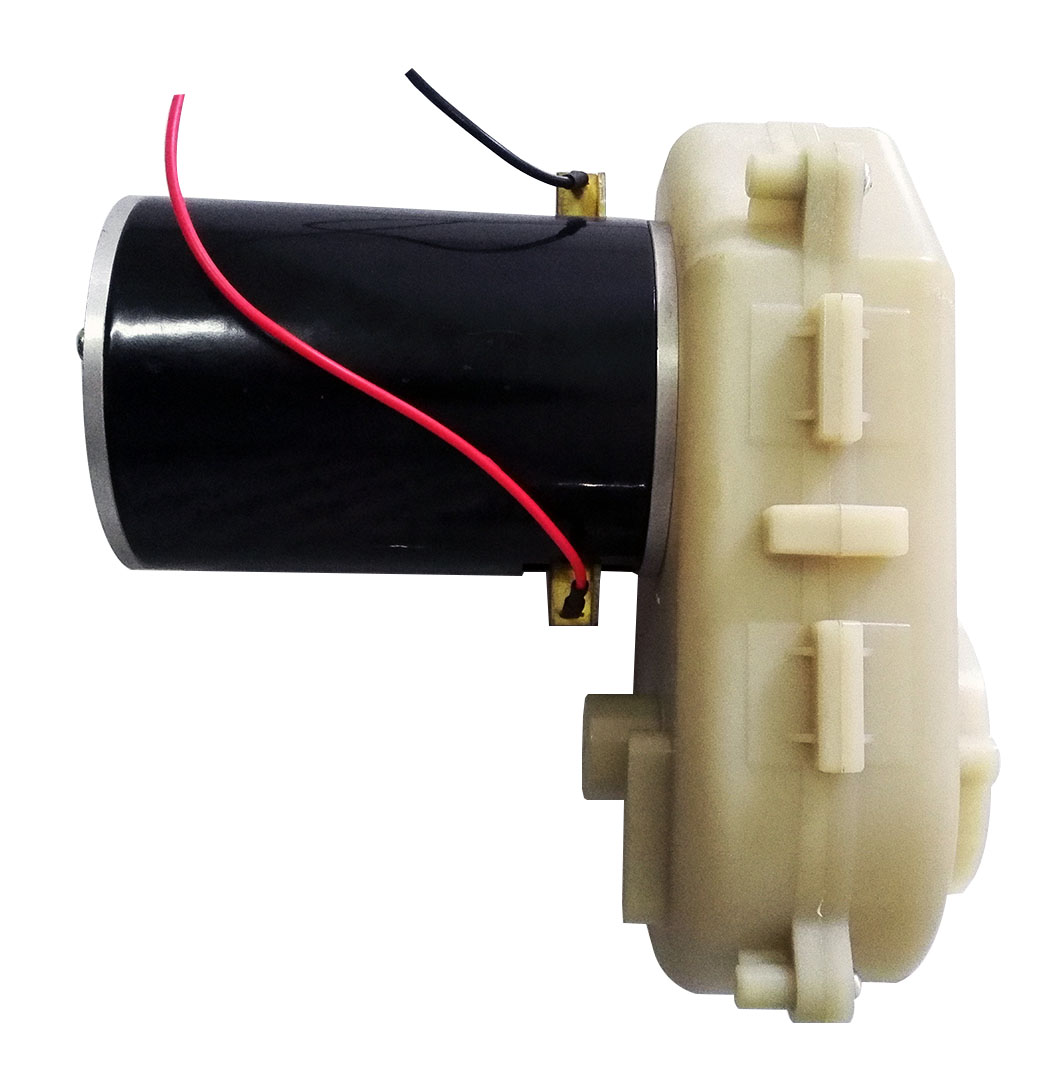
The internal gearbox determines the lifespan of the appliance. Standard domestic grinders often use Nylon gears to reduce noise and cost. However, for higher-torque or semi-commercial models, buyers should specify POM (Polyoxymethylene) for its superior wear resistance and dimensional stability, or opt for powder metallurgy (sintered metal) gears for the primary drive points.
Manufacturing Tolerances and Quality Control
Even with the right materials, poor machining ruins meat grinder parts. The gap between the cross blade and the extrusion plate must be perfectly flush. If the center bore of the blade is machined off-axis by even a fraction of a millimeter, the blade will wobble, creating uneven wear and metal shavings in the ground meat.
When evaluating a manufacturer, you must verify their precision machining capabilities and their internal QA processes. Relying on end-of-line checks is insufficient; quality must be managed at the machining and polishing stages. Implementing rigorous Quality Control & Inspection protocols is essential to catch dimensional deviations before assembly or shipping.
Key Factory QA Checks for Grinder Parts
- Hardness testing (Rockwell scale) on every batch of heat-treated blades.
- Surface roughness testing on augers to ensure no microporosities where bacteria can breed.
- Salt spray testing for corrosion resistance, especially on carbon steel or plated components.
- Dimensional tolerance checks on gear teeth and drive shaft splines using optical comparators.
Sourcing Realities: MOQs, Lead Times, and Tooling
Buying meat grinder parts in bulk involves navigating factory minimums and tooling costs, particularly if you are developing proprietary fittings or specialized extrusion plate patterns. If you are launching a custom appliance line, utilizing professional OEM/ODM Services ensures your intellectual property is protected and tooling is owned by your company, not the factory.
Pricing in this category is highly elastic based on raw material market rates (especially stainless steel and aluminum) and the precision of the CNC machining required. Be wary of suppliers offering prices significantly below market average; this usually indicates the use of lower-grade, non-food-safe alloys or skipped heat-treatment cycles. Conducting thorough Factory Audits before placing a deposit is the most effective way to verify a supplier's true production capabilities.
Need to consolidate your supply chain or negotiate better terms for custom tooling? We manage the entire sourcing process to secure the best pricing and quality.
Talk to our teamSourcing reliable meat grinder parts requires looking past the surface finish to understand the metallurgy and machining precision underneath. By specifying exact material grades, enforcing strict tolerances, and partnering with verified manufacturers, you can secure components that perform flawlessly under pressure.
Get Sourcing Help for Meat Grinder Parts
Tell us your requirements and our experts will connect you with verified manufacturers.