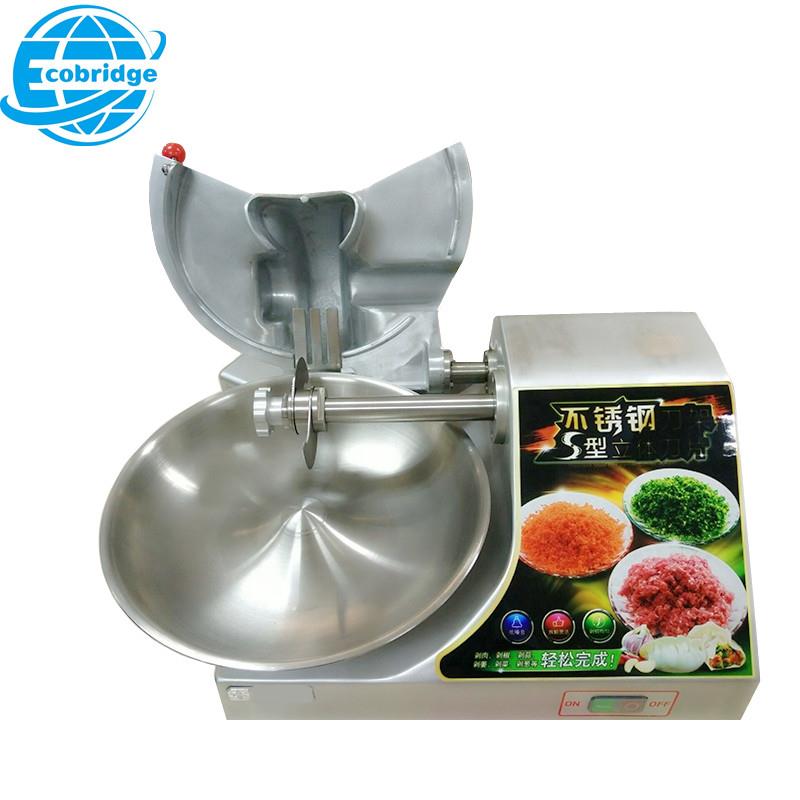
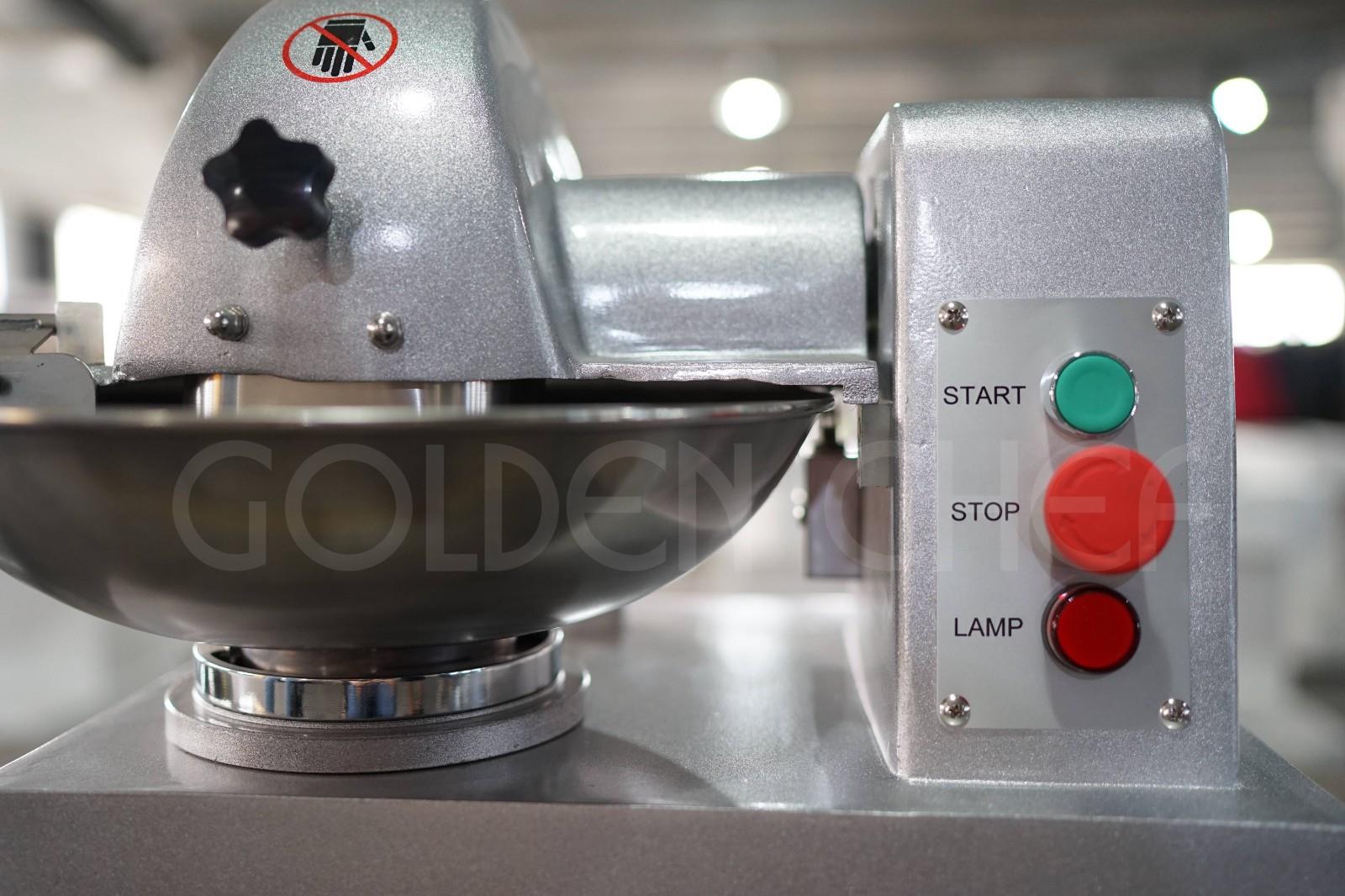
Meat Bowl Cutters
Source commercial-grade Meat Bowl Cutters from vetted suppliers and manufacturers in China and across Asia. Designed for importers, distributors, and equipment brands looking for reliable OEM production, this catalog connects you with high-volume manufacturing partners capable of meeting stringent food safety standards.
Sourcing commercial meat bowl cutters requires balancing high-speed mechanical precision with strict food-grade hygiene standards. For equipment distributors and food processing brands, the challenge lies in identifying manufacturers who can deliver consistent dynamic balancing on the knife shaft and reliable inverter drives, avoiding the rapid wear and motor burnout common in lower-tier machinery.
Critical Specifications for Commercial Bowl Cutters
The performance of a bowl cutter (or meat chopper) hinges on its ability to emulsify meat proteins rapidly without generating excessive heat, which can prematurely cook the proteins or cause fat separation. When evaluating suppliers, pay close attention to the core mechanical tolerances and capacities.
Manufacturing Tolerances and Component Sourcing
The difference between a machine that lasts a decade and one that vibrates itself to pieces in a year comes down to factory-level machining capabilities.
Dynamic Balancing: The knife shaft spins at extremely high speeds. If the factory lacks advanced dynamic balancing equipment, the resulting vibration will destroy the bearings and compromise the mechanical seal, potentially leading to grease leaking into the food zone.
Bowl Machining: The stainless steel bowl must be perfectly spherical to maintain a tight, uniform clearance with the knives. Inconsistent casting or machining leaves dead spots where meat isn't properly chopped, or worse, allows the knives to strike the bowl.
Before placing a volume order, conducting thorough Factory Audits is essential to verify the supplier actually owns CNC machining centers and dynamic balancing machines, rather than simply assembling outsourced parts.
Ensure your manufacturer has the right machining capabilities and quality management systems in place.
Talk to our teamElectrical and Drive Components
Many professional buyers specify Western or Japanese electrical components to ensure longevity and ease of local maintenance.
| Component Level | Motor / VFD | Bearings | Typical Use Case |
|---|---|---|---|
| Standard (Domestic) | Local Chinese brands | Harbin / ZWZ | Price-sensitive markets, intermittent use |
| Premium (Imported) | Siemens / ABB / Danfoss | SKF / NSK | High-volume processing, heavy duty |
Quality Control and Compliance
Food processing machinery must meet stringent safety and hygiene regulations (such as CE, NSF, or UL, depending on your market). Ensuring the machine uses genuine SUS304 or SUS316 stainless steel for all food-contact surfaces is a primary focus during Quality Control & Inspection.
Pre-Shipment Inspection Focus Areas
- Material verification (PMI testing) for SUS304/316 stainless steel.
- Vibration and noise level testing at maximum RPM.
- Verification of safety interlocks (bowl cover lift sensors, emergency stops).
- Electrical safety checks (hipot testing, grounding continuity).
- Verification of specified motor and VFD brands against the agreed Bill of Materials.
If you are importing into strictly regulated markets, coordinating Compliance & Testing with recognized third-party labs during the production phase prevents costly customs delays.
Pricing, MOQs, and Lead Times
Because meat bowl cutters are high-value capital equipment, the sourcing dynamics differ significantly from smaller consumer goods.
- MOQs: Minimum order quantities are typically low, often starting at 1 to 2 units for standard models. For OEM custom designs (e.g., specific control panel layouts, custom footprint dimensions), MOQs may rise to 5 or 10 units.
- Pricing Drivers: The cost is heavily dictated by the bowl volume, the origin of the electrical components (premium imported motors and inverters carry a higher cost), and the inclusion of advanced features. For example, vacuum bowl cutters—which prevent oxidation and improve color retention—cost significantly more than standard atmospheric models.
- Lead Times: Standard models usually require 30 to 45 days for production. Custom OEM orders or machines requiring imported European components can push lead times to 60 to 90 days.
Streamline your machinery procurement, negotiate better terms, and manage your supply chain from factory floor to final destination.
Get a free consultationFrequently Asked Questions
Sourcing Insight
When procuring commercial meat processing machinery, the upfront unit price is only one part of the total cost of ownership. Unplanned downtime due to bearing failure or electrical faults quickly erases any initial savings. Partnering with manufacturers who demonstrate rigorous dynamic balancing and use globally recognized electrical components ensures your equipment performs reliably under heavy industrial use.
Get Sourcing Help for Meat Bowl Cutters
Tell us your requirements and our experts will connect you with verified manufacturers.