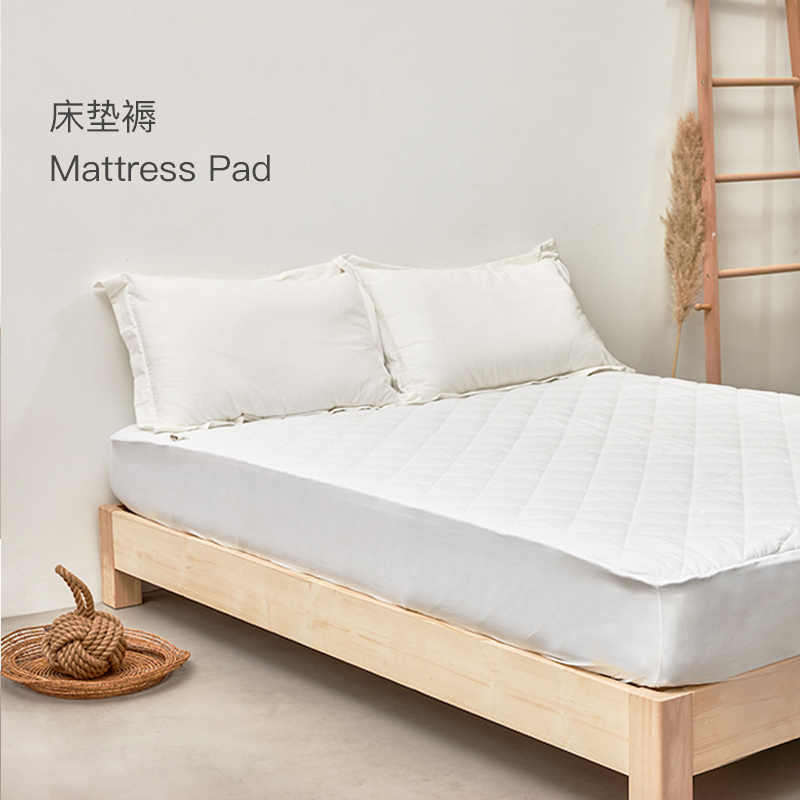
Mattress Pads & Toppers
Source premium mattress pads & toppers from vetted suppliers and manufacturers across Asia. Designed for importers, wholesalers, and bedding brands seeking reliable bulk production or custom OEM/ODM manufacturing. Secure competitive wholesale pricing and consistent quality at scale.
Sourcing mattress pads and toppers requires navigating a highly fragmented supply base where the line between premium bedding and budget-grade filler is entirely dictated by your technical specifications. Whether you are importing memory foam toppers or quilted microfiber mattress pads, profitability depends on balancing material density, compression rates for shipping, and strict adherence to regional flammability and chemical safety standards.
Defining Technical Specifications
To secure accurate quotes and consistent production runs, your tech pack must define precise metrics. Vague requests for "plush toppers" or "thick pads" will inevitably result in inconsistent fill weights and compromised durability.
Core Metrics for Production
- Fill Weight & Density: For fiberfill pads, specify grams per square meter (GSM). Standard pads range from 100 to 300 GSM, while heavy-duty options exceed 400 GSM. For foam toppers, density is critical; specify kilograms per cubic meter (kg/m³). High-density memory foam typically sits between 40 and 60 kg/m³.
- Cover Fabric Construction: Define the thread count (TC) and weave. A 233 TC cotton percale offers a crisp feel and prevents fiber migration, while knitted polyester blends provide stretch necessary for memory foam expansion.
- Skirt & Anchor Systems: Specify the skirt material (e.g., 90 GSM knitted polyester), elasticity (four-corner bands vs. fully elasticized skirt), and maximum mattress depth accommodation (typically 15 to 22 inches).
| Specification | Mattress Pads | Foam Toppers |
|---|---|---|
| Primary Function | Protection & light comfort | Pressure relief & support |
| Key Material Metric | Fill weight (GSM) | Density (kg/m³) & ILD rating |
| Construction Focus | Quilting pattern (Baffle/Channel) | Foam pouring & ventilation |
| Packaging Priority | Vacuum pressing & rolling | High-compression vacuum rolling |
Ensure your bedding specifications translate accurately to the factory floor. Let's discuss your production requirements.
Talk to our teamManufacturing Quality & Compliance
The manufacturing floor is where your product's margin is either secured or lost. Inconsistent quilting leads to fill clumping, while improper foam curing results in off-gassing and failed recovery after unboxing.
Critical Quality Control Checkpoints
Implementing robust quality control protocols is non-negotiable. Inspectors should focus on:
- Dimensional Stability: Verifying that pads match standard regional mattress sizes (e.g., US Queen 60x80 inches) after taking shrinkage tolerances into account.
- Stitching Integrity: Checking for skipped stitches, loose threads, and the durability of the binding tape around the perimeter.
- Fill Evenness: Holding quilted pads against a light source to detect uneven fiber distribution or empty pockets.
- Foam Recovery: Testing vacuum-packed foam toppers to ensure they recover to their specified thickness within 48 hours of unpacking.
Regulatory & Testing Requirements
- Flammability standards (e.g., 16 CFR Part 1632 for the US market)
- OEKO-TEX Standard 100 certification for textiles
- CertiPUR-US certification for polyurethane foams (no heavy metals, low VOC)
- Phthalate and lead testing for waterproof TPU layers
Navigating these regulatory hurdles requires rigorous compliance testing to ensure shipments are not rejected at customs or flagged by retail partners.
Sourcing Mechanics: MOQs, Pricing, and Logistics
When engaging with suppliers for OEM/ODM services, understanding the baseline economics of bedding manufacturing will strengthen your negotiating position.
The Impact of Packaging on Freight
Bedding is inherently bulky. Shipping uncompressed foam or high-loft fiberfill drastically inflates your landed cost due to wasted container space. Vacuum pressing and roll-packing are industry standards, but they come with trade-offs.
Vacuum Roll-Packing
Advantages
- Maximizes container utilization, reducing per-unit freight costs.
- Easier handling for final mile delivery and e-commerce fulfillment.
- Protects the product from moisture and dust during transit.
Disadvantages
- Requires high-quality foam/fiber to ensure full recovery post-unboxing.
- Extended storage in a compressed state (over 6 months) can permanently damage cell structure.
- Adds a minor cost for specialized compression machinery and heavy-duty PE bags.
Verify Supplier Capabilities
Ensure your chosen manufacturer has the specialized machinery required for high-compression packaging without damaging the product.
Optimize your bedding supply chain from raw material sourcing to final container loading. Connect with our sourcing experts.
Get a free consultationFrequently Asked Questions
Successfully sourcing mattress pads and toppers requires balancing material integrity with logistical efficiency. By specifying exact densities, enforcing strict quality control on the factory floor, and optimizing your packaging for freight, you can deliver a premium sleep experience while protecting your margins.
Get Sourcing Help for Mattress Pads & Toppers
Tell us your requirements and our experts will connect you with verified manufacturers.