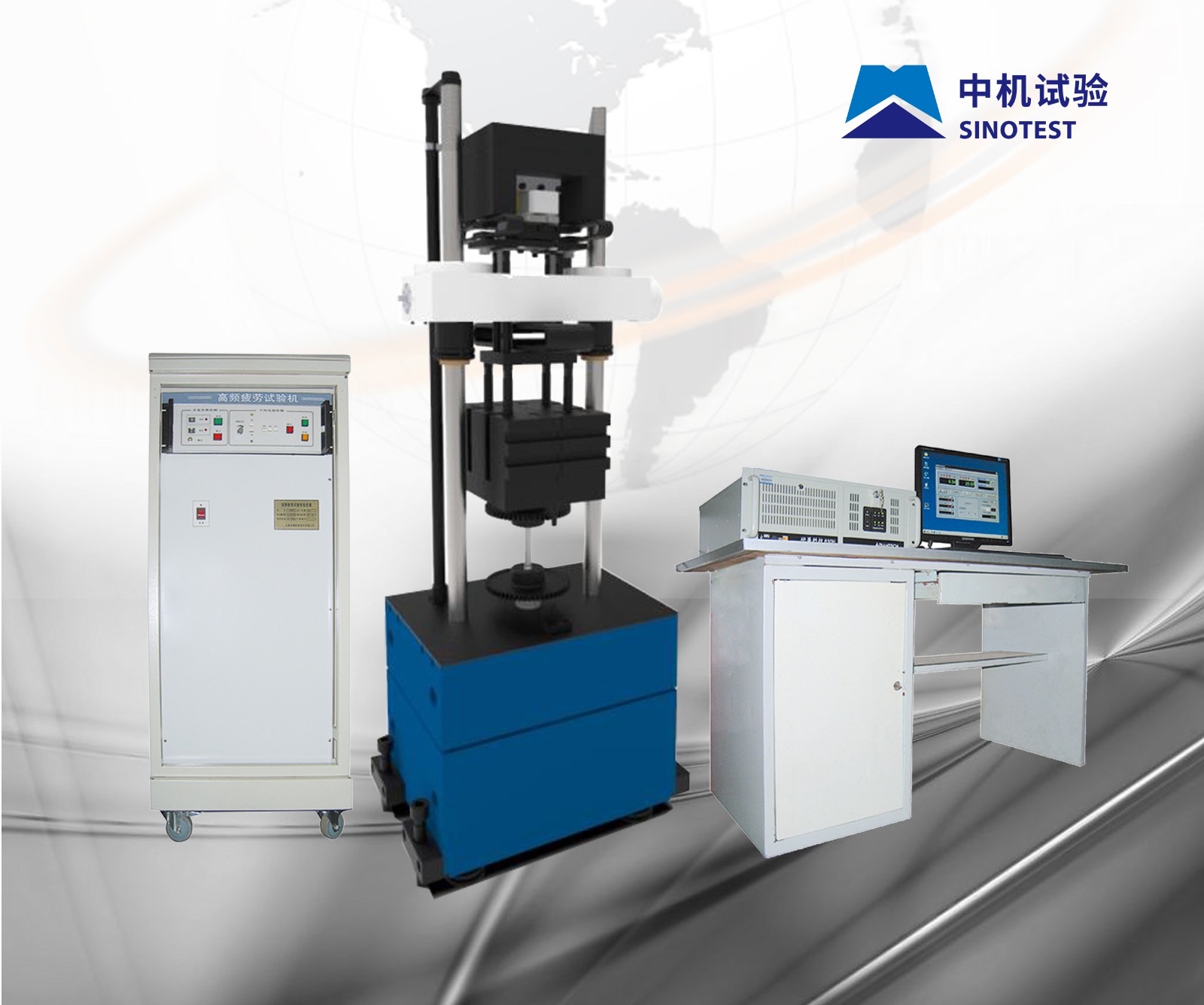
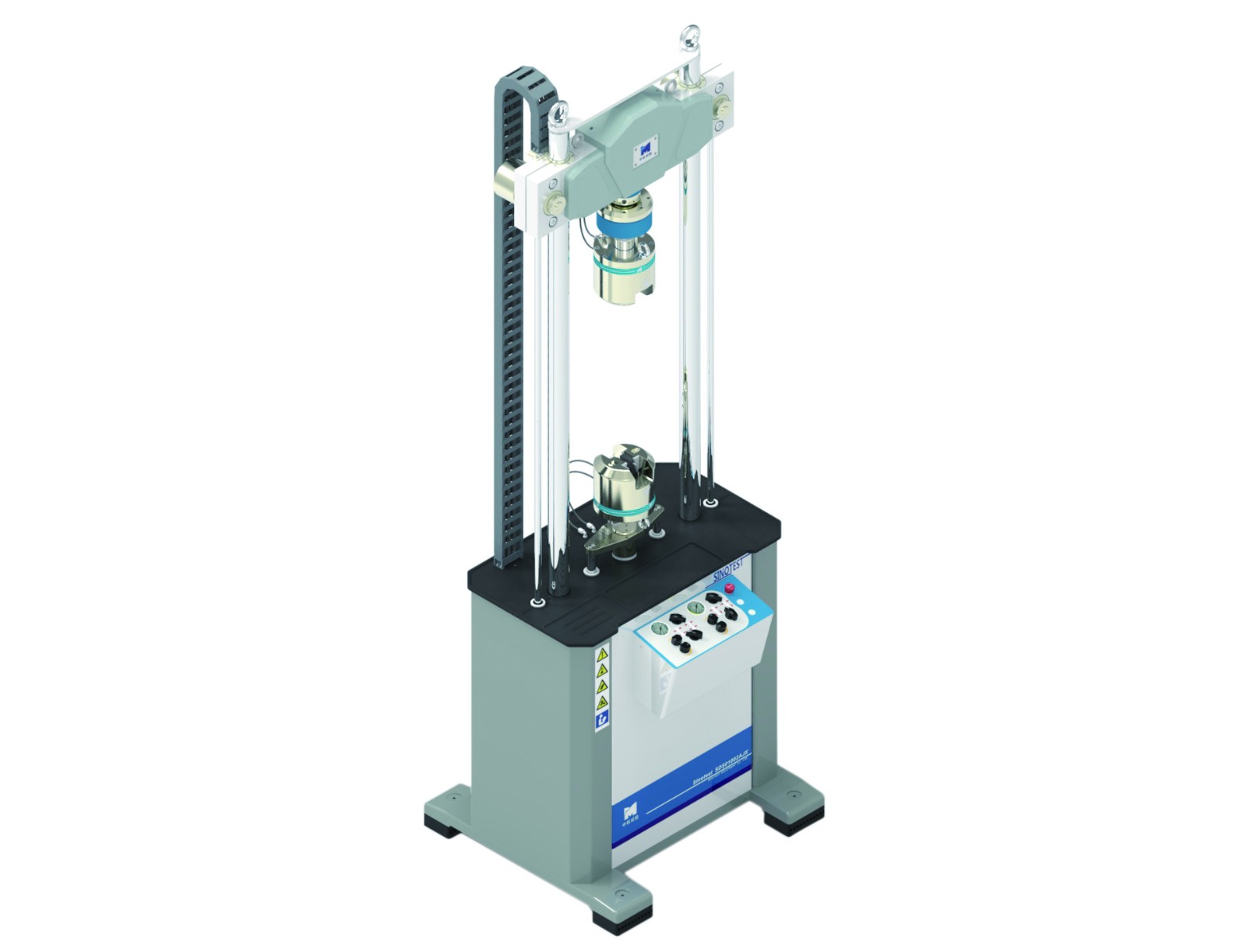
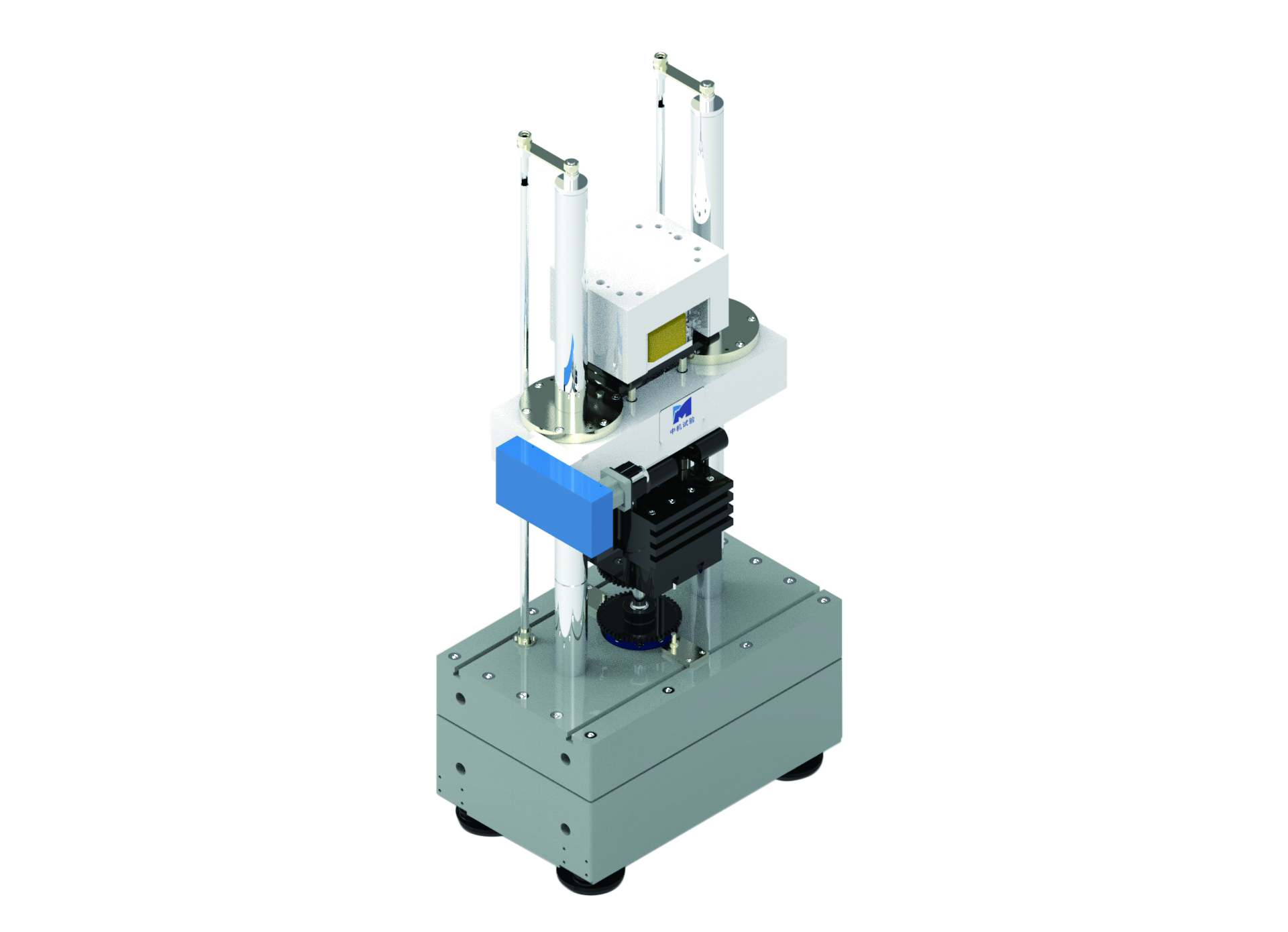
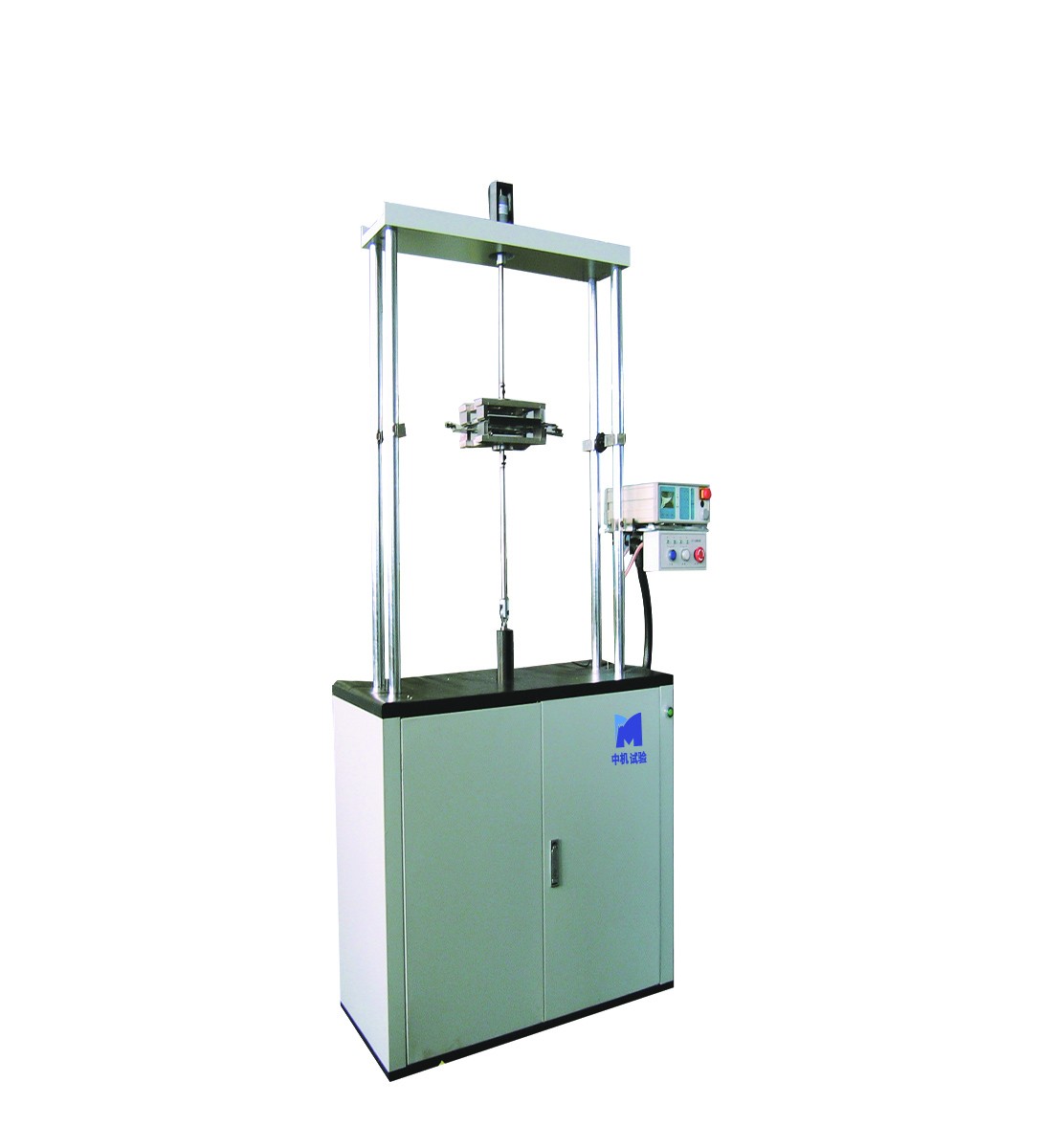
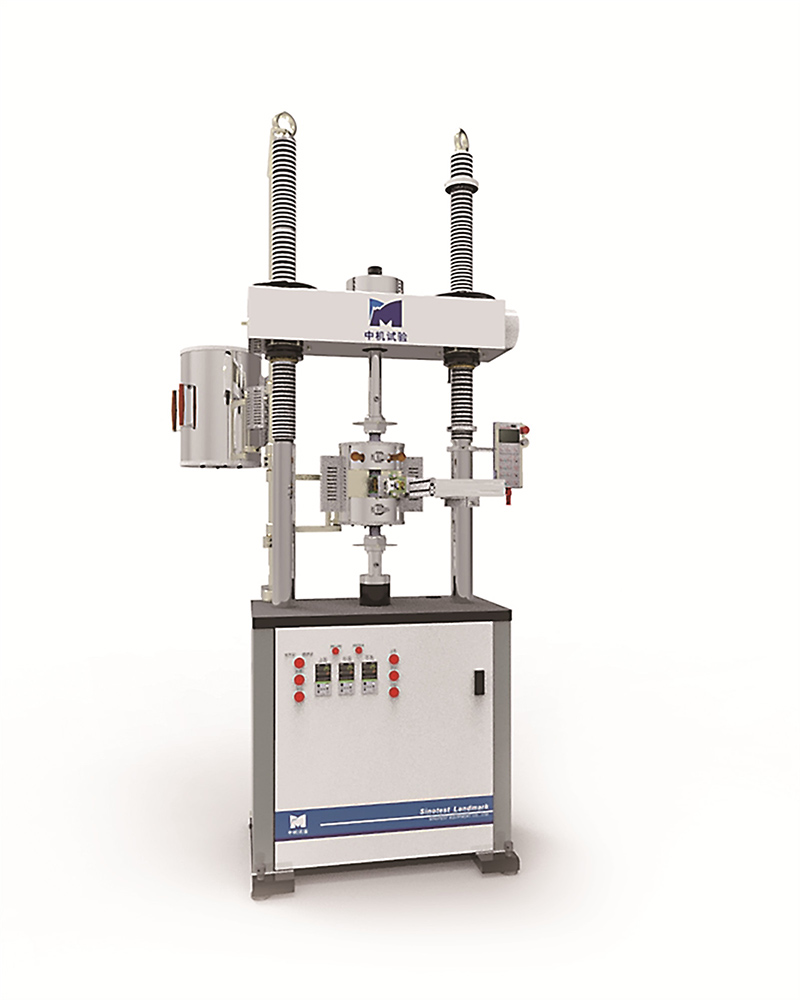
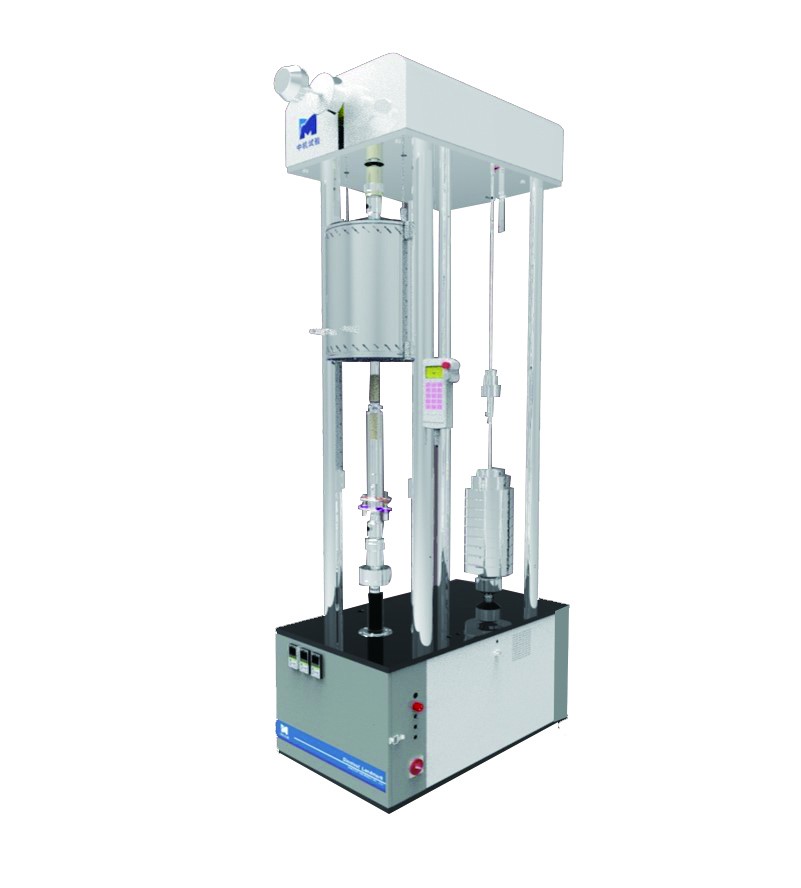
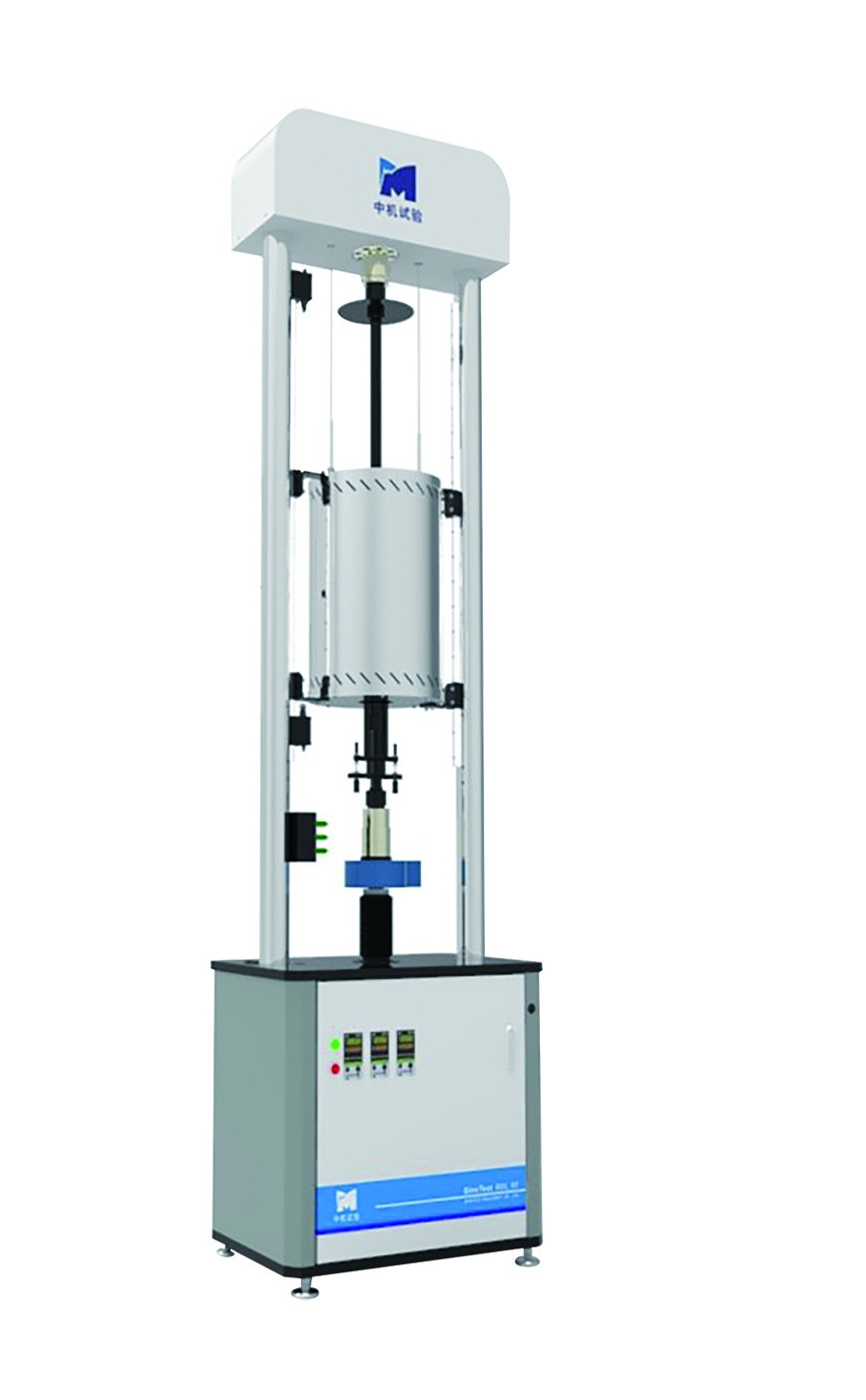
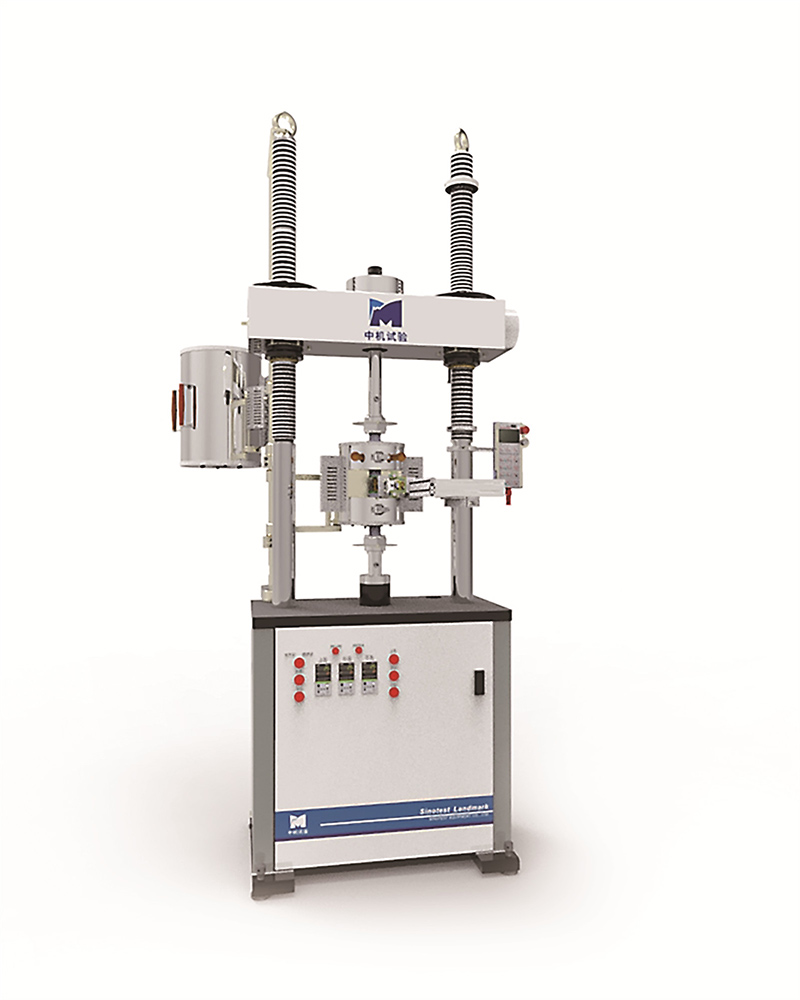
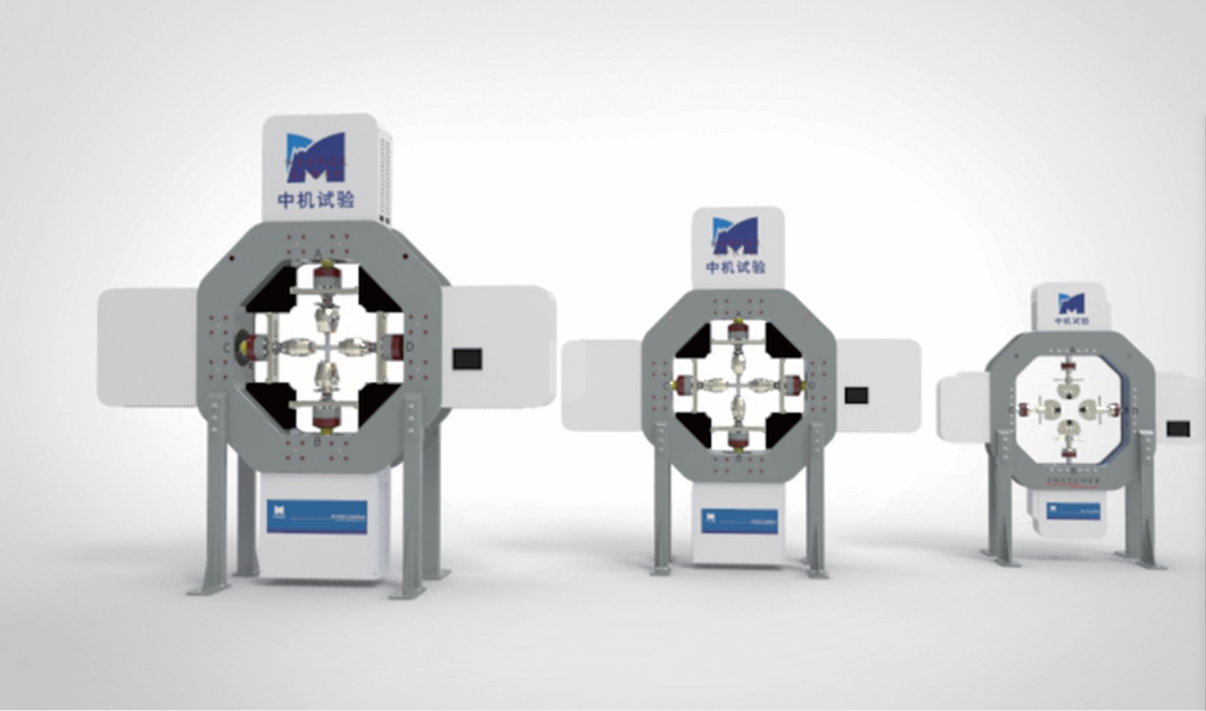
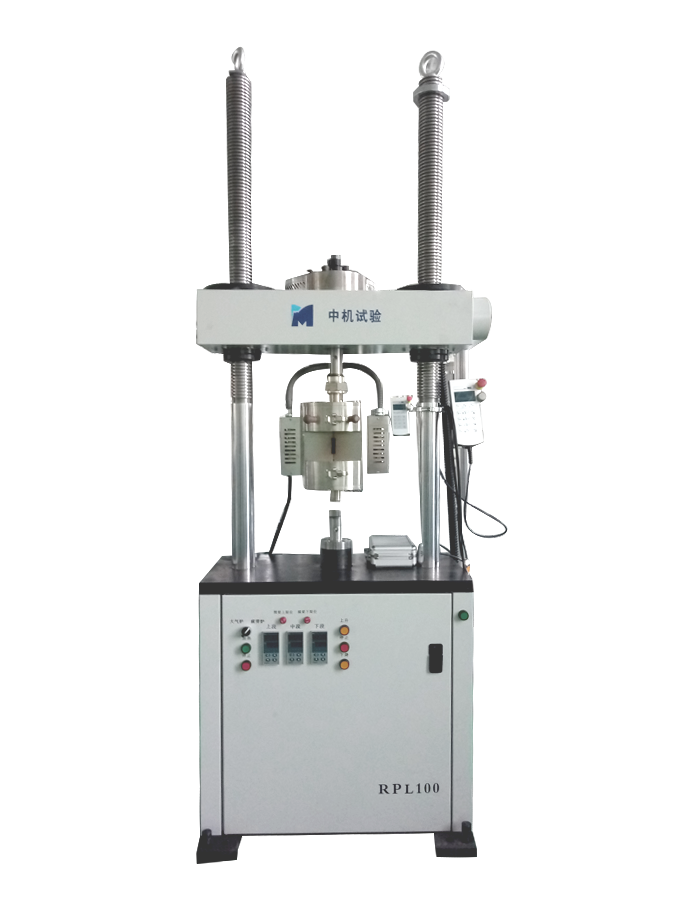
Material Testing Machines
Source industrial-grade Material Testing Machines from vetted suppliers and manufacturers across Asia. Designed for procurement managers, wholesalers, and brands seeking reliable OEM production, our network delivers precision testing equipment built to international compliance standards.
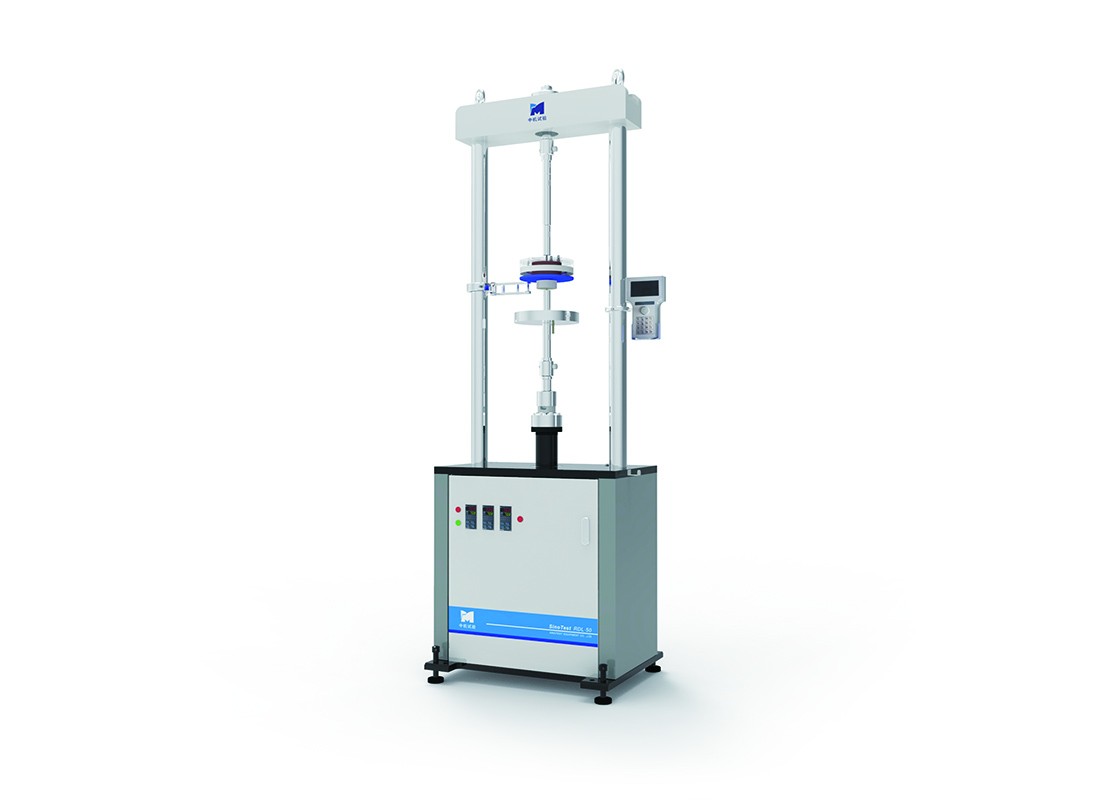
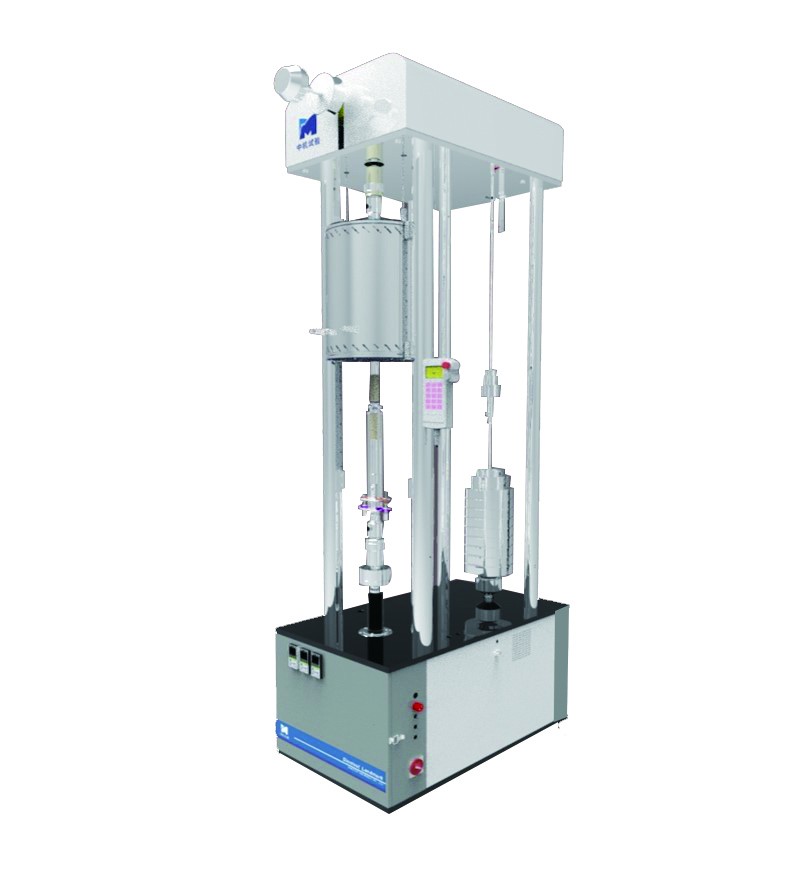
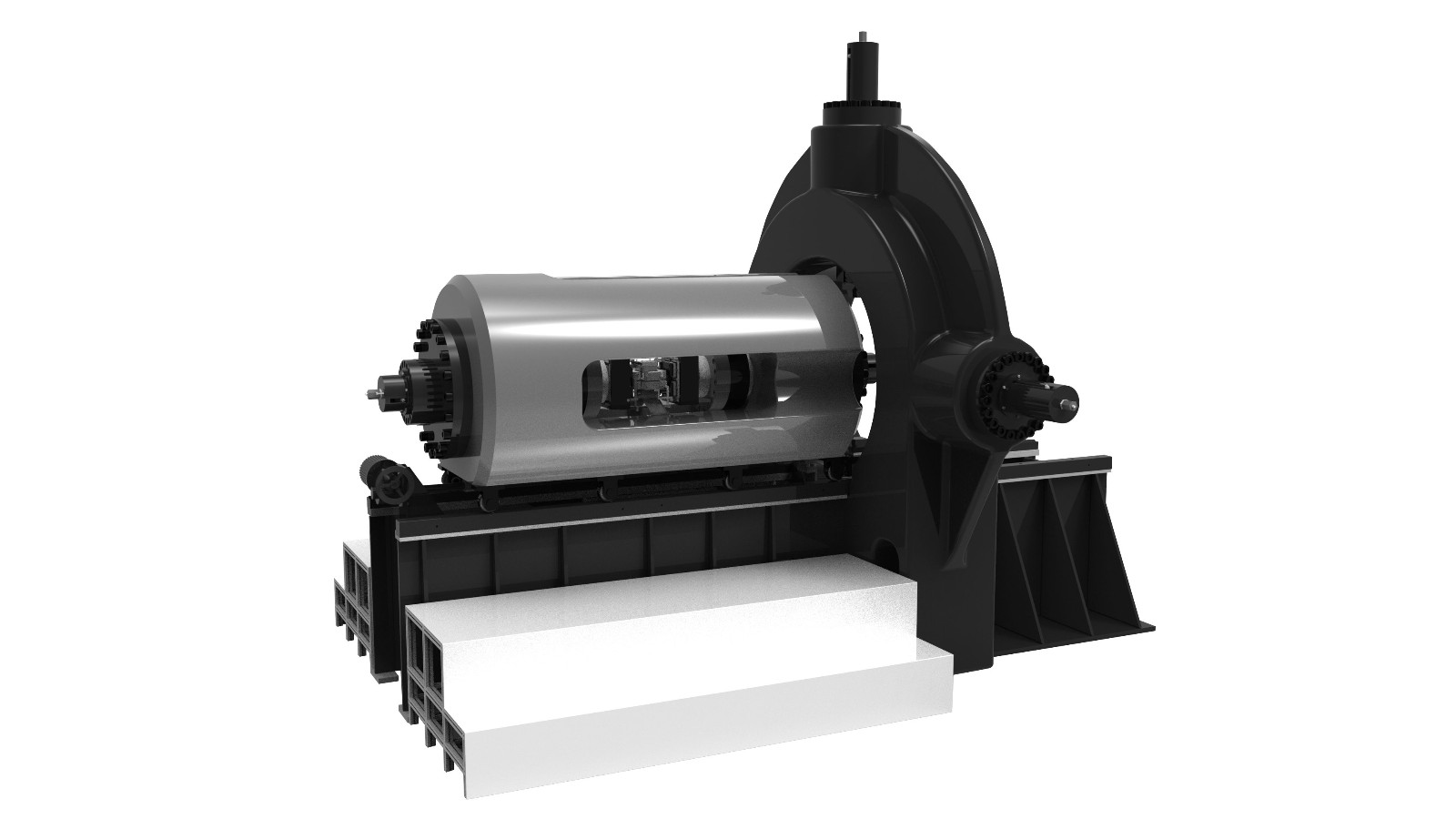
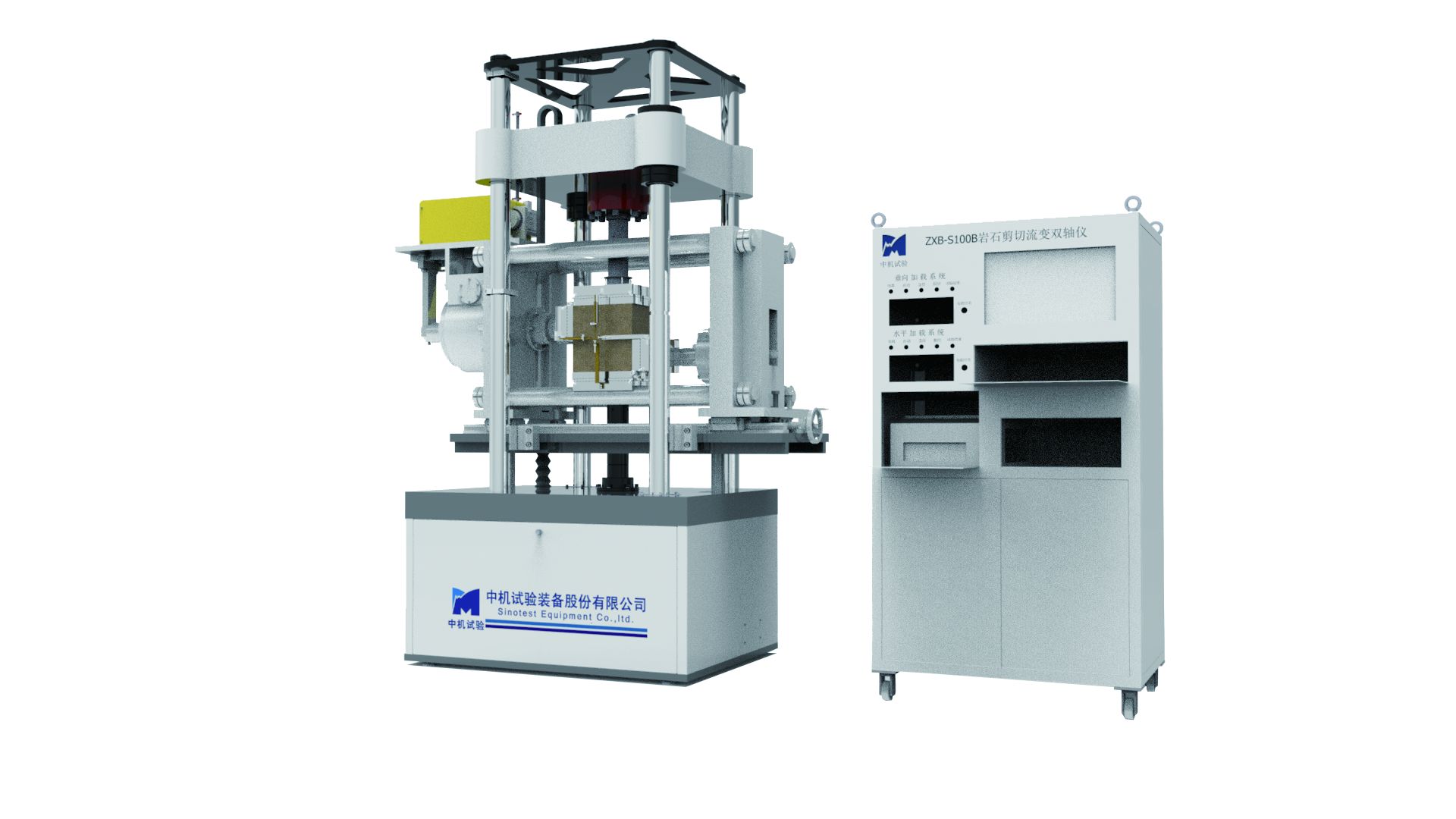
Sourcing material testing machines requires navigating a complex intersection of mechanical rigidity, electronic precision, and software reliability. Whether you are importing universal testing machines, impact testers, or specialized fatigue equipment, the core sourcing challenge remains the same: ensuring the manufacturer can deliver consistent accuracy and repeatable data that meets stringent international standards like ASTM, ISO, and DIN. A minor flaw in load cell calibration or crosshead alignment renders the equipment useless for industrial quality control or R&D applications.
Critical Specifications to Define
When negotiating with manufacturers, vague specifications lead to substandard components. Testing machines are highly modular, and factories will often substitute cheaper internal components to win on price if you do not strictly define the bill of materials.
Essential Specifications to Lock Down
- Accuracy Class: Specify Class 0.5 or Class 1 per ISO 7500-1 / ASTM E4.
- Load Cell Origin: Specify the brand and resolution. High-end units typically utilize US or European load cells, while mid-tier units use domestic Chinese brands.
- Drive System: Require AC servo motors (e.g., Panasonic, Yaskawa) and zero-backlash precision ball screws (C5 grade or better).
- Data Acquisition (DAQ): Mandate a minimum 24-bit A/D conversion resolution and a minimum sampling rate (e.g., 1000 Hz) for closed-loop control.
- Frame Rigidity: Define the maximum allowable frame deflection at full capacity.
Manufacturing Quality & Factory Vetting
The physical frame of a testing machine must be exceptionally rigid to prevent deformation under heavy loads, which skews elongation data. Top-tier manufacturers use heavy-duty cast iron bases and thick extruded aluminum columns, whereas budget suppliers may use thinner steel plate that flexes under stress.
Equally important is the factory's internal calibration capability. A reliable manufacturer must possess certified reference standard weights and master load cells to calibrate your machines before they leave the floor. Verifying these internal quality management systems and calibration certificates is exactly where professional factory audits are indispensable before placing a high-value order.
Need to verify a testing equipment manufacturer's calibration capabilities and production standards?
Talk to our teamCustomization and Software Localization
For distributors and brands, software is often the primary differentiator. While the hardware may be excellent, factory-default software can suffer from poor English translation, clunky user interfaces, or limited export formats (e.g., lacking direct PDF or Excel reporting). If you are utilizing OEM/ODM services to white-label these machines, you must negotiate software localization and UI branding early in the development phase. Ensure the controller supports custom test methods and that software updates can be flashed easily by the end-user.
Pricing, MOQs, and Lead Times
Material testing machines are high-value, low-volume capital equipment. Consequently, the sourcing mechanics differ significantly from standard consumer goods.
Pricing is driven primarily by the maximum load capacity (e.g., a 10kN benchtop unit versus a 600kN floor-standing hydraulic unit) and the origin of the critical components (motor, drive, load cell). When comparing quotes, always demand an itemized component list. A machine priced 30 percent lower than the market average almost certainly utilizes generic stepper motors instead of AC servos, or low-grade ball screws that will introduce backlash over time.
Because these are precision instruments, shipping damage is a major risk. Prior to container loading, rigorous quality control & inspection is required to verify that the equipment is properly bolted to heavy-duty wooden skids, critical moving parts are locked down, and shock indicators are applied to the crating.
Protect your capital investment with rigorous pre-shipment inspections and secure logistics.
Get a free consultationFrequently Asked Questions
Sourcing material testing equipment is a high-stakes procurement exercise where the cost of failure—supplying inaccurate data to industrial end-users—is severe. Success requires strict component specification, rigorous factory vetting, and uncompromising pre-shipment verification.
Get Sourcing Help for Material Testing Machines
Tell us your requirements and our experts will connect you with verified manufacturers.