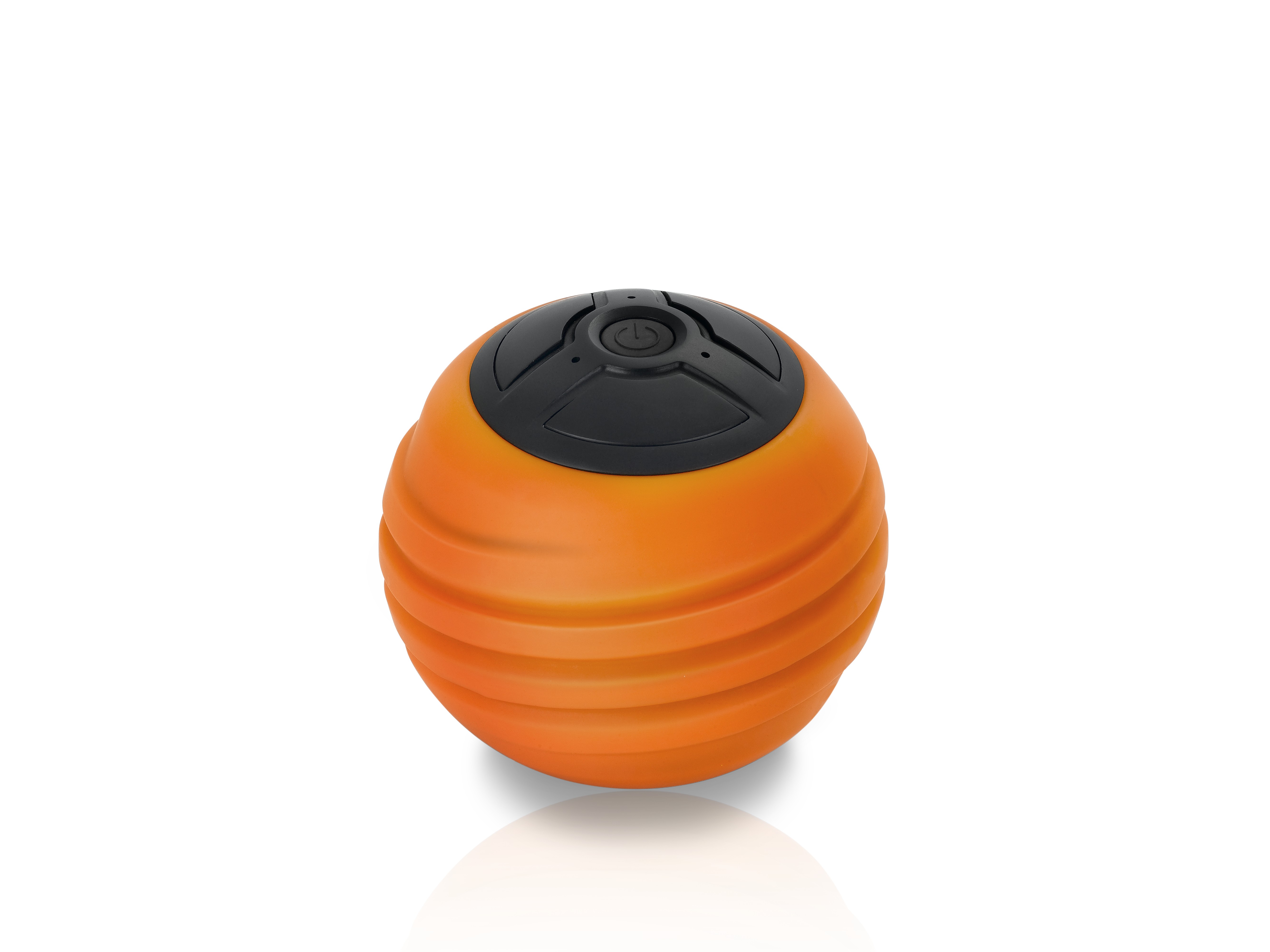
Massage Sticks, Balls & Rollers
Source premium Massage Sticks, Balls & Rollers from vetted suppliers and manufacturers. Designed for importers, wholesalers, and fitness brands seeking reliable bulk purchasing or custom OEM/ODM production. Secure competitive pricing and consistent quality for your recovery and mobility product lines.
Sourcing massage sticks, balls, and rollers at scale requires balancing material durability with precise ergonomic design. Whether you are stocking standard foam rollers or developing custom silicone trigger-point balls, the core challenge lies in specifying the right material densities and ensuring consistent manufacturing across high-volume production runs.
Material Specifications and Density Control
The defining characteristic of any massage tool is its firmness, which is dictated by the material choice and its specific density. Professional buyers must specify exact hardness levels—typically using the Shore scale—to ensure the final product performs as intended without deteriorating under heavy use.
| Material | Primary Application | Shore Hardness Scale | Cost Tier |
|---|---|---|---|
| EPP (Expanded Polypropylene) | Firm Rollers, Peanuts | High (Shore C) | Low |
| EVA (Ethylene-Vinyl Acetate) | Textured Rollers, Sticks | Medium (Shore C) | Medium |
| TPR (Thermoplastic Rubber) | Spiky Balls, Stick Rollers | Variable (Shore A) | Medium to High |
| Silicone | Premium Massage Balls | Variable (Shore A) | High |
When specifying foams like EVA or EPP, density is often measured in grams per liter (g/L) or kilograms per cubic meter. A standard EPP roller might use 45g/L density for a standard firm feel, while premium high-density models push toward 60g/L. Failing to specify this in your purchase order often results in suppliers using lower-density materials to cut costs, leading to products that warp or compress permanently under body weight.
Manufacturing Processes and Quality Vulnerabilities
Different materials require completely different manufacturing setups. EPP products are typically steam-molded, EVA is heat-pressed or extruded, and TPR/Silicone items are injection molded. Understanding these processes helps you identify where quality can slip.
For hollow foam rollers, the inner core is a critical failure point. These cores are usually made of PVC or ABS plastic. If the wall thickness of the plastic core is too thin (under 2.5mm is risky for heavy use), the roller will crack.
Struggling with inconsistent material density or poor finish quality from your current supplier? Let our sourcing engineers manage the technical specifications and factory negotiations for you.
Get a free consultationTo prevent returns and brand damage, rigorous Quality Control & Inspection is non-negotiable.
Critical Pre-Shipment Inspection Points
- Load-bearing tests on hollow cores (minimum 150kg static load)
- Shore hardness verification using a durometer across multiple batch samples
- Visual inspection of injection seams and flash (excess plastic/rubber)
- Adhesion testing between the foam exterior and plastic core
- Odor checks for excessive chemical off-gassing (especially in TPR/PVC)
Customization and OEM/ODM Considerations
The massage tool market is highly brand-driven. If you are developing unique textures, ergonomic shapes, or proprietary densities, you will be utilizing OEM/ODM Services.
Custom shapes require new molds. While EPP and EVA molds are relatively inexpensive, steel injection molds for complex TPR or Silicone items represent a larger upfront investment. It is crucial to establish mold ownership terms in your manufacturing agreement before tooling begins. Additionally, custom colors require precise Pantone matching, which can alter the chemical composition and slightly affect the final hardness of the rubber or foam if not properly balanced by the factory's material engineers.
Pricing, MOQs, and Lead Times
Pricing in this category is highly sensitive to material petroleum costs and factory capacity. Because these items—especially large foam rollers—take up significant volume, freight costs will heavily impact your landed unit price.
Before wiring a deposit for a high-volume order, conducting thorough Factory Audits is highly recommended. Many suppliers listed on B2B directories are trading companies, not manufacturers. An audit verifies that the facility actually possesses the specific molding equipment required for your materials, ensuring they aren't simply subcontracting your order to a lower-tier workshop.
Ready to optimize your supply chain for fitness and recovery tools? Merhein handles factory vetting, quality control, and logistics so you can focus on growth.
Talk to our teamFrequently Asked Questions
Successfully sourcing massage sticks, balls, and rollers requires moving beyond generic product photos and focusing heavily on material density, core strength, and mold quality. By defining exact technical specifications and maintaining strict oversight on the factory floor, you can build a reliable, high-margin product line that stands up to professional use.
Get Sourcing Help for Massage Sticks, Balls & Rollers
Tell us your requirements and our experts will connect you with verified manufacturers.